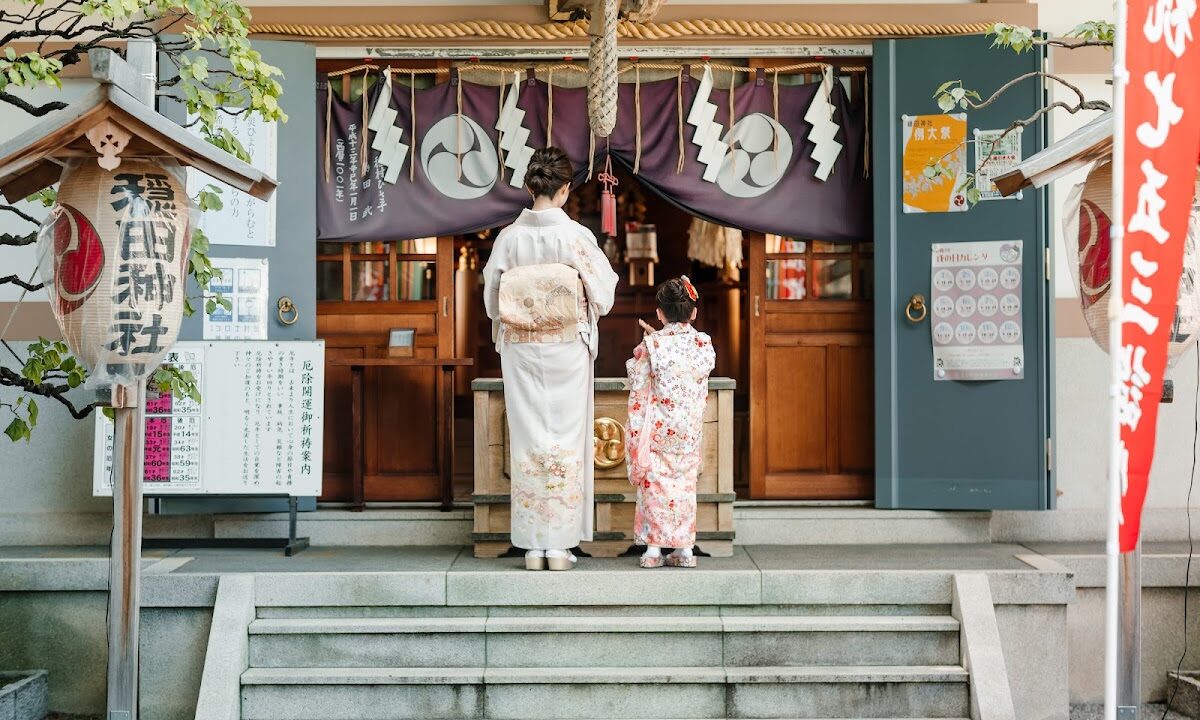
Complete Guide to Onden Shrine (Shibuya Ward, Tokyo) | Thorough Explanation of Goshuin (Shrine Seals), Access, History, and Blessings
Onden Shrine, located in Jingumae, Shibuya Ward, Tokyo, is a shrine quietly nestled amidst the vibrant streets of Harajuku and Omotesando. This shrine, long revered by the local people as the tutelary deity of the former Onden Village, is known for its blessings related to beauty, artistic improvement, and matchmaking, and has recently gained attention as a hidden power spot.
This article provides a thorough explanation of everything you need to know before visiting Onden Shrine, from its history and enshrined deities to goshuin information, access methods, and points to consider during your visit.
What is Onden Shrine?
Onden Shrine is located at 5-26-6 Jingumae, Shibuya Ward, Tokyo, and its former shrine rank was Village Shrine. It served as the tutelary deity of the entire former Onden Village area, encompassing the present-day Harajuku and Omotesando areas, and played a vital role as a guardian deity of the region.
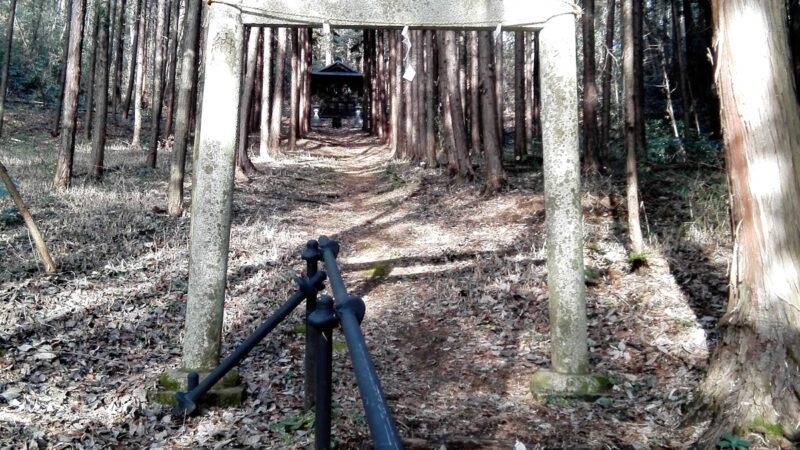
Despite being located amidst the hustle and bustle of the city, the shrine grounds are enveloped in a tranquil atmosphere and are carefully preserved by the local community. It’s surprising to find such a historic shrine located so close to the Ura-Harajuku area, known as Cat Street, a hub of fashion and culture in Harajuku.
History of Onden Shrine
Founding and Origins
The exact founding date of Onden Shrine is uncertain, but it has been worshipped since ancient times as the tutelary deity of this area, formerly known as Onden. It is believed to have existed as a spiritual center for the people of this region since before the Edo period.
Rokuten-sha in the Edo Period
An important point in understanding the history of Onden Shrine is the fact that it was originally a Nichiren Buddhist temple and was called “Rokuten-sha.” In 1590, Tokugawa Ieyasu became the lord of the Kanto region, and the following year, 1591, the Iga clan, who had served Ieyasu, were granted this land of Onden.
The Iga-shu were a group of ninja from Iga Province who served Tokugawa Ieyasu. Their granting of the Onden area as a fiefdom led to the development of this region. Throughout the Edo period, our shrine, known as the Rokuten-sha, continued to attract local devotion.
Meiji Restoration and Renaming
During the Meiji Restoration, the Rokuten-sha, a Nichiren Buddhist temple, was abolished due to the separation of Shinto and Buddhism. At this time, it was re-established as a shrine and renamed “Onden Shrine,” after the local place name. This is the origin of the current Onden Shrine name.
With this renaming, our shrine officially began its journey as a village shrine, continuing its activities rooted in the community as the guardian shrine of the former Onden Village.
Deities and Benefits
Deities
The deities enshrined at Onden Shrine are the following three gods:
- Omodaru-no-kami
- Ayakashikone-no-kami
- Kushimikenu-no-kami
These deities appear in the Seven Generations of the Age of the Gods in Japanese mythology and are known as important gods involved in the formation of the land and the creation of life.
Benefits
Onda Shrine is particularly revered for the following benefits:
Benefits for Beauty
It is believed to offer benefits related to beauty, and people who wish to maintain their beauty or work in the beauty industry visit the shrine. Its location in Harajuku, a district known for beauty and fashion, seems to have a mysterious connection to these benefits.
Improvement in Skills and Techniques
It is also believed to offer benefits to those who wish to improve their skills and techniques. It attracts worshippers such as artists, creators, and craftsmen who wish to hone their skills.
Matchmaking
Known for its blessings in fostering good relationships, Onda Shrine attracts many visitors seeking romantic success and positive interpersonal connections.
Due to these blessings, Onda Shrine is particularly popular with younger generations and women, and is gaining attention as a shrine that meets modern needs.
Highlights of the Shrine Grounds
Main Hall
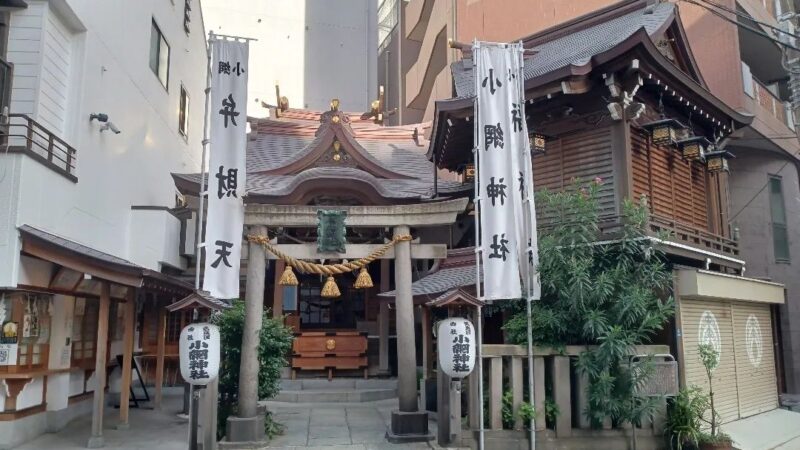
Despite its urban location, Onda Shrine’s main hall maintains the traditional style of shrine architecture. The compact grounds are meticulously maintained, creating a refreshing atmosphere.
Shrine Office
The shrine office is located on the grounds, where visitors can obtain Goshuin (shrine stamps) and other items. As a shrine rooted in the community, it also functions as a place for interaction with parishioners.
Atmosphere of the Shrine Grounds
Despite being located in Harajuku, a hub of youth culture in the heart of Shibuya Ward, stepping onto the shrine grounds envelops you in a tranquil atmosphere. Despite its location surrounded by skyscrapers and commercial facilities, it offers a sense of peace and tranquility to visitors, like an oasis in the city.
Goshuin (Shrine Seal) and Gift Information
Goshuin
Goshuin are available at Onda Shrine. Many visitors seek Goshuin as proof of their visit and as a way to forge a connection with the shrine.
To receive a Goshuin, you must visit during the shrine office’s reception hours. It is recommended to check the visiting hours in advance. Bringing your own Goshuincho (seal book) is recommended, or you may be able to purchase one on-site.
Gift Items
Onda Shrine also offers gifts such as amulets and talismans. These items are related to blessings for beauty, artistic improvement, and matchmaking, and can be received as a memento of your visit or to feel a connection with the deities in your daily life.
Access and Transportation Information
Onda Shrine is located at 5-26-6 Jingumae, Shibuya-ku, Tokyo, and is accessible from several stations.
Access by Train
JR Yamanote Line
- Approximately 10 minutes on foot from Harajuku Station
- Approximately 15 minutes on foot from Shibuya Station
Tokyo Metro Chiyoda Line/Fukutoshin Line
- Approximately 7 minutes on foot from Meiji-jingumae Station
Meiji-jingumae Station is the closest station and offers the easiest access, allowing you to enjoy the streets of Omotesando and Harajuku while walking to the shrine.
Landmarks in the Area
Located near Cat Street (formerly the Shibuya River Promenade), it’s a convenient stop after enjoying shopping in Harajuku and Omotesando. As the address, Jingumae, Shibuya-ku, suggests, it’s located in the area directly in front of Meiji Jingu Shrine.
Parking
There is no dedicated parking lot on the shrine grounds, so if you are visiting by car, you will need to use a nearby coin-operated parking lot. However, the Harajuku/Omotesando area gets crowded, especially on weekends, so using public transportation is recommended.
Manners and Points for Visiting a Shrine
Basic Worship Etiquette
When visiting Onda Shrine, please observe the following basic etiquette:
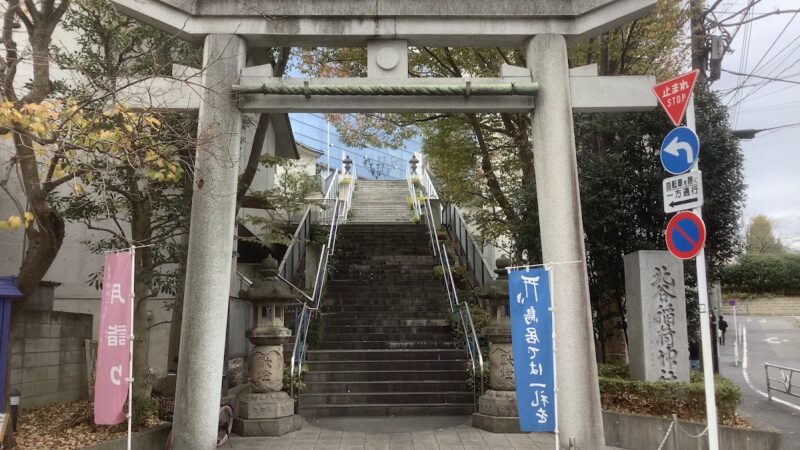
- Bow before the Torii Gate: Before entering the shrine grounds, bow before the torii gate.
- Purify at the Water Basin: If there is a water basin, purify your hands and mouth.
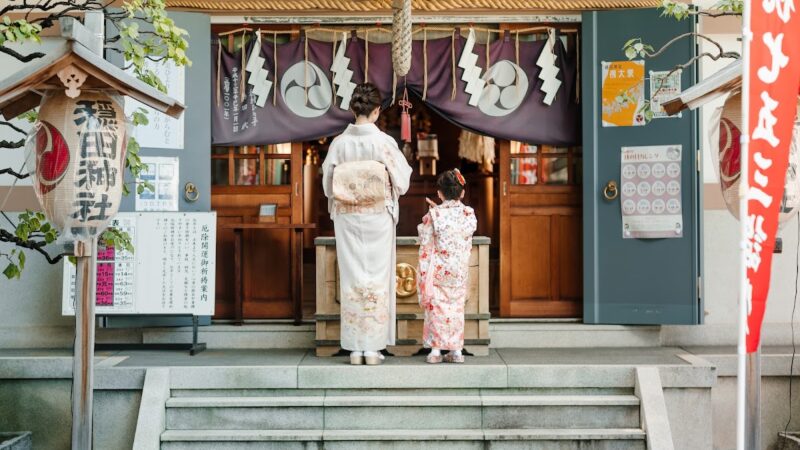
- Worship at the Main Hall: Worship using the two bows, two claps, and one bow ritual.
- Bow again when leaving the Shrine Grounds: When leaving, bow to the deity before the torii gate.
Suitable Time for Visiting
Onda Shrine is a quiet shrine located in a residential area. Early mornings and weekday mornings are relatively quiet, allowing for a peaceful visit. While the surrounding area becomes lively on weekends and holidays due to the crowds in the Harajuku/Omotesando area, the shrine grounds remain relatively peaceful.
Regarding Photography
Photography is generally permitted on the shrine grounds, but please be considerate of other visitors. It is important to photograph with respect in the main hall and other sacred areas.
Annual Festivals and Rituals
At Onda Shrine, various festivals and rituals are held throughout the year. As the local tutelary deity, the shrine continues to uphold traditional festivals together with its parishioners.
Grand Festival
The Grand Festival is held annually at a fixed time, where local residents gather to offer thanks to the deities. The Grand Festival is the most important festival for the shrine, and may include the procession of a portable shrine and various offerings.
Annual Events
Annual events commonly held at Japanese shrines, such as Hatsumode (first shrine visit of the year), Setsubun Festival, and Natsukoshi no Oharae (summer purification ceremony), are also held. Participating in these events allows you to experience traditional Japanese culture and the changing seasons.
Nearby Attractions and Tourist Spots
There are many worthwhile tourist spots around Onda Shrine.
Meiji Jingu Shrine
One of Tokyo’s most representative shrines, located within walking distance. Surrounded by a vast forest, the shrine grounds offer a tranquil oasis in the heart of the city, attracting many visitors.
Omotesando
A representative shopping street in Tokyo, lined with flagship stores of fashion brands and cafes. The beautiful zelkova trees make it ideal for a stroll.
Harajuku/Takeshita Street
Harajuku is known as a hub of youth culture. Takeshita Street boasts a unique atmosphere with its colorful shops and crepe stalls.
Cat Street
A pedestrian walkway located very close to Onden Shrine. Built over the former Shibuya River, it’s the heart of the Ura-Harajuku area, dotted with unique shops and cafes.
Kitaya Inari Shrine
Another shrine located within Shibuya Ward, often visited in conjunction with Onden Shrine. Each shrine offers its own unique history and blessings.
The Origin of the Place Name Onden
The place name “Onden” is the former village name of the area around present-day Jingumae in Shibuya Ward. There are several theories about the origin of this name, but it is said to have been named because it was a peaceful rural area.
During the Edo period, this area existed as Onden Village in Toshima District, Musashi Province, and was an agricultural area. It’s hard to imagine from the current glamorous Harajuku and Omotesando, but it was once a quiet village with vast fields.
After the Meiji era, urbanization progressed along with the development of Tokyo, and the area changed rapidly, especially after the founding of Meiji Jingu Shrine (1920). Although the place name “Onden” is no longer officially used, its history is etched in the name of Onden Shrine.
The Modern Significance of Onden Shrine
A Spiritual Oasis in the City
Located in Harajuku and Omotesando, areas at the forefront of fashion, Onden Shrine continues to maintain its unchanging tradition and tranquility. In the midst of a bustling city of shopping and sightseeing, this is a precious place where you can stop by and find peace of mind.
Center of the Local Community
Despite being in the heart of the city, Onden Shrine is carefully preserved by its parishioners as the local tutelary deity. It continues to play an important role as a spiritual anchor for the local community.
Coexistence of Tradition and Modernity
The existence of a shrine with such a long history in Harajuku, a hub of fashion and culture, symbolizes the multifaceted nature of Tokyo. It’s a truly Tokyo-esque scene, where tradition and innovation, tranquility and hustle and bustle, coexist.
Visitor Voices and Reviews
The following are some comments from visitors to Onden Shrine:
- “I was surprised to find such a quiet shrine right in the heart of Harajuku.”
- “I like how easy it is to drop by while shopping.”
- “Although small, it’s meticulously maintained, and you can feel the love of the local people.”
- “A place to escape the hustle and bustle of the city and take a breather.”
- “I came to pray after hearing that it offers blessings for beauty. I’d like to visit again.”
Many visitors seem to appreciate the shrine’s charm as a quiet space in the city and as a shrine deeply rooted in the community.
Precautions When Visiting
Consideration for the Residential Area
Onden Shrine is located in a residential area. When visiting, please be considerate of the lives of the nearby residents and avoid loud conversations and noise.
Visiting Hours
The shrine is generally open for worship during the day, but the shrine office has limited hours. If you wish to receive a Goshuin (shrine stamp) or other items, it is recommended to check the reception hours in advance.
Please Visit with Respect
Shrines are sacred places. Please be quiet and considerate of other visitors while on the shrine grounds. Always take your trash with you and help maintain the cleanliness of the grounds.
Summary
Onden Shrine is a historic shrine located in the Harajuku/Omotesando area of Shibuya Ward, Tokyo. It was worshipped as the Rokuten-sha shrine during the Edo period and became the current Onden Shrine after the Meiji Restoration. The enshrined deities are Omodaru-no-kami, Ayakashikone-no-kami, and Kushimikeno-no-kami, and the shrine is known for its blessings related to beauty, artistic improvement, and matchmaking.
Despite being in the midst of the hustle and bustle of the city, Onden Shrine maintains a tranquil atmosphere and is cherished by its parishioners as the local guardian deity. When visiting Harajuku or Omotesando, be sure to stop by. You can feel the charm of Tokyo, where tradition and modernity coexist, from this small shrine.
Its convenient location, about a 7-minute walk from Meiji-jingumae Station, makes it easy to visit between shopping and sightseeing. You can also receive a Goshuin (temple/shrine stamp), making it a recommended stop on a Tokyo shrine pilgrimage.
Frequently Asked Questions (FAQ)
Q1: When can I get a Goshuin at Onda Shrine?
A1: You can receive a Goshuin at Onda Shrine, but only during the shrine office’s reception hours. To ensure you receive one, we recommend checking the visiting hours and the shrine office’s opening hours beforehand. Weekday mornings and early afternoons are generally the most reliable times.
Q2: How do I get to Onda Shrine?
A2: The nearest station is Meiji-jingumae Station on the Tokyo Metro Chiyoda Line and Fukutoshin Line, about a 7-minute walk away. It’s about a 10-minute walk from Harajuku Station on the JR Yamanote Line and about a 15-minute walk from Shibuya Station. Located near Cat Street, it’s a convenient stop in conjunction with exploring Harajuku and Omotesando.
Q3: What are the blessings offered at Onda Shrine?
A3: Onden Shrine is known for its blessings related to beauty, improvement in skills and arts, and matchmaking. People who wish to maintain their beauty, improve their artistic skills and techniques, and seek good relationships visit the shrine. Located in Harajuku, a district known for its beauty and fashion, it attracts many young people and women in particular.
Q4: Please tell me about the history of Onden Shrine.
A4: Onden Shrine has been worshipped since ancient times as the tutelary deity of the former Onden Village. During the Edo period, it was a Nichiren Buddhist temple called Rokuten-sha, but it was abolished due to the Meiji Restoration’s separation of Shinto and Buddhism and renamed Onden Shrine. In 1591, the Iga clan, who served Tokugawa Ieyasu, were granted this land, and the area developed thereafter.
Q5: Is there a parking lot at Onden Shrine?
A5: Onden Shrine does not have its own parking lot. If you are visiting by car, you will need to use a nearby coin-operated parking lot. However, the Harajuku and Omotesando areas are crowded, especially on weekends, and parking fees are high, so we recommend using public transportation.
Q6: When is the annual festival at Onden Shrine?
A6: Onden Shrine holds an annual festival every year, but the specific date may vary from year to year. If you wish to participate in the festival or special rituals, we recommend contacting the shrine in advance or checking the Tokyo Metropolitan Shrine Association website.
Q7: Is photography allowed at Onden Shrine?
A7: Photography is generally permitted on the shrine grounds, but consideration should be given to avoiding disturbing other visitors. Take photos respectfully in the main hall and sacred areas, and be careful not to include other visitors in your photos. Also, please refrain from taking photos in areas where photography is prohibited.
Q8: Are there any recommended tourist spots around Onden Shrine?
A8: There are many tourist spots around Onden Shrine. Meiji Jingu Shrine, the zelkova tree-lined Omotesando, Takeshita Street in Harajuku, and Cat Street are all within walking distance. You can enjoy visiting Onda Shrine in conjunction with shopping and café hopping. It’s also recommended to combine your visit with a trip to the nearby Kitaya Inari Shrine.