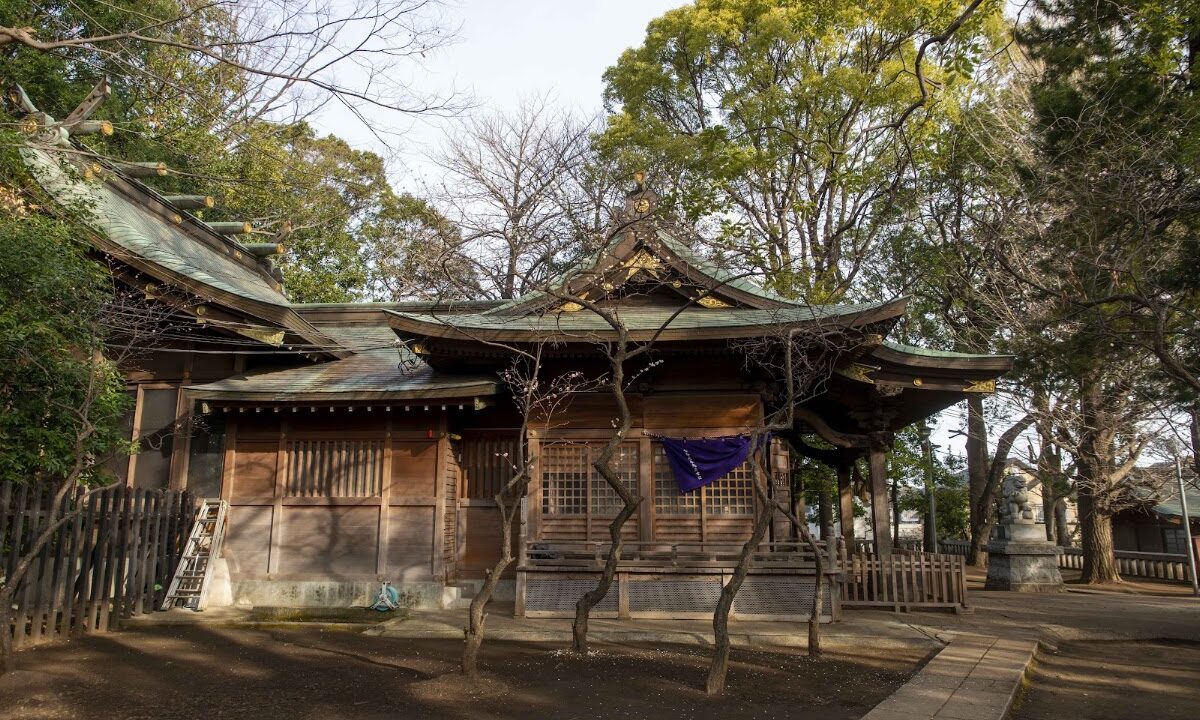
Himonya Hachimangu Shrine (Tokyo) Complete Guide | History, Goshuin (Shrine Seals), Access, and Annual Festival: A Thorough Explanation
Located in Himonya, Meguro Ward, Tokyo, Himonya Hachimangu Shrine is a tranquil shrine surrounded by lush greenery, far removed from the hustle and bustle of the city. With a history dating back to the Kamakura period, it is a venerable Hachimangu shrine dedicated to the guardian deity associated with Hatakeyama Shigetada, a retainer of Minamoto no Yoritomo, and is beloved by the local community. This article provides a detailed explanation of Himonya Hachimangu Shrine’s history, highlights, visiting information, and annual festival.
History and Origins of Himonya Hachimangu Shrine
Origins of its Founding and its Relationship to Hatakeyama Shigetada
The exact founding date of Himonya Hachimangu Shrine is unknown, but it is said to date back to the Kamakura period. According to the shrine’s history, it began with the enshrinement of the guardian deity of Hatakeyama Shigetada, a warrior who served Minamoto no Yoritomo.
Hatakeyama Shigetada was a powerful retainer of the Kamakura Shogunate, renowned for his bravery and loyalty. However, in 1205, he was killed by Hojo Yoshitoki’s forces at Futamatagawa (present-day Asahi Ward, Yokohama City, Kanagawa Prefecture). Following this tragic end, it is said that Shigetada’s retainer, Hanzawa Rokuro, protected the guardian deity, and a man named Miyano Sakon (also known as Miyano Sakon), who lived in the area, enshrined it.
This historical background demonstrates that Himonya Hachimangu Shrine is not merely a local guardian shrine, but a valuable shrine that conveys the spirit of faith and loyalty of the Kamakura samurai to the present day.
As the Guardian Shrine of the Former Himonya Village
Himonya Hachimangu Shrine was the center of local faith as the guardian shrine of the former Himonya Village. Its former shrine rank was Village Shrine, and it has served as a spiritual anchor for local residents from the Edo period through the Meiji, Taisho, and Showa eras.
The name Himonya in Meguro Ward itself is said to originate from the “Inscription Stone” preserved at this shrine, illustrating the deep connection between the shrine and the community. Even today, it remains an integral part of residents’ lives, serving as the center of important local festivals and events.
Highlights and Features of the Shrine Grounds
Beautiful Cherry Blossom-Lined Approach
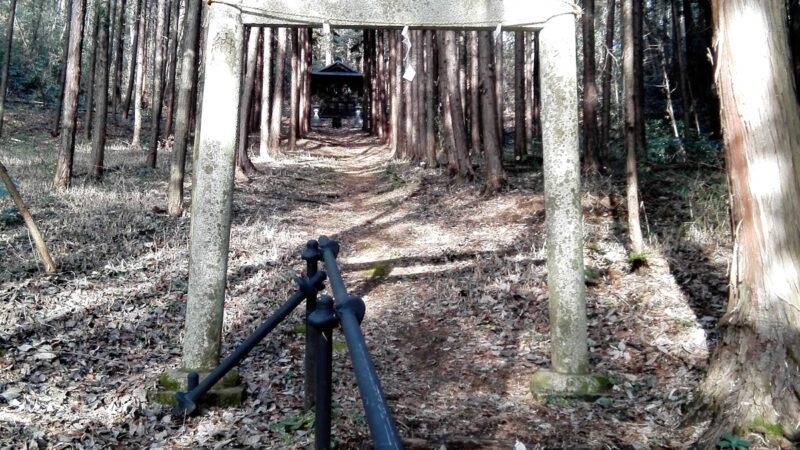
One of the greatest attractions of Himonya Hachimangu Shrine is the approximately 100-meter-long cherry blossom-lined approach from the first torii gate to the second torii gate. A stone torii gate stands at the intersection at the western end of the Tachiaigawa Greenbelt, and the approach leading from there to the shrine grounds becomes a magnificent tunnel of cherry blossoms in spring.
During cherry blossom season, it is known as a popular spot attracting many worshippers and cherry blossom viewers not only from the local area but also from far away. Walking along the approach and admiring the cherry blossoms is a precious experience that allows you to feel the changing seasons even in the heart of the city.
Three Torii Gates and Shrine Grounds
Himoniya Hachimangu Shrine has three torii gates: the first, second, and third torii gates, making it a large shrine for a village shrine. Passing through each gate gives you the feeling of approaching the sacred realm.
The shrine grounds are lush with greenery and, despite being in a residential area of the city, are enveloped in a tranquil atmosphere. The grounds, surrounded by trees, have a calming, otherworldly feel, offering solace to visitors.
Features of the Main Hall and Shrine Buildings
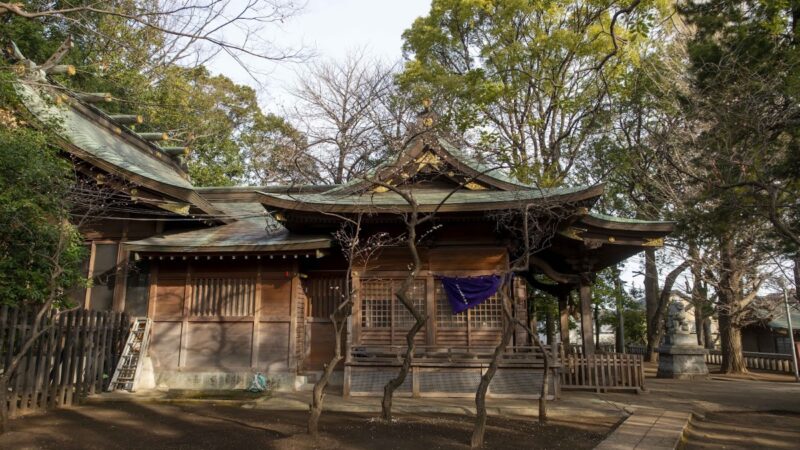
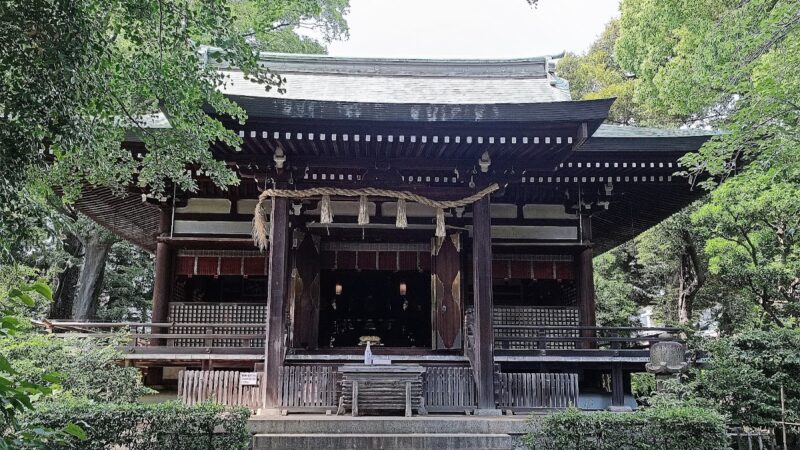
The shrine buildings of Himoniya Hachimangu Shrine are in the Gongen-zukuri style, consisting of a main hall, a protective structure, a offering hall, and a worship hall. The aged main hall exudes a sense of history, and its meticulous maintenance reflects the deep faith of the local people.
In front of the worship hall is a magnificent offering box, and visitors can pray according to the proper etiquette of two bows, two claps, and one bow. A peaceful visit to the shrine grounds will allow you to forget the hustle and bustle of everyday life and refresh both your mind and body.
The Inscribed Stone that Originates the Place Name
Within the shrine grounds, the “Inscribed Stone,” which is said to be the origin of the place name “Himonya,” is carefully preserved. This inscribed stone is an important cultural asset that connects the history of the shrine with the history of the region, and is a must-see spot when visiting Himonya Hachimangu Shrine.
While there are various theories about the origin of the inscribed stone and the content of the inscription, there is no doubt that this stone has been protected for many years as a symbol of the region’s identity. It will be a particularly interesting sight for history buffs.
Goshuin (Shrine Seals) and Souvenirs
About Goshuin (Shrine Seals)
You can receive a Goshuin at Himonya Hachimangu Shrine. It is available at the shrine office, and many visitors have it inscribed in their Goshuincho (stamp book) as a memento of their visit.
The Goshuin (temple/shrine stamp) features the calligraphy of “Himonya Hachimangu” and the shrine’s seal, resulting in a simple yet dignified finish. Those collecting Goshuin should definitely consider obtaining one as a memento of their visit.
Amulets and Offerings
Himonya Hachimangu Shrine also offers various amulets and talismans. Amulets are available to fulfill various wishes, such as traffic safety, family safety, and academic success, making it an object of daily faith for local residents.
Access Information and Visiting Guide
Access by Train
There are several train stations near Himonya Hachimangu Shrine, all of which are accessible on foot.
From Tokyu Toyoko Line “Toritsu-Daigaku Station”
- Approximately 12-20 minutes on foot (approx. 1 km)
- Route southeast from the station, passing through a residential area
From Tokyu Toyoko Line “Gakugei-Daigaku Station”
- Approximately 15 minutes on foot
- Route south from the station
From Tokyu Meguro Line “Nishi-Koyama Station”
- Approximately 15 minutes on foot
- Route northwest from the station
While all routes from these stations pass through residential areas, you can easily reach your destination by using signs and map apps. Enjoying a stroll while walking is also recommended.
Access by Bus
From JR Meguro Station
- Tokyu Bus bound for “Ookayama Elementary School” (approx. 20 minutes)
- Get off at the “Himonya Hachiman-mae” bus stop.
Using the bus will take you directly to the front of the shrine, making it convenient for those who want to shorten their walking distance or on days with bad weather.
Basic Information
Location
3-7-3 Himonya, Meguro-ku, Tokyo
Phone Number
03-3717-6412
Visiting Hours
Grounds are freely accessible (please check the shrine office’s opening hours)
Parking
Available (limited spaces; public transportation is recommended)
Himonya Hachimangu Shrine Annual Festival
Festival Dates and Contents
The Himonya Hachimangu Shrine Annual Festival is held annually on the two days before and the day before Respect for the Aged Day in September (mid-September Saturday and Sunday). In 2025, it was scheduled for September 13th (Sat) – 14th (Sun).
The Annual Festival is the largest festival event in the Himonya area, and the festive atmosphere permeates not only the shrine grounds but also the surrounding area. A joint procession of portable shrines is organized, with shrines from each neighborhood gathering and parading through the streets with energetic shouts. ### Festival Highlights and Atmosphere
During the annual festival, numerous stalls line the shrine grounds. Shooting games, ring toss, goldfish scooping, and stencil cutting – nostalgic stalls reminiscent of the Showa era create an atmosphere enjoyable for both adults and children.
The festival also plays an important role as a place for community interaction, transforming the usually quiet shrine grounds into a vibrant spectacle. The enthusiasm of the young people carrying the portable shrine, the smiles of the children, and the lively atmosphere of the stalls all contribute to a truly immersive experience of a traditional Japanese festival.
Nearby Spots and Tourist Information
Suzume no Oyado Green Park
Within walking distance of Himonya Hachimangu Shrine is “Suzume no Oyado Green Park.” This beautiful park, with its bamboo groves, offers a glimpse of nature in the heart of the city. It’s highly recommended to visit in conjunction with your shrine visit.
Himonya Park
Himonya Park is a spacious park with a boating pond, making it a popular spot for families. Located close to the shrine, it’s perfect for a stroll after your visit.
Sightseeing around Meguro Ward
Meguro Ward has many other attractions. Visiting Meguro Fudo-son (Takisenji Temple), the cherry blossom trees along the Meguro River, and the streets of Jiyugaoka, along with Himonya Hachimangu Shrine, allows you to fully enjoy the charm of the Meguro area.
Visitor Voices and Reputation
Charming Quiet and Peaceful Atmosphere
Many visitors highly appreciate the tranquil atmosphere and lush grounds of Himonya Hachimangu Shrine. Comments include, “A healing spot where you can forget the hustle and bustle of the city,” and “I’m surprised there’s such a wonderful shrine in a residential area.”
Beauty in Cherry Blossom Season
Especially during the spring cherry blossom season, many people visit to admire the beauty of the cherry blossom trees lining the approach to the shrine. It’s popular as a “magnificent tunnel of cherry blossoms” and a “photogenic spot.” It’s known as a hidden cherry blossom viewing spot among locals.
A Shrine Where You Can Feel the History
With its historical connection to Hatakeyama Shigetada and the inscribed stone that gave the place its name, this shrine has a rich historical background and is highly regarded by history-loving visitors. Many visitors comment, “You can feel the history from the Kamakura period,” and “I’m glad I got to see the inscribed stone.”
The Four Seasons of Himonya Hachimangu Shrine
Spring (March-May)
Spring is undoubtedly the season of cherry blossoms. The cherry trees lining the approach to the shrine are in full bloom from late March to early April, making it the most spectacular time of the year. The fresh greenery of the trees in the shrine grounds is also beautiful, offering a refreshing visit.
Summer (June-August)
In summer, the greenery deepens, and the shade of the trees creates a cool atmosphere. The sound of cicadas fills the shrine grounds, creating a distinctly summery feel.
Autumn (September-November)
The annual festival in mid-September is the biggest event of the autumn season. Afterwards, the autumn foliage season arrives, and the trees in the temple grounds change color. Visiting the temple in the refreshing autumn air is a special experience.
Winter (December to February)
In winter, there are fewer visitors, and the atmosphere of tranquility is even more pronounced. While it gets crowded during the New Year’s visit period, it’s a peaceful season for worship at other times.
Manners and Etiquette for Visiting the Temple
How to Pass Through the Torii Gate
The torii gate is the entrance to the sacred area. Before passing through the torii gate, bow once and walk, avoiding the center (seichu) of the path. This is because the center is considered the path of the gods.
How to Wash Your Hands at the Water Basin
Purify your body and mind at the water basin. Hold the ladle in your right hand and wash your left hand, then switch to your left hand and wash your right hand, then switch back to your right hand, receive water in your left hand, and rinse your mouth. Finally, stand the ladle upright and wash the handle.
Proper Worship at the Main Hall
At the main hall, worship follows the ritual of two bows, two claps, and one bow. Place your offering in the offering box, bow deeply twice, clap twice, silently recite your wish, and finally bow deeply once more.
Summary: The Charm of Himonya Hachimangu Shrine
Himonya Hachimangu Shrine is a charming shrine nestled in a residential area of Meguro Ward, Tokyo, where history and nature harmonize. It boasts a long history dating back to the Kamakura period, a deep connection with the warrior Hatakeyama Shigetada, the inscribed stone that gave the area its name, and a beautiful cherry blossom-lined approach to the shrine, among many other attractions.
The quiet grounds, far removed from the hustle and bustle of the city, offer peace of mind to visitors. With its seasonal charms, from the cherry blossoms in spring to the annual festival in autumn, each visit offers something new to discover.
Himonya Hachimangu Shrine offers many attractions throughout the year, including cherry blossoms in spring and the annual festival in autumn. Himonya Hachimangu Shrine boasts a prime location within walking distance of Toritsu-Daigaku Station and Gakugei-Daigaku Station on the Tokyu Toyoko Line, yet offers a rich natural environment and a sense of history. When visiting Meguro Ward, be sure to stop by. You’re sure to experience the charm of this shrine, which has been cherished as the guardian deity of the community for many years.
As the guardian deity of the former Himonya Village and the shrine dedicated to the patron deity of Hatakeyama Shigetada, Himonya Hachimangu Shrine will continue to engrave its history alongside the people of the region.