Tokumochi Shrine (Ota Ward, Tokyo) Complete Guide: History, Goshuin (Shrine Seal), and Access Information
Tokumochi Shrine, located in Ikegami, Ota Ward, Tokyo, is a venerable shrine with a history of approximately 760 years. Formerly known as “Mihatayama Hachimangu,” it served as the guardian shrine of the former Tokumochi Village and was revered as the protector of the local residents. This article provides detailed information useful for visitors, including the history of Tokumochi Shrine, its enshrined deities, highlights of the grounds, goshuin information, and access methods.
Overview of Tokumochi Shrine
Tokumochi Shrine is located at 3-38-17 Ikegami, Ota Ward, Tokyo. Its former shrine rank was unranked. The main deity enshrined is Hondawake-no-Mikoto, also known as Emperor Ojin, the 15th emperor, and Ukanomitama-no-Mikoto is enshrined in the auxiliary shrine.
It is said to have been founded during the Kenchō era (1249-1255), with a divided spirit invited from Usa Shrine in Buzen Province (present-day Oita Prefecture). As the guardian deity of Tokumochi, Ikegami Village, Ebara District, it is a historical shrine that has long been revered by the local people.
Basic Information
- Location: 3-38-17 Ikegami, Ota-ku, Tokyo
- Phone Number: 03-3751-2612
- Former Shrine Rank: Unranked Shrine
- Deities Enshrined: Homutawake-no-Mikoto (Emperor Ojin), Ukanomitama-no-Mikoto
- Annual Festival Date: September 15th
- Visiting Hours: Grounds are freely accessible (Shrine office: 9:00 AM – 5:00 PM)
History of Tokumochi Shrine
From Founding to the Edo Period
Tokumochi Shrine is said to have been founded during the Kenchō era (1249-1255). During this period, which corresponds to the mid-Kamakura period, a divided spirit was invited from Usa Hachiman Shrine in Buzen Province, and the shrine was founded as Hachiman Shrine in Tokumochi, Ikegami Village, Ebara District.
Because its affiliated temple was Tokujōin (Gohatayama Shinshōji), it was also known as “Gohatayama Hachimangu.” This name was familiar to the local people and was used for a long time. The original location was in the Honmura district (southern district) of Tokumochi, near Sōzenji Temple, in what is now Ikegami 7-chome.
Major Relocation in the Meiji Era
A major turning point in the history of Tokumochi Shrine was its relocation during the Meiji era. In 1906 (Meiji 39), the shrine was forced to relocate due to the construction plan for the Ikegami Racecourse (known as the birthplace of the Meguro Memorial).
In May 1908 (Meiji 41), the shrine building was rebuilt at its current location (formerly Tokumochi 809), which was formerly known as “Senbonmatsu.” On September 15th of the same year, the Inari Shrine, which had been located in Tokumochi Kamijuku, was merged with the shrine, and the completion and relocation ceremony was held. With this merger, the shrine’s name was changed from “Hachiman Shrine” to “Tokumochi Shrine.”
Relationship with Ikegami Racecourse
The Ikegami Racecourse, which prompted the relocation of Tokumochi Shrine, was a racecourse that existed from the Meiji era to the early Showa era, and is a historical site that is the origin of the current “Meguro Kinen” race. The fact that the former site of the shrine became the construction site of this racecourse is an interesting episode where the modernization of the region and the history of the shrine intersect.
About the Enshrined Deity
Main Deity: Homudawake-no-Mikoto (Emperor Ojin)
Homudawake-no-Mikoto, the main deity of Tokumochi Shrine, is the 15th Emperor Ojin, and is enshrined as Hachiman-sama in Hachiman shrines throughout Japan. He is revered as the god of military fortune and the god of national protection, and is also worshipped as the god of industrial development and culture.
The Hachiman faith, with Usa Jingu as its head shrine, forms one of the largest groups of shrines in Japan, and Tokumochi Shrine was established as one of its shrines during the Kencho era. Emperor Ōjin is known as an emperor who contributed to the introduction of continental culture and the strengthening of national power, and his divine virtues are wide-ranging.
Enshrined Deity: Ukanomitama-no-Mikoto
Ukanomitama-no-Mikoto, the deity enshrined at the Inari Shrine (which was merged in 1908), is widely worshipped as the god of abundant harvests and business prosperity. Known nationwide as Inari-sama, he is particularly revered by people involved in agriculture and commerce.
By enshrining these two deities, Tokumochi Shrine has become a shrine with a wide range of divine virtues, including military fortune, national peace and security, abundant harvests, and business prosperity.
Highlights of the Shrine Grounds
Shrine Building
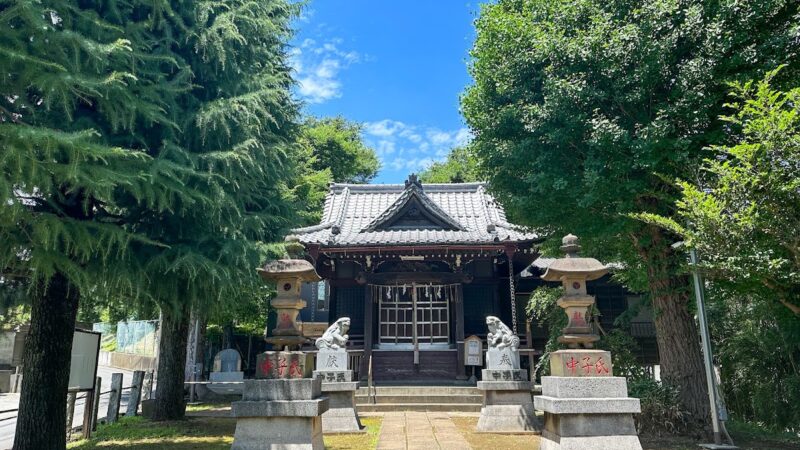
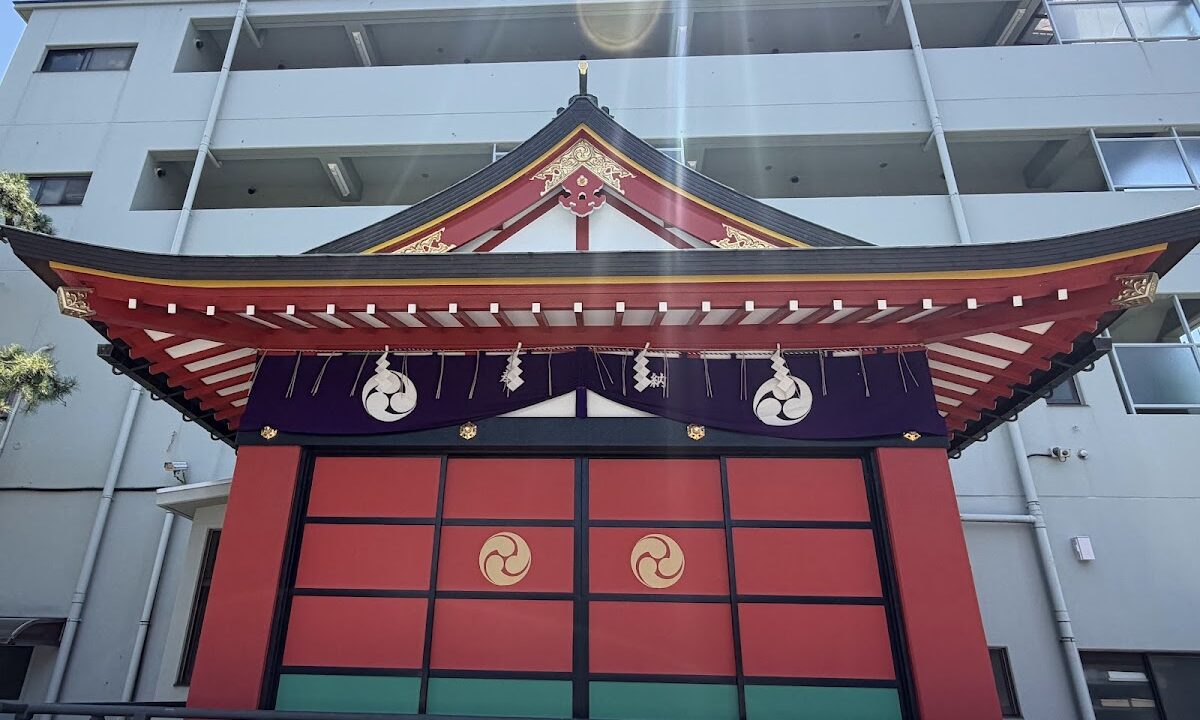
The shrine building, rebuilt in 1908, presents a simple yet dignified appearance. Despite being located in the urban area of Ikegami, Ōta Ward, Tokyo, it maintains a tranquil atmosphere, providing a peaceful space for visitors.
Atmosphere of the Shrine Grounds
Tokumochi Shrine boasts a convenient location, just a 5-minute walk from Ikegami Station, yet offers a tranquil environment far removed from the hustle and bustle. As its location in what was once known as “Senbonmatsu” (Thousand Pine Trees) suggests, it is characterized by its lush green surroundings.
As the guardian shrine of the region, it serves as a place of daily worship for residents, and in the mornings and evenings, you can see locals visiting the shrine while taking a stroll.
Annual Festivals and Events
Tokumochi Shrine holds its annual festival on September 15th, and various Shinto rituals are performed throughout the year. During the festival, local residents gather for traditional ceremonies, and the shrine plays a central role in the community.
Goshuin (Shrine Seal) Information
Issuance of Goshuin
Tokumochi Shrine offers goshuin (shrine seals) to visitors. The shrine office is open from 9:00 AM to 5:00 PM, and you can receive a goshuin during these hours.
The Goshuin (temple/shrine stamp) features the name of Tokumochi Shrine, the date of visit, and the shrine’s seal. Its simple yet dignified design makes it popular among Goshuin collectors.
Notes on Receiving a Goshuin
Since the Goshuin is given as proof of your visit, be sure to complete your prayers before requesting it at the shrine office. Bringing your Goshuincho (stamp book) is common, but sometimes pre-printed Goshuin are available.
Since the shrine may be closed, it is recommended to call ahead to confirm if you are certain you will receive a Goshuin.
Access
Access by Train
The most convenient way to access Tokumochi Shrine is by using the Tokyu Ikegami Line.
5-minute walk from Ikegami Station on the Tokyu Ikegami Line
Ikegami Station is one of the main stations on the Tokyu Ikegami Line, located on the line connecting Gotanda Station and Kamata Station. Leaving the station and heading towards Ikegami Honmonji Temple, you’ll arrive at Tokumochi Shrine after passing through a residential area. Its proximity—just a 5-minute walk—is a major draw, making it easily accessible for worshippers.
Access by Bus
If using Tokyu Bus, get off at the nearest bus stop and it’s a few minutes’ walk. Multiple bus routes pass through the Ikegami area, making it easily accessible from surrounding areas.
Access by Car
If visiting by car, it’s recommended to check in advance whether there’s a dedicated parking lot for the shrine. While there are coin-operated parking lots nearby, congestion is expected during festivals and other events, so using public transportation is recommended.
Nearby Attractions
The Ikegami area, where Tokumochi Shrine is located, is home to Ikegami Honmonji Temple, the head temple of the Nichiren sect, attracting many worshippers and tourists. After visiting Tokumochi Shrine, extending your trip to Ikegami Honmonji Temple is also recommended. Ikegami Honmonji Temple is known for its cherry blossoms and is bustling with visitors during the spring. Furthermore, there is a shopping street around Ikegami Station, allowing visitors to enjoy local cuisine and shopping after their visit to the shrine.
The Charm of Tokumochi Shrine
As a Guardian Deity of the Region
The greatest charm of Tokumochi Shrine lies in its history of being worshipped as a guardian deity by local residents for approximately 760 years, and its continued function as a central hub of the local community. While not a large shrine, its warm, community-rooted atmosphere soothes visitors.
Historical Value
Its history—founded during the Kenchō era of the Kamakura period, invited from Usa Shrine, its alternative name as Mihatayama Hachimangu, and its relocation and renaming due to the construction of the Ikegami Racecourse in the Meiji era—makes it a valuable resource for understanding Tokyo’s local history.
Tranquility in the City
Despite being located in the urban area of Ota Ward, Tokyo, the shrine grounds maintain a quiet and peaceful atmosphere. It is a precious space where one can escape the hustle and bustle of everyday life and worship in a calm and peaceful state of mind.
Manners and Etiquette for Visiting a Shrine
Basic Shrine Visit Etiquette
The basics of visiting a shrine are “two bows, two claps, and one bow.”
- Bow before passing through the torii gate.
- Purify your body and mind at the water basin.
- Bow lightly in front of the main hall.
- Place your offering in the offering box.
- Bow deeply twice.
- Clap your hands twice.
- Bow deeply once.
Clothing and Belongings
There are no specific dress code requirements, but clean clothing that reflects the sacred nature of the place is desirable. Those wishing to receive a Goshuin (shrine stamp) should bring their Goshuincho (stamp book).
History and Culture of the Area Around Tokumochi Shrine
History of Ikegami
Ikegami is known as the place where Nichiren Shonin passed away and is a sacred site of the Nichiren sect. Centered around Ikegami Honmonji Temple, it has a history as a temple town with many temples, and Tokumochi Shrine has played a part in the history of this region.
Origin of the Place Name Tokumochi
The place name “Tokumochi” has been used to refer to this area since ancient times. The shrine’s name also originates from this place name, symbolizing the region’s identity.
Summary
Tokumochi Shrine is a historic shrine located in Ikegami, Ota Ward, Tokyo. Since its establishment during the Kencho era (1256-1264) from Usa Shrine, it has been worshipped as the guardian deity of the region for approximately 760 years. After a historical turning point—relocation due to the construction of the Ikegami Racecourse during the Meiji era—it now resides at its current location.
The shrine enshrines two deities, Emperor Ojin and Ukanomitama-no-Mikoto, and is believed to bestow a wide range of divine blessings, including military success, national peace, abundant harvests, and business prosperity. Its convenient location, just a 5-minute walk from Ikegami Station on the Tokyu Ikegami Line, makes it easily accessible for worshippers.
Despite being located in the heart of the city, the temple grounds offer a quiet and peaceful atmosphere, making it a tranquil haven for local residents and many other visitors alike. Why not combine your visit with a trip to explore the surrounding area, including Ikegami Honmonji Temple?