Tsutsumikata Shrine (Ota Ward, Tokyo) Complete Guide | History, Deities, Access, and Highlights Explained in Detail
Tsutsumikata Shrine, located in Ikegami, Ota Ward, Tokyo, is a quiet shrine situated along Megumi-zaka slope, east of Ikegami Honmonji Temple. This guide provides a detailed introduction to Tsutsumikata Shrine, which conveys the history of the region, from its origins to its highlights within the grounds and information for visitors.
Basic Information about Tsutsumikata Shrine
Tsutsumikata Shrine is located at 1-15-2 Ikegami, Ota Ward, and is conveniently located within walking distance of Ikegami Station. It is situated at the top of Megumi-zaka slope, which extends from near the five-story pagoda of Ikegami Honmonji Temple, next to Omori Fourth Junior High School.
Location: 1-15-2 Ikegami, Ota-ku, Tokyo
Nearest Station: Approximately 10-minute walk from Ikegami Station on the Tokyu Ikegami Line
Deity Enshrined: Ōsazaki-no-mikoto (Emperor Nintoku)
Former Name: Wakamiya Hachiman Shrine
History and Origins of Tsutsumikata Shrine
Founding and the Wakamiya Hachiman Shrine Era
The exact founding date of Tsutsumikata Shrine is unclear, but it is believed to have been established as “Wakamiya Hachiman Shrine” in the early Edo period. The shrine, which long attracted the faith of the local community as Wakamiya Hachiman Shrine, was cherished by the residents as the guardian shrine of the former Tsutsumikata Village.
Shrine Consolidation and Renaming in the Meiji Era
A significant turning point in the history of Tsutsumikata Shrine was the Meiji era’s policy of shrine consolidation. In 1909 (Meiji 42), several shrines scattered throughout the former Tsutsumikata Village were consolidated into Wakamiya Hachiman Shrine. The following shrines were merged:
- Sansho Shrine (formerly known as Kumano Shrine during the Edo period)
- Juni Shrine (formerly known as Juni Ten Shrine during the Edo period)
- Inari Shrine
- Inari Shrine within the shrine grounds
The year after these shrines were merged, in 1910 (Meiji 43), the shrine was renamed “Tsutsumikata Shrine,” after the former place name, “Tsutsumikata Village.” This renaming gave rise to the current shrine name, which is linked to the history of the region.
History of Tsutsumikata Village
The place name Tsutsumikata is thought to originate from the fact that this area was once located near the Tama River embankment. During the Edo period, it formed an independent village called Tsutsumikata Village, where a community centered on agriculture was established. With the implementation of the town and village system in the Meiji era, Tsutsumikata Village merged with surrounding villages, but the name remains in the shrine’s name, preserving the memory of the region to this day.
About the Deity
The deity enshrined at Tsutsumikata Shrine is Ōsazaki-no-Mikoto, also known as Emperor Nintoku.
About Emperor Nintoku
Emperor Nintoku is known as the 16th Emperor of Japan and is a legendary emperor recorded in the *Nihon Shoki* and *Kojiki*. He is known for the anecdote of the “people’s hearths,” in which he exempted the people from taxes after noticing the low amount of smoke from their hearths, and is remembered as an ideal monarch who implemented benevolent rule.
Divine Virtues
Shrines dedicated to Emperor Nintoku are believed to bestow the following divine virtues:
- National Peace and Security
- Abundant Harvests and Industrial Development
- Prosperity of the People and Regional Development
- Health and Longevity
- Family Safety
Tsutsumikata Shrine, as the guardian shrine of the region, continues to watch over the health and prosperity of its parishioners and visitors.
Highlights of the Shrine Grounds
Shrine Building
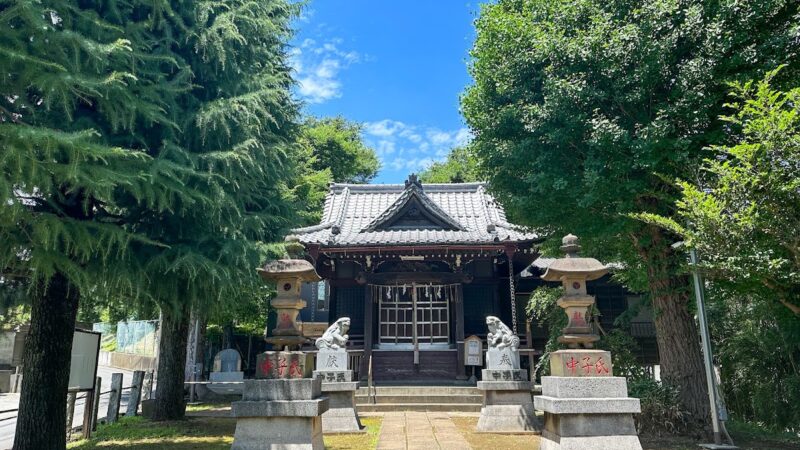
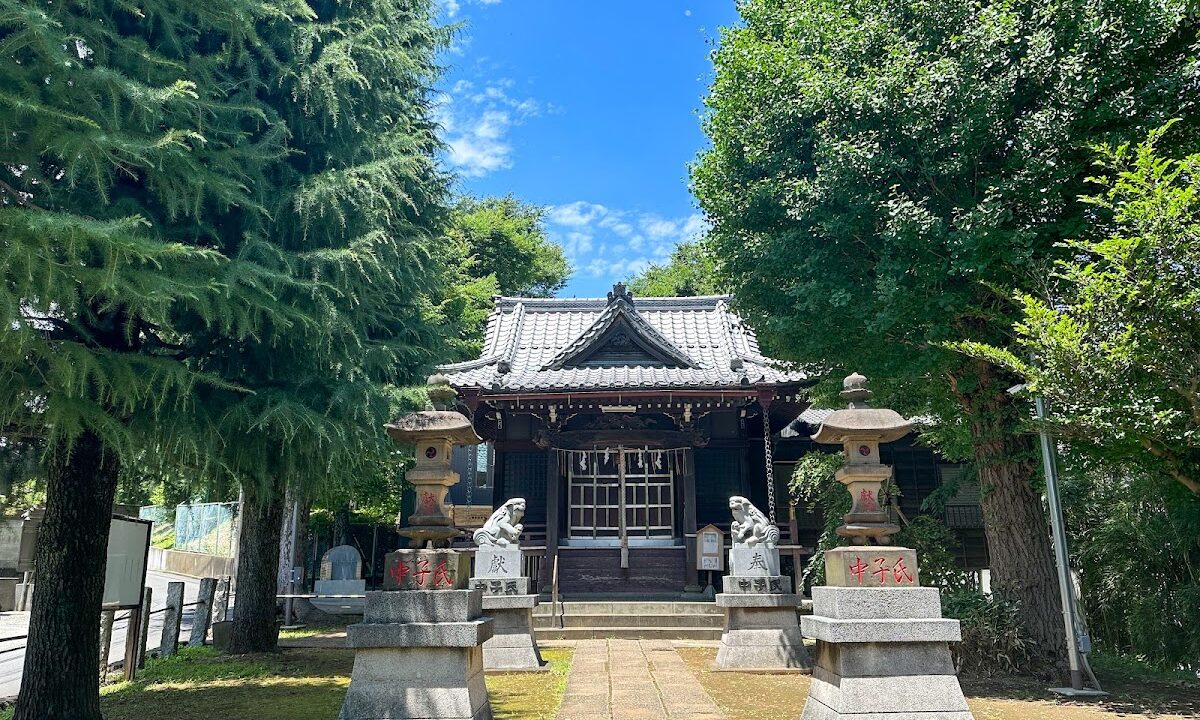
The shrine building of Tsutsumikata Shrine stands quietly amidst a residential area. While not large in scale, the meticulously maintained grounds exude a refreshing atmosphere. In front of the main shrine building is a worship hall welcoming visitors, with the main sanctuary situated behind it.
Komainu (Guardian Dogs)
One of the distinctive highlights of Tsutsumikata Shrine is the komainu (guardian dogs) placed within the grounds. Some visitors describe them as “komainu holding puppies,” and their adorable appearance is striking. Their unique form, different from typical komainu, makes them a popular spot for photography.
Shrine Name Marker
A shrine name marker inscribed with “Tsutsumikata Shrine” stands at the entrance to the grounds. Located along Megumi-zaka slope, it’s easy to find when walking from the direction of Ikegami Honmonji Temple.
Subsidiary Shrine
A subsidiary shrine, descended from an Inari Shrine merged during the Meiji era, is also enshrined within the grounds. This is a unique characteristic of Tsutsumikata Shrine, which has a history of merging multiple shrines.
Access Methods
Access by Train
Approximately 10 minutes on foot from Ikegami Station on the Tokyu Ikegami Line
From Ikegami Station, head towards Ikegami Honmonji Temple and aim for the temple’s five-story pagoda. Take the side path next to the pagoda and descend (or ascend) Megumi-zaka slope to reach Tsutsumikata Shrine.
Approximately 15 minutes on foot from Nishi-Magome Station on the Toei Asakusa Line
While it is also accessible from Nishi-Magome Station, Ikegami Station is more convenient.
Access by Car
Tsutsumikata Shrine does not have its own parking lot. If you are visiting by car, we recommend using nearby coin-operated parking lots or public transportation. Since it is located in a residential area, please avoid street parking.
Landmarks in the Area
- Ikegami Honmonji Temple Five-Storied Pagoda (Important Cultural Property)
- Megumi Slope
- Omori Fourth Junior High School (Ward-run)
- Ikegami Honmonji Temple Main Gate
Points to Note When Visiting
Visiting Hours
Tsutsumikata Shrine is generally open for worship 24 hours, but the shrine office has limited operating hours. Since it is located in a quiet residential area, please be considerate of those around you when visiting early in the morning or late at night.
Visiting Manners
- Bow before passing through the torii gate
- Purify your body and mind at the water basin (omit if there is no water basin)
- Bow twice, clap twice, and bow once in front of the main hall
- Visit the subsidiary shrines within the grounds
- Bow once again at the torii gate when leaving
Recommended Time to Visit
New Year’s Eve and New Year’s Day: The shrine is bustling with local residents during the New Year’s visit period. While not as crowded as large shrines, you can feel the warm, community-oriented atmosphere.
Spring: During cherry blossom season, the surrounding Ikegami Honmonji Temple area is beautiful, making a visit combined with a stroll highly recommended.
Autumn: The pleasant weather makes this a quiet time for worship.
About Goshuin (Temple Seals)
Information regarding Goshuin at Tsutsumikata Shrine is limited, and the shrine office is often unattended, so it is recommended to check in advance if you wish to receive a Goshuin. As it is a small shrine, they may not always be able to accommodate requests.
Those who prioritize Goshuin should plan their visit to include a trip to the nearby Ikegami Honmonji Temple (a temple, but its Goshuin are popular).
Nearby Attractions
Ikegami Honmonji Temple
Located a few minutes’ walk from Tsutsumikata Shrine, this is the head temple of the Nichiren sect. With its five-story pagoda (a nationally important cultural property), magnificent main gate, and vast grounds, it boasts numerous attractions and is known as one of Tokyo’s most famous temples.
Highlights:
- Five-Storied Pagoda (Important Cultural Property)
- Main Gate (Niomon Gate)
- Main Hall
- Shotoen Garden
- Choeido Treasure Hall
Megumi Slope
This slope connects Tsutsumikata Shrine and Ikegami Honmonji Temple. The charming stone steps and slopes make it a popular walking route.
Shopping Street Around Ikegami Station
A traditional shopping street stretches around Ikegami Station, offering a glimpse into the local culture and lifestyle. It’s convenient for meals and rest after visiting the shrine.
Tsutsumikata Shrine’s Connection to the Community
As the Guardian Shrine of the Community
Since the Meiji era, when several shrines were merged, Tsutsumikata Shrine has watched over the area as the guardian shrine of the former Tsutsumikata Village. Even today, it attracts the faith of local residents and serves as a spiritual pillar of the community.
Annual Events
Although a small shrine, it is maintained and managed throughout the year by local residents. Events such as New Year’s visits and annual festivals also serve as opportunities for community interaction.
Quiet Worship Environment
Unlike large-scale tourist shrines, Tsutsumikata Shrine boasts a quiet and peaceful worship environment. It is especially recommended for those who wish to escape the hustle and bustle and pray in peace.
Photography Tips
Here are some photography tips for your visit to Tsutsumikata Shrine:
- Shrine Name Marker: The shrine name marker at the entrance along Megumi-zaka is a classic photo spot to commemorate your visit.
- Komainu (Guardian Dogs): The distinctive guardian dogs are a must-see. Be sure to capture their adorable appearance, as if they are holding puppies.
- Shrine Building: The shrine building viewed from the front beautifully captures the atmosphere of the shrine.
- Panoramic View of the Grounds: The quiet atmosphere of the grounds, nestled in a residential area, is also worth photographing.
Photography Etiquette:
- Please be considerate and avoid disturbing other worshippers.
- Please refrain from taking photos inside the shrine.
- As it is located in a residential area, please be mindful of the surrounding residents.
- Please be careful when handling location information when posting on social media.
Visitor Feedback
The following are comments from people who have actually visited Tsutsumikata Shrine:
- “I visited by walking along the path that continues from the five-story pagoda of Ikegami Honmonji Temple. It’s a quiet and peaceful shrine.”
- “I visited at the end of the year, and there were few people, so I was able to pray in peace.”
- “The guardian lions are so cute! I was soothed by their appearance, as if they were holding puppies.”
- “It’s a shrine quietly nestled in a residential area, and I felt a warmth rooted in the community.”
- “I recommend visiting it together with Ikegami Honmonji Temple.”
Model Course for Visiting Tsutsumikata Shrine
We introduce a model course for visiting and strolling around the Ikegami area, including Tsutsumikata Shrine.
Half-Day Course (Approx. 3 Hours)
- Arrive at Ikegami Station (Start)
- Ikegami Honmonji Temple Main Gate (5-minute walk) – Pass through the magnificent Niomon Gate
- Ikegami Honmonji Temple Five-Storied Pagoda (5-minute walk) – Visit the Important Cultural Property
- Megumi-zaka Slope (3-minute walk) – Stroll along the charming slope
- Visit Tsutsumikata Shrine (20-minute stay) – Pray in peace
- Ikegami Honmonji Temple Main Hall (10-minute walk) – Pray at the main hall
- Shotoen Garden (5-minute walk) – Stroll through the garden
- Lunch near Ikegami Station (10-minute walk)
- Ikegami Station (Goal)
In-Depth Course (Approx. 5 Hours)
The above course includes the following:
- Visit Ikegami Honmonji Temple Choeido (Treasure Hall)
- Ikegami Plum Garden (depending on the season)
- Visiting nearby temples and shrines
- Strolling through the shopping streets
Nearby Shrines and Temples
There are other temples and shrines you can visit around Tsutsumikata Shrine:
Ikegami Honmonji Temple
Distance: 5 minutes on foot
A famous temple of the Nichiren sect. Many sights to see, including the five-story pagoda and the main hall.
Ganjoin Temple
Distance: 10 minutes on foot
One of the sub-temples of Ikegami Honmonji Temple.
Yogenji Temple
Distance: 12 minutes on foot
A sub-temple of Ikegami Honmonji Temple.
Shrine Culture of Ota Ward
Ota Ward has many community-based shrines like Tsutsumikata Shrine. Due to its location along the Tama River, beliefs related to floods and agriculture have developed. Furthermore, the area has a diverse history, including the Kamata area, which flourished as a post town on the Tokaido during the Edo period.
Tsutsumikata Shrine plays a vital role in Ota Ward’s shrine culture, preserving the region’s history and faith.
Notes for Visitors
Please note the following when visiting Tsutsumikata Shrine:
- Located in a residential area: Please be considerate of the surrounding residents and visit quietly.
- Shrine office is not staffed: If you wish to receive a Goshuin (shrine stamp) or other items, please check in advance.
- No parking available: We recommend using public transportation.
- Accessibility Information: Located along Megumi-zaka slope, there are slopes and steps. Visiting in a wheelchair may be difficult.
- Restrooms: There may not be restroom facilities on the shrine grounds. Please use facilities at Ikegami Honmonji Temple or around the station.
- Weather: The slopes can become slippery in rainy weather, so please be careful of your footing.
Summary
Tsutsumikata Shrine is a historic shrine located in Ikegami, Ota Ward, Tokyo. Founded in the early Edo period as Wakamiya Hachiman Shrine, it became the current Tsutsumikata Shrine during the Meiji era through the merger of several other shrines. It enshrines Emperor Nintoku as its main deity and is revered by local residents as the guardian shrine of the area.
Due to its location near Ikegami Honmonji Temple, many visitors combine their visit with a visit to Honmonji Temple, and its quiet and peaceful environment is a major draw. The distinctive guardian lion-dogs and the atmosphere of the shrine grounds nestled in a residential area offer visitors a sense of healing and tranquility.
Unlike large-scale tourist shrines, Tsutsumikata Shrine offers a warmth unique to a community-based shrine. When visiting the Ikegami area, be sure to stop by. A peaceful visit to the shrine will allow you to forget the hustle and bustle of everyday life and gain the strength to move forward with a renewed spirit.