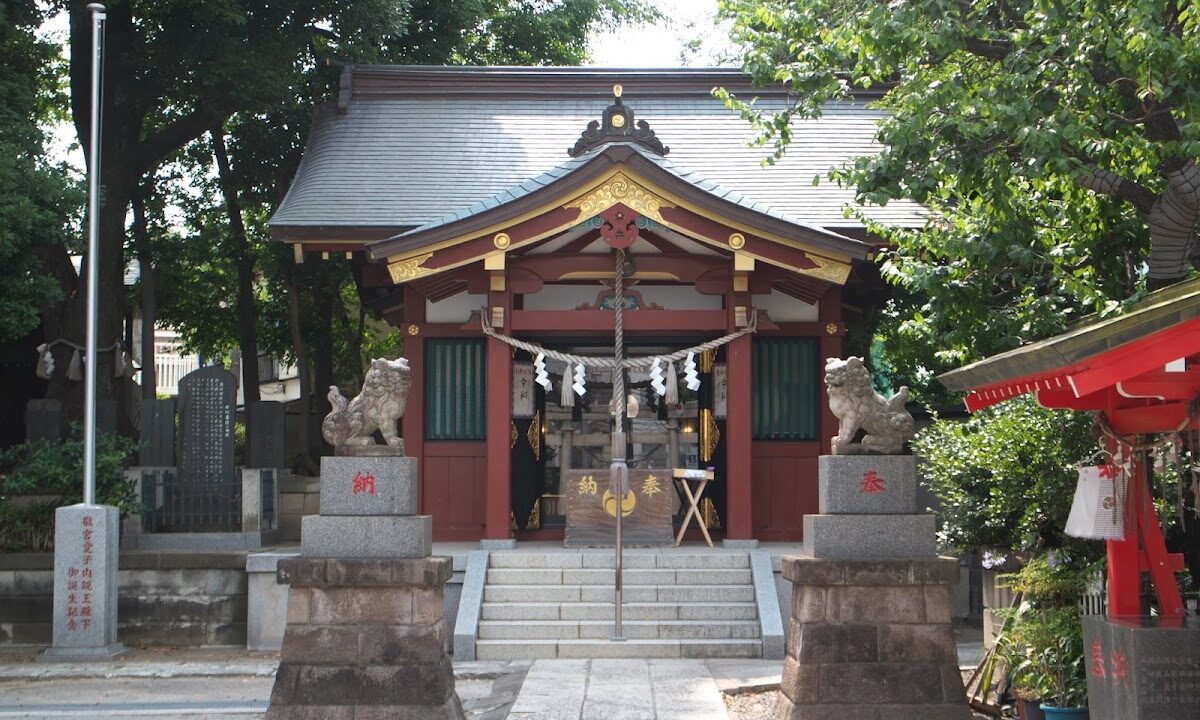
Complete Guide to Onazuka Shrine (Ota Ward, Tokyo) | History, Goshuin (Shrine Seal), and Access Information
Onazuka Shrine, located in Nishikamata, Ota Ward, Tokyo, is a shrine with a unique history, where the modern history of its relocation during the Meiji era due to railway construction intersects with the medieval legend of the Onazuka Kofun (ancient burial mound), which tells the tragic story of the Nanboku-cho period. This article provides detailed information useful for visiting Onazuka Shrine, including its history, enshrined deities, access methods, goshuin information, and annual festivals.
Basic Information on Onazuka Shrine
Location
Address: 6-22-1 Nishikamata, Ota Ward, Tokyo 144-0051
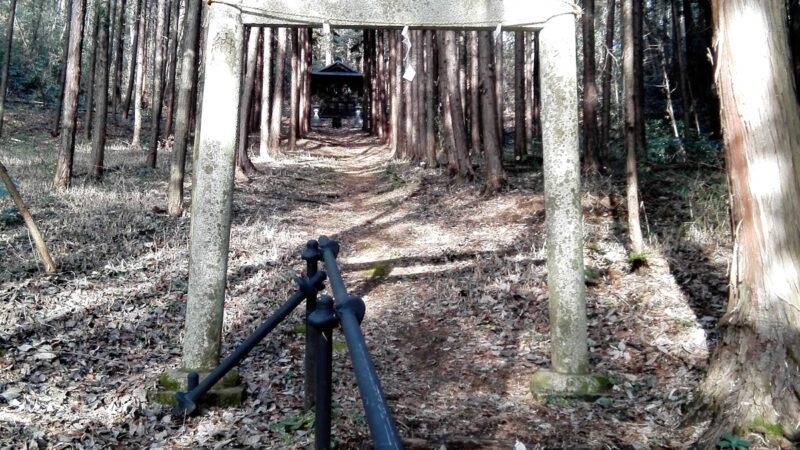
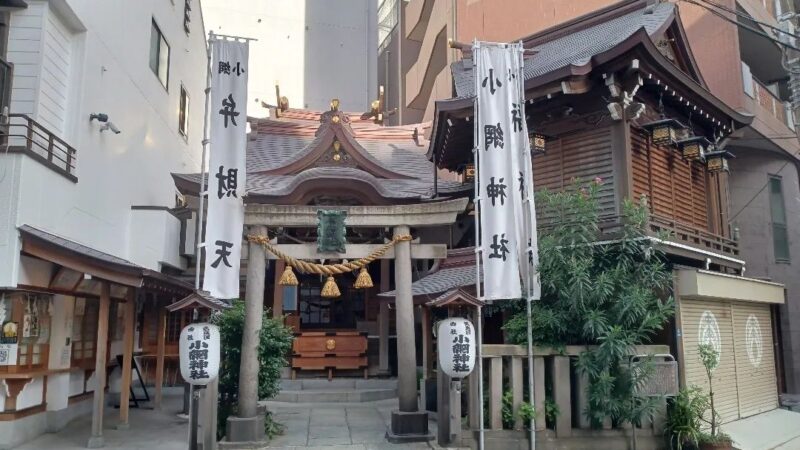
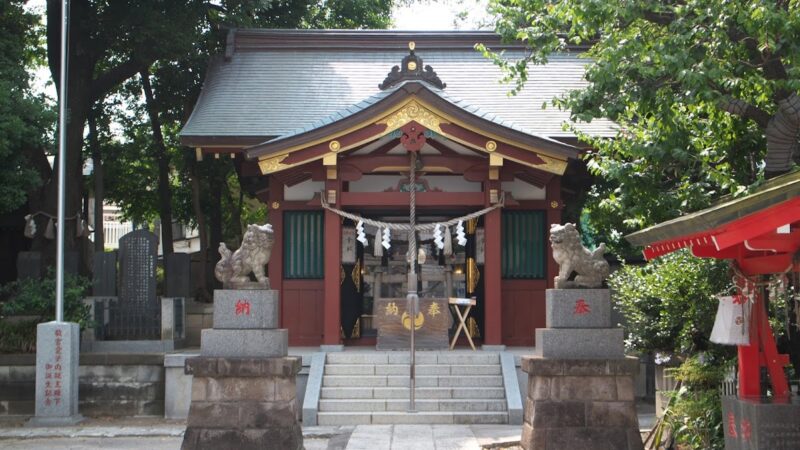
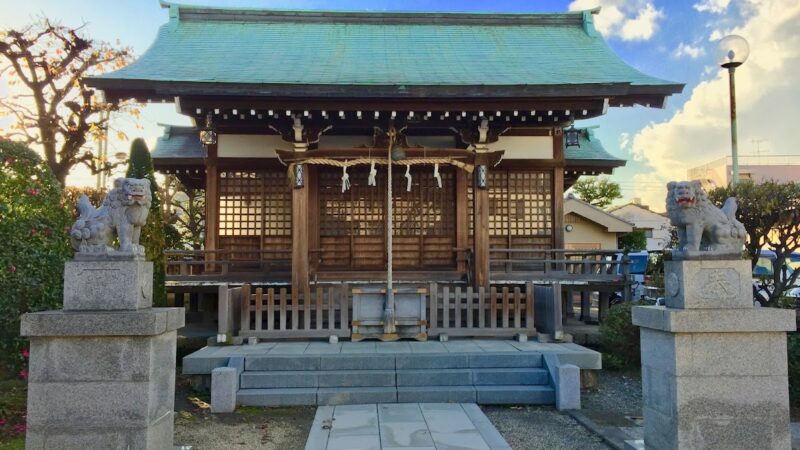
Onazuka Shrine is a shrine quietly nestled in a residential area of Nishikamata, Ota Ward, Tokyo. Although the grounds are compact, they are well-maintained and it is cherished as a local guardian shrine, attracting the faith of the local residents.
Deities Enshrined
Main Deity: Hondawake-no-Mikoto
Hondawake-no-Mikoto is the divine name of Emperor Ojin and is widely revered as the god of military fortune, victory in competitions, safe childbirth, and child-rearing. He is the main deity enshrined at Hachiman shrines throughout Japan, and Onnazuka Shrine also has a history of being called “Hachiman Shrine.”
Shrine Rank and Religious Corporation
Its former shrine rank was Village Shrine. Currently, it is managed as a subsidiary shrine of Kamata Hachiman Shrine.
History and Origins of Onnazuka Shrine
Founding Date and Former Name
The founding date of Onnazuka Shrine is unknown, but it was formerly called Hachiman Shrine and was revered as the tutelary deity of Onnazuka Village and Misono Village. It is believed to have already functioned as a local guardian shrine during the Edo period.
The original location was Onnazuka Village, No. 429, near the current east exit of Kamata Station. This former shrine site is located in the bustling area around Kamata Station, where the Keihin-Tohoku Line runs, suggesting that it was the center of the village before the railway was built in the Meiji era.
Relocation and Renaming in the Meiji Era
The most important turning point in the history of Onnazuka Shrine was the construction of the railway in the Meiji era.
1872 (Meiji 5): The construction of Japan’s first railway, the Shinbashi-Yokohama line (later the Tokaido Main Line and Keihin-Tohoku Line), was decided, and the grounds of the Hachiman Shrine were acquired as railway land.
1888 (Meiji 21): The Hachiman Shrine was relocated to its current location and simultaneously renamed Onnazuka Shrine. This renaming originates from the ancient burial mound called “Onnazuka” that existed at the relocation site. With the relocation, it became the guardian shrine only for Onnazuka Village.
This relocation is a valuable example demonstrating the impact that Japan’s modernization and the development of the railway network had on local religious beliefs. The current Tokyo railway network was formed through the relocation and reorganization of many shrines and temples.
The Legend of the Onnazuka Tumulus and Shōshō no Tsubone
Within the grounds of Onnazuka Shrine lies the Onnazuka Tumulus, from which the shrine derives its name. This tumulus holds a tragic history from the Nanboku-chō period.
The Story of Nitta Yoshioki and Shōshō no Tsubone
Nitta Yoshioki (1331-1358) was the second son of Nitta Yoshisada, who overthrew the Kamakura Shogunate, and a warrior of the Southern Court. In Shōhei 13/Enbun 3 (1358), Yoshioki was murdered at the Yaguchi ferry crossing in Musashi Province (near present-day Yaguchi, Ōta Ward) due to a plot by Ashikaga Takauji.
It is said that Shōshō no Tsubone, a lady-in-waiting who served Yoshioki, also lost her life in loyalty to her lord. The villagers, pitying the young and tragic death of Shosho-no-Tsubone, are said to have built a mound in this place to enshrine her.
This legend is a valuable historical legacy that conveys the Japanese spiritual culture that values the bond between lord and vassal and loyalty. Nitta Yoshioki himself is enshrined at Nitta Shrine (Yaguchi, Ota Ward) near the Yaguchi ferry crossing, and there is a deep historical connection between this shrine and Onnazuka Shrine.
Archaeological Aspects of Onnazuka Kofun
Archaeologically, Onnazuka Kofun is estimated to be a circular burial mound constructed during the Kofun period (around the 6th-7th centuries). While the legend of Shosho-no-Tsubone was added later, it is certain that a mound existed in this area since ancient times and was some kind of object of worship.
Currently, Onnazuka Kofun is preserved within the shrine grounds and is positioned as an important historical site that conveys the history of Ota Ward.
Access and Transportation Information
Nearest Stations and Lines
Onnazuka Shrine is accessible from several train stations.
Hasunuma Station (Tokyu Ikegami Line)
Nearest Station: Hasunuma Station (Tokyu Ikegami Line)
Walking Time: Approximately 5 minutes (approximately 401m)
Access from Hasunuma Station is the most convenient. Exit the station and head southwest through the residential area to reach Onnazuka Shrine. The Tokyu Ikegami Line connects Gotanda Station and Kamata Station and is a commuter line serving the local area.
Kamata Station (JR Keihin-Tohoku Line, Tokyu Tamagawa Line, Ikegami Line)
Station Name: Kamata Station
Walking Time: Approximately 10-12 minutes from the East Exit
It is also within walking distance from Kamata Station, which is served by the JR Keihin-Tohoku Line, Tokyu Tamagawa Line, and Tokyu Ikegami Line. From the east exit of Kamata Station, head towards Loop Route 8 and proceed northeast through the residential area. It is located in a quiet residential area beyond the bustling commercial district in front of the station.
Keikyu Kamata Station (Keikyu Main Line/Airport Line)
Station Name: Keikyu Kamata Station
Walking Time: Approximately 15 minutes
While accessible from Keikyu Kamata Station, it’s a bit of a distance. Convenient access from Haneda Airport.
Nearest Bus Stop/Route
Bus Stop: “Nishi-Kamata 6-chome” or “Hasunuma-cho”
Operator: Tokyu Bus, Keihin Kyuko Bus
Local buses within Tokyo are also available. Buses operating from Kamata Station and Omori Station pass through the Nishi-Kamata area. The shrine is a few minutes’ walk from the bus stop.
Access by Car
Approximately 10-15 minutes from the “Haneda Exit” or “Suzugamori Exit” of the Metropolitan Expressway Route 1 Haneda Line. However, there is no dedicated parking lot on the shrine grounds, so you will need to use nearby coin parking. We recommend visiting on foot or by public transportation.
Location Confirmation on Google Maps
For the latest route search, search for “Onnazuka Shrine, Ota Ward” in a navigation app such as Google Maps. The optimal route from your current location will be displayed.
Goshuin (Shrine Seal) Information
Regarding the Issuance of Goshuin
Onnazuka Shrine offers Goshuin (shrine seals). However, since Onnazuka Shrine is a subsidiary shrine of Kamata Hachiman Shrine, please note the location and method of obtaining the Goshuin.
Issuance Location
Issuance Location: Kamata Hachiman Shrine Office
Address: 4-18-18 Kamata, Ota-ku, Tokyo
Reception Hours: Usually 9:00 AM – 5:00 PM (subject to change)
The Goshuin for Onnazuka Shrine can be obtained at the office of Kamata Hachiman Shrine, the parent shrine. After visiting Onnazuka Shrine, you will need to proceed to Kamata Hachiman Shrine to receive your Goshuin.
Kamata Hachiman Shrine is located about a 5-minute walk from Kamata Station, and about a 15-minute walk from Onnazuka Shrine. Planning a pilgrimage route that includes both shrines would be efficient.
Types of Goshuin (Shrine Seals) and Offering Fees
- Regular Goshuin: Offering fee of approximately 300-500 yen (may vary depending on the shrine)
- Pre-printed Goshuin: Pre-printed goshuin may be available when the priest is absent or during busy periods.
Points to Note When Receiving a Goshuin
- Prior Confirmation: There may be days when goshuin cannot be given due to festivals or the absence of the priest, so if you wish to be sure to receive one, it is recommended to confirm with Kamata Hachiman Shrine in advance.
- Visit First: The goshuin is proof of your visit, so be sure to visit Onnazuka Shrine first before requesting one at Kamata Hachiman Shrine.
- Prepare Your Goshuincho (Shrine Seal Book): You can bring your own goshuincho or purchase one at the shrine.
- Manners: Remember to be grateful to the priest and use polite language.
Online and Mail-Order Services
Since the impact of the COVID-19 pandemic, some shrines may be offering mail-order services. For the latest information regarding this matter, please contact Kamata Hachiman Shrine directly.
Annual Festivals and Events List
Various festivals and events are held throughout the year at Onnazuka Shrine. As it is a shrine under the jurisdiction of Kamata Hachiman Shrine, the rituals are performed by the shrine’s priests.
Main Annual Festivals (Typical)
January
- Saitansai: January 1st, a festival celebrating the New Year
- Dondoyaki: Mid-January, burning of old amulets and talismans
February
- Setsubunsai: Around February 3rd, bean-throwing ceremony, etc. (Often held at Kamata Hachiman Shrine)
- Kigensai: February 11th, a festival celebrating the founding of the nation
April
- Spring Grand Festival: Mid-to-late April, the grand spring festival
June
- Oharai-shiki: June 30th, a Shinto ritual to purify oneself of the impurities accumulated over the past six months
September-October
- Autumn Grand Festival: September-October, the largest festival of the year (Dates vary by year)
- Mikoshi Togyo: The portable shrine (mikoshi) sometimes parades through the community in conjunction with the annual festival.
November
- Shichi-Go-San (7-5-3 Festival): A visit to celebrate the growth of children, held throughout November.
- Niiname-sai (Harvest Festival): November 23rd, a festival to give thanks for the harvest.
December
- Oharai-shiki (Great Purification Ceremony): December 31st, a Shinto ritual to purify oneself of the impurities of the past year.
- Joya-sai (New Year’s Eve Festival): December 31st, a festival marking the end of the year.
Regarding the 2026 Festival Schedule
Specific festival dates may vary from year to year. For detailed festival schedules for 2026, please check the latest information on the Kamata Hachiman Shrine’s official website or by contacting them directly.
Especially if you wish to participate in major events such as the annual festival or the portable shrine procession, it is recommended that you check the schedule in advance.
Highlights of the Shrine Grounds
Onnazuka Kofun (ancient burial mound)
The most important historical site on the shrine grounds is the Onnazuka Kofun. It is still preserved on the grounds and carries on the legend of Shosho-no-Tsubone. The area around the burial mound is well-maintained, allowing for peaceful prayer.
Shrine Building
The shrine building, erected after the relocation in 1888 (Meiji 21), is compact yet possesses a solemn atmosphere. Having survived war and earthquakes, it stands as a testament to the region’s history.
Trees on the Shrine Grounds
Despite being an urban shrine, the grounds retain ancient trees, displaying different appearances with each season.
Nearby Shrines and Temples
Kamata Hachiman Shrine
Location: 4-18-18 Kamata, Ota-ku, Tokyo
Features: The parent shrine of Onnazuka Shrine, and the guardian shrine of the Kamata area.
Kamata Hachiman Shrine is one of the most prestigious shrines in the Kamata area. When visiting Onnazuka Shrine, we highly recommend visiting Nitta Shrine as well.
Nitta Shrine
Location: 1-21-23 Yaguchi, Ota-ku, Tokyo
Features: A shrine dedicated to Nitta Yoshioki
This shrine is dedicated to Nitta Yoshioki, the lord of Shosho-no-Tsubone, who is enshrined at Onnazuka Shrine. It is an important historical site that tells the story of the tragedy at Yaguchi no Watashi and has a deep historical connection to Onnazuka Shrine. It is approximately a 5-minute walk from Musashi-Nitta Station on the Tokyu Tamagawa Line.
Rokugo Shrine
Location: 3-10-18 Higashi-Rokugo, Ota-ku, Tokyo
Features: An ancient shrine associated with Minamoto no Yoritomo
This is a prominent shrine in Ota Ward, and a historical shrine said to have been visited by Minamoto no Yoritomo during his conquest of Oshu.
Manners and Points for Visiting a Shrine
Basic Worship Etiquette
- Bow at the Torii Gate: Bow at the torii gate before entering the shrine grounds.
- Purify at the Water Basin: Purify your hands and mouth at the water basin (pay attention to how you use the ladle).
- Two Bows, Two Claps, One Bow: The basic etiquette in front of the shrine is “two bows, two claps, one bow.”
- Bow Upon Exit: Turn around and bow when leaving the torii gate.
Points for Visiting Onnazuka Shrine
- Respect for Onnazuka Kofun: The Onnazuka Kofun on the shrine grounds is a mound dedicated to Shosho-no-Tsubone. Let’s pay our respects quietly while reflecting on history.
- Consideration for the residential area: As the shrine is located in a residential area, please refrain from loud conversations and noise.
- Photography: Photography is generally permitted on the shrine grounds, but please be considerate of other visitors.
- Take your trash home: If there are no trash cans on the grounds, please be sure to take your trash with you.
Benefits of Onnazuka Shrine
Benefits as Hachiman-sama
The enshrined deity, Homutawake-no-Mikoto (Emperor Ojin), is considered Hachiman-sama and is believed to offer the following benefits:
- Long-lasting military fortune and good luck in competitions: From her aspect as a god of war, she prays for success in competitions and passing exams.
- Safe childbirth and child-rearing: From the anecdote of Empress Jingu, mother of Emperor Ojin, she prays for safe childbirth.
- Protection from evil and good fortune: She wards off disaster and brings good fortune.
- Family safety: She prays for the health and happiness of the family.
Benefits based on the legend of Shosho-no-Tsubone
From the story of Shosho-no-Tsubone’s loyalty and devotion, the following beliefs also exist:
- Protection of women: From the enshrinement of a lady-in-waiting who lost her life at a young age, she prays for the happiness of women.
- Loyalty and sincerity: From her unwavering loyalty to her lord, she prays for sincerity and harmonious relationships.
History of Ota Ward and Onnazuka Shrine
Origins of Ota Ward
Ota Ward was formed in 1947 (Showa 22) through the merger of Omori Ward and Kamata Ward. The Nishikamata district, where Onnazuka Shrine is located, was formerly part of Kamata Ward and has transformed from an agricultural area to an industrial area and then to a residential area.
Railways and Regional Development
The construction of the railway in 1872 (Meiji 5) not only led to the relocation of Onnazuka Shrine but also served as a catalyst for the development of the entire Kamata area. The area around Kamata Station developed into an important transportation hub in southern Tokyo, and today it is a diverse town with a mix of commercial, residential, and industrial areas.
The history of Onnazuka Shrine can truly be considered a living witness to the modernization of Tokyo and the transformation of the region.
Summary: A Recommendation to Visit Onnazuka Shrine
Onnazuka Shrine, located in the urban area of Nishikamata, Ota Ward, Tokyo, is a valuable shrine that conveys two historical events: the tragedy of the Nanboku-cho period and the modernization of the Meiji era.
Its excellent accessibility (a 5-minute walk from Hasunuma Station), the Onnazuka Kofun (ancient burial mound) remaining on the shrine grounds, and the story of Nitta Yoshioki and Shosho-no-Tsubone leave a deep impression on visitors. Since the Goshuin (temple/shrine stamp) is given at Kamata Hachiman Shrine, planning a pilgrimage route that includes both shrines will allow you to gain a deeper understanding of Ota Ward’s history and faith.
Nestled in a quiet residential area, Onnazuka Shrine offers a place to pray while reflecting on history. Be sure to visit it when sightseeing in Tokyo or visiting shrines.