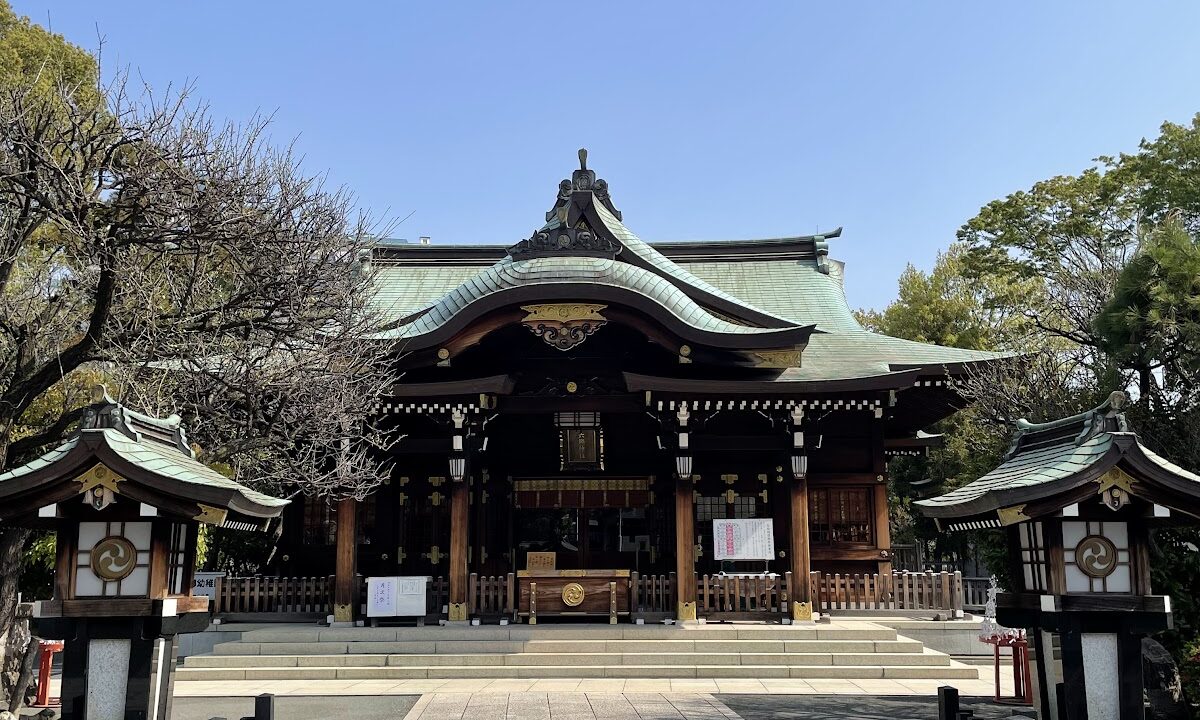
Rokugo Shrine (Ota Ward, Tokyo) Complete Guide | History, Deities, Annual Festival, and Access Information
Rokugo Shrine, located in Higashi-Rokugo, Ota Ward, Tokyo, is a historic Hachiman shrine facing south towards the clear waters of the Tama River. Founded in 1057 (Tenki 5) during the late Heian period, it boasts a nearly thousand-year history as the guardian shrine of the Rokugo area, with legends related to the victory of Minamoto no Yoriyoshi and his son Yoshiie in the Former Nine Years’ War. This article provides a detailed explanation of Rokugo Shrine’s history, enshrined deities, highlights of the grounds, annual events such as the annual festival, wedding ceremonies, goshuin (shrine seals), and access methods.
History of Rokugo Shrine
Origin of its Founding and Deep Connection to the Minamoto Clan
The founding of Rokugo Shrine dates back to 1057 (Tenki 5). According to shrine tradition, when Minamoto no Yoriyoshi and his son Yoshiie set out to pacify Oshu, they raised the Minamoto clan’s white flag on a large cedar tree in this area to gather their army and prayed for long-lasting military fortune at Iwashimizu Hachimangu Shrine. As a result, their morale was greatly boosted, and they were able to achieve victory in the Former Nine Years’ War.
After their victory, Minamoto no Yoriyoshi and his son Yoshiie invited a branch spirit of Iwashimizu Hachimangu Shrine and founded a Hachimangu shrine in this area, which is considered the beginning of Rokugo Shrine. Due to this historical background, Rokugo Shrine has attracted worshippers as a shrine associated with the Minamoto clan and as a god of military fortune.
Engishiki Jinmyocho and Hieda Shrine
Rokugo Shrine is said to have been listed in the Engishiki Jinmyocho as “Hieda Shrine (Hieda Jinja), located in Ebara District, Musashi Province.” This suggests that Rokugo Shrine may have existed even earlier, indicating a long history as a center of local faith.
From the Edo Period to the Present
During the Edo period, it was the guardian shrine of the entire Rokugo area, attracting the faith of local residents. In the Meiji era, it was designated a village shrine. In 1987 (Showa 62), a Gongen-zukuri style worship hall was constructed to commemorate the 930th anniversary of its founding, resulting in its current appearance. Its location near the mouth of the Tama River, east of Dai-ichi Keihin, reflects the geographical importance of Rokugo in the past.
Deities and Divine Virtues
Main Deity: Hondawake-no-Mikoto
The deity enshrined at Rokugo Shrine is Hondawake-no-Mikoto. Hondawake-no-Mikoto is the 15th Emperor Ojin, and is worshipped as Hachiman-shin at Hachiman shrines throughout Japan. Known as a god of war and victory, it is also worshipped as a god of national protection, industrial development, and education.
Divine Virtues
Rokugo Shrine is believed to offer the following divine virtues:
- Victory and Good Fortune: Based on the story of victory in the Former Nine Years’ War, prayers are offered for success in competitions and life’s milestones.
- Protection from Evil and Disaster: As a guardian deity of the region, it protects against disaster.
- Family Safety and Business Prosperity: As the guardian deity of the Rokugo region, it watches over the prosperity of the area.
- Safe Childbirth and Child-Rearing: Based on the legend of Empress Jingu, the mother of Emperor Ojin.
Highlights of the Shrine Grounds
Worship Hall and Main Hall
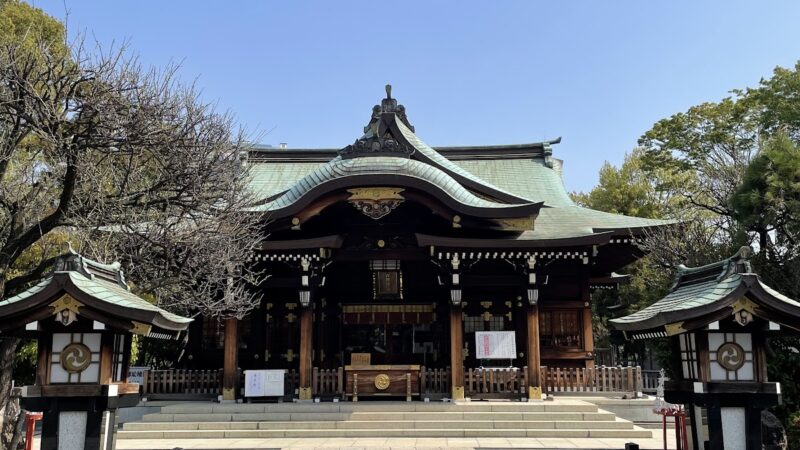
The worship hall, built in 1987 (Showa 62) in the Gongen-zukuri style, conveys the beauty of traditional shrine architecture to this day. The solemn atmosphere of the shrine, combined with its location facing south towards the clear waters of the Tama River, creates a refreshing space where one can face the gods with a clear mind.
Kagura Hall
Within the shrine grounds is a Kagura Hall, where kagura (sacred dance) and taiko drumming are performed during festivals such as the annual grand festival. The taiko drumming performances by the taiko clubs of Rokugo Elementary School and Minami Rokugo Elementary School are particularly symbolic of the shrine’s deep roots in the community.
Shrine Precincts
Several shrine precincts are enshrined within the grounds of Rokugo Shrine, each possessing its own unique divine virtues. By visiting these shrines in addition to the main deity, Homudawake-no-Mikoto, one can receive a more multifaceted blessing.
Shrine Treasures and Cultural Assets
Rokugo Shrine possesses historical shrine treasures. In particular, the precious cultural assets known as the Four Shrine Treasures are important historical documents that tell the story of the shrine’s long history. These treasures demonstrate that Rokugo Shrine is not merely a place of worship, but also plays a role in preserving and passing on the history and culture of the region.
Annual Festival and Regular Events
Rokugo Shrine Annual Festival (June)
The most important festival of Rokugo Shrine is the Annual Festival, held in early June every year. It is known as a grand festival of relatively large scale, with participation from parishioners of the 14 towns of Rokugo.
Main Schedule of the Annual Festival
- June 3rd: Annual Festival Ceremony (Ceremony begins at 11:00)
- First Saturday and Sunday of June: Mikoshi Procession, Festival Stalls, Taiko Drum Club Performance
Highlights of the Annual Festival
During the Annual Festival, a mikoshi procession takes place, with the mikoshi parading through the Rokugo area. Furthermore, the lion dance and drum performances by students from Rokugo Elementary School and Minami Rokugo Elementary School provide a valuable opportunity for children to inherit the region’s traditional culture. Many stalls line the shrine grounds and surrounding area, creating a lively atmosphere for local residents.
September Event Schedule
In September, events such as the Reverence Association’s First-of-the-Month Early Morning Pilgrimage are held. This event, held at 7:00 AM on the first day of each month, is a special opportunity for Reverence Association members to purify their hearts in the quiet morning grounds.
Other Annual Events
- Hatsumode (January 1st-3rd)
- Setsubun Festival (February)
- Shichi-Go-San (November)
- Year-End Purification Ceremony (December 31st)
Various Shinto rituals and events are held throughout the year.
Weddings at Rokugo Shrine
Traditional Shinto wedding ceremonies can be held at Rokugo Shrine. A wedding ceremony at a Shinto shrine is a special ritual where you pledge your eternal love before the gods in a solemn atmosphere rooted in ancient Japanese tradition.
Features of the Wedding
Rokugo Shrine offers wedding packages in partnership with Nikko Hotel, allowing for a smooth Shinto ceremony and reception. Based on the concept of “Nikko Hotel and Rokugo Shrine will create a memorable beginning for the couple,” they respect tradition and formality while offering flexible services to meet modern needs.
Flow of the Ceremony
A Shinto wedding ceremony includes traditional Japanese rituals such as the procession, purification, recitation of prayers, the three-cup ceremony (san-san-kudo), recitation of vows, and offering of sacred branches. It is a precious time to deepen the bond between the two families in a solemn atmosphere.
Proper Worship Etiquette and Knowledge of Shinto
Correct Worship Etiquette
There are basic manners to observe when worshiping at Rokugo Shrine:
- Bow before passing through the torii gate: A courtesy before entering the sacred area.
- Purify your body and mind at the water basin: Purify your left hand, right hand, mouth, and then left hand again.
- Avoid walking in the center of the path: The center is the path of the gods.
- Bow twice, clap twice, and bow once in front of the main hall: Basic worship etiquette.
Knowledge of Shinto
At Rokugo Shrine, you can also learn about the basic knowledge and concepts of Shinto. Shinto is an ancient Japanese faith characterized by respect for nature and ancestors, and a spiritual emphasis on purity. At the shrine, you can gain hints to enrich your daily life through this wisdom of Shinto.
Goshuin (Shrine Seals) and Amulets
Goshuin (Shrine Seals)
At Rokugo Shrine, you can receive a Goshuin. Goshuin are popular as proof of your visit and as a way to preserve your connection with the shrine. If you bring your Goshuincho (seal book), you can have it written directly at the shrine office.
Amulets and Souvenirs
Rokugo Shrine offers a variety of amulets and souvenirs:
- Victory Amulet: An amulet for victory and good fortune
- Exorcism Amulet: An amulet for protection against evil and misfortune
- Safe Childbirth Amulet: An amulet for safe childbirth
- Traffic Safety Amulet: An amulet for traffic safety
- Academic Success Amulet: An amulet for academic improvement
Rokugo Shrine Supporters’ Association
Rokugo Shrine has a Supporters’ Association, which is an important organization supporting the shrine. The Supporters’ Association deepens its ties with the shrine through various events and activities, including early morning visits on the 1st of each month.
Shrine Supporters’ Association Newsletter
The Shrine Supporters’ Association Newsletter is published regularly and contains information on shrine events, Shinto knowledge, and local information. Becoming a member of the Shrine Supporters’ Association allows you to have a deeper connection with the shrine.
Access and Transportation Information
Location
3-10-18 Higashi-Rokugo, Ota-ku, Tokyo
Access by Train
- Approximately 8-10 minutes on foot northeast from Rokugo-Dote Station on the Keikyu Main Line
- Approximately 10 minutes on foot from Zoshiki Station on the Keikyu Main Line
The shrine is located almost midway between Rokugo-Dote Station and Zoshiki Station, and is within walking distance from either station.
Access by Car
The shrine is located east of Dai-ichi Keihin (National Route 15), near the mouth of the Tama River. Please contact the shrine in advance for information on parking availability and other details.
Map
Due to its location near the Tama River embankment, visiting the shrine in conjunction with a stroll along the riverbank is recommended. The surrounding area is a residential area of Rokugo, and you can feel the atmosphere of a shrine deeply rooted in the community.
Nearby Attractions
Tamagawa Riverbank
Rokugo Shrine is located very close to the Tamagawa Riverbank, where you can enjoy walking, jogging, and cycling. You can enjoy the scenery of each season, such as cherry blossoms in spring and fireworks displays in summer.
Around Rokugo-Dote Station
Around Rokugo-Dote Station on the Keikyu Line, you can feel the atmosphere of old Tokyo with its traditional shopping streets and restaurants. It is recommended to stop by before or after visiting the shrine.
Points and Manners for Visiting
Suitable Time for Visiting
Rokugo Shrine is generally open for daytime visits. Visiting in the refreshing morning hours is especially recommended for refreshing both mind and body. Participating in the early morning visit on the first day of the month organized by the shrine’s supporters’ association will provide an even more special experience.
Attire
While casual attire is acceptable, it is preferable to wear clothing that reflects the sacred nature of the place. Especially for wedding ceremonies and prayers, formal attire or equivalent is required.
Photography
Photography is generally permitted on the shrine grounds, but consideration for other visitors is necessary. Please observe proper etiquette, such as refraining from taking photos inside the main hall or during Shinto rituals.
Inquiries
Contact Information
Inquiries to Rokugo Shrine can be made using the following methods:
- Telephone: Please call the shrine office directly.
- Visiting Hours: Please visit during the shrine office’s reception hours.
- Mail: Rokugo Shrine, 3-10-18 Higashi-Rokugo, Ota-ku, Tokyo
For inquiries regarding wedding ceremonies, prayers, joining the worship association, or any other questions, we recommend contacting the shrine in advance.
Relationship with the Tokyo Metropolitan Shrine Association
Rokugo Shrine is a shrine belonging to the Tokyo Metropolitan Shrine Association, and information is also available on the Association’s website. The Tokyo Metropolitan Shrine Association is an organization that oversees shrines in Tokyo and provides general information about shrines.
Summary
Rokugo Shrine, located in Higashi-Rokugo, Ota-ku, Tokyo, is a venerable Hachiman shrine with a history of nearly a thousand years since its founding in 1057. It has a legend related to the victory of Minamoto no Yoriyoshi and his son Yoshiie in the Former Nine Years’ War, and has been revered as a god of military fortune and victory.
As the guardian shrine of the Rokugo area, it is the center of faith for local residents, hosting annual events such as the Grand Festival, weddings, and various prayers. The shrine grounds, facing south towards the clear waters of the Tama River, offer a quiet space for prayer, far removed from the hustle and bustle of the city.
Its convenient location, within walking distance of Rokugo-Dote Station or Zoshiki Station on the Keikyu Line, makes it easily accessible for visitors. Visiting this historic shrine will bring peace of mind and renewed vitality.
While preserving its history and traditions, Rokugo Shrine will continue to watch over many people in the Rokugo area as an open shrine that meets the diverse needs of modern people.