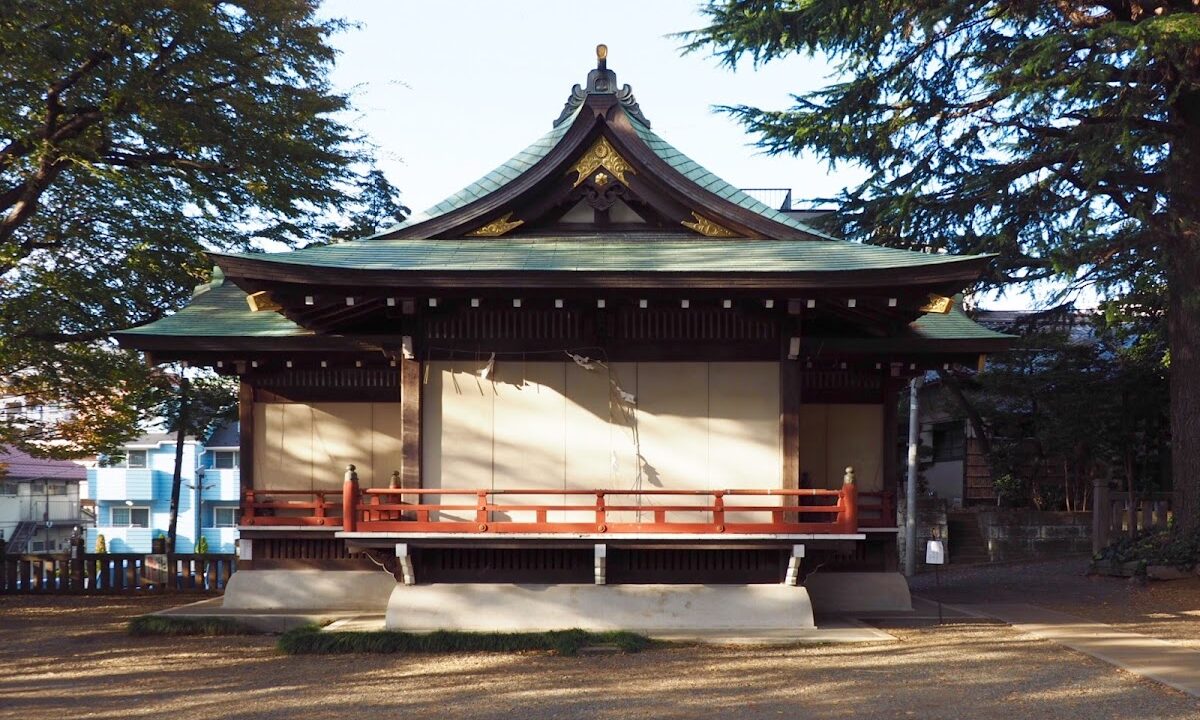
Yoga Shrine (Setagaya Ward, Tokyo) Complete Guide | History, Goshuin (Shrine Seals), Access, and Subsidiary Shrines: A Thorough Explanation
Yoga Shrine, located in Yoga, Setagaya Ward, Tokyo, is a local guardian shrine that was once revered as Shinmei-sha. Due to the Meiji-era shrine consolidation policy, several shrines were merged to form its current state. This article comprehensively introduces useful information for visitors, including the detailed history of Yoga Shrine, highlights of the grounds, goshuin information, and access methods.
Basic Information on Yoga Shrine
Yoga Shrine is easily accessible, located about 4-5 minutes on foot from Yoga Station on the Tokyu Den-en-toshi Line. Despite being situated in a residential area, it maintains a quiet and peaceful atmosphere.
Location: 2-16-26 Yoga, Setagaya-ku, Tokyo 158-0097
Phone Number: 03-3700-7003
Shrine Rank: Former Village Shrine
Deities Enshrined:
- Amaterasu Omikami
- Emperor Ojin
- Emperor Chuai
- Empress Jingu
- Ukanomitama no Mikoto
- Ichikishimahime no Mikoto
- Oyamatsumi no Mikoto
- Sugawara no Michizane
The current enshrinement of eight deities reflects the history of the consolidation of multiple shrines under the Meiji era’s shrine merger policy.
History and Origins of Yoga Shrine
The Development of Yoga Village and the Origins of the Shrine
To understand the history of Yoga Shrine, it is necessary to first understand the origins of Yoga Village. It is said that Yoga Village was developed during the Eiroku-Genki era (1558-1573) by Iida Tatewaki, a retainer of the Later Hojo clan, and his son, Iida Zushō.
Founding as a Shinmei Shrine
The predecessor of Yoga Shrine was a shrine called “Shinmei Shrine.” While the exact founding date is unclear, according to oral tradition, it was an unranked shrine based on Ise faith, attracting the faith of the local people. Shinmei Shrines enshrined Amaterasu Ōmikami as their main deity and were established in various locations during the Edo period when faith in Ise Grand Shrine spread among the common people.
The Existence of Hachiman Shrine (Usa Shrine)
In addition to Shinmei Shrine, Yoga Village also had a village shrine, “Hachiman Shrine” (Usa Shrine), which served as the village’s guardian shrine. This Hachiman Shrine is said to have been established during the Tensho era (1573-1592) by inviting a deity from Tsurugaoka Hachimangu Shrine, and was the official guardian shrine of Yoga Village, enshrining Emperor Ojin, Emperor Chuai, and Empress Jingu.
Shrine Consolidation in the Meiji Era
The most important turning point in the history of Yoga Shrine was the large-scale shrine consolidation that took place on August 11, 1908 (Meiji 41). Due to the Meiji government’s policy of consolidating shrines, the following shrines were merged:
- Tenso Shrine (Shinmei Shrine) – Originally Shinmei Shrine
- Usa Shrine (Hachiman Shrine) – Village shrine and guardian shrine of Yoga Village
- Inari Shrine – Dedicated to Ukanomitama-no-Mikoto
- Itsukushima Shrine – Dedicated to Ichikishimahime-no-Mikoto
- Yamagiwa Shrine – Dedicated to Oyamatsumi-no-Mikoto
- Kitano Shrine (Tenjin Shrine) – Dedicated to Sugawara no Michizane
This consolidation resulted in the deities of multiple shrines being enshrined in one shrine, and it was later renamed “Yoga Shrine” after the local place name.
Development since the Showa Era
During the Showa era, Yoga Shrine underwent development along with the growth of the region. The current shrine building was constructed during the Showa period, and the grounds were also improved to its present form. Even amidst the post-war urbanization, Yoga Shrine continues to attract the faith of local residents as the guardian shrine of the area.
Highlights of the Shrine Grounds
Two Torii Gates and the Approach
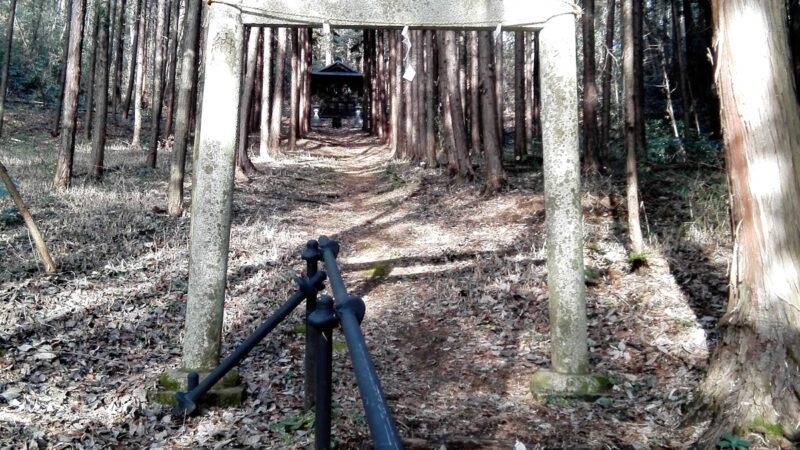
Yoga Shrine has two torii gates. One is on the west side (parking lot side), and the other is on the north side, which is the main approach. Access beyond the west gate is restricted, so the official route for worship is to enter through the north gate.
Passing through the main approach gate, you enter a tranquil space that is hard to believe is located in a residential area. The grounds are not particularly large, but they give the impression of being meticulously maintained and clean.
Main Hall and Worship Hall
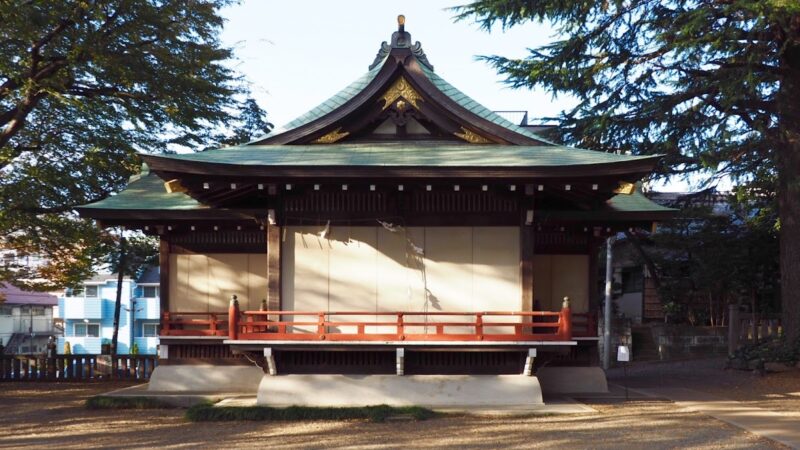
The main hall and worship hall, built during the Showa period, follow traditional shrine architectural styles, but are relatively new buildings and therefore in good condition. In addition to regular worship, prayers for Shichi-Go-San (a traditional Japanese rite of passage for children) and Hatsumiyamairi (a first shrine visit for newborns) are also performed in the worship hall.
Kofuku Inari Shrine
Among the shrines within the grounds, the “Kofuku Inari Shrine,” located to the left of the main hall, is particularly noteworthy. As its name suggests, it is believed to bring happiness and is popular among visitors.
While Inari shrines are widely worshipped as gods of business prosperity and abundant harvests, the Kofuku Inari Shrine at Yoga Shrine, in particular, attracts many visitors praying for family harmony and successful relationships, due to its name, “happiness.”
Flower Water Basin
In recent years, Yoga Shrine’s “flower water basin,” where seasonal flowers are floated in the water basin, has become a popular attraction. The sight of colorful flowers adorning the water’s surface is very photogenic and has become a popular spot on social media. The flower water basin may not be available depending on the season, so be sure to check when you visit.
Goshuin (Shrine Seal) Information
Yoga Shrine offers Goshuin (shrine seals).
Granting Hours: 10:00 AM – 3:00 PM (Hana Goshuin Granting Hours)
Goshuin (temple/shrine stamps) can be received at the shrine office. However, they may not be available if the priest is absent or during festivals, so it is recommended to call ahead to confirm if you wish to receive one.
The goshuin of Yoga Shrine is characterized by its simple yet powerful calligraphy. The shrine’s name, “Yoga Shrine,” is written in the center, “Homage” (奉拝) on the right, and the date of visit on the left. The stamp includes the shrine’s seal and the date stamp.
Depending on the season, special or limited-edition goshuin may be available, so it’s a good idea to check official information and visitor reviews.
Access and Parking Information
Access by Train
Nearest Station: Yoga Station, Tokyu Den-en-toshi Line
Travel Time: Approximately 4-5 minutes on foot from the North Exit of Yoga Station
Yoga Station is located about 15 minutes from Shibuya Station on the Tokyu Den-en-toshi Line, making it easily accessible from central Tokyo. From the station, head northeast through a residential area to reach the shrine. There are signs along the way, so even first-time visitors should be able to find their way without getting lost.
Access by Bus
Nearest Bus Stop: Yoga Shrine Mae (Tokyu Bus) bus stop
Travel Time: Approximately 3 minutes on foot from the bus stop
While it’s easily accessible on foot from Yoga Station, taking the bus will get you closer to the shrine.
Access by Car and Parking
Yoga Shrine does not have its own parking lot, but there is a small coin-operated parking lot next to the shrine. However, parking space is limited, so it is likely to be full on weekends and during festivals.
Yoga is known for having the Yoga Interchange on the Tomei Expressway, and surrounding roads can become congested on holidays. If possible, we recommend using public transportation.
Nearby Coin Parking: There are several coin parking lots around the shrine, but they are all small, so it’s a good idea to check parking information in advance.
Annual Festival and Events
Annual Festival
The annual festival of Yoga Shrine is held in early October every year. On Sunday, the portable shrine procession takes place, and the sight of the shrine parading through the community is a characteristic autumn scene in Yoga.
During the festival, stalls are set up on the shrine grounds and in the surrounding area, attracting many worshippers. Local parishioners and children participate in the portable shrine procession, providing an opportunity to deepen community ties through this traditional event.
Other Annual Events
- New Year’s Visit: January 1st-3rd
- Setsubun Festival: Around February 3rd
- Shichi-Go-San (7-5-3 Festival): October-November
- Year-End Purification Ceremony: December 31st
During the Shichi-Go-San season, many families can be seen receiving prayers at the main hall. Yoga Shrine allows commemorative photos to be taken during the Shichi-Go-San prayer ceremony, allowing families to create precious memories.
Benefits of Yoga Shrine
Yoga Shrine enshrines eight deities, and is therefore believed to offer a variety of blessings.
- Family Safety and Protection from Evil: Divine Virtue of Amaterasu Omikami
- Long-lasting Military Fortune and Good Luck in Competitions: Divine Virtue of Hachiman (Emperor Ojin)
- Business Prosperity and Abundant Harvest: Divine Virtue of Inari (Ukanomitama no Mikoto)
- Improvement in Performing Arts and Beauty: Divine Virtue of Benzaiten (Ichikishimahime no Mikoto)
- Family Prosperity and Matchmaking: Divine Virtue of Yama no Kami (Oyamatsumi no Mikoto)
- Academic Success and Passing Exams: Divine Virtue of Tenjin (Sugawara no Michizane)
In particular, Kofuku Inari Shrine is believed to bring good fortune, and many worshippers visit to pray for happiness in all aspects of life.
Nearby Attractions and Shrines/Temples
When visiting Yoga Shrine, it is recommended to also visit the surrounding shrines and temples.
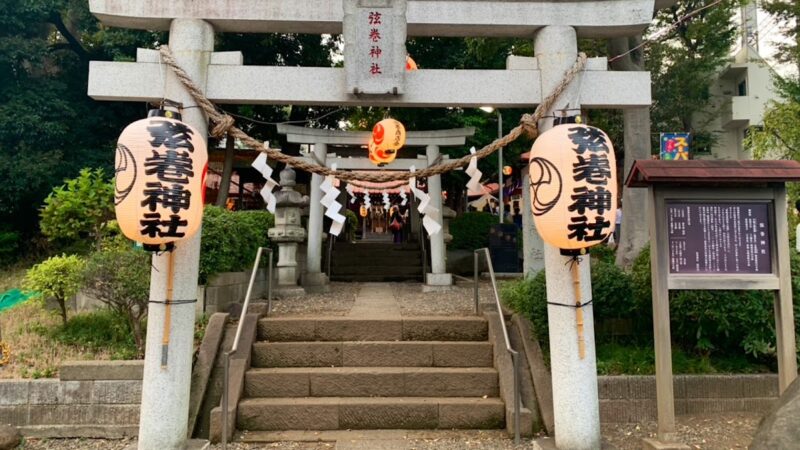
Tsurumaki Shrine
Tsurumaki Shrine, located in Tsurumaki, Setagaya Ward, is within walking distance of Yoga Shrine. Among visitors to the Setagaya shrines, the route from Tsurumaki Shrine to Yoga Shrine is popular.
Setatamagawa Shrine
If you extend your trip towards Futako-Tamagawa, you can also visit Setatamagawa Shrine. Situated on a hill along the Tama River, it offers scenic views.
Komazawa Olympic Park
After visiting the shrines, a stroll through Komazawa Olympic Park is a good idea. This historic park, which was a venue for the 1964 Tokyo Olympics, boasts a vast area with various sports facilities and green spaces.
Manners and Points for Visiting a Shrine
Proper Way to Visit a Shrine
- Bow before passing through the torii gate: This is a sign of respect before entering the sacred area.
- Walk along the edge of the path: The center is considered the path of the gods.
- Purify yourself at the water basin: Left hand → Right hand → Mouth → Left hand in that order.
- Two bows, two claps, one bow: This is the basic way to visit a shrine in front of the main hall.
Photography
Photography is generally permitted on the shrine grounds, but please refrain from taking photos inside the main hall or during prayers. When taking photos at designated photo spots such as the flower basin, please be considerate of other visitors.
Please Visit in Silence
Yoga Shrine is located in a residential area, so please refrain from loud conversations and noisy behavior, and visit quietly. Consideration for surrounding residents is especially important when visiting early in the morning or in the evening.
The Origin of the Name Yoga
There are several theories about the origin of the name “Yoga,” but one theory suggests it is a corruption of “Yōga” (養雅). During the Edo period, it developed as an agricultural area, and it remained known as an agricultural region for a long time after the Meiji era.
After World War II, particularly with the opening of the Tomei Expressway (1968) and the extension of the Tokyu Den-en-toshi Line (1977), Yoga rapidly urbanized. Currently, it is known as an upscale residential area, and its calm living environment is a major attraction.
Summary: The Charm of Visiting Yoga Shrine
Yoga Shrine is the guardian shrine of Yoga, with a history of six shrines being merged during the Meiji era. It enshrines eight deities, offering a variety of blessings, and the Kofuku Inari Shrine, in particular, is popular with visitors seeking happiness.
Despite its convenient location in the city center, the shrine grounds maintain a quiet and peaceful atmosphere, making it an ideal place to escape the hustle and bustle of everyday life and find peace of mind. You can enjoy seasonal decorations such as flower arrangements in the water basin, and you’ll likely discover something new each time you visit.
The area around Yoga Station is also well-equipped with commercial facilities, so you can enjoy shopping and dining before or after your visit to the shrine. Be sure to visit Yoga Shrine as part of your Setagaya Ward shrine tour, or when you’re exploring the Yoga area.
At Yoga Shrine, you can spend a peaceful time quietly praying at this historic shrine and praying for happiness at the Kofuku Inari Shrine.