Complete Guide to Mishuku Shrine (Setagaya Ward, Tokyo) | History, Deities, Access, and Highlights Explained in Detail
Mishuku Shrine, located in Mishuku, Setagaya Ward, Tokyo, is a shrine with a tranquil atmosphere that makes you forget the hustle and bustle of the city. While within walking distance of Sangenjaya Station, the shrine grounds, surrounded by a forest on a hill, offer peace to visitors. This article provides a detailed explanation of everything you need to know before visiting Mishuku Shrine, including its history, deities, highlights within the grounds, and access methods.
Basic Information about Mishuku Shrine
Mishuku Shrine is located at 2-27-6 Mishuku, Setagaya Ward, Tokyo, and is a shrine belonging to the Tokyo Metropolitan Shrine Association.
Location: 2-27-6 Mishuku, Setagaya-ku, Tokyo 154-0005
Phone Number: 03-3414-2962
Annual Festival Date: September 23rd (Autumnal Equinox)
Former Shrine Rank: Former Unranked Shrine
Parish Area: Mishuku 1-chome and 2-chome
The grounds of Mishuku Shrine utilize part of the former site of Tamonji Temple, making it a valuable place that strongly retains the history of Shinto-Buddhist syncretism.
Deities and Benefits of Mishuku Shrine
Main Deity
Mishuku Shrine enshrines two deities.
Ukanomitama-no-Mikoto
Known as Inari, this is the god of food and grains. It is believed to bring blessings of abundant harvests, business prosperity, and industrial development. In the Mishuku area, where agriculture flourished, it was revered as an object of prayer for the prosperity of the region.
Bishamonten
One of the Four Heavenly Kings in Buddhism, worshipped as a god of war and guardian deity. Believed to bring protection from evil, good fortune in competitions, and increased wealth, it has been an object of worship inherited from the Tamonji Temple era. The fact that a Buddhist guardian deity is enshrined within a Shinto shrine is an interesting feature that shows the legacy of the pre-Meiji era’s separation of Shinto and Buddhism.
Shrine within the Precincts
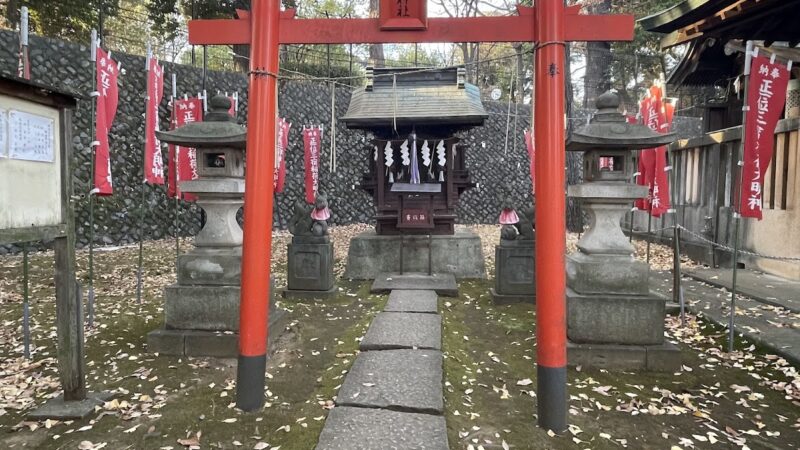
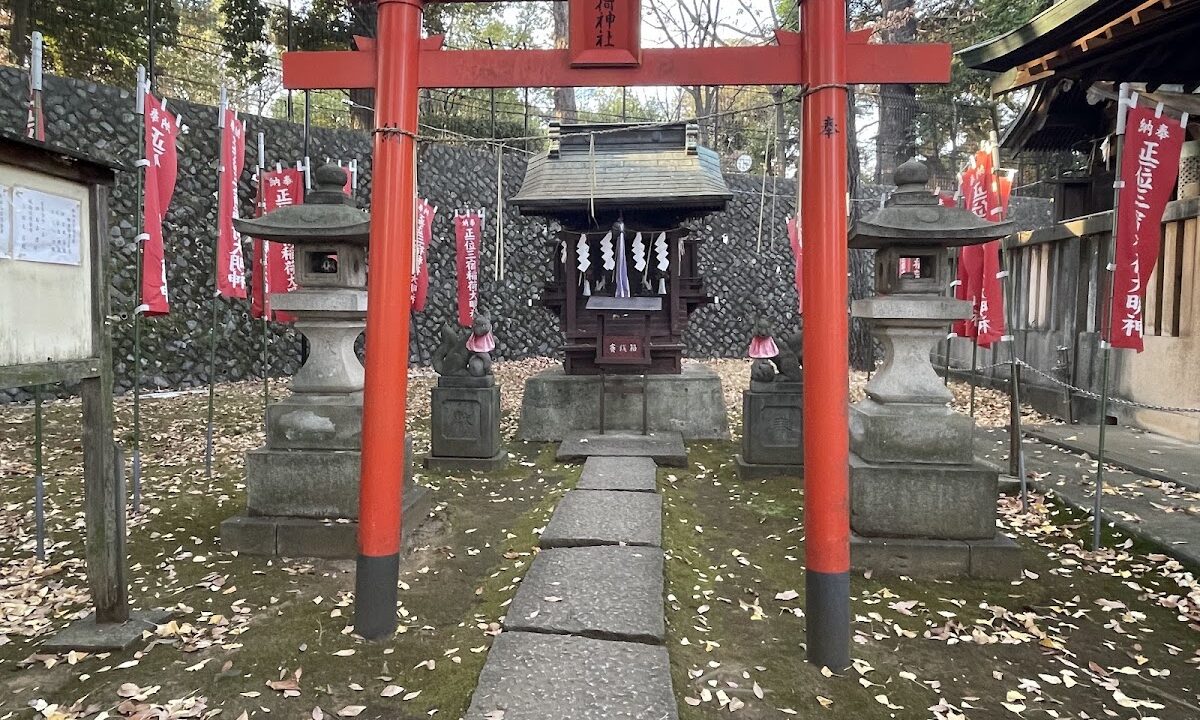
An Inari Shrine is also enshrined within the precincts, where one can deepen their faith in Ukanomitama-no-Mikoto. The small but carefully maintained shrine within the precincts speaks to the deep faith of the local people.
History and Origins of Mishuku Shrine
The Era of Tamonji Castle and Tamonji Temple
Indispensable to understanding the history of Mishuku Shrine is the temple that once existed in this area, Tamonji. Tamonji Temple is said to have been the core of “Tamonji Castle,” which existed in this region during the Sengoku period (Warring States period).
Tamonji Castle is believed to have functioned as an eastern fort of Setagaya Castle, playing an important role as a defensive base in this region. It is thought to have taken the form of a “castle temple,” a unique feature of the Sengoku period, possessing both temple and castle functions.
Tamonji Temple had numerous temple buildings, including the Bishamondo (hall dedicated to Bishamonten), and flourished as a center of local faith. Given Bishamonten’s characteristics as a god of war, it likely attracted the devotion of samurai warriors.
Founding as a Shrine
In 1885 (Meiji 18), Mishuku Shrine was officially founded. This was influenced by the Meiji government’s decree separating Shinto and Buddhism.
Although Tamonji Temple was abolished due to the Shinto-Buddhist separation policy, in order to preserve a place of worship for the local people, a worship hall was added in front of the Bishamondo, which had been part of Tamonji Temple’s temple complex, and a new shrine, “Mishuku Shrine,” was established. Therefore, even today, traces of its temple days remain within the shrine grounds, allowing visitors to feel the history of the syncretism of Shinto and Buddhism.
Named after the local place name “Mishuku,” this shrine has remained a center of the community, consistently attracting the faith of local residents since the Meiji era.
Modern Mishuku Shrine
Nearly 140 years after its founding, Mishuku Shrine continues to be carefully preserved as the guardian deity of the region. It is noteworthy that, in the increasingly urbanized Setagaya Ward, it maintains its lush green grounds and continues to provide a tranquil space for worship.
Highlights of Mishuku Shrine Grounds
Mishuku Forest and Hilltop Location
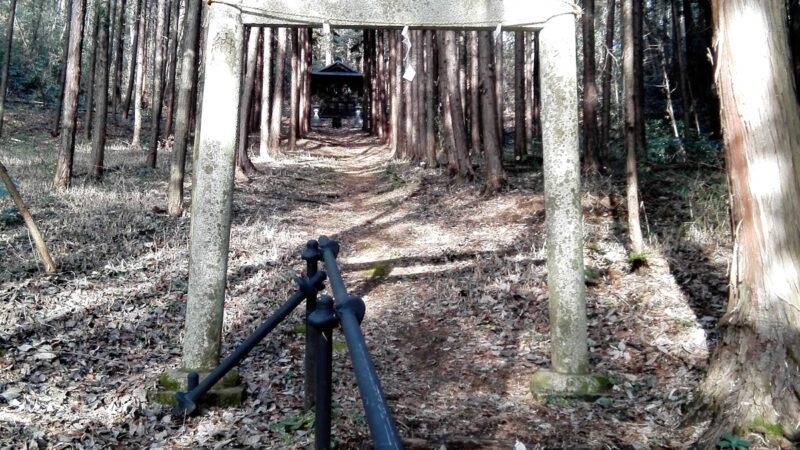
The greatest charm of Mishuku Shrine lies in its lush green environment known as “Mishuku Forest.” Located on a hilltop, the shrine grounds are enveloped in a silence so profound it’s hard to believe you’re in Tokyo.
While the surrounding area is residential, stepping onto the shrine grounds transports you to a different world surrounded by trees. Especially during early morning or weekday visits, you can enjoy a tranquil time where only the chirping of birds can be heard.
Worship Hall and Main Shrine
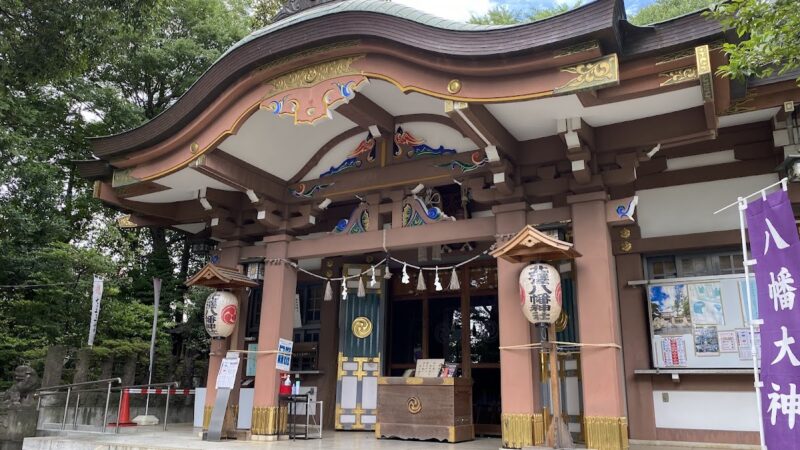
The worship hall, added in 1885 (Meiji 18), presents a simple yet dignified appearance. Built with the Bishamondo (Bishamonten Hall) from the Tamonji Temple era behind it, it is a valuable architectural arrangement that conveys the history of syncretism of Shinto and Buddhism.
The carvings and decorations of the worship hall are understated, but the meticulous maintenance reflects the affection the local people have for the shrine.
Mishuku no Mori Green Space
Adjacent to the shrine is the “Mishuku no Mori Green Space,” a green park managed by Setagaya Ward. A stroll through the park is recommended in conjunction with a visit to the shrine, and it is a beloved oasis in the city for local residents.
Walking paths are maintained within the green space, allowing you to enjoy the nature of each season. Especially during the seasons of fresh greenery and autumn leaves, you can enjoy a leisurely stroll while admiring the beautiful scenery.
Relationship with Karasuyama River Greenway
Near Mishuku Shrine is the “Karasuyama River Greenway,” which utilizes the former site of the Karasuyama River. Although the river is now underground, it has been developed as a greenway and is bustling with people enjoying walks and jogs.
When walking from Ikejiri-Ohashi Station to Mishuku Shrine, the route along the Karasuyama River Greenway is a pleasant path surrounded by greenery.
How to Access Mishuku Shrine
Access by Train
From Sangenjaya Station on the Tokyu Den-en-toshi Line
- Approximately 12 minutes on foot (approx. 900m)
- Exit the South Exit and proceed along Setagaya-dori towards Ikejiri, then head towards Mishuku.
From Ikejiri-Ohashi Station on the Tokyu Den-en-toshi Line
- Approximately 14 minutes on foot (approx. 1.1km)
- Exit the West Exit and head south along the Karasuyama River Greenway; this route offers beautiful scenery and is highly recommended.
Access by Bus
From the Mishuku Bus Stop (Tokyu Bus)
- Approximately 5 minutes on foot
- This is the closest access method.
- Tokyu buses operate from Shibuya Station, Sangenjaya Station, etc.
Access by Car
The shrine does not have its own parking lot, so we recommend using public transportation. If you are coming by car, please use a nearby coin-operated parking lot.
Located in a residential area, some roads are narrow. Access on foot is recommended.
Annual Festivals and Events of Mishuku Shrine
Grand Festival (September 23rd)
The most important festival of Mishuku Shrine is the Grand Festival, held annually on September 23rd (Autumnal Equinox). Residents of Mishuku 1-chome and 2-chome, the shrine’s parish area, gather for a portable shrine procession and dedication ceremonies.
As a traditional local event, it has been passed down through generations, and the usually quiet shrine grounds become bustling with many worshippers on the day of the Grand Festival.
Unique Handclapping Ceremony “To-jime”
Mishuku Shrine has a unique handclapping ceremony called “To-jime.” This is performed at a slower tempo than normal handclapping, at a rhythm similar to a person’s pulse.
The ritual of clapping hands a total of 10 times, “Shashashan, shashashan, shashashan, shan,” is a unique tradition of Mishuku Shrine that is still passed down today. This hand-clapping ritual, performed at local festivals and events, has become one of Mishuku’s cultural identities.
About Goshuin (Shrine Seals)
Mishuku Shrine does not currently offer goshuin. Due to the size of the shrine and the structure of the shrine office, it is difficult to provide goshuin.
We recommend visiting the shrine not for the purpose of obtaining a goshuin, but to calm your mind in the quiet grounds. The atmosphere of the shrine itself is a charm that makes it worthwhile to visit.
Manners and Enjoyment of Visiting a Shrine
Etiquette for Visiting a Shrine
- Bow Before Passing Through the Torii Gate
As a sign of respect before entering the sacred area, bow before the torii gate before entering the shrine grounds.
- Purifying at the Water Basin
Purify your left hand, then your right hand, then your mouth, and finally wash the handle of the ladle.
- Worship at the Main Hall
Worship using the two bows, two claps, and one bow ritual. Place your offering in the offering box, ring the bell, and then bow.
Recommended Visiting Times
While Mishuku Shrine is open 24 hours a day, there are particularly recommended times to visit.
Early Morning (6:00 AM – 8:00 AM)
You can worship peacefully in the tranquil grounds, listening to the birdsong. Worshiping in the refreshing morning air is especially wonderful.
Weekday Mornings
On weekdays, only a few locals visit, allowing for a calm and peaceful worship experience. A visit combined with a stroll through Mishuku Forest Green Space is recommended.
Attractions Around Mishuku Shrine
Sangenjaya Area
The area around Sangenjaya Station is a charming area where a shopping street retaining a Showa-era retro atmosphere coexists with stylish cafes and restaurants. It’s perfect for dining and shopping after visiting the shrine.
Ikejiri-Ohashi/Mishuku Area
There are many spots where you can enjoy nature, such as Setagaya Park and the walking paths along the Meguro River. The cherry blossom trees along the Meguro River are particularly famous as a spring attraction.
Other Shrines in Setagaya Ward
Setagaya Ward has many historical shrines. A shrine pilgrimage, including a visit to Mishuku Shrine, is also recommended.
Origin of the Name Mishuku
The name “Mishuku” is thought to originate from a post town during the Edo period. It is believed to have been a settlement that developed along the Oyama Highway (near the current National Route 246) and was called “Mishuku” because it had three post town functions.
Although the area has now developed into a residential area, remnants of the former topography and natural environment can still be felt in places like the Karasuyama River Greenway and Mishuku Forest.
Reasons why Mishuku Shrine is cherished
There are reasons why Mishuku Shrine is still carefully preserved in Setagaya Ward, an area undergoing rapid urbanization.
A core of the local community
Through annual events, including the grand festival, it serves as a place for interaction among local residents. The parishioners’ organization functions effectively, ensuring the maintenance and management of the shrine.
A valuable green space
The greenery within the shrine grounds, preserved as Mishuku Forest, is a valuable natural environment in an urban area. It contributes to the conservation of biodiversity and the mitigation of the urban heat island effect.
Historical value
As a place that conveys the history of Tamonji Castle and Tamonji Temple, it plays an important role in local history education.
Voices of visitors
The following are some of the comments received from people who have visited Mishuku Shrine.
“I was soothed by the tranquility, which is hard to believe is in Tokyo. Because it’s located on a hill, the view from the grounds is also wonderful, making it a truly peaceful place.”
“I didn’t know there was such a quiet shrine within walking distance of Sangenjaya. You can feel the atmosphere of how much it’s cherished by the locals.”
“I accessed it by walking along the Karasuyama River Greenway, and it was a pleasant journey surrounded by greenery. Combined with the shrine’s forest, I thoroughly enjoyed this urban oasis.”
Summary: The Charm of Mishuku Shrine
Mishuku Shrine, though not large in scale, is a shrine worth visiting for its tranquil space away from the hustle and bustle of the city, its valuable historical site of Shinto-Buddhist syncretism, and its deeply rooted community faith.
Mishuku Shrine enshrines two deities, Ukanomitama-no-Mikoto and Bishamonten, and bestows blessings for abundant harvests, business prosperity, and protection from evil. Its convenient location, easily accessible from Sangenjaya and Ikejiri-Ohashi, makes it an attractive place for a casual visit while taking a stroll.
On the day of the annual festival, you can experience the local traditional culture, and on other days, you can find peace and tranquility in the quiet shrine grounds. Visiting it along with Mishuku no Mori Green Space and Karasuyama River Greenway will allow you to fully enjoy nature in the heart of the city.
When you visit Setagaya Ward, be sure to stop by Mishuku Shrine. It will be a memorable pilgrimage experience where you can feel history, nature, and the warmth of the local people.