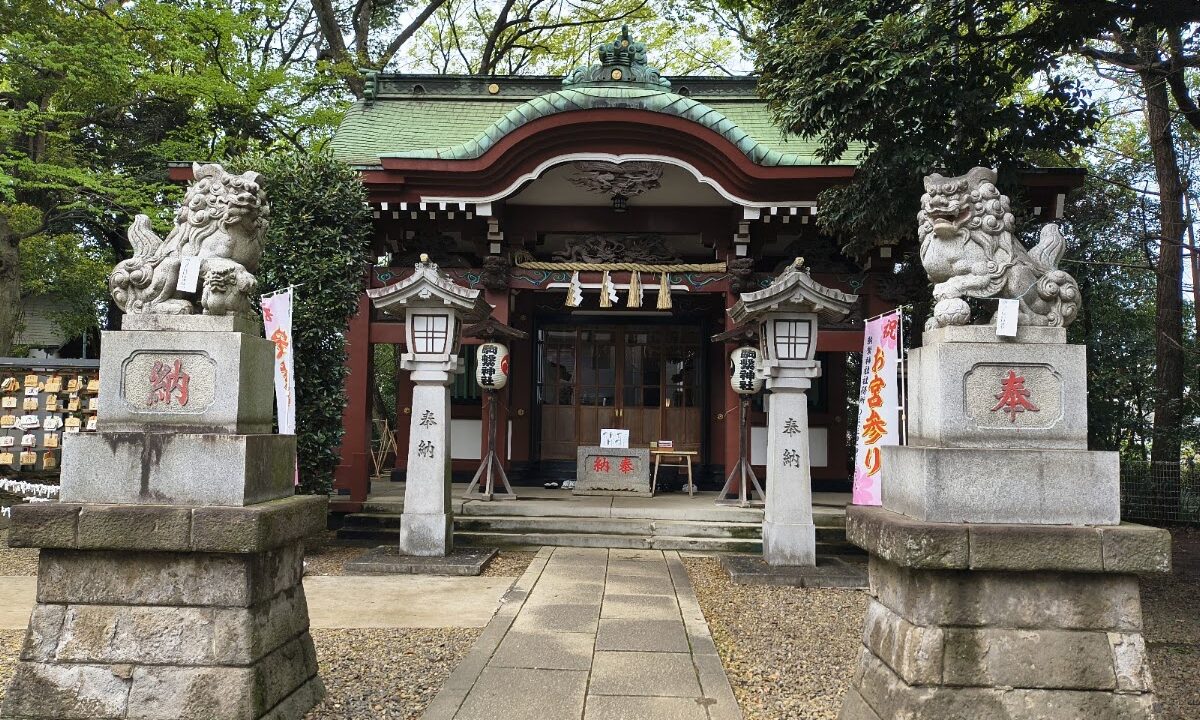
Komatsunagi Shrine (Setagaya Ward, Tokyo) Complete Guide | The God of Children with ties to the Minamoto clan, Goshuin (shrine seal), and Access Information
Komatsunagi Shrine, located in Shimouma, Setagaya Ward, Tokyo, is a historic shrine with a legend that Minamoto no Yoritomo tethered his beloved horse there to pray for victory in battle. It was formerly known as “Ne no Kami” (God of Children) or “Ne no Myojin” (Child God) and was beloved by the local people. This article provides a detailed explanation of everything you need to know before visiting Komatsunagi Shrine, including its history, enshrined deities, goshuin (shrine seal), highlights of the grounds, and access information.
Basic Information about Komatsunagi Shrine
Location: 4-27-26 Shimouma, Setagaya-ku, Tokyo 154-0002
Phone Number: 03-3414-8369
Shrine Rank: Former Unranked Shrine
Former Area: Guardian shrine of the former Shimouma Hikisawa Village
Reception Hours: 9:00 AM – 5:00 PM (Goshuin stamp issuance hours: 9:30 AM – 4:30 PM)
Parking: 3 spaces (Free)
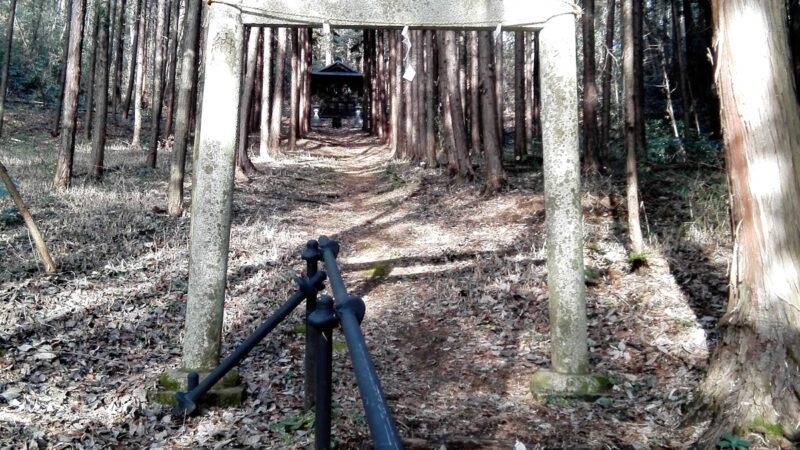
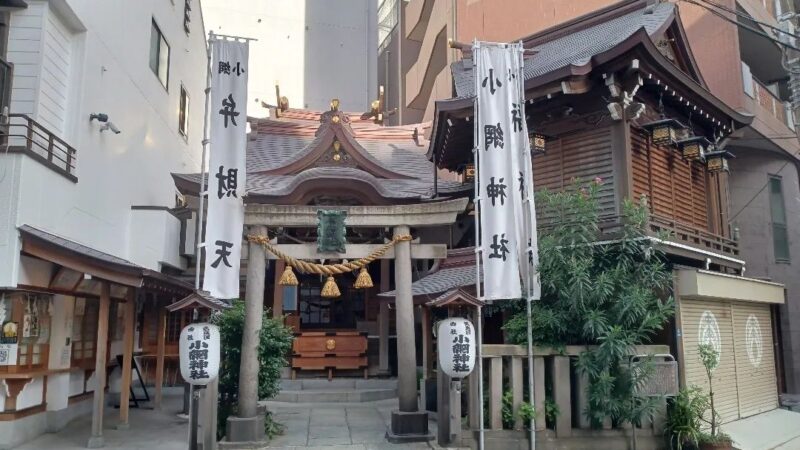
Komatsunagi Shrine is a shrine that has been revered by local residents as the guardian shrine of the Shimouma area in Setagaya-ku. The shrine grounds, quietly nestled in a residential area, are enveloped in a tranquil atmosphere that makes you forget the hustle and bustle of the city.
History of Komatsunagi Shrine
Founding and Heian Period History
The exact founding date of Komatsunagi Shrine is unknown, but it is presumed to have existed since the Heian period. In April of Tenki 4 (1056), Minamoto no Yoshiie, on his way to Oshu (northern Japan) with his father, Lord Yoriyoshi, on orders from the imperial court, is said to have stopped at this shrine to pray and rest before passing through this area.
This record indicates that the shrine was already functioning as a religious site at least by the mid-11th century. From that time, it enshrined Okuninushi-no-Mikoto as its principal deity and attracted the faith of the local people.
The Legend of Minamoto no Yoritomo and Komatsunagi
The origin of the name Komatsunagi Shrine dates back to July of Bunji 5 (1189). When Minamoto no Yoritomo was on his way to Oshu to subdue Fujiwara no Yasuhira, he stopped at this shrine to pray for victory. It is said that Lord Yoritomo tied his beloved horse to a pine tree in the shrine grounds, and that the tree came to be called “Komatsunagi no Matsu” (Horse-Tying Pine). Later, the shrine itself came to be called “Komatsunagi Shrine.”
This legend demonstrates the deep connection between the Minamoto clan and our shrine, and is the reason why it is still known today as a “shrine associated with the Minamoto clan.”
From the Edo Period to the Present
Throughout the Edo period, Komatsunagi Shrine was revered by the local people as the guardian shrine of Shimoumahikisawa Village. Although it was classified as an unranked shrine in the Meiji era, its role as a center of faith in the region remained unchanged.
In 1956 (Showa 31), a grand festival was held to commemorate the 900th anniversary of its founding, and in 2006 (Heisei 18), a grand festival was held to commemorate the 950th anniversary, celebrating milestones in the shrine’s long history. Even today, it remains an important shrine in Setagaya Ward, attracting many worshippers.
Deities and Benefits
Okuninushi-no-Mikoto
The deity enshrined at Komatsunagi Shrine is Okuninushi-no-Mikoto. Okuninushi-no-Mikoto is an important deity in Japanese mythology, also known as the principal deity of Izumo Taisha Shrine. Widely worshipped as a god of nation-building, agriculture, and commerce, it is particularly known for the following blessings:
Main Blessings:
- Matchmaking: Success in love, prayers for good relationships
- Prayers for Safe Childbirth: Worshipped as a god of safe childbirth due to its alternative name, “God of Children”
- Good Fortune: Business prosperity, family safety
- Protection from Evil: Protection from disasters, recovery from illness
- Prayers for Victory in Battle: Due to its history as a place of prayer for the Minamoto clan’s warriors
Worship as “God of Children”
Komatsunagi Shrine was formerly called “God of Children” or “Child Myojin.” This “child” refers to the rat (子) of the Chinese zodiac, and is associated with the rat, the messenger of Okuninushi-no-Mikoto. Furthermore, due to the character “child,” it has attracted worship from pregnant women and families with children as a god of fertility and safe childbirth.
Even today, many worshippers visit the shrine to pray for safe childbirth and for their child’s first shrine visit, making it an important shrine for local families raising children.
Highlights of the Shrine Grounds
Main Hall and Worship Hall
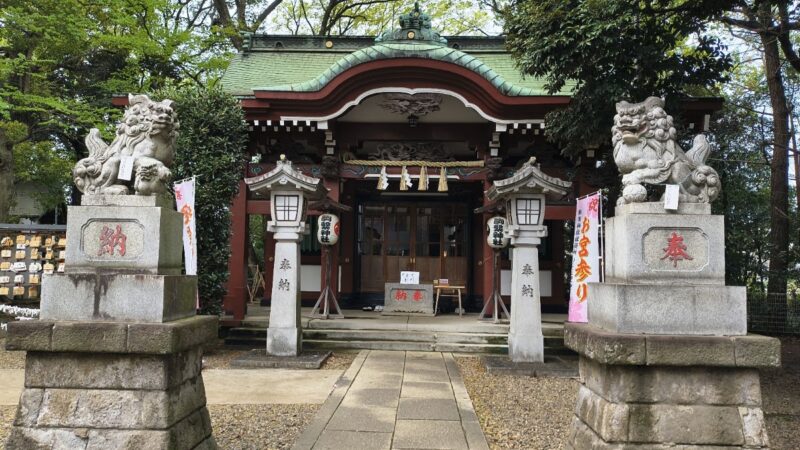
The main hall of Komatsunagi Shrine retains the style of traditional shrine architecture. The worship hall, where worshippers offer their prayers, is kept clean. While not large in scale, it has a friendly atmosphere, allowing visitors to feel the roots of a local shrine.
Site of the Komatsunagi Pine Tree
The “Komatsunagi Pine Tree,” where Minamoto no Yoritomo is said to have tethered his beloved horse, no longer exists, but there is a site and explanation of its origin on the shrine grounds. This legend is a core part of Komatsunagi Shrine’s identity and a point of interest for many worshippers.
Subsidiary Shrines and Stone Monuments
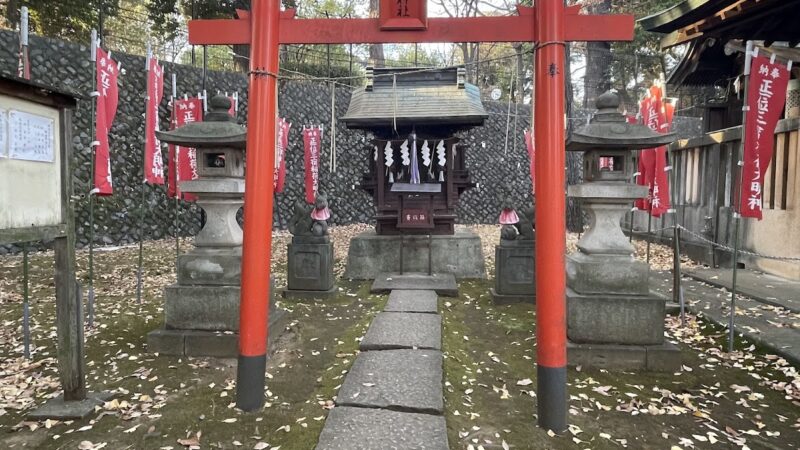
Besides the main hall, there are small subsidiary shrines and monuments on the grounds. These are valuable cultural assets that tell the story of the shrine’s long history. When visiting the shrine, it’s a good idea to take your time strolling around the grounds and reflecting on the history and origins of each element.
Seasonal Flowers
At Komatsunagi Shrine, various flowers bloom throughout the seasons, delighting visitors. The cherry blossoms in spring and the lush greenery in early summer are particularly beautiful, making it an oasis of relaxation in the heart of the city.
Goshuin (Shrine Seal) and Goshuincho (Shrine Seal Book) Information
Issuance of Goshuin
Komatsunagi Shrine offers goshuin (shrine seals). Goshuin serve as proof of your visit and are important for establishing a connection with the shrine.
Goshuin Issuance Hours: 9:30 AM – 4:30 PM
Offering Fee: Approximately 500 yen (Please check at your visit as this may change)
The goshuin includes the calligraphy of “Komatsunagi Shrine” and the shrine’s seal. The date is also included, making it a cherished memento of your visit.
Flower Goshuin (Shrine Seal)
Komatsunagi Shrine sometimes offers special “flower goshuin” depending on the season. These are regular goshuin featuring seasonal flowers and are popular among goshuin collectors. It is recommended to check the shrine’s official information for the availability period and details of the flower goshuin.
Goshuincho (Shrine Seal Book)
Komatsunagi Shrine also offers its own original goshuincho. With a design that reflects the shrine’s characteristics, it is a valuable memento of your visit. For those collecting goshuin for the first time, receiving a goshuincho at Komatsunagi Shrine is a good way to start your collection.
Etiquette for Receiving Goshuin
Goshuin are not merely stamps; they are proof of your visit. Please observe the following manners:
- Complete your prayers first before receiving your Goshuin (temple/shrine stamp).
- Request politely at the shrine office.
- Present your Goshuincho (stamp book) with both hands.
- Wait quietly while the stamp is being written.
- Express your gratitude when receiving it.
Items Offered and Amulets
Komatsunagi Shrine offers a variety of items.
Main Items Offered
- Safe Childbirth Amulet: An amulet unique to our shrine, known as the “God of Children.”
- Matchmaking Amulet: An amulet for successful love, receiving the blessings of Okuninushi-no-Mikoto.
- Exorcism Amulet: An amulet for protection from misfortune and good health.
- Traffic Safety Amulet: An amulet related to the legend of Minamoto no Yoritomo’s beloved horse.
- Success Amulet: For students taking entrance exams or qualification tests.
- Good Fortune Amulet: Receive the blessings of the God of Fortune.
Ema (Votive Tablets)
Komatsunagi Shrine also offers ema. By writing your wish and offering it, you can convey your wish to the gods. Many ema (votive tablets) are particularly common, expressing wishes for safe childbirth and successful relationships.
Festivals and Annual Events
Komatsunagi Shrine holds various festivals throughout the year.
Main Annual Events
- January 1st: Saitansai (New Year’s Day Festival)
- February (Setsubun Festival): Setsubun Festival (Bean-throwing, exorcism)
- Spring: Spring Grand Festival
- Summer: Summer Purification Ceremony
- September: Autumn Grand Festival (Most Important Festival)
- November: Shichi-Go-San Festival
- December: Year-End Purification Ceremony, New Year’s Eve Festival
Grand Festival
The Grand Festival of Komatsunagi Shrine is the most important festival for the shrine. Local people gather, and there are sometimes portable shrine processions and performances. This is an important opportunity to deepen the bonds of the local community.
Prayers and Shinto Weddings
Prayers
Komatsunagi Shrine accepts various prayers.
Main Prayers:
- Prayer for Safe Childbirth
- First Shrine Visit (Omiyamairi)
- Shichi-Go-San Ceremony
- Prayer for Protection from Evil
- Family Safety
- Business Prosperity
- Traffic Safety
- Prayer for Success in Examinations
If you wish to have a prayer performed, we recommend making a reservation by phone in advance. While same-day registration may be possible, there may be a waiting time depending on the crowd.
Shinto Weddings
Komatsunagi Shrine also holds Shinto wedding ceremonies. You can exchange eternal vows before Okuninushi-no-Mikoto, the god of matchmaking. A solemn ceremony at this historic shrine will be a memorable occasion befitting a new beginning in life.
For details about weddings, please contact the shrine directly.
Access Methods
Access by Train
Komatsunagi Shrine is accessible on foot from several stations.
Nearest Stations:
- Tokyu Toyoko Line, Yutenji Station
- Approximately 10-minute walk (closest station)
- Exit the station and head west
- Tokyu Den-en-toshi Line, Sangenjaya Station
- Approximately 15-minute walk
- Head south from the station
- Tokyu Toyoko Line, Nakameguro Station
- Approximately 15-20 minute walk
- Head southwest from the station
Access by Bus
If using Tokyu Bus:
- From Shibuya Station, take Tokyu Bus routes “Shibu 21,” “Shibu 22,” or “Shibu 23”
- Get off at the “Shimouma 1-chome” bus stop and walk approximately 3 minutes
Buses run frequently and are convenient in rainy weather or when carrying a lot of luggage.
Access by Car
Parking: There are 3 free parking spaces on the temple grounds.
If accessing by car, it’s about a 10-minute drive from the Sangenjaya exit of the Shuto Expressway Route 3 Shibuya Line. However, since the number of parking spaces is limited, it may be full on weekends and during festivals. We recommend using public transportation.
Address: 4-27-26 Shimouma, Setagaya-ku, Tokyo
Car Navigation Setting: You can search using the phone number “03-3414-8369”.
Nearby Tourist Attractions
When visiting Komatsunagi Shrine, be sure to also explore the nearby tourist attractions.
Yutenji Temple
A Jodo sect temple that gave its name to Yutenji Station. The vast grounds have many points of interest, including the main hall and Niomon gate, and it is also known as a famous cherry blossom viewing spot. Approximately a 10-minute walk from Komatsunagi Shrine.
Meguro River
The Meguro River is beautiful with cherry trees in spring. The area around Nakameguro is a particularly popular spot for cherry blossom viewing. There are many stylish cafes and restaurants, making it perfect for a stroll after visiting the shrine.
Sangenjaya
A vibrant town where traditional shopping streets and new cafes coexist. You can enjoy a panoramic view of Tokyo from the observation deck of Carrot Tower.
Other Shrines in Setagaya Ward
- Shoin Shrine: A shrine dedicated to Yoshida Shoin (approx. 20-minute walk)
- Setagaya Hachimangu Shrine: The main guardian shrine of Setagaya (approx. 25-minute walk)
Points and Manners for Visiting Shrines
Etiquette for Visiting Shrines
Please observe the basic etiquette for visiting shrines.
- Bow before passing through the torii gate
- Purify yourself at the water basin
- Hold the ladle in your right hand and wash your left hand
- Switch the ladle to your left hand and wash your right hand
- Return the ladle to your right hand, receive water in your left hand, and rinse your mouth
- Finally, hold the ladle upright and wash the handle
- Worship in front of the main hall
- Two bows, two claps, one bow
- Quietly place your offering in the offering box
- Ring the bell if there is one
- Bow deeply twice
- Clap twice
- Recite your wish silently
- Finally, bow deeply once more
Appropriate attire for worship
Everyday clothes are fine, but please note the following:
- Avoid revealing clothing
- Shoes are preferable to sandals
- Formal attire is preferable if you are receiving a prayer service
Photography etiquette
- Photography inside the main hall is generally prohibited
- Be considerate so as not to include other worshippers in your photos
- Do not use flash
- Please refrain from using tripods.
- Absolutely do not take photos in areas where photography is prohibited.
The Charm of Komatsunagi Shrine
A Tranquil Space in the City
Despite being located in the heart of Tokyo’s Setagaya Ward, Komatsunagi Shrine’s grounds are enveloped in a quiet and peaceful atmosphere. It is a place to escape the hustle and bustle and find peace of mind, loved not only by local residents but also by visitors from afar.
History Associated with the Minamoto Clan
A major attraction of Komatsunagi Shrine is its history of being visited by important Japanese warlords such as Minamoto no Yoriyoshi, Yoshiie, and Minamoto no Yoritomo. For history buffs, it is a valuable place to feel the footsteps of samurai from the Heian and Kamakura periods.
A Faith Rooted in the Community
A distinctive feature of Komatsunagi Shrine is that, despite its nearly 1000-year history, it still functions as the guardian shrine of the community. It plays a central role in the community, as a shrine visited by local people at various milestones in life, such as prayers for safe childbirth, first shrine visits for newborns, Shichi-Go-San (a traditional Japanese rite of passage for children), and weddings.
Approachable Scale
While not a large shrine, it has a warm and welcoming atmosphere. The priests are very courteous, making it a comfortable place to visit even for first-timers.
Summary
Komatsunagi Shrine is a historic shrine located in Shimouma, Setagaya Ward, Tokyo. Its name originates from a legend that Minamoto no Yoritomo tethered his beloved horse there to pray for victory in battle. It is known as the “God of Children,” and is revered for its blessings of safe childbirth and matchmaking.
The enshrined deity, Okuninushi-no-Mikoto, is widely worshipped as a god of fortune and matchmaking. With nearly 1000 years of history, the shrine remains a beloved local guardian shrine for many visitors. It’s easily accessible, about a 10-minute walk from Yutenji Station, and offers a wide selection of goshuin (shrine stamps) and other items.
Komatsunagi Shrine offers a peaceful retreat from the hustle and bustle of the city. Why not visit and reflect on the history connected to the Minamoto clan? You can receive various blessings here, including prayers for safe childbirth, matchmaking, and protection from evil.
When visiting Setagaya Ward, we recommend adding a visit to Komatsunagi Shrine to your itinerary. Exploring the surrounding areas such as Yutenji Temple, Meguro River, and Sangenjaya will make for a fulfilling day.