Miwasato Inari Shrine (Tokyo) Complete Guide | History, Benefits, Access, and Visiting Information
What is Miwasato Inari Shrine?
Miwasato Inari Shrine is an Inari shrine located in Tokyo. Inari worship is a widespread folk belief throughout Japan, known for its blessings of business prosperity and abundant harvests. Miwasato Inari Shrine is beloved by the local community and, as a shrine with a long history, continues to attract worshippers to this day.
It is said that there are over 30,000 Inari shrines throughout Japan, with Fushimi Inari Taisha in Kyoto being the head shrine. Miwasato Inari Shrine, as a shrine connected to this Inari worship tradition, is an important place of worship in the region.
Characteristics of Inari Shrines
Characteristics of Inari shrines include vermilion torii gates, fox statues (divine messengers), and the blessing of business prosperity. These elements can be seen at Miwasato Inari Shrine, allowing visitors to experience the tradition of Inari worship. ## History and Origins of Miwasato Inari Shrine
Circumstances of Founding
The founding of Miwasato Inari Shrine is believed to have occurred as a result of the development of the region and the advancement of agriculture, and as people’s faith gathered. Inari worship originally had the characteristics of an agricultural deity, and was a faith praying for a bountiful harvest. From the Edo period onward, with the development of commerce, it also came to be widely worshipped as a god of business prosperity.
Connection with the Community
Miwasato Inari Shrine has played a central role in the local community. The festivals and events held throughout the year are important opportunities to deepen the bonds among local residents. Especially during the annual grand festival, it is bustling with many worshippers and serves as a place for passing on the region’s traditional culture.
Inari Worship in Tokyo
Numerous Inari shrines exist within Tokyo. Amidst the development of Tokyo as a commercial city since the Edo period, merchants and craftsmen have invited and worshipped Inari shrines to pray for business prosperity. Miwasato Inari Shrine also plays a part in the history of Inari worship in Tokyo.
Deities and Benefits
Main Deity
The main deity of Miwasato Inari Shrine is Inari-sama (Ukanomitama-no-kami). Ukanomitama-no-kami is a deity mentioned in the Kojiki and Nihon Shoki as the god who presides over grains and food.
Expected Benefits
The main benefits you can expect at Miwasato Inari Shrine are as follows:
- Business Prosperity: Business development, increased sales, successful transactions
- Abundant Harvest: Abundant crops, food blessings
- Family Safety: Health and peaceful life for the family
- Good Fortune and Prosperity: Increased luck, attracting good fortune
- Protection from Evil: Warding off disasters and bad luck
- Industrial Development: Prosperity of all industries
Originally, Inari was a god of agriculture, but over time, it came to be worshipped as a god of all industries, and today it attracts fervent devotion from entrepreneurs and business people.
Highlights of the Shrine Grounds
Main Hall
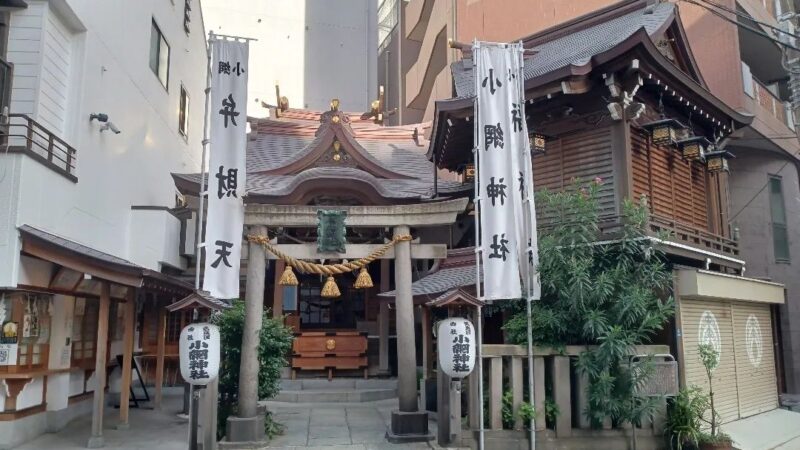
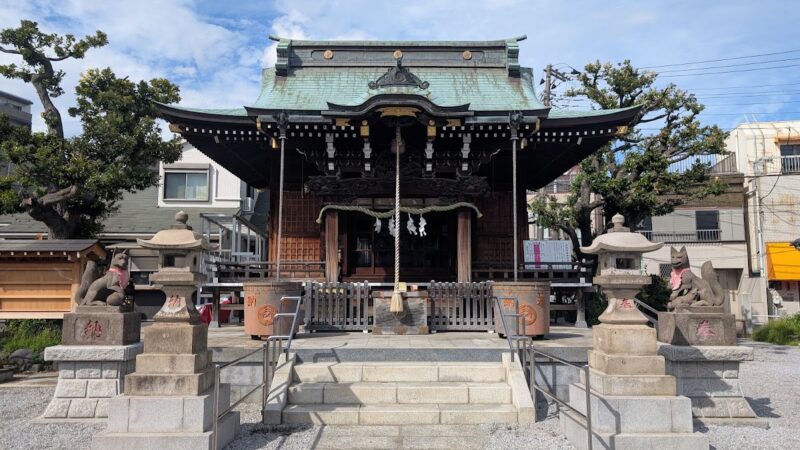
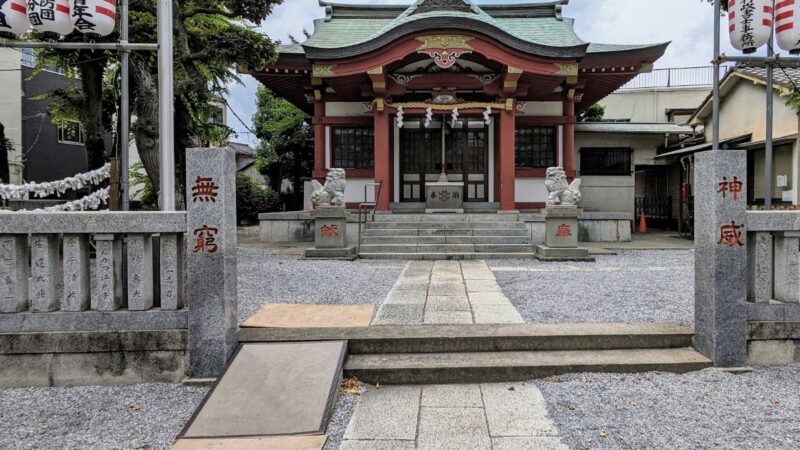
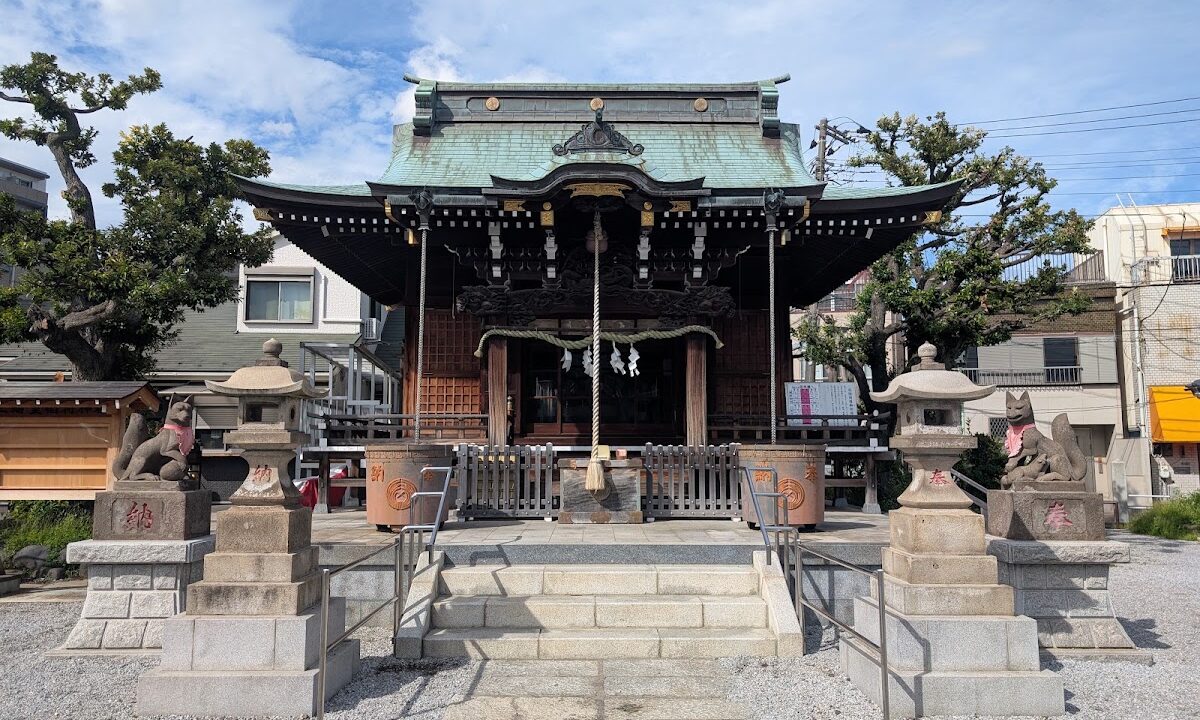
The main hall of Miwasato Inari Shrine features the unique architectural style of Inari shrines, welcoming visitors. You can offer your daily gratitude and prayers in front of the main hall.
Torii Gate
The vermilion torii gate, a symbol of Inari shrines, adorns the approach to the shrine. The torii gate is the entrance to the sacred area, and passing through it signifies entering a sacred space from the secular world.
Fox Statues (Divine Messengers)
Fox statues are almost always found at Inari shrines. This is because foxes are considered messengers of the Inari god. Often, the foxes hold a key, a jewel, or an ear of rice in their mouths, each with its own meaning. The key represents a key to a storehouse (a symbol of wealth), the jewel represents a wish-granting jewel (the power to fulfill wishes), and the ear of rice represents a bountiful harvest.
Water Basin
There is also a water basin on the shrine grounds for purifying the body and mind before worship. It is recommended to purify your hands and mouth according to the correct etiquette before worship.
How to Worship and Manners
Basic Worship Etiquette
Worship at Miwasato Inari Shrine follows the general etiquette for visiting shrines:
- Bow before passing through the torii gate: As a sign of respect before entering the sacred area, bow slightly before the torii gate.
- Walk along the edge of the path: The center of the path is considered the path of the gods, so walk along the edge.
- Purify yourself at the water basin:
- Hold the ladle in your right hand and purify your left hand.
- Switch the ladle to your left hand and purify your right hand.
- Switch the ladle back to your right hand, receive water in your left hand, and rinse your mouth.
- Purify your left hand once more.
- Hold the ladle upright and purify the handle.
- Worship at the main shrine:
- Quietly place your offering in the offering box.
- Ring the bell if there is one.
- Two bows, two claps, one bow (two deep bows, two claps, one deep bow)
Mindset When Visiting a Shrine
Visiting a shrine is not merely a place to make wishes, but also a place to offer gratitude to the gods. It is important to be grateful for daily blessings and to visit with a humble heart.
Regarding Photography
Photography is generally permitted on the shrine grounds, but photography inside the main hall and in sacred areas should be refrained from. Also, please be considerate of other visitors.
Regarding Goshuin (Shrine Seals)
What are Goshuin?
Goshuin are seals and calligraphic inscriptions given as proof of visiting a shrine or temple. In recent years, collecting goshuin has become a popular hobby, and many visitors bring their goshuin notebooks with them.
Goshuin at Miwasato Inari Shrine
Miwasato Inari Shrine may also offer goshuin. If you wish to receive a goshuin, please inquire at the shrine office or the designated area. A donation (typically 300-500 yen) is required for receiving a goshuin.
Manners for Receiving a Goshuin (Shrine/Temple Stamp)
- Always complete your prayers before receiving a Goshuin.
- Prepare a Goshuincho (stamp book) (avoid notebooks or colored paper).
- Request using polite language.
- Wait quietly while the stamp is being written.
- Remember to express your gratitude.
Annual Events and Festivals
Hatsuumasai (First Horse Day Festival)
The Hatsuumasai is the most important festival at Inari shrines. Held on the first Horse Day of February, it is considered the day when Inari-sama descended. Many worshippers visit on this day to pray for business prosperity and family safety.
Reitaisai (Annual Grand Festival)
The Reitaisai, held once a year, is the most important festival for the shrine. Local residents gather, and portable shrines and floats may appear. It is recommended to check the date of the Reitaisai at Miwasato Inari Shrine in advance.
Hatsumode (First Shrine Visit of the New Year)
Hatsumode is another time when many worshippers visit shrines in the New Year. Many people visit the shrine from New Year’s Day through the third day to pray for safety and prosperity throughout the year.
Monthly Festival
The monthly festival, held on a specific day each month, is also an important event at the shrine. Regular visits deepen your connection with the deities.
Access Methods
Access by Public Transportation
The specific access method to Miwasato Inari Shrine varies depending on the shrine’s location. Shrines in Tokyo are often within walking distance of the nearest station.
We recommend checking the latest information using the following methods before visiting:
- Search “Miwasato Inari Shrine Access” on the internet
- Search for the shrine name on a map app
- Inquire at a local tourist information center
Access by Car
If visiting by car, you need to check in advance whether the shrine has parking. Smaller shrines in Tokyo may not have dedicated parking, so you may need to use a nearby coin-operated parking lot.
Suitable Time for Visiting
Generally, visiting a shrine is recommended from sunrise to sunset. Visiting the shrine, especially in the refreshing morning hours, is highly recommended as it refreshes both mind and body.
Nearby Attractions
Other Shrines and Temples
Many historical shrines and temples are scattered throughout Tokyo. When visiting Miwa-ri Inari Shrine, exploring other nearby temples and shrines will enhance your pilgrimage experience.
Local Tourist Spots
Around the shrine, you may find unique local tourist spots, shopping streets, and restaurants. Exploring the area before or after your visit will allow you to gain a deeper understanding of the local culture and history.
Inari Faith Trivia
Why are Foxes Divine Messengers?
There are several theories as to why foxes are considered divine messengers of Inari, but the most plausible is that foxes prey on mice that damage crops, leading to their reverence as guardians of agriculture. It is also said that the fox’s mystical aura was considered suitable for a divine messenger.
Relationship with Inari Sushi
Inari sushi is a dish made by wrapping vinegared rice in fried tofu, and its name also originates from Inari, the fox god. It is believed that the folk belief that foxes are fond of fried tofu led to its use as an offering at Inari shrines, which is the origin of the name Inari sushi.
Famous Inari Shrines Nationwide
Fushimi Inari Taisha (Kyoto), the head shrine of Inari worship, along with Toyokawa Inari (Aichi) and Yutoku Inari Shrine (Saga), are known as the three great Inari shrines of Japan. Even within Tokyo, there are numerous historical Inari shrines, such as Oji Inari Shrine and Shozoku Inari Shrine.
Precautions When Visiting
Regarding Clothing
There are no specific dress code regulations, but please be mindful that it is a sacred place and dress cleanly and modestly. Avoid overly revealing or sloppy clothing.
Manners on the Shrine Grounds
- Do not make loud noises
- Take your trash with you
- Smoking is only permitted in designated areas (many shrines prohibit smoking on their grounds)
- Check in advance if bringing pets is permitted
- Do not touch plants or buildings on the shrine grounds
Visiting Hours
Some shrines have designated visiting hours. Especially the shrine office and gift shop have limited opening hours, so if you wish to obtain a goshuin (shrine stamp) or amulet, it is recommended to check the hours in advance.
Amulets and Gift Items
Business Prosperity Amulet
The most popular amulet at Inari shrines is the business prosperity amulet. Displaying it in your shop or office can pray for the development of your business.
Good Fortune Amulet
The good fortune amulet, imbued with wishes for improved luck and attracting good relationships, is also popular.
Ema (Votive Tablets)
Ema, on which you can write your wishes and dedicate them, are also available at shrines. Write down your specific wishes, such as business prosperity or family safety, and offer them at the shrine.
How to Handle Amulets
Amulets are believed to contain a divided spirit of the gods. Handle them with care, either keeping them in your wallet or bag at all times, or placing them on your household altar or in a clean place. The effectiveness of an amulet is said to last for one year; it is recommended to return it to the shrine after a year and receive a new one.
Prayers at Miwa-ri Inari Shrine
Prayer for Business Prosperity
For those running a business or planning to start one, praying for business prosperity at an Inari shrine is of great importance. Pray with a sincere heart and pray for the development of your business and good relationships with your customers.
Prayer for Family Safety
Praying for the health and happiness of your family is also a popular prayer among many visitors. Visiting the shrine with your whole family can deepen your family bonds.
Prayer for Protection Against Misfortune
Those in their unlucky year or those experiencing a string of bad luck can find peace of mind by praying for protection against misfortune.
Role as a Local Community
Place for Local Interaction
Miwa-ri Inari Shrine functions not only as a place of worship but also as a place for local residents to gather and interact. Community bonds are fostered through festivals, cleaning activities, and other events.
Preservation of Traditional Culture
Festivals and events at the shrine play an important role in passing on local traditional culture to the next generation. Children participating in festivals provide opportunities to learn about local history and culture.
A Place of Spiritual Support
In modern society, shrines also serve as a place of spiritual support for people. The existence of shrines is invaluable as a place where one can escape the hustle and bustle of daily life and have time to quietly reflect on oneself.
To Enhance the Effects of Worship
Regular Worship
It is said that visiting the shrine regularly, rather than just once, deepens one’s connection with the gods. We recommend continuing your visits at your own pace, such as once a month or at the change of seasons.
A Heart of Gratitude
Visiting a shrine is not just about making wishes, but also an opportunity to express gratitude for the blessings of everyday life. It is important to visit with a grateful heart, saying “Thank you.”
Combining with Practice
It is important to combine prayer at the shrine with your own efforts and practices. If you pray for business prosperity, work diligently in your daily tasks. If you pray for family safety, cherish your family. It is believed that the effects of prayer will only become apparent through such practices.
Summary
Miwari Inari Shrine, located in Tokyo, has long been a center of faith for local people. Many visitors come seeking various blessings, including business prosperity, abundant harvests, and family safety.
Inari worship is particularly widespread among Japanese folk beliefs, and its history and traditions have been passed down to the present day. Through a visit to Miwari Inari Shrine, you can experience traditional Japanese culture and find peace of mind. When visiting a shrine, it is important to observe proper etiquette and manners, and to approach the deities with a grateful heart. Furthermore, sincere effort in daily life, not just during shrine visits, is key to realizing your wishes.
If you are considering visiting an Inari shrine in Tokyo, please consider visiting Miwasato Inari Shrine. You will be able to pray peacefully in a warm, community-rooted atmosphere.
Visiting a shrine is a valuable opportunity to reflect on yourself and reset your mind amidst the hustle and bustle of modern life. We hope that Miwasato Inari Shrine will become a spiritual haven for you, bringing vitality and good fortune to your daily life.