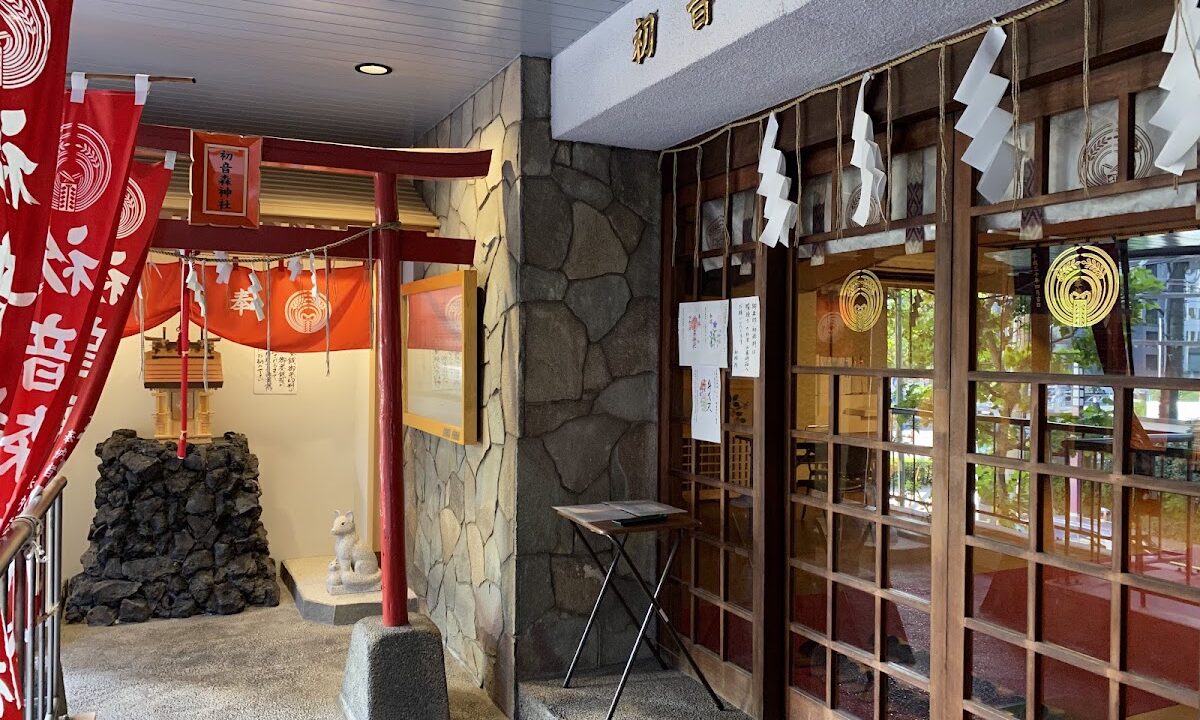
Hatsunemori Shrine (Tokyo) Complete Guide | History, Goshuin (Shrine Seal), and Access Information
Hatsunemori Shrine is a unique shrine with two shrine buildings located in Sumida Ward and Chuo Ward of Tokyo. With a history of approximately 700 years, it is revered as the guardian deity of Japan’s largest textile wholesale district, attracting worshippers seeking business prosperity. This article comprehensively explains everything you need to know before visiting Hatsunemori Shrine, including its history, goshuin (shrine seal), blessings, and access methods.
About Hatsunemori Shrine
Hatsunemori Shrine is a distinctive shrine with two shrine buildings separated by the Sumida River. The main shrine is located in Chitose, Sumida Ward, and the ceremonial hall is in Higashi-Nihonbashi, Chuo Ward, each serving a different role.
Deity Enshrined
The deity enshrined at Hatsunemori Shrine is Toyoukehime-no-Mikoto, also known as Ukanomitama-no-Kami. This shrine is widely worshipped as a deity of abundant harvests, business prosperity, and industrial development. In particular, it enjoys fervent devotion as a god of business success in the textile wholesale district around Higashi-Nihonbashi.
Differences between the Main Shrine and the Ritual Hall
The Main Shrine (Chitose, Sumida Ward) is the central shrine building, relocated after the Great Fire of Meireki. On the other hand, the Ritual Hall (Higashi-Nihonbashi, Chuo Ward) is a worship hall built closer to the original location, where daily worship and rituals are performed.
During the Edo period, parishioners would cross the Sumida River to visit the Main Shrine, and during festivals, they would carry the portable shrine through their neighborhood associations. Even today, worship is possible at both shrine buildings, each offering a different atmosphere.
History of Hatsunemori Shrine
The history of Hatsunemori Shrine dates back to the mid-Kamakura period. Throughout its long history, it has experienced numerous changes over time.
From Founding to the Muromachi Period
Hatsunemori Shrine is said to have been founded during the Genkō era (1331-1334). There is also a theory that it was founded by Kazan’in Morokata, making it approximately 700 years old.
During the Bunmei era (1469-1486), it is said that the shrine building was constructed by Ōta Dōkan, known for building Edo Castle. At that time, it was located in Bakurochō Hatsune-no-mori (near present-day Higashi-Nihonbashi, Chūō Ward), known as “Hatsune no Sato,” and was worshipped as the guardian deity of the area.
The Great Fire of Meireki and Relocation
The biggest turning point in the history of Hatsunemori Shrine was the Great Fire of Meireki in 1657 (Meireki 3). Following this great fire, which destroyed most of Edo, urban redevelopment of Edo took place.
Because the construction of the Gundai Yashiki (an office of the shogunate governing the Kanto region) was decided upon at the site where Hatsunemori Shrine was located, the shrine was forced to relocate to its current location in Chitose, Sumida Ward. As a result, the main shrine was moved to the east side of the Sumida River.
From the Edo Period to the Present
Throughout the Edo period, Hatsunemori Shrine was revered as the guardian shrine of the former Bakurocho district. Parishioners crossed the Sumida River to visit the main shrine, and the tradition of carrying the portable shrine through the parishioners’ neighborhoods during festivals continued.
Even after the Meiji era, as the area around Higashi-Nihonbashi developed into Japan’s largest textile wholesale district, the shrine’s reverence as a god of business prosperity grew even stronger. Currently, a ceremonial hall is located in Higashi-Nihonbashi, Chuo Ward, and worshippers are welcomed at both the main shrine and the ceremonial hall.
Goshuin (Shrine Seals) and Goshuincho (Shrine Seal Books)
Hatsunemori Shrine offers Goshuin (shrine seals). Many visitors receive a Goshuin (temple/shrine stamp) as a memento of their visit and as proof of their connection to the shrine.
Where to Get a Goshuin
Goshuin are mainly given out at the Ritual Hall (Higashi-Nihonbashi, Chuo-ku). The Ritual Hall is easily accessible, about a 3-minute walk from Asakusabashi Station, making it convenient even on weekdays.
For Goshuin at the main shrine (Chitose, Sumida-ku), it is recommended to check in advance. Visiting the main shrine, located within walking distance of Ryogoku Station and nestled in a quiet residential area, offers a different kind of charm.
Characteristics of the Goshuin
The Goshuin at Hatsunemori Shrine features the shrine’s name and date of visit written in ink, along with the shrine’s seal. It is characterized by a simple yet powerful brushstroke, conveying a sense of energy befitting a deity of business prosperity.
Regarding Goshuin notebooks, it is recommended to inquire directly with the shrine to see if they have their own original notebooks.
Benefits and Faith
Hatsunemori Shrine is particularly known for its blessings of business prosperity. The enshrined deity, Toyouke-hime no Mikoto, is widely worshipped as the guardian deity of industry and commerce.
God of Business Prosperity
The area around Higashi-Nihonbashi is known as Japan’s largest textile wholesale district, with numerous shops and wholesalers lining the streets. Hatsunemori Shrine is revered by local businesspeople as the god who watches over the business prosperity of this area.
People continuously visit the shrine to pray for various business-related successes, such as opening new businesses, expanding existing ones, and successful transactions.
Other Benefits
Besides business prosperity, the following benefits are believed to be offered:
- Abundant Harvest: Prosperity in agriculture and food-related industries
- Industrial Development: Development and success in all industries
- Family Safety: Health and safety of family members
- Protection from Misfortune: Protection from calamities
Shrine Grounds and Cultural Properties
The grounds of Hatsunemori Shrine have distinct characteristics at the main shrine and the ceremonial hall.
Grounds of the Main Shrine (Chitose, Sumida Ward)
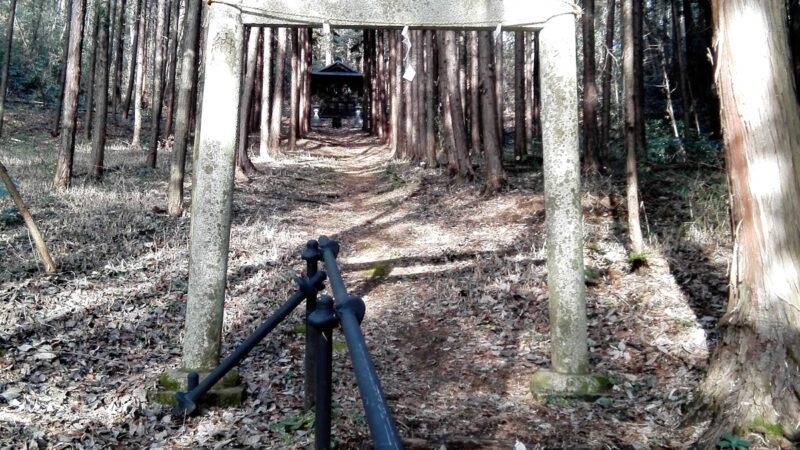
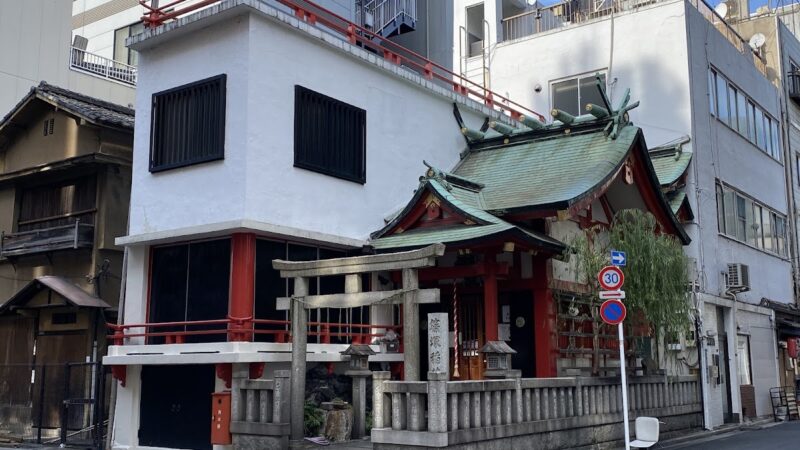
The main shrine, located in Chitose, Sumida Ward, stands quietly amidst a residential area. The compact yet orderly grounds feature the main hall and worship hall.
You can worship in a tranquil atmosphere away from the hustle and bustle of the city. The surrounding area retains the charm of old Tokyo and is suitable for a stroll.
Grounds of the Ceremonial Hall (Higashi-Nihonbashi, Chuo Ward)
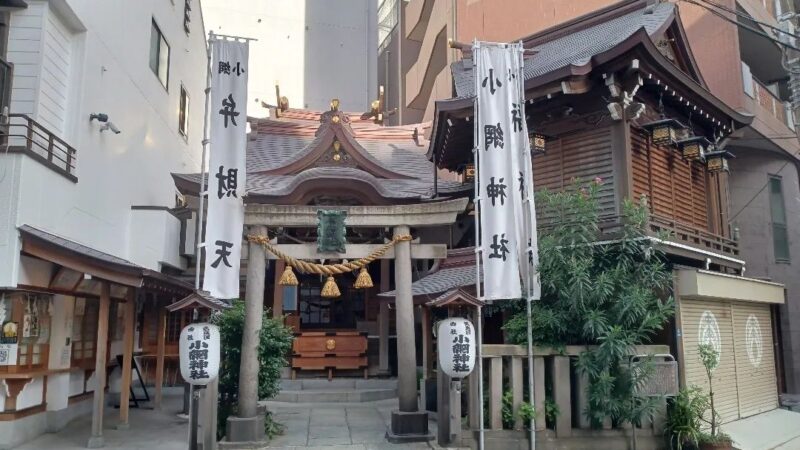
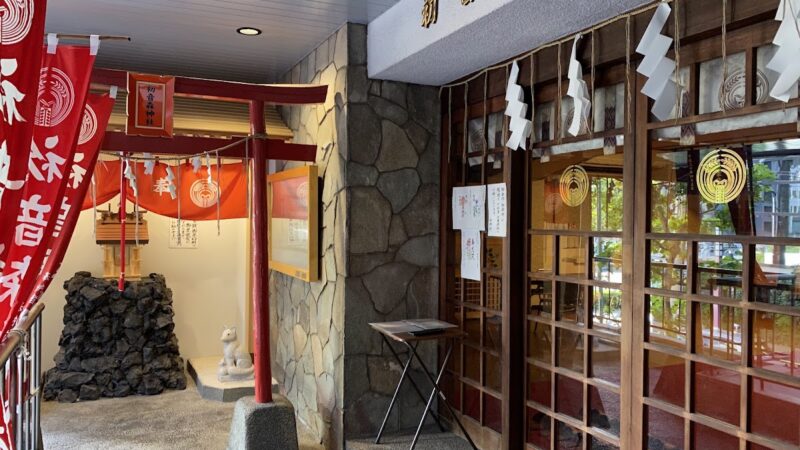
The ceremonial hall in Higashi-Nihonbashi, Chuo Ward, is located in the heart of the textile wholesale district. Although the shrine grounds are located in an urban area surrounded by buildings, they are kept clean and function as a place of worship for businesspeople.
Even on weekdays, many people visit during their work breaks, giving the impression that it is a shrine deeply rooted in the community.
Information about Hatsunemori Shrine
Basic Information
Main Shrine
- Location: 2-6-6 Chitose, Sumida-ku, Tokyo
- Nearest Station: Ryogoku Station (JR Sobu Line/Toei Oedo Line)
- Shrine Rank: Former Unranked Shrine
Ritual Hall
- Location: 2-27-9 Higashi-Nihonbashi, Chuo-ku, Tokyo
- Nearest Station: Asakusabashi Station (JR Sobu Line/Toei Asakusa Line)
Visiting Hours
While the shrine grounds are generally open for free visits, it is recommended to check with the shrine in advance if you wish to receive a Goshuin (shrine stamp) or prayer.
Inquiries
For detailed information regarding visits, prayer applications, and Goshuin issuance hours, please contact the Tokyo Metropolitan Shrine Association or the shrine directly. ## Access Information
Access to Hatsunemori Shrine differs for the main shrine and the ritual hall.
Access to the Main Shrine (Chitose, Sumida Ward)
Access by Train
- Approximately 8 minutes on foot from the East Exit of Ryogoku Station on the JR Sobu Line
- Approximately 10 minutes on foot from Exit A3 of Ryogoku Station on the Toei Oedo Line
The main shrine is located in a residential area, heading towards Keiyo Road from Ryogoku Station. It is within walking distance of Ryogoku Kokugikan and the Edo-Tokyo Museum.
Access to the Ritual Hall (Higashi-Nihonbashi, Chuo Ward)
Access by Train
- Approximately 3 minutes on foot (approximately 250m) from the East Exit of Asakusabashi Station on the JR Sobu Line
- Approximately 3 minutes on foot from Exit A3 of Asakusabashi Station on the Toei Asakusa Line
- Approximately 5 minutes on foot from Exit A1 of Bakuroyokoyama Station on the Toei Shinjuku Line
Located in the heart of the textile wholesale district, heading north along Edo-dori from Asakusabashi Station. It is easily accessible and convenient for visiting even on weekdays. ### Access by Car
There are coin-operated parking lots nearby, but the area around the ceremonial hall is particularly busy as a wholesale district on weekdays, so we recommend using public transportation.
Nearby Shrines and Temples
Nearby Hatsunemori Shrine, there are several historical shrines and temples.
Ejima Sugiyama Shrine
Located within walking distance of the main shrine, Ejima Sugiyama Shrine is dedicated to Sugiyama Waichi, known as an educator for the blind. It is believed to bring blessings for academic success and improvement in skills.
Other Nearby Shrines
- Tomioka Hachimangu: A large shrine known as the guardian shrine of Fukagawa
- Kameido Tenjin Shrine: A shrine dedicated to Sugawara no Michizane, the god of learning
- Ekoin: A historical temple located in Ryogoku
Attractions in the Surrounding Area
There are also many tourist spots around Hatsunemori Shrine.
Ryogoku Area
The Ryogoku area, surrounding our headquarters, boasts numerous facilities where you can experience Edo culture, including the Ryogoku Kokugikan (sumo arena), the Edo-Tokyo Museum, and the Sumida Hokusai Museum. It’s also known as a sacred place for sumo wrestling, and there are many chanko (sumo wrestler’s stew) restaurants.
Higashi-Nihonbashi/Bakurocho Area
The Higashi-Nihonbashi/Bakurocho area, surrounding the ceremonial hall, is known as Japan’s largest textile wholesale district. On weekdays, it’s bustling with businesspeople, offering a lively, old-town atmosphere.
Annual Events and Festivals
Hatsunemori Shrine holds various festivals and events throughout the year.
Annual Grand Festival
The annual grand festival is held every year, featuring a procession of the portable shrine and various Shinto rituals. Historically, parishioners would cross the Sumida River to worship, and the portable shrine would parade through the parish neighborhoods.
Monthly Festival
The monthly festival is held to pray for the health and prosperity of parishioners and worshippers. Many visitors also come to pray for business success.
Manners and Etiquette for Visiting a Shrine
When visiting a shrine, please observe basic manners and etiquette.
Procedure for Visiting a Shrine
- Bow before passing through the torii gate: This shows respect for entering the sacred area.
- Purify yourself at the water basin: Purify your left hand, right hand, and mouth in that order.
- Pray in front of the main hall: The basic procedure is two bows, two claps, and one bow.
- Bow upon leaving: Turn around and bow before leaving the torii gate.
Mindset When Visiting a Shrine
A shrine is a sacred place. Please pray quietly and respectfully. Photography should only be done in permitted areas, and consideration should be given to avoiding disturbing other worshippers.
Hatsunemori Shrine and the Textile Industry
Hatsunemori Shrine and the Higashi-Nihonbashi textile wholesale district are inextricably linked.
Japan’s No. 1 Textile Wholesale District
The Higashi-Nihonbashi, Bakurocho, and Yokoyamacho area is known as Japan’s No. 1 textile wholesale district. It developed significantly from the post-war reconstruction period to the high economic growth period, and even today, many textile-related companies are concentrated there.
Guardian Deity of Business Prosperity
Hatsunemori Shrine is revered by local businesspeople as the guardian deity watching over the business prosperity of this textile wholesale district. People visit the shrine on various occasions, such as for the first shrine visit of the New Year, the beginning of each month, and for prayers before important transactions.
Characteristics and Charm of Hatsunemori Shrine
Hatsunemori Shrine possesses a unique charm not found in other shrines.
Unusual Form with Two Shrine Buildings
The form of having the main shrine and the ceremonial hall separated by the Sumida River is rare among Tokyo’s shrines. This form tells the story of the Great Fire of Meireki, a historical event, and the subsequent history of urban redevelopment in Edo.
The God of Commerce in the Downtown Area
With a history of approximately 700 years, it continues to function as a familiar shrine that supports local business people. It is not a large-scale tourist shrine, but rather a place of faith deeply rooted in the community.
Coexistence of History and Modernity
Its charm lies in its blend of history, which dates back to the Kamakura period, with modern urban life. The ceremonial hall amidst the business district and the main shrine in a residential area coexist with the modern world in different ways.
Frequently Asked Questions (FAQ)
Q1: Should I visit the main shrine or the ceremonial hall of Hatsunemori Shrine?
A1: Ideally, you should visit both, but if you are short on time, we recommend visiting the ceremonial hall (Higashi-Nihonbashi, Chuo-ku) first, as it is more easily accessible. Goshuin (shrine stamps) are mainly given out at the ceremonial hall. The main shrine (Chitose, Sumida-ku) is suitable for those who want to worship in a quiet environment at their own pace.
Q2: Where can I get a Goshuin (temple/shrine stamp)?
A2: Goshuin are mainly given out at the Ritual Hall (Higashi-Nihonbashi, Chuo-ku). It’s easily accessible, about a 3-minute walk from Asakusabashi Station. We recommend checking in advance regarding availability at the main shrine.
Q3: What are the benefits of Hatsunemori Shrine?
A3: The main benefit is business prosperity. The enshrined deity, Toyouke-hime no Mikoto, is worshipped as the guardian deity of industry and commerce, and is particularly revered by merchants in the textile wholesale district of Higashi-Nihonbashi. Other benefits include abundant harvests, industrial development, family safety, and protection from evil.
Q4: When was Hatsunemori Shrine founded?
A4: Hatsunemori Shrine is said to have been founded during the Genko era (1331-1334), in the mid-Kamakura period. This ancient shrine boasts a history of approximately 700 years, and it is believed that the shrine buildings were constructed by Ota Dokan during the Bunmei era (1469-1486).
Q5: Why are the main shrine and the ceremonial hall located in different places?
A5: Originally, the shrine was located near the current ceremonial hall (Hatsune-no-Mori, Bakurocho), but after the Great Fire of Meireki in 1657 (Meireki 3), the main shrine was relocated to its current location in Chitose, Sumida Ward, due to urban redevelopment in Edo and the construction of the magistrate’s residence. Later, the ceremonial hall was built near the original location, resulting in the current arrangement.
Q6: Is there parking available?
A6: There is no dedicated parking lot for the shrine, but there are coin-operated parking lots nearby. However, the area around the ceremonial hall is a busy wholesale district, especially on weekdays, so we recommend using public transportation.
Q7: When is the annual festival of Hatsunemori Shrine?
A7: For specific dates regarding the annual festival, please contact the shrine or the Tokyo Metropolitan Shrine Association. The festival includes a procession of portable shrines and is an important local event.
Q8: How long does it take to get from Ryogoku Station to the main shrine?
A8: It’s about an 8-10 minute walk from the East Exit of JR Ryogoku Station or Ryogoku Station on the Toei Oedo Line. It’s also within walking distance of Ryogoku Kokugikan (sumo arena) and the Edo-Tokyo Museum, making it convenient to combine a visit with sightseeing.
Summary
Hatsunemori Shrine boasts a history of approximately 700 years and is a unique shrine with its main shrine and ritual hall separated by the Sumida River. From its founding in the Kamakura period to its relocation after the Great Fire of Meireki, and continuing to the present day, it has walked hand in hand with the history of Tokyo.
Known as the guardian deity of Japan’s largest textile wholesale district, it is revered for its blessings of business prosperity and enjoys fervent devotion from local merchants. The ritual hall is easily accessible, just a 3-minute walk from Asakusabashi Station, while the main shrine offers a quiet environment for peaceful worship.
When sightseeing in Tokyo, why not combine a visit to Hatsunemori Shrine with a stroll around Ryogoku and Asakusabashi? This historic shrine offers a chance to pray for business prosperity and family safety, and receiving a Goshuin (shrine stamp) will allow you to experience Tokyo’s downtown culture more deeply.