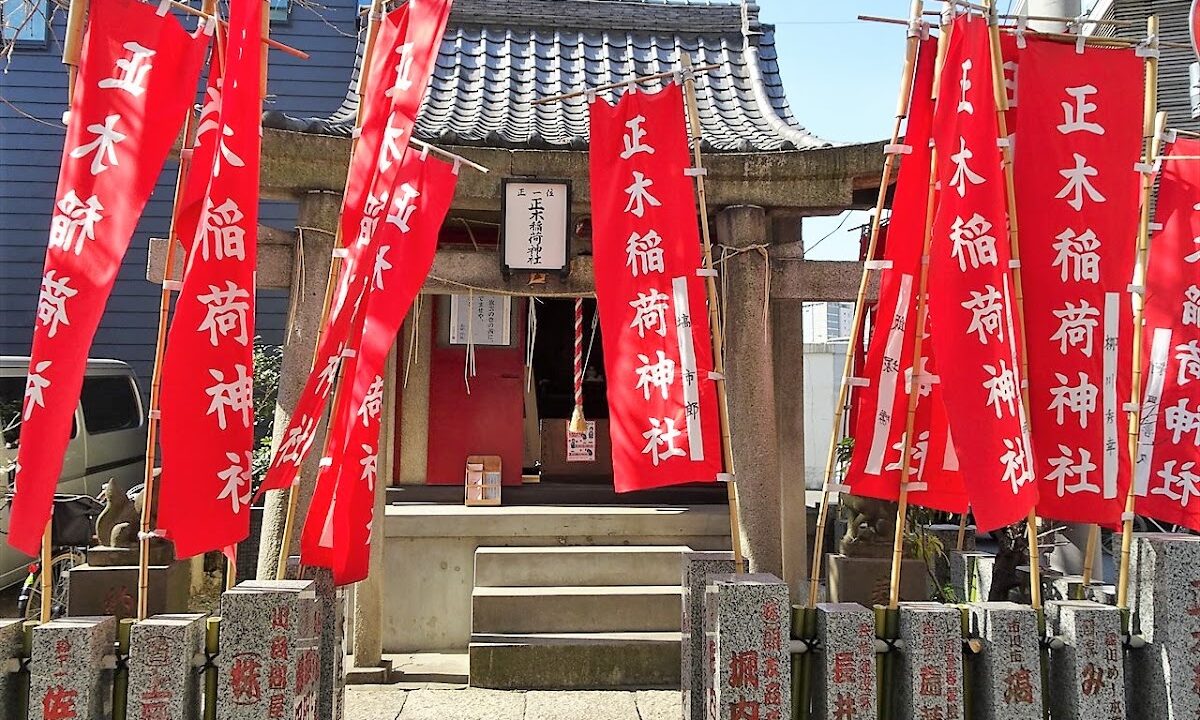
Masaki Inari Shrine (Koto Ward, Tokyo) Complete Guide | An Ancient Shrine in Fukagawa Worshipped as the God of Swellings
Masaki Inari Shrine, located in Tokiwa, Koto Ward, Tokyo, is a small Inari shrine situated near the confluence of the Sumida River and the Onagi River. Known as the “god of boils,” it is believed to have miraculous powers in healing swellings, attracting many worshippers from the Edo period to the present day. This article comprehensively introduces information you should know before visiting Masaki Inari Shrine, including its history, enshrined deities, unique worship customs, and access methods.
Basic Information on Masaki Inari Shrine
Masaki Inari Shrine is located in Tokiwa 1-chome, Koto Ward, Tokyo, and is one of the historic Inari shrines in the Fukagawa area.
Location and Access
Location: 1-1-2 Tokiwa, Koto-ku, Tokyo
Nearest Station:
- Approximately 7 minutes on foot (approx. 521m) from Kiyosumi-Shirakawa Station on the Tokyo Metro Hanzomon Line and Toei Oedo Line
- Approximately 10 minutes on foot from Morishita Station on the Toei Shinjuku Line and Oedo Line
The shrine is located along the Sumida River, near Mannenbashi Bridge. Numerous other shrines and temples, such as Basho Inari Shrine and Fukagawa Shinmei-gu Shrine, are scattered throughout the area, and many visitors stop by during their pilgrimage to the Seven Lucky Gods of Fukagawa.
Deity Enshrined
The deity enshrined at Masaki Inari Shrine is Ukanomitama-no-Mikoto. Ukanomitama-no-Mikoto is a widely worshipped Inari deity, revered as the god of grain and business prosperity, and is enshrined at Inari shrines throughout Japan.
History of Masaki Inari Shrine
Founding Date and Origin
The exact founding date of Masaki Inari Shrine is unknown, but it is believed to have existed at least by the Tenpo era (1830s), as it appears in Edo period documents.
The shrine is depicted in an illustration in “Shunshoku Umegoyomi,” commonly known as “Umegoyomi,” by Tamenaga Shunsui, and a votive banner bears the inscription “Masaki Inari Daimyojin, Tenpo 5th year (1834), February, First Horse Day.” This suggests that it was already a well-known Inari shrine at that time.
Furthermore, its appearance in “Edo Meisho Zue” (Illustrated Guide to Famous Places of Edo) indicates that it was already a familiar presence to the local people during the Edo period.
Origin of the Shrine Name
The shrine’s name originates from the large Masaki tree that once stood on its grounds. It was formerly called “Masaki Inari Shrine.” Masaki (or Masaki) is an evergreen shrub belonging to the Celastraceae family, commonly used as a garden tree or hedge.
It is said that the leaves of this Masaki were very effective in treating boils, and it is believed that this, combined with the miraculous powers of the shrine, led to it becoming an object of worship.
Alternative Name as Mannenbashi Inari
Masaki Inari Shrine was also known as “Mannenbashi Inari” because it was located near Mannenbashi Bridge. Mannenbashi Bridge spans the Onagi River and has been an important transportation hub in Fukagawa since the Edo period. Its proximity to this bridge likely made it visible to many passersby, attracting worshippers.
Relationship with Fukagawa Shinmei-gu Shrine
It is also said to be a subsidiary or subordinate shrine of Fukagawa Shinmei-gu Shrine, the local guardian shrine. Fukagawa Shinmei-gu Shrine is located in Morishita, Koto Ward, and has long been revered as the guardian shrine of the Fukagawa area. Masaki Inari Shrine has a long history of supporting local faith through its deep connection with Fukagawa Shinmei Shrine.
Faith as the “God of Boils”
Miraculous Healing of Swellings
The most distinctive feature of Masaki Inari Shrine is its belief in its miraculous healing of boils. Blue banners bearing the words “God of Boils” are erected on the shrine grounds, preserving this unique belief to this day.
From the Edo period to the present day, people have visited the shrine praying for healing of skin swellings, boils, and pimples. In times when medical care was not advanced, such folk beliefs played an important role in supporting people’s health.
Unique Worship Custom: “Soba Abstinence”
Masaki Inari Shrine has a unique custom when praying for the healing of boils: soba abstinence.
Etiquette for Worship:
- When praying for the healing of a boil, abstain from eating soba noodles until you are fully recovered.
- Upon full recovery, offer soba noodles as a token of gratitude.
This custom has continued since the Edo period and was widely known as a form of prayer. Abstaining from soba noodles shows sincerity to the gods, and offering soba noodles as a token of gratitude upon recovery—a fascinating custom that connects faith with daily life.
Even today, it is said that some worshippers who know this tradition perform similar prayers.
Shrine Grounds and Highlights
Small but Charming Shrine Grounds
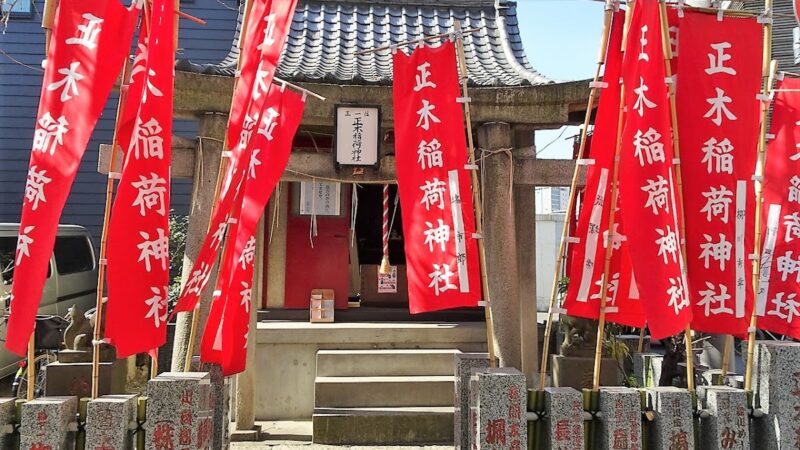
Masaki Inari Shrine is a small shrine, but its location along the Sumida River gives it an open and tranquil atmosphere. Red and blue banners are erected on the grounds; the red banners represent Inari worship, and the blue banners represent the worship of the shrine as the “god of boils.”
Sumida River and Waterfront Scenery
The Sumida River flows directly in front of the shrine, offering beautiful waterfront views. Located at the confluence of the Onagi River and the Sumida River, a key point for water transport, it’s likely that many boats passed through this area during the Edo period.
Even today, the shrine can be viewed from the riverside promenade, making it a valuable place to experience both the history of Fukagawa and the waterfront scenery.
Nearby Shrines and Temples
Several historical shrines and temples are scattered around Masaki Inari Shrine.
Basho Inari Shrine: Located diagonally across from Masaki Inari Shrine, it’s known as a shrine associated with the haiku master Matsuo Basho.
Fukagawa Shinmei Shrine: Located about a 5-minute walk away, it’s the main guardian shrine of the Fukagawa area and has historical ties to Masaki Inari Shrine.
The “Fukagawa Seven Lucky Gods Pilgrimage,” which visits these shrines, is also popular, and many visitors enjoy visiting the shrines, including Masaki Inari Shrine.
Points to Note When Visiting
Visiting Hours and Precautions
Masaki Inari Shrine is a small shrine, so there may not be a permanently staffed shrine office. If you wish to receive a Goshuin (shrine stamp) or other items, it is recommended to check in advance.
While visiting is generally free, please be mindful of quiet and respectful conduct as it is adjacent to a residential area.
Recommended Time to Visit
Hatsuuma (First Horse Day of February): The first Horse Day in February is known as a festival day for Inari shrines, and you can experience a special atmosphere at Masaki Inari Shrine.
Fukagawa Seven Lucky Gods Pilgrimage: The Fukagawa Seven Lucky Gods Pilgrimage is popular, especially during the New Year period. Visiting the surrounding shrines and temples during this time is also recommended.
Spring and Autumn: Spring and autumn, when strolling along the Sumida River is pleasant, are ideal times to visit the shrine while enjoying the waterside scenery.
Regarding Photography
Photography is generally permitted on the shrine grounds, but please be considerate of the surroundings, as it is a small shrine adjacent to a residential area. In particular, please be mindful of the privacy of nearby residents when taking photos.
History and Culture of the Fukagawa Area
Water Transport and Development of Fukagawa
The Fukagawa area, where Masaki Inari Shrine is located, has flourished as a key point for water transport since the Edo period. Its location at the confluence of the Sumida River and Onagi River played a vital role in the transportation of goods and the movement of people.
Fukagawa was also known as Kiba (a timber collection point) and was a vibrant town where many merchants and craftsmen lived. Masaki Inari Shrine has attracted the faith of the local people along with the development of Fukagawa.
Edo Culture and Inari Faith
During the Edo period, Inari faith was widely prevalent among the common people. Various wishes were entrusted to Inari, the god of rice, such as business prosperity, abundant harvests, and family safety. Masaki Inari Shrine’s specific miraculous power of “healing boils” likely made it a unique presence among the many Inari shrines, leaving a lasting impression on people’s memories.
Its appearance in Edo period documents such as “Shunshoku Umegoyomi” and “Edo Meisho Zue” indicates that Masaki Inari Shrine was not merely a small local shrine, but a shrine with a certain degree of recognition.
Masaki Inari Shrine in Modern Times
As a Place of Local Worship
Even today, Masaki Inari Shrine functions as a place of worship for the local people. Although small in scale, the grounds are meticulously clean, demonstrating that it is carefully preserved by the local community.
Attractiveness as a Tourist Spot
In recent years, the Fukagawa area has gained attention as a tourist destination due to its old-town charm and historical appeal. The area around Kiyosumi-Shirakawa Station has seen an increase in cafes and galleries, creating a unique atmosphere where old and new blend seamlessly.
Masaki Inari Shrine is a historical spot worth visiting during a stroll through Fukagawa. Combining a visit with a walk along the Sumida River will allow you to experience both the history and present of Fukagawa simultaneously.
Access Details
Access by Train
From Kiyosumi-Shirakawa Station:
- Approximately 7 minutes on foot from Exit A3 of Kiyosumi-Shirakawa Station (Tokyo Metro Hanzomon Line/Toei Oedo Line)
- Head northeast from the station and proceed north along Kiyosumi-dori Street
- Cross the Onagigawa River and head towards the Sumida River
From Morishita Station:
- Approximately 10 minutes on foot from Exit A6 of Morishita Station (Toei Shinjuku Line/Oedo Line)
- Head east from the station and proceed towards the Sumida River via Shin-Ohashi-dori Street
Nearby Parking Information
Masaki Inari Shrine does not have its own parking lot. If you are visiting by car, you will need to use nearby coin-operated parking lots. There are several parking lots around Kiyosumi-Shirakawa Station and along the Sumida River, but they can get crowded on weekends, so we recommend using public transportation.
Combining with Nearby Facilities
When visiting Masaki Inari Shrine, we recommend combining your visit with the following facilities:
- Basho Inari Shrine/Basho Memorial Museum (1 minute walk)
- Fukagawa Shinmei Shrine (5 minute walk)
- Kiyosumi Garden (10 minute walk)
- Fukagawa Edo Museum (15 minute walk)
- Fukagawa Fudodo Temple (20 minute walk)
Summary of Visiting Masaki Inari Shrine
Masaki Inari Shrine is a small but historically significant Inari shrine located in Tokiwa, Koto-ku, Tokyo, with a unique faith. It is known as the “god of boils,” with miraculous efficacy in healing boils, and is characterized by its unique worship custom of “soba noodle abstinence,” which has continued since the Edo period.
Located on the waterfront at the confluence of the Sumida River and Onagi River, in the historic Fukagawa area, this shrine has walked hand in hand with the local people. When strolling through Fukagawa or visiting the Seven Lucky Gods of Fukagawa, be sure to stop by.
Although a small shrine, it is imbued with a history of faith dating back to the Edo period and a warm desire for the health of the local people. Even today, its history and traditions are quietly passed down.
Conveniently located within walking distance of Kiyosumi-Shirakawa Station, Masaki Inari Shrine boasts a quiet and peaceful atmosphere. Why not take some time to visit and feel the history of Fukagawa?