Complete Guide to Fukagawa Inari Shrine (Koto Ward, Tokyo) | Goshuin (Shrine Seal), Hotei (One of the Seven Lucky Gods of Fukagawa), History, and Access
Fukagawa Inari Shrine, located in Kiyosumi, Koto Ward, Tokyo, is a historic shrine founded in 1630. Known as the shrine dedicated to Hotei (one of the Seven Lucky Gods of Fukagawa), its convenient location within walking distance of Kiyosumi-Shirakawa Station attracts many visitors, not just locals. This article provides a detailed overview of Fukagawa Inari Shrine, including its history, goshuin information, access methods, and surrounding attractions.
Basic Information on Fukagawa Inari Shrine
Fukagawa Inari Shrine is located at 2-12-12 Kiyosumi, Koto Ward, Tokyo, and stands quietly in a residential area.
Location and Access
Address: 2-12-12 Kiyosumi, Koto-ku, Tokyo
Nearest Station:
- Approximately 5 minutes on foot from Kiyosumi-Shirakawa Station on the Tokyo Metro Hanzomon Line and Toei Oedo Line
- Exit from Exit A3, head south along Kiyosumi-dori, and turn left at the Kiyosumi 2-chome intersection.
Located near Kiyosumi-Shirakawa Station, it can be visited in conjunction with tourist attractions such as Kiyosumi Garden and the Fukagawa Edo Museum. It is situated in a quiet residential area, offering a peaceful atmosphere for worship.
Main Deities and Shrine Rank
Main Deities: Ukanomitama-no-kami and Uganomitama-no-mikoto
Ukanomitama-no-kami is widely known as Inari-no-kami and is worshipped as the god of abundant harvests, business prosperity, and industrial development.
Shrine Rank: Former Unranked Shrine
Alternate Name: Nishi-Oinari
Pilgrimage Site: Hotei (one of the Seven Lucky Gods of Fukagawa)
History of Fukagawa Inari Shrine
Founded in the Early Edo Period
Fukagawa Inari Shrine was founded in 1630 (Kanei 7). This was during the early Edo period, under the rule of Tokugawa Iemitsu, the third shogun. As one of the oldest shrines in the Fukagawa area, it has attracted the faith of the local community.
The Name Nishi-Oinari
For a long time after its founding, Fukagawa Inari Shrine was called “Nishi-Oinari.” This name originates from the former town name of the area, “Fukagawa Nishi-Daiku-machi.” Nishi-Daiku-machi was an area where many carpenters involved in the construction of Edo Castle lived, and the shrine was located on the west side of this area, hence the name.
The Great Kanto Earthquake and the Tokyo Air Raids
Fukagawa Inari Shrine suffered damage from two major disasters: the Great Kanto Earthquake of 1923 and the Tokyo air raids of 1945. The Great Kanto Earthquake, in particular, caused extensive damage to the entire Fukagawa area, resulting in the loss of many historical documents and records. Therefore, many details regarding the shrine’s origins and history remain unclear.
Post-War Reconstruction and Name Change
Following urban redevelopment after the Great Kanto Earthquake, the town name was changed from Fukagawa Nishidaikumachi. Around 1952, the current name “Fukagawa Inari Shrine” was adopted, replacing the previous common name “Nishi-Oinari.” This name change clarified the shrine’s role as a representative shrine of the Fukagawa area.
Fukagawa Seven Lucky Gods and Hotei
What is the Fukagawa Seven Lucky Gods Pilgrimage?
The Fukagawa Seven Lucky Gods pilgrimage is a traditional event that involves visiting the seven lucky gods enshrined in seven shrines in the Fukagawa area, in the southern part of Koto Ward, Tokyo. This pilgrimage, which began in the Meiji era, is still bustling with many visitors, especially during the New Year.
The shrines that make up the Fukagawa Seven Lucky Gods are as follows:
- Fukagawa Inari Shrine – Hotei
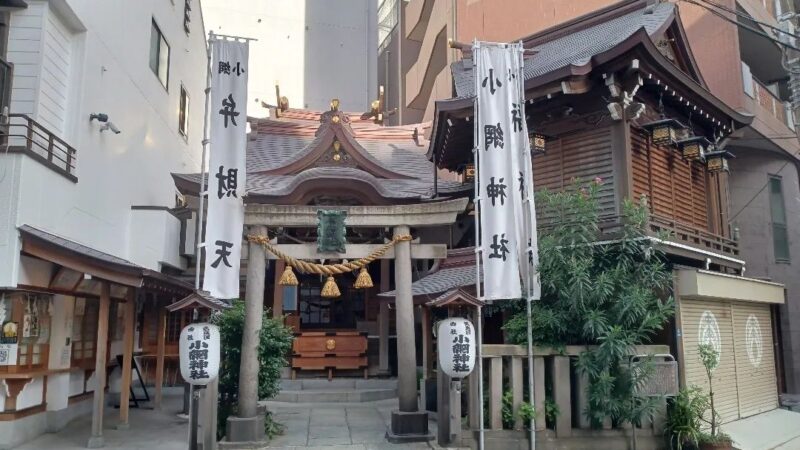
- Fukagawa Shinmei Shrine – Jurojin
- Ryukoin Temple – Bishamonten
- Enjuin Temple – Daikokuten
- Shingyoji Temple – Fukurokuju
- Fuyuki Benzaiten – Benzaiten
- Tomioka Hachimangu Shrine – Ebisu
About Hotei
Hotei, enshrined at Fukagawa Inari Shrine, is a particularly popular god of fortune among the Seven Lucky Gods. Characterized by his large belly and smiling face, Hotei symbolizes generosity, harmonious family life, and business prosperity.
Hotei is believed to be modeled after a real person, the Zen monk Qici of the Tang Dynasty in China. He was affectionately known as “Hotei” (meaning “big bag”) because he always carried a large bag and maintained a constant smile.
At Fukagawa Inari Shrine, a statue of Hotei is enshrined on the grounds, and visitors are believed to receive good fortune by stroking Hotei’s large belly.
Route of the Seven Lucky Gods Pilgrimage
The Fukagawa Seven Lucky Gods pilgrimage can be completed on foot in approximately 2-3 hours, starting from Kiyosumi-Shirakawa Station or Monzen-Nakacho Station. Fukagawa Inari Shrine is one of the closest pilgrimage sites to Kiyosumi-Shirakawa Station and is often chosen as the starting point for the Seven Lucky Gods pilgrimage.
During the New Year period (January 1st to 7th), many worshippers visit the shrines, and various shrines offer special items such as decorative paper and treasure ships.
Goshuin (Shrine Seal) Information
Characteristics of Goshuin
Fukagawa Inari Shrine offers goshuin, but since it is usually an unmanned shrine, please be aware of the procedures for obtaining them.
Normal Goshuin Issuance:
- As the shrine is generally unattended, pre-printed goshuin may be available.
- The offering fee is typically placed in the offering box.
- The availability and method of issuing goshuin may vary depending on the time of year.
During the Fukagawa Seven Lucky Gods Pilgrimage (New Year’s):
- From January 1st to 7th, staff are stationed at the shrine and can directly issue goshuin.
- It is also possible to have your goshuin inscribed on special shikishi (decorative paper boards) or treasure ships dedicated to the Fukagawa Seven Lucky Gods.
- During this period, the shrine is crowded with many visitors, so there may be a waiting time.
Goshuin Design
The goshuin of Fukagawa Inari Shrine features the calligraphy and red seal of “Fukagawa Inari Shrine.” During the Fukagawa Seven Lucky Gods Pilgrimage, the name “Hotei” may also be inscribed.
It is popular as a beautiful goshuin with a simple yet powerful calligraphy style and a red seal characteristic of Inari shrines.
About the Goshuincho (Stamp Book)
The availability of the original Goshuincho at Fukagawa Inari Shrine may vary depending on the time of year and circumstances. Special Goshuincho and Shikishi (decorative paper boards) for the Fukagawa Seven Lucky Gods pilgrimage are available at major shrines of the Fukagawa Seven Lucky Gods, such as Tomioka Hachimangu Shrine.
Highlights of the Shrine Grounds
Worship Hall
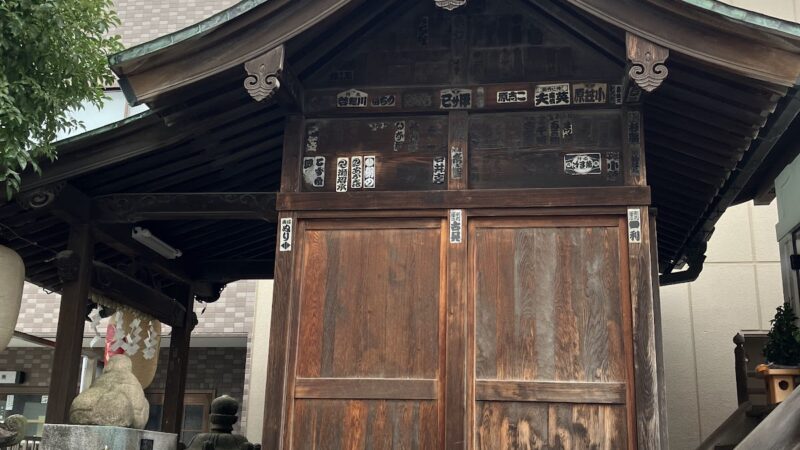
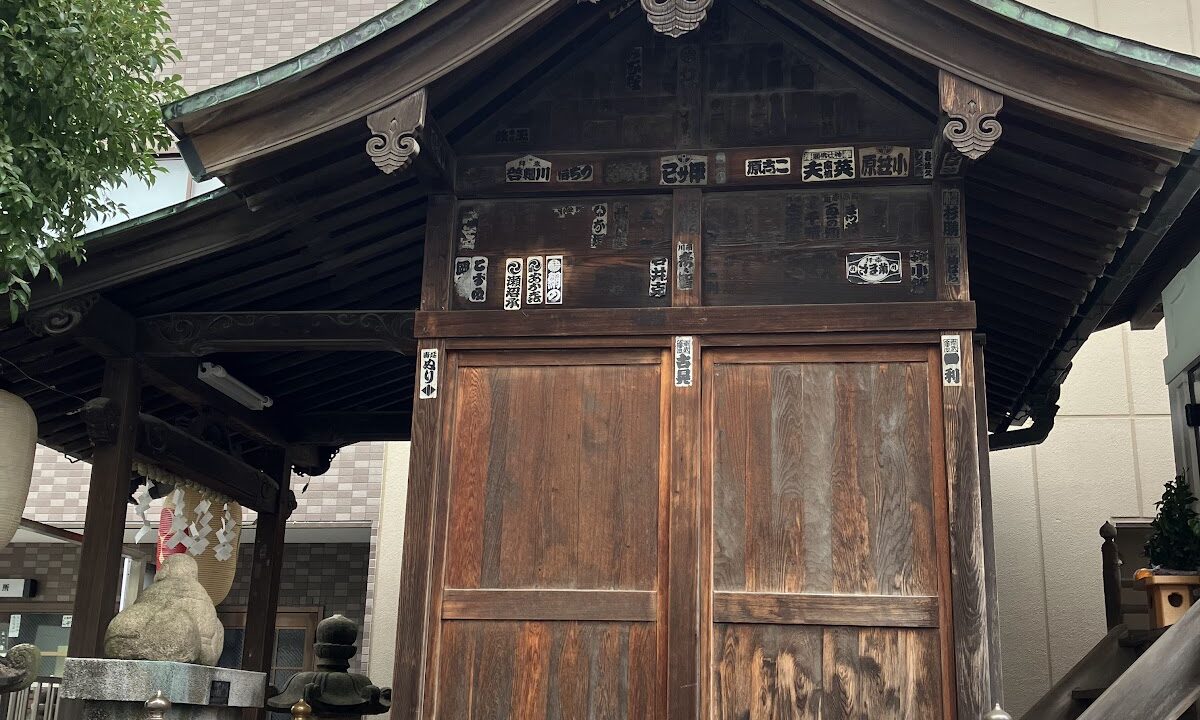
The worship hall of Fukagawa Inari Shrine was rebuilt after the war and, while compact, retains the style of traditional shrine architecture. Located in a residential area, it is not large, but it is kept clean and cherished as a place of worship for the local people.
Statue of Hotei
A statue of Hotei, one of the Fukagawa Seven Lucky Gods, is enshrined on the grounds. Characterized by its cheerful expression and large belly, many visitors can be seen taking commemorative photos in front of this statue.
Torii Gate and Shrine Name Marker
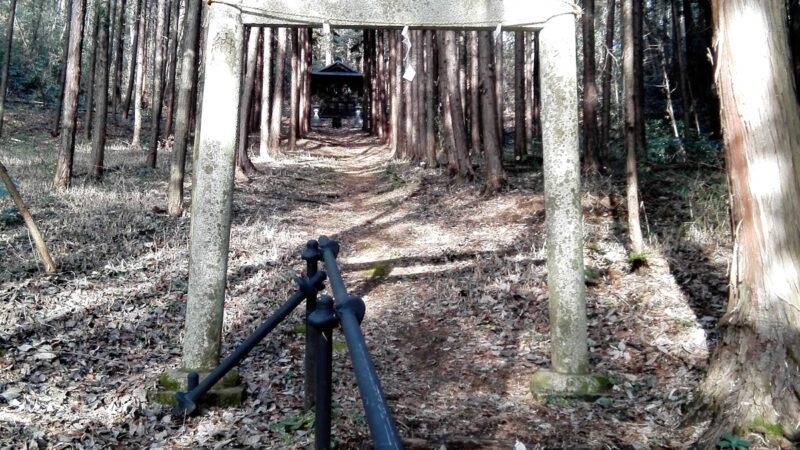
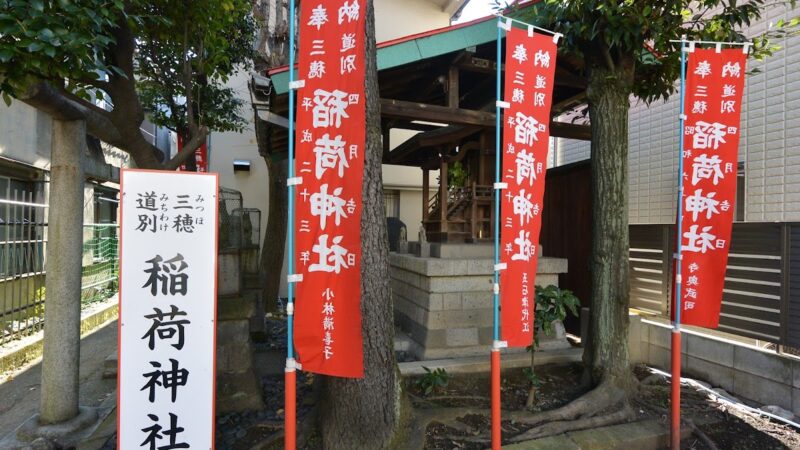
A vermilion torii gate stands at the entrance, and a shrine name marker inscribed with “Fukagawa Inari Shrine” welcomes visitors. Despite being located in a residential area, passing through the torii gate evokes a serene atmosphere befitting a sacred place.
Komainu (Guardian Dogs)
A pair of guardian dogs (komainu) are enshrined on the grounds. It is unclear whether they survived the Great Kanto Earthquake and wartime destruction, or if they were donated after the war, but they stand as guardians of the shrine.
Items Offered and Amulets
Fukagawa Inari Shrine is usually unattended, but during certain periods, such as the New Year, items are sometimes available.
Main Items Offered
- Fukagawa Seven Lucky Gods Shikishi (decorative paper) and Treasure Ship: Available during the New Year period
- Amulets: Amulets for business prosperity, family safety, etc. (varies depending on the season)
- Ema (votive tablets): You can write your wishes and dedicate them.
As is typical for Inari shrines, many visitors come to pray for business prosperity and success.
Annual Events
New Year’s Visit & Fukagawa Seven Lucky Gods Pilgrimage (January 1st-7th)
Fukagawa Inari Shrine is busiest during the New Year period. As a stop on the Fukagawa Seven Lucky Gods pilgrimage, many worshippers visit to pay their respects to Hotei (the god of happiness). During this period, staff are stationed at the shrine, providing Goshuin (shrine stamps) and selling Seven Lucky Gods merchandise.
Annual Grand Festival
The annual grand festival is held, but it is recommended to check the specific dates and details in advance. The shrine is supported by local parishioners, and a community-based festival is held.
Recommended Spots Around Fukagawa Inari Shrine
Kiyosumi Garden (approx. 5-minute walk)
This metropolitan garden is located about a 5-minute walk from Fukagawa Inari Shrine. It is a representative strolling garden from the Meiji era, offering beautiful scenery throughout the seasons. It is an ideal spot to visit in conjunction with a visit to Fukagawa Inari Shrine.
Fukagawa Edo Museum (approx. 7-minute walk)
This museum recreates the townscape of Fukagawa during the Edo period in full scale. Visitors can experience the daily lives of ordinary people at that time and learn about the history of Fukagawa.
Tomioka Hachimangu Shrine (approx. 10-minute walk)
A representative shrine of Fukagawa, it enshrines Ebisu, one of the Seven Lucky Gods of Fukagawa. Known for the “Fukagawa Hachiman Festival,” one of the three major Edo festivals, the shrine grounds house Japan’s largest golden portable shrine.
Blue Bottle Coffee Kiyosumi-Shirakawa Store (approx. 7-minute walk)
Kiyosumi-Shirakawa is also known as a coffee town, and this is home to the first Blue Bottle Coffee store in Japan. Recommended for a coffee break after visiting the shrine.
Fukagawa Fudodo Temple (approx. 12-minute walk)
The Tokyo branch temple of Naritasan Shinshoji Temple, it is bustling with many worshippers on the 28th of every month. A shopping street full of old-town charm stretches around Monzen-Nakacho Station.
Etiquette and Precautions for Visiting a Shrine
Etiquette for Visiting an Unmanned Shrine
Fukagawa Inari Shrine is usually an unmanned shrine. Please observe the following points when visiting the shrine:
- Visit quietly: As the shrine is located in a residential area, please be considerate and refrain from shouting or making noise.
- Regarding Goshuin (shrine stamps): If pre-printed Goshuin are available, please place the offering in the offering box to receive them.
- Keep the shrine grounds clean: Please take all your trash with you.
- Photography: Please take photographs with consideration for other visitors.
Etiquette for Visiting the Shrine
- Bow before entering the shrine grounds after bowing at the torii gate.
- If there is a water basin, purify your hands and mouth.
- Place your offering in front of the main hall.
- Perform the two bows, two claps, and one bow ritual.
- Also pay your respects to Hotei (the god of happiness).
- When leaving, turn around after exiting the torii gate and bow once.
Detailed Access to Fukagawa Inari Shrine
Access by Train
From Kiyosumi-Shirakawa Station:
- Approximately 5 minutes on foot from Exit A3 of Kiyosumi-Shirakawa Station on the Tokyo Metro Hanzomon Line and Toei Oedo Line
- Exit and head south along Kiyosumi Street
- Turn left at the Kiyosumi 2-chome intersection and walk approximately 100m into the residential area
From Monzen-Nakacho Station:
- Approximately 12 minutes on foot from Monzen-Nakacho Station on the Tokyo Metro Tozai Line and Toei Oedo Line
- Route heading north along Kiyosumi Street
Access by Bus
Get off at the Toei Bus “Kiyosumi Teien-mae” bus stop and walk approximately 3 minutes.
Access by Car
There is no dedicated parking lot for the shrine. We recommend using nearby coin parking or public transportation. There are several coin parking lots around Kiyosumi-Shirakawa Station.
The Charm of Fukagawa Inari Shrine
A Shrine Loved by Locals
Fukagawa Inari Shrine is not a large-scale tourist shrine, but a small shrine loved by the local people. It is usually located in a quiet residential area and functions as a place of worship for local residents. Such “community-oriented” shrines are valuable examples of how Tokyo’s old downtown culture is still preserved today.
The Charm of the Fukagawa Seven Lucky Gods Pilgrimage
The Fukagawa Seven Lucky Gods Pilgrimage is a popular event that allows you to explore the Fukagawa area on foot while experiencing the history and culture of Edo. Fukagawa Inari Shrine, located near Kiyosumi-Shirakawa Station, is an easily accessible pilgrimage site and an ideal starting point for the Seven Lucky Gods pilgrimage.
During the New Year period, many worshippers can be seen visiting the Seven Lucky Gods with decorative paper and treasure ships, conveying the enthusiasm of people seeking good fortune in the new year.
The Charm of the Kiyosumi-Shirakawa Area
The Kiyosumi-Shirakawa area has recently seen an increase in cafes and galleries and is attracting attention, sometimes called “Tokyo’s Brooklyn.” Its unique streetscape, a fusion of old downtown atmosphere and new culture, is its charm, and you can enjoy exploring the area in conjunction with a visit to Fukagawa Inari Shrine.
From nature walks in Kiyosumi Garden and historical learning at the Fukagawa Edo Museum to coffee breaks at stylish cafes, there are plenty of spots to enjoy for a whole day.
Summary
Fukagawa Inari Shrine, founded in 1630, is a beloved shrine for many worshippers, dedicated to Hotei, one of the Seven Lucky Gods of Fukagawa. Despite its convenient location just a 5-minute walk from Kiyosumi-Shirakawa Station, its quiet environment within a residential area makes for a peaceful and tranquil visit.
While usually a small, unmanned shrine, it becomes bustling with worshippers during the New Year’s Fukagawa Seven Lucky Gods pilgrimage, playing a vital role as a center of local faith. Its history, having overcome hardships such as the Great Kanto Earthquake and the Tokyo air raids, is intertwined with the history of the Fukagawa region itself.
When visiting the Kiyosumi-Shirakawa area, be sure to stop by Fukagawa Inari Shrine and receive the blessings of Hotei. Combined with nearby Kiyosumi Garden, the Fukagawa Edo Museum, and stylish cafes, you’re sure to have a fulfilling day.