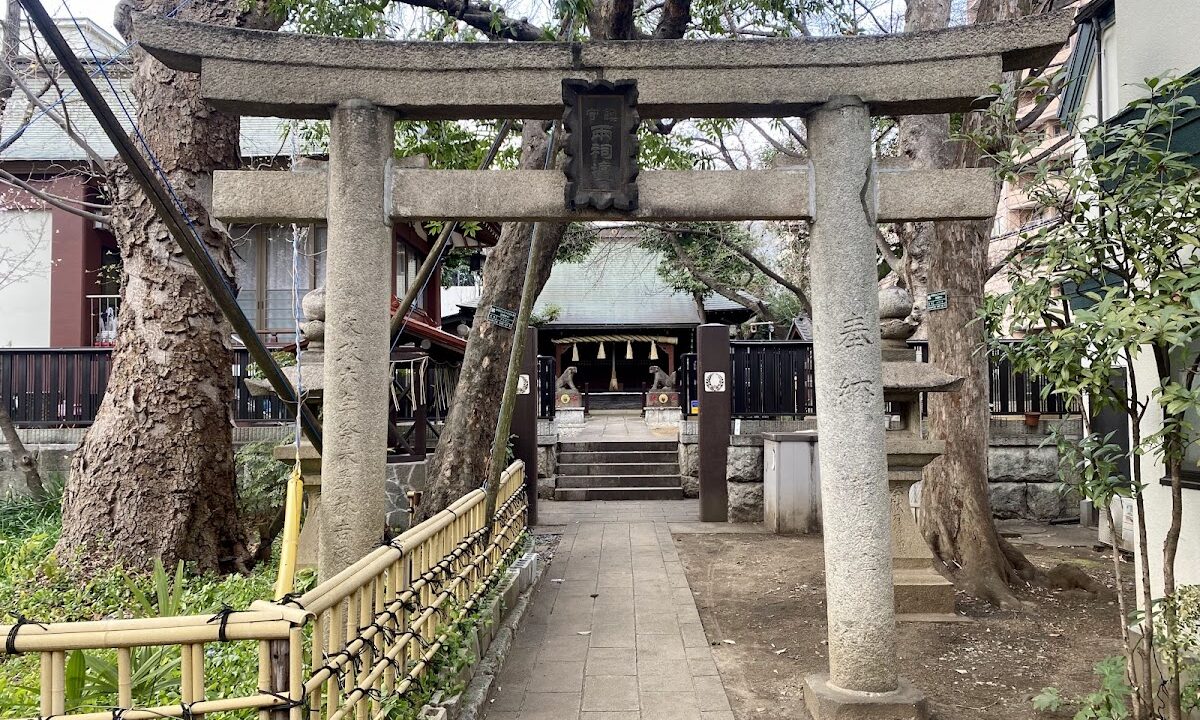
Complete Guide to Tonomine Naito Shrine (Shinjuku Ward, Tokyo) | History, Goshuin (Shrine Seal), and Access Information
Nearby nestled in a quiet residential area of Naito-cho, Shinjuku Ward, Tokyo, Tonomine Naito Shrine is a historic shrine dating back to the early Edo period. Located just east of Shinjuku Gyoen National Garden, and formerly situated within the garden itself, this shrine has deep ties to Naito Kiyoshige, a senior retainer of Tokugawa Ieyasu, and is known as a venerable shrine dedicated to Fujiwara no Kamatari.
This article comprehensively introduces all the information you need to know before visiting Tonomine Naito Shrine, including its detailed history, enshrined deities, highlights of the grounds, goshuin information, and access methods.
Basic Information about Tōnomine Naito Shrine
Official Name: Tōnomine Naito Shrine
Former Name: Naito Shrine, Tōnomine Shrine
Location: 1-8 Naito-cho, Shinjuku-ku, Tokyo
Shrine Rank: Former Unranked Shrine
Founded: Keichō 7 (1602)
Main Deity: Fujiwara no Kamatari (Main Deity)
Enshrined Deities: Takemikazuchi-no-Mikoto, Futsunushi-no-Kami, Amenokoyane-no-Kami, Himegami, Ancestral Spirits of the Naito Family
History of Tōnomine Naito Shrine
Circumstances of Founding and Relationship with Tokugawa Ieyasu
The founding of Tōnomine Naito Shrine dates back to Keichō 7 (1602). The founder was Naito Kiyonari, known as a retainer of Tokugawa Ieyasu. Naito Kiyonari was a hereditary retainer of the Tokugawa family since the Mikawa Province era, and after the establishment of the Edo Shogunate, he became the first head of the Naito family, who became the lords of the Takato Domain (present-day Ina City, Nagano Prefecture).
A famous anecdote remains that when Naito Kiyonari received the land in this area, Tokugawa Ieyasu told him, “I will give you the land that your horse can circle in a single breath.” Kiyonari rode his swift horse across the vast land and was granted a large estate including the present-day Shinjuku Gyoen National Garden. This anecdote is known to illustrate Naito Kiyonari’s equestrian skills and the deep trust he received from Tokugawa Ieyasu.
Origin of the Enshrinement of Fujiwara no Kamatari
Since the Naito family originated from the Fujiwara clan, Naito Kiyonari enshrined his family ancestor, Fujiwara no Kamatari, on land within his residence (present-day Shinjuku Gyoen National Garden), establishing the Tamumine Shrine. The name “Tōnomine” originates from the fact that a divided spirit was invited from Tanzan Shrine (formerly Tōnomine Myōraku-ji Temple) in Sakurai City, Nara Prefecture. Tanzan Shrine is known as a shrine dedicated to Fujiwara no Kamatari, and the Naito family received a divided spirit from this historically significant shrine and made it their household deity.
Furthermore, four divided spirits of Takemikazuchi-no-Mikoto, Futsunushi-no-Kami, Amenokoyane-no-Kami, and Himegami were invited and enshrined together from Kasuga Taisha Shrine in Nara, the tutelary shrine of the Fujiwara clan. Thus, Tōnomine Naito Shrine was established as the guardian deity of the Naito family, who were descendants of the Fujiwara clan, and as a shrine descended from Kasuga Taisha Shrine.
Transition from the Edo Period to the Meiji Period
Throughout the Edo period, Tōnomine Naito Shrine continued to be worshipped as the household deity of the Naito family’s secondary residence. The Naito family continued as lords of the Takatō Domain for generations, protecting the shrine within their Edo residence.
Following the Meiji Restoration, when Shinjuku Gyoen National Garden became government-owned land as imperial property, the shrine was relocated to its current location at 1-8 Naito-cho, Shinjuku-ku in 1883. This relocation separated the shrine from the Naito family’s private property, strengthening its character as a local community shrine.
Renaming in the Showa Era and the Present
In 1967, the shrine was renamed “Tamamine Naito Shrine.” This renaming clearly indicated both the origin of Tamamine, which enshrines Fujiwara no Kamatari, and its historical relationship with the Naito family.
Even today, it stands quietly in the residential area of Naito-cho, Shinjuku-ku, and is cherished by worshippers and history enthusiasts as a local guardian shrine and a valuable cultural asset that tells of history.
Deities and Divine Virtues
Main Deity: Fujiwara no Kamatari
Fujiwara no Kamatari (614-669) was a politician of the Asuka period and is known as the ancestor of the Fujiwara clan. Together with Prince Naka no Ōe (later Emperor Tenji), he carried out the Taika Reforms and made a significant contribution to the establishment of Japan’s Ritsuryo state. Shortly before his death, he was granted the surname “Fujiwara” by Emperor Tenji, and thereafter, the Fujiwara clan became the most prosperous aristocratic family in Japanese history.
Divine Virtues: Political skill, wisdom, academic achievement, career advancement, family prosperity
Enshrined Deities: The four deities of Kasuga Taisha Shrine
Takemikazuchi no Mikoto
The main deity of Kashima Jingu Shrine, known as a god of war. Famous for negotiating with Ōkuninushi no Mikoto in the myth of the transfer of the land, he is worshipped as the guardian deity of martial arts.
Divine Virtues: Long-lasting military fortune, good luck in competitions, protection from evil, national peace
Futsunushi-no-kami
The principal deity of Katori Shrine, a warrior god who, along with Takemikazuchi-no-mikoto, accomplished the transfer of the land. Also revered as the god of swords.
Divine Virtues: Improved military fortune, victory, protection of swords, expulsion of evil spirits
Amenokoyane-no-kami
A deity considered the ancestral god of the Fujiwara clan, known for reciting prayers when Amaterasu-Omikami hid in the Heavenly Rock Cave. Worshipped as the god of rituals and words.
Divine Virtues: Academic success, power of words, improvement in performing arts, family safety
Himegami
This is believed to refer to Amenomitsutamateruhime-no-mikoto, the consort of Amenokoyane-no-kami.
Divine Blessings: Marital harmony, matchmaking, fertility, safe childbirth
Ancestral Spirits of the Naito Family
The spirits of successive heads of the Naito family, including Naito Kiyonari, are enshrined here, conveying the deep connection between the Naito family and the shrine.
Highlights of the Shrine Grounds
Shrine Buildings
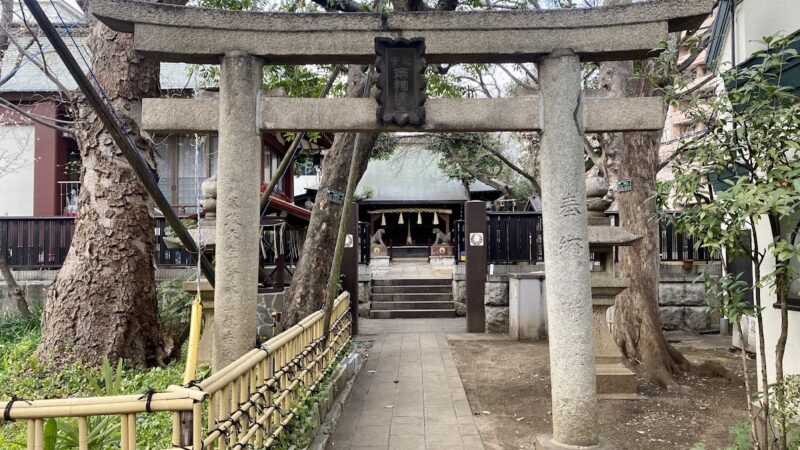
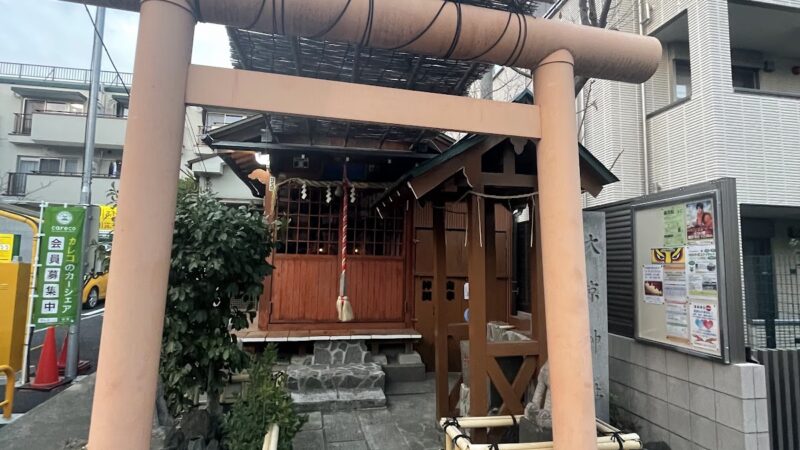
The shrine buildings of Tamumine Naito Shrine maintain a tranquil atmosphere despite being located in a residential area. Although small in scale, they are meticulously maintained, reflecting the deep faith of the local people. The main hall is based on the Kasuga-zukuri style, showing the relationship with the Fujiwara clan and Kasuga Taisha Shrine in its architectural style.
Shunmezuka (Mound of the Valiant Horse)
The most noteworthy historical site on the shrine grounds is the “Shunmezuka” (Mound of the Valiant Horse). This mound was built to commemorate the famous horse that Naito Kiyonari rode when he received land from Tokugawa Ieyasu.
As mentioned earlier, Kiyonari, having been told by Ieyasu, “I will give you the land your horse can circle in a single breath,” rode his beloved horse across the vast lands. Later, when this magnificent horse died, Kiyonari, deeply grateful, respectfully buried the horse and erected a mound.
The Shunba-zuka (Swimming Horse Mound) is a valuable historical site that conveys the deep bond between samurai and horses, and is also an important witness to the historical relationship between the Naito family and the land of Shinjuku Gyoen National Garden.
Komainu (Guardian Dogs)
A pair of komainu (guardian dogs) are placed within the shrine grounds. They are said to be in the style of the Edo to Meiji periods, possessing a dignified presence that conveys the weight of history. Despite being a small shrine in a residential area, the careful preservation of such cultural assets is one of the charms of Tamumine Naito Shrine.
Atmosphere of the Shrine Grounds
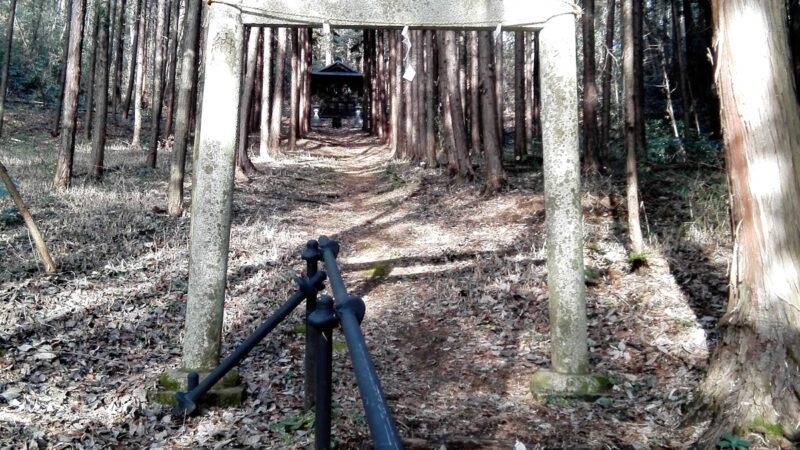
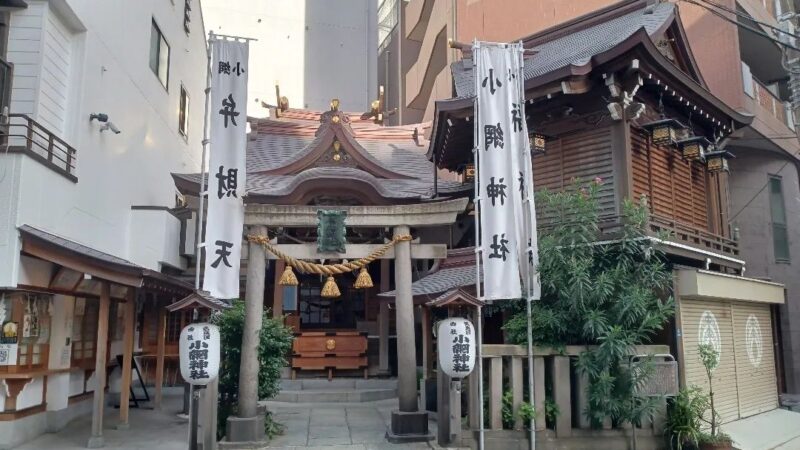
Despite being located in the heart of Tokyo’s Shinjuku Ward, the shrine grounds are enveloped in a quiet and peaceful atmosphere. Surrounded by houses, the shrine is easily overlooked from the street, but stepping onto the grounds reveals a sacred space far removed from the hustle and bustle of the city.
While there aren’t many trees, the well-maintained grounds exude cleanliness, conveying the cherishment the local community places upon them.
Goshuin Information
Goshuin (shrine stamps) are available at Tamumine Naito Shrine. However, as there is no resident priest, prior confirmation is necessary before requesting a goshuin.
Features of the Goshuin
The goshuin features the name “Tamono Naito Shrine” written in ink and stamped with the shrine’s seal. Simple yet dignified, it’s a popular souvenir for many visitors.
How to Obtain a Goshuin
As there is no resident priest, goshuin may be available as pre-printed stamps. Please check the notices and information posted on the shrine grounds during your visit. Also, since nearby shrines or those managing the shrine may handle inquiries, it is recommended to contact shrine officials in Shinjuku Ward in advance.
Access Information
Location
1-8 Naito-cho, Shinjuku-ku, Tokyo 160-0014
Nearest Station
Tamamine Naito Shrine is located on the east side of Shinjuku Gyoen National Garden and is accessible from several stations.
Tokyo Metro Marunouchi Line “Shinjuku Gyoenmae Station”
- Approximately 8 minutes on foot from Exit 2
- Head towards Naito-cho, passing along the east side of Shinjuku Gyoen
- The most common access route
Tokyo Metro Marunouchi Line “Yotsuya-sanchome Station”
- Approximately 10 minutes on foot from Exit 1
- Head west along Shinjuku-dori towards Naito-cho
- Route through a quiet residential area
JR Chuo-Sobu Line “Sendagaya Station”
- Approximately 12 minutes on foot
- Route circling around the northeast side of Shinjuku Gyoen from Sendagaya Station
JR Chuo-Sobu Line “Shinanomachi Station”
- Approximately 12 minutes on foot
- Route east of Shinanomachi Station, heading northwest through a residential area
Points to note when accessing on foot
Tamamine Naito Shrine is located in a residential area and lacks large signs or landmarks, making it easy for first-time visitors to miss. We recommend using a smartphone map app. Keeping in mind its location—east of Shinjuku Gyoen National Garden, within the residential area of Naito-cho—will help you avoid getting lost.
Access by Car
There is no dedicated parking lot at the shrine. If you are visiting by car, you will need to use a nearby coin-operated parking lot. However, since it faces narrow roads in a residential area, we recommend using public transportation.
Relationship with Shinjuku Gyoen National Garden
When discussing Tamumine Naito Shrine, its historical relationship with Shinjuku Gyoen National Garden is essential.
Origins of Shinjuku Gyoen National Garden
The current Shinjuku Gyoen National Garden was originally the site of the Naito family’s secondary residence, which Naito Kiyoshige received from Tokugawa Ieyasu. It was used as a vast estate throughout the Edo period.
After the Meiji Restoration, this land was confiscated by the government and in 1872 (Meiji 5), it became the Naito Shinjuku Experimental Station, an agricultural research facility. Subsequently, in 1906 (Meiji 39), it became imperial property and was developed as Shinjuku Gyoen National Garden.
Relocation of the Shrine
Following the establishment of Shinjuku Gyoen as government land, the Tamumine Naito Shrine, which had previously been located within the residence (present-day Gyoen), was relocated to its current location in 1883 (Meiji 16). The new location is just east of Shinjuku Gyoen, in a corner of the former Naito family residence.
This relocation changed the shrine’s character from a private residence deity of the Naito family to a local shrine. However, it remains an important presence that conveys the historical connection between the Naito family and Shinjuku Gyoen, and continues to attract many visitors.
Current Location
Currently, Tamumine Naito Shrine is located a few minutes’ walk from the east gate of Shinjuku Gyoen. Many people visit both the shrine and Shinjuku Gyoen, allowing them to experience the flow of history from the Edo period while exploring both.
Nearby Attractions
Shinjuku Gyoen National Garden
Needless to say, if you visit Tamumine Naito Shrine, you should definitely stop by Shinjuku Gyoen National Garden. This vast garden features Japanese gardens, French formal gardens, and English landscape gardens, allowing you to enjoy beautiful scenery throughout the seasons. It’s especially crowded with tourists during cherry blossom and autumn foliage seasons.
Shinjuku Historical Museum
This museum allows you to learn about the history of Shinjuku Ward, and includes exhibits on the Naito family and the development of Shinjuku. It will help you understand the historical background of Tamumine Naito Shrine more deeply.
Temples and Shrines in the Yotsuya/Shinjuku Area
Nearby, there are many historical temples and shrines, such as Suga Shrine, Hanazono Shrine, and Taisoji Temple. For those who enjoy visiting shrines, it’s recommended to visit these temples and shrines as well.
Manners and Points for Visiting a Shrine
Proper Way to Visit a Shrine
- Bow Before Passing Through the Torii Gate: As a sign of respect before entering the sacred area, bow before the torii gate.
- Purify Yourself at the Water Basin: If there is a water basin, purify your left hand, right hand, and mouth in that order.
- Two Bows, Two Claps, One Bow: Before the shrine, bow deeply twice, clap twice, and finally bow deeply once.
Points to Note When Visiting a Shrine
- As it is located in a residential area, please visit quietly and without making noise.
- Photography is permitted, but please be considerate of the nearby residents.
- Please take all your trash with you.
- As it is a small shrine, please be considerate of those around you when visiting in groups.
Recommended Visiting Times
Tamamine Naito Shrine is always open, but as it is located in a residential area, it is best to avoid visiting early in the morning or after sunset out of consideration for the neighbors. Visiting during the daytime is recommended.
Annual Events
Tamamine Naito Shrine is a small shrine, so large-scale festivals are not held. However, as the local guardian shrine, the following events are held:
Annual Grand Festival
The annual Grand Festival is held to commemorate the history of the Naito family and Fujiwara no Kamatari, and to pray for the peace and prosperity of the region. Local residents play a central role in protecting the shrine and passing on its traditions.
New Year’s Visit
During the first three days of the New Year, local residents and history enthusiasts visit the shrine for their first shrine visit of the year. Despite its small size, visitors can be seen offering prayers for the new year.
The Charm of Tamamine Naito Shrine
A Hidden Historical Spot in the Heart of the City
Located in the bustling metropolis of Shinjuku, Tamamine Naito Shrine, which preserves its history from the early Edo period, is truly a “hidden historical spot.” While not widely known as a tourist destination, this makes it a precious place for quiet and peaceful worship.
The Story of Tokugawa Ieyasu and Naito Kiyonari
The anecdote of Ieyasu receiving land after galloping around on a swift horse evokes the lifestyle of a samurai during the transition from the Sengoku period to the Edo period. The existence of a concrete historical site, the Shunbazuka (Swift Horse Mound), lends credibility to this story.
Tracing the Lineage of the Fujiwara Clan
As a shrine dedicated to Fujiwara no Kamatari, one of the most important figures in Japanese history, it holds special significance for history enthusiasts. Its connection to Tanzan Shrine and Kasuga Taisha Shrine in Nara is also intriguing, making it worthwhile to visit as part of a journey tracing the history of the Fujiwara clan.
Historical Connection with Shinjuku Gyoen
Although currently located in separate places, the historical connection of having originally belonged to the same Naito family is important for understanding the origins of Shinjuku. Visiting this shrine when you visit Shinjuku Gyoen allows you to experience history more deeply.
Summary
Tamamine Naito Shrine is a historical and venerable shrine quietly nestled in a residential area of Naito-cho, Shinjuku-ku, Tokyo. Founded in 1602 by Naito Kiyonari, it enshrines Fujiwara no Kamatari as its main deity and also enshrines four deities from Kasuga Taisha Shrine.
With its fascinating history, including the “legend of the swift horse” when the land was bestowed by Tokugawa Ieyasu, its historical connection to Shinjuku Gyoen National Garden, and the story of the Naito family, descendants of the Fujiwara clan, this shrine maintains a tranquil atmosphere despite its central Tokyo location, allowing visitors to feel the weight of history from the Edo period.
It is accessible from several stations, including Shinjuku Gyoenmae Station, Yotsuya-sanchome Station, Sendagaya Station, and Shinanomachi Station, and is recommended to visit in conjunction with Shinjuku Gyoen. While it is possible to receive a Goshuin (shrine stamp), prior confirmation is necessary as there is no resident priest.
Located in a residential area, it’s a bit hard to find, but precisely because of that, it offers a quiet and peaceful place to worship. As a hidden historical spot known only to those in the know, Tamumine Naito Shrine continues to tell its history in Shinjuku today.