Daikyo Shrine (Shinjuku Ward, Tokyo) Complete Guide | History, Deities, Access, and Surrounding Area Information
Nearby nestled in Daikyo-cho, Shinjuku Ward, Tokyo, is a historic shrine dating back to the early Edo period. This small shrine, quietly situated within a residential area, began as a private shrine within the residence of the Hatamoto (direct retainer of the shogun) Okubo family, and has undergone several name changes to reach its current form. This article comprehensively introduces everything you need to know before visiting Daikyo Shrine, including its detailed history, enshrined deities, grounds, access methods, and surrounding area information.
Basic Information about Daikyo Shrine
Location: 6 Daikyo-cho, Shinjuku-ku, Tokyo
Deities Enshrined:
- Hinokagutsuchi-no-kami
- Ukanomitama-no-kami
Nearest Station:
- Approximately 3-5 minutes on foot from Yotsuya-sanchome Station on the Tokyo Metro Marunouchi Line
Shrine Rank: Former Unranked Shrine
Annual Festival Day: Attracts local worshippers throughout the year
Daikyo Shrine is a small shrine located in a residential area of Shinjuku-ku, but it is cherished as the guardian shrine of the community. It is characterized by its quiet environment, away from the hustle and bustle of the city, allowing for peaceful worship.
History and Origins of Daikyo Shrine
Founded in the Early Edo Period
The history of Daikyo Shrine dates back to the early Edo period, from the Kan’ei era (1624-1644) to the Shoho era (1644-1648). It is said that the Akiba Shrine originated when Okubo Ukyonosuke Noritaka, a hatamoto (direct retainer of the shogun) who had a residence in this area at the time, and his son Norikatsu, enshrined the Akiba Shrine as a private shrine within their estate.
The Okubo family was a family of hatamoto who served the Tokugawa family and owned a vast estate in this area. Initially, the Akiba Shrine was a private shrine dedicated to Kagutsuchi-no-kami, the god of fire prevention, and a place to pray for the safety of the estate and the surrounding area.
From the Meiji to the Early Showa Period
Maintained as a private shrine within the Okubo family’s estate throughout the Edo period, the Akiba Shrine continued to attract local devotion even after the Meiji Restoration. Even after the Okubo family’s residence was lost, it was protected by local residents and came to serve as the town’s guardian shrine.
In 1936 (Showa 11), the shrine was renamed “Ukyo Shrine,” after the then-name of the town, “Ukyo-machi.” This name change aimed to strengthen ties with the community and clearly define its role as the town’s guardian shrine.
War Damage and Reconstruction
On May 25, 1945, the Great Tokyo Air Raid destroyed the main hall of Daikyo Shrine. This air raid caused extensive damage throughout Shinjuku Ward, resulting in the loss of many buildings. After the war, the shrine was rebuilt through the efforts of local residents, and it stands in its current form.
Current Shrine Name
In 1943, Ukyo-cho and Oban-cho merged to form “Daikyo-cho.” Following this name change, in 1967, the shrine was renamed from “Ukyo Shrine” to “Daikyo Shrine,” a name it retains to this day.
Thus, Daikyo Shrine has a history of changing its name over time—from Akiba Shrine to Ukyo Shrine to Daikyo Shrine—while continuing to serve as a center of local faith.
About the Deity
Hinokagutsuchi-no-Kami
Hinokagutsuchi-no-Kami is a god of fire appearing in Japanese mythology. According to the Kojiki and Nihon Shoki, he is a god born to Izanagi-no-Mikoto and Izanami-no-Mikoto, and it is said that when he was born as the god of fire, he burned his mother, Izanami-no-Mikoto.
Divine Virtues:
- Protection against fires
- Protection of industries such as blacksmithing and pottery
- Safety of the home
During the Edo period, fires occurred so frequently that they were called the “flower of Edo,” and were the greatest threat to people. Therefore, the Akiba faith, which worships Hinokagutsuchi-no-Kami, was widely accepted among the common people of Edo. The fact that Daikyo Shrine was originally founded as “Akiba Shrine” is also based on this belief in fire prevention.
Ukanomitama-no-kami
Ukanomitama-no-kami is the god of grain and food, known as Inari-sama. It is enshrined in Inari shrines throughout Japan and is widely worshipped as the god of abundant harvests and business prosperity.
Divine Virtues:
- Abundant harvests
- Business prosperity
- Industrial development
- Family safety
At Daikyo Shrine, Ukanomitama-no-kami is enshrined alongside Kagutsuchi-no-kami, protecting the community from fire and ensuring stability and prosperity in daily life.
Shrine Grounds and Highlights
Torii Gate and Approach
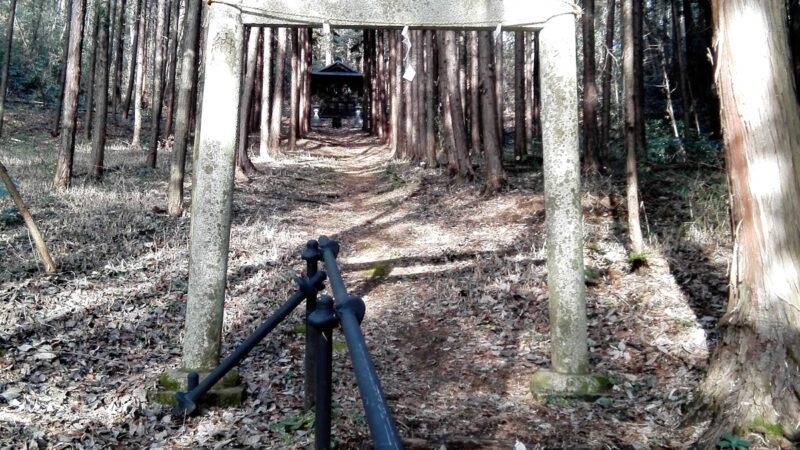
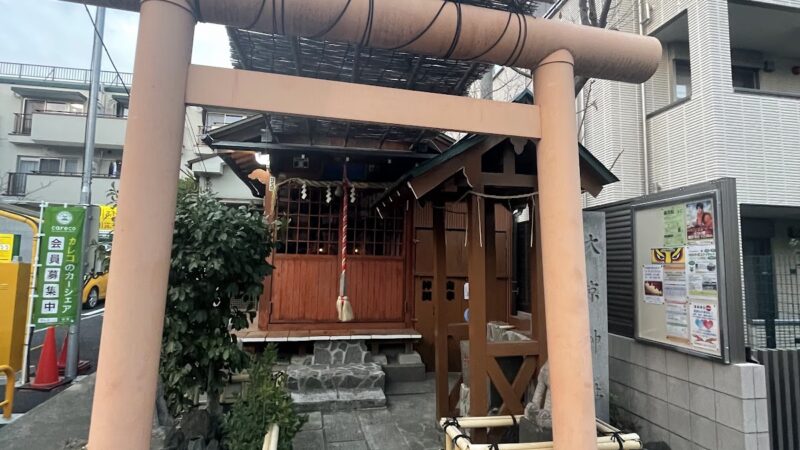
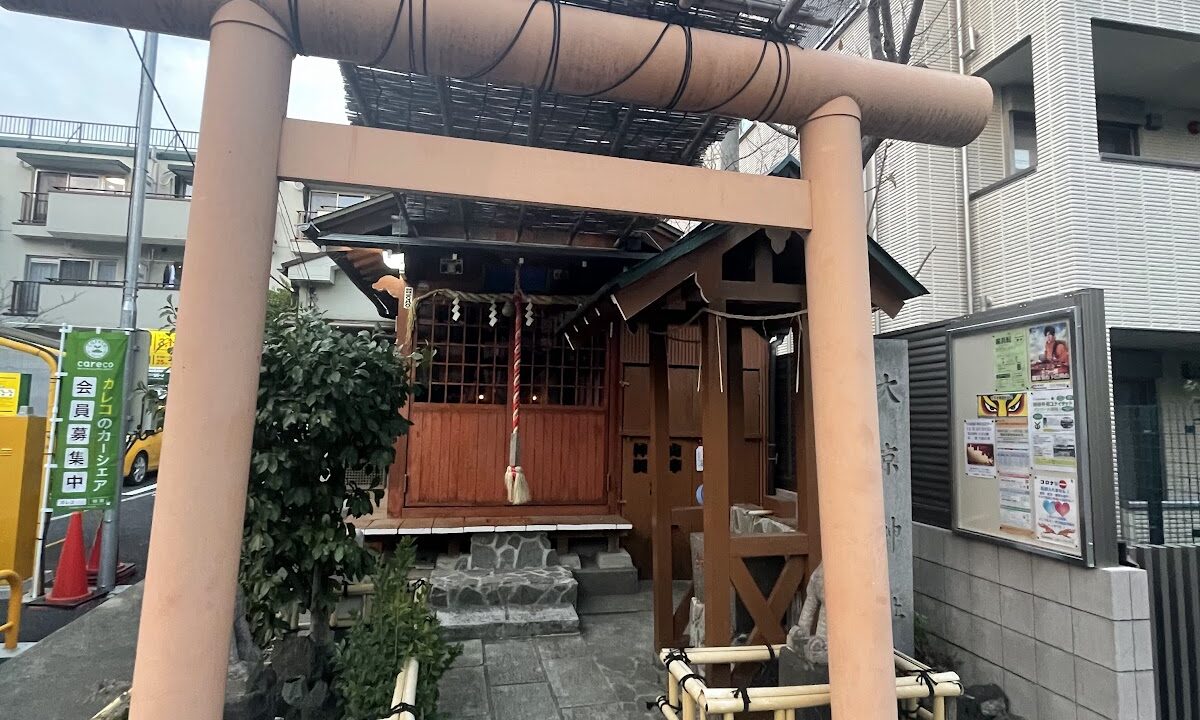
At the entrance to Daikyo Shrine stands a light vermilion torii gate. Located on a narrow back street in a residential area, it may be easily overlooked if not carefully observed. Passing through the torii gate reveals a compact yet clean shrine grounds.
Shrine Building
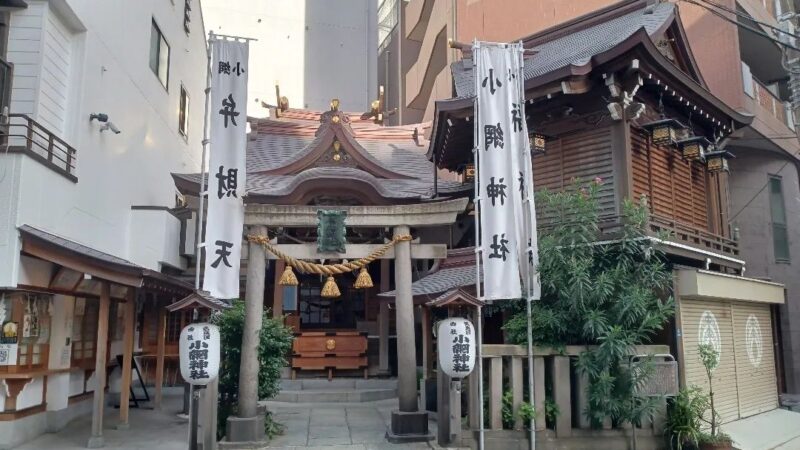
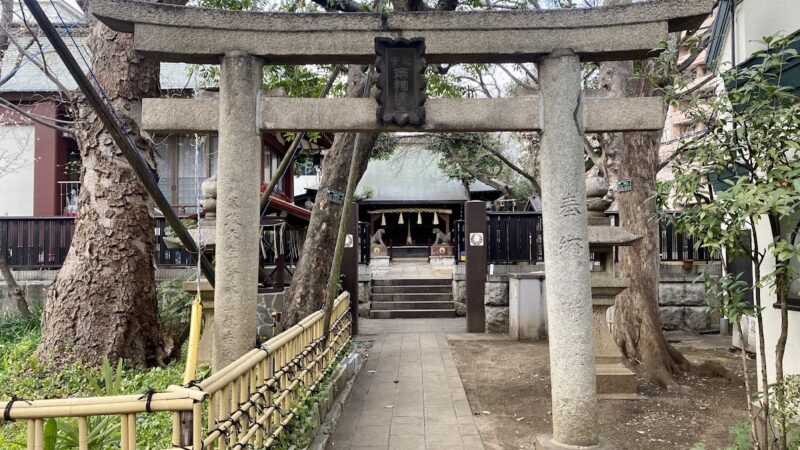
The current shrine building was rebuilt after the war. Although small in scale, it is meticulously maintained, reflecting the deep faith of the local people. The shrine building is a simple wooden structure, creating a tranquil atmosphere far removed from the hustle and bustle of the city.
Atmosphere of the Shrine Grounds
Daikyo Shrine is a small shrine located in a residential area of Shinjuku Ward. The grounds are very compact, and you can see everything in just a few minutes. However, its small size makes it approachable and creates a warm, community-oriented space.
Surrounded by houses, it offers a quiet and peaceful place to worship despite being in the heart of the city. While it lacks the grandeur of a large shrine, its charm lies in its simple atmosphere, cherished by the local community.
Access and Transportation Information
Access by Train
Nearest Station: Tokyo Metro Marunouchi Line “Yotsuya-Sanchome Station”
Directions from Yotsuya-Sanchome Station:
- Exit Yotsuya-Sanchome Station and proceed west along Shinjuku Street towards Shinjuku.
- Enter the residential area of Daikyo-cho.
- Arrive in approximately 3-5 minutes on foot.
The shrine is relatively close to the station and easily accessible. However, as it is located in a residential area, it is recommended to use a map app if visiting for the first time.
Other Nearest Stations
- Approximately 7-8 minutes on foot from Toei Shinjuku Line “Akebonobashi Station”
- Approximately 12-15 minutes on foot from JR Chuo/Sobu Line “Yotsuya Station”
Access by Car
Daikyo Shrine does not have its own parking lot. If visiting by car, you will need to use a nearby coin-operated parking lot. However, as it faces narrow roads in a residential area, using public transportation is recommended.
Manners and Etiquette for Visiting a Shrine
Basic Visiting Etiquette
- Bow before the Torii Gate: Before entering the shrine grounds, bow slightly before the torii gate.
- Purify yourself at the water basin: If there is a water basin, purify your hands and mouth (some small shrines may not have one).
- Offer your donation: Quietly place your donation into the offering box.
- Two bows, two claps, one bow: Bow deeply twice, clap twice, and finally bow deeply once.
- Bow when leaving the Torii Gate: When leaving the shrine grounds, turn around and bow once.
Points to Note When Visiting a Shrine
- As it is located in a residential area, please refrain from speaking loudly.
- The shrine grounds are small, so please be considerate of other visitors.
- Photography is permitted, but please be mindful of the privacy of surrounding residents.
- Please take your trash with you.
Nearby Attractions and Tourist Spots
Shinjuku Gyoen National Garden
Located about a 10-minute walk from Daikyo Shrine, Shinjuku Gyoen National Garden is one of Tokyo’s leading gardens. You can enjoy the beauty of nature throughout the seasons, including cherry blossoms in spring and autumn leaves. A leisurely stroll after visiting Daikyo Shrine is highly recommended.
Suga Shrine
Suga Shrine, known as a pilgrimage site for the movie “Your Name,” is also within walking distance. Several shrines are scattered around Yotsuya-Sanchome Station, making it a great place for shrine hopping.
Temples and Shrines around Yotsuya
- Oiwa Inari Tamiya Shrine: A shrine associated with Oiwa, famous from the Yotsuya Ghost Story.
- Sainenji Temple: A temple associated with Hattori Hanzo.
- Aizen-in Temple: A Shingon Buddhist temple dating back to the Edo period.
Restaurants and Cafes
The area around Yotsuya-Sanchome Station boasts a diverse range of restaurants, from long-established eateries to trendy cafes. Enjoying local cuisine before or after your visit to the shrine is a great idea.
History and Local Information of Daikyo-cho
The Origins of Daikyo-cho
The current Daikyo-cho was formed in 1943 (Showa 18) through the merger of Ukyo-cho and Oban-cho. The name “Daikyo” was created by taking one character each from “Ukyo” and “Oban.”
The name Ukyo-cho originates from Okubo Ukyo-no-suke, who had a residence in this area during the Edo period. Oban-cho, on the other hand, is said to derive its name from the fact that it was inhabited by samurai of the “Oban-gumi,” who were responsible for guarding Edo Castle.
The Current Daikyo-cho
The current Daikyo-cho is known as a relatively quiet residential area within Shinjuku Ward. Despite its proximity to the city center, it maintains a calm atmosphere, with apartments and detached houses lining the streets.
Its proximity to Shinjuku Gyoen National Garden and abundant greenery make it a popular area to live in. Daikyo Shrine is a valuable site that preserves the history of Daikyo-cho.
About Goshuin (Shrine Seals)
Daikyo Shrine is a small shrine, and therefore does not have a resident priest. It is possible that they do not usually issue Goshuin. If you wish to receive a Goshuin, it is recommended to check in advance.
Small shrines may have their priests affiliated with larger nearby shrines. If you absolutely want a Goshuin, it is advisable to inquire at nearby shrines.
Annual Events and Festivals
Daikyo Shrine is a small local shrine and does not hold large-scale festivals, but it is carefully maintained by the local residents.
Similar to typical shrines, the following annual events are likely to take place:
- New Year’s Day: First shrine visit of the year
- Setsubun: Setsubun Festival
- Annual Grand Festival: The annual grand festival
Specific dates and details may be available on local bulletin boards or by inquiring with nearby residents.
How to Enjoy Visiting Daikyo Shrine
As a Quiet Urban Oasis
The greatest charm of Daikyo Shrine is that, despite being located in a residential area in the heart of Tokyo, it offers a quiet and peaceful space. While close to the bustling Shinjuku district, stepping onto the shrine grounds allows you to escape the noise.
It’s the perfect shrine to casually drop by, a place to escape the hustle and bustle of everyday life and find some peace of mind.
As Part of a Historical Exploration
The history of Daikyo Shrine, which began as a samurai residence during the Edo period and has undergone name changes along with the changes in town names, tells the story of Tokyo’s urban history. Visiting it along with other temples and shrines in the surrounding area allows for a deeper understanding of the history of the Yotsuya and Shinjuku area.
Experiencing Local Faith
Unlike large tourist shrines, Daikyo Shrine is a simple shrine supported by local residents. The neatly swept grounds and well-maintained shrine buildings reflect the faith and affection of the local people.
Experiencing such “living faith” is one of the great pleasures of visiting a shrine.
Daikyo Shrine as a Photo Spot
Photogenic Points
- Light Vermilion Torii Gate: The torii gate standing in a residential area creates a beautiful contrast between urban life and tradition.
- Front View of the Shrine: The shrine building, though small, is well-maintained.
- Panoramic View of the Grounds: A photo capturing the entire compact grounds.
Precautions When Taking Photos
Since it is located in a residential area, please keep the following points in mind when taking photos:
- Be careful not to include surrounding houses in your photos.
- Take photos quietly and avoid disturbing nearby residents.
- Avoid taking photos early in the morning or at night.
- When posting on social media, be mindful of disclosing location information.
Summary: The Charm of Daikyo Shrine
Daikyo Shrine is a small shrine quietly nestled in a residential area in the heart of Tokyo, in Daikyo-cho, Shinjuku-ku, Tokyo. Founded during the early Edo period (Kan’ei and Shōhō eras) as a private shrine within the residence of Hatamoto (direct retainer of the shogun), Ōkubo Ukyō-no-suke Noritaka, the shrine has since changed its name from Akiba Shrine to Ukyō Shrine, and is now known as Ōkyō Shrine, attracting the faith of the local community.
Features of Ōkyō Shrine:
- Dedicated to Hino Kagutsuchi-no-kami and Ukanomitama-no-kami, prayed for protection against fire and a bountiful harvest.
- Conveniently located a 3-5 minute walk from Yotsuya-Sanchome Station.
- A quiet worship space nestled in a residential area.
- Tells the story of its history dating back to the Edo period and the changes in the town’s name.
- A local guardian shrine that has recovered from war damage.
Unlike large-scale tourist shrines, it is a simple, community-rooted shrine, but that is precisely why it offers a warmth and tranquility. Visiting it in conjunction with exploring Shinjuku Gyoen National Garden and surrounding temples and shrines will allow you to more deeply appreciate the history and culture of the Yotsuya and Shinjuku area.
When you’re tired of the hustle and bustle of the city, Daikyo Shrine is a place worth visiting to find peace of mind. If you’re ever in Yotsuya 3-chome, be sure to stop by.