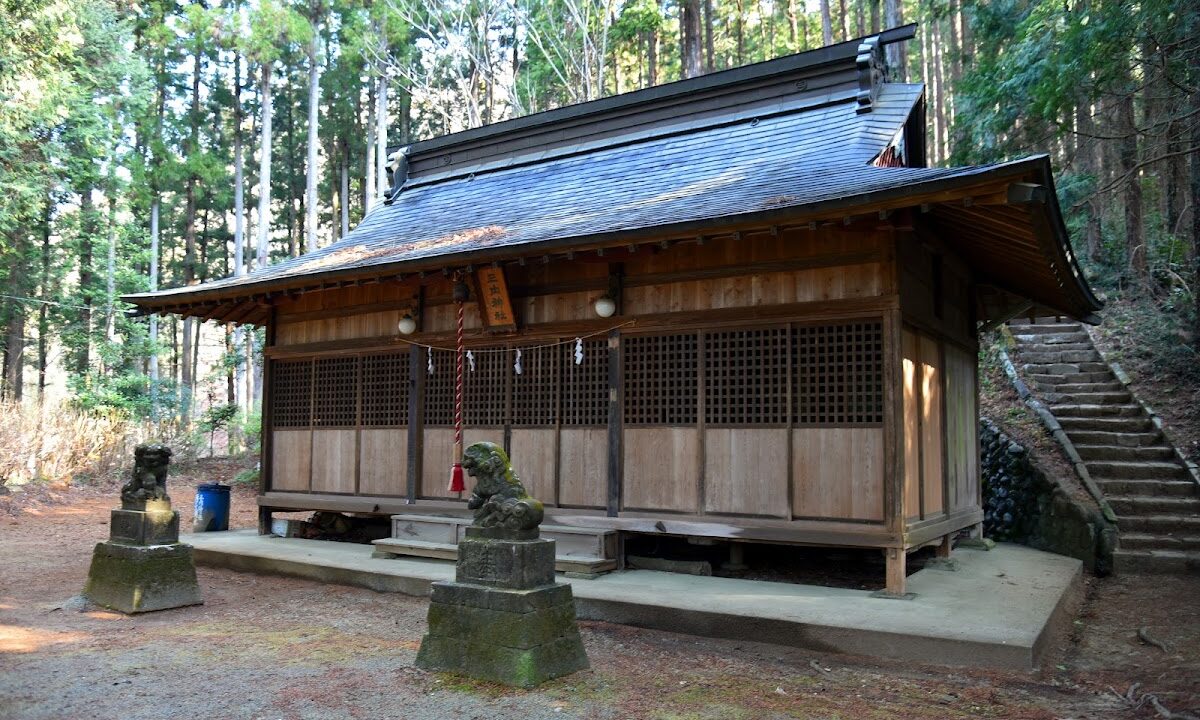
Complete Guide to Sannai Shrine (Akiruno City, Tokyo) | History, Access, and Highlights Explained in Detail
Sannai Shrine, located in Sannai, Akiruno City, Tokyo, is a historic shrine with shrine buildings at both the summit and foot of Mt. Tenjiku. It is an ancient shrine dating back to the time of Emperor Tenmu and continues to welcome many worshippers as a center of local faith. This article provides a detailed explanation of Sannai Shrine’s history, highlights, access methods, and surrounding attractions.
Basic Information on Sannai Shrine
Sannai Shrine is located in Sannai, Akiruno City, Tokyo, and has shrine buildings at two locations: the summit of Mt. Tenjiku (main shrine and inner shrine) and the foot of the mountain (village shrine).
Location and Access Information
Address
- Main Shrine (Inner Shrine): Sannai, Akiruno City, Tokyo (Tenjikuyama Summit)
- Lower Shrine: 114 Sannai, Akiruno City, Tokyo (Some sources list 190)
Nearest Station
- JR Itsukaichi Line “Musashi-Itsukaichi Station”
- Approximately 8-15 minutes on foot from the station (to the Lower Shrine)
- To reach the Main Shrine (summit), use the hiking trail from the Lower Shrine.
Transportation Access
The Lower Shrine is accessible on foot from Musashi-Itsukaichi Station. Exit the station and head south; after passing through the residential area, you will arrive in the Sannai district. Using map search services or smartphone navigation functions is recommended. Access by car is also possible, but hiking to the main shrine at the summit is required.
Annual Festival and Rituals
The annual festival of Sannai Shrine is held every year on September 1st. A traditional festival is held by local residents, making it an important annual event in the Akiruno region.
History of Sannai Shrine
Sannai Shrine is one of the oldest shrines in the Tama region of western Tokyo.
Founding and Ancient History
The founding of Sannai Shrine is believed to date back to the reign of Emperor Tenmu (673-686). This corresponds to the late Asuka period, a time when Japan’s shrine system was being established. Records show that the shrine building was constructed in 805 (Enryaku 24), indicating that it was already established as a center of local faith in the early Heian period.
From Sannomiya Daimyojin to Sannai Shrine
This area was formerly called “Akiru-go Sannomiya Village,” and Sannai Shrine was called “Sannomiya Daimyojin” (Sannomiya Great Deity) after this place name. This indicates that it was revered as the third shrine in the Akiru region. Later, when the village name was changed to “Sannai,” the shrine’s name also became the current “Sannai Shrine.”
Relocation during the Kyoho Era
A significant change occurred in 1718 (Kyoho 3). The shrine, previously located in a field at the foot of the mountain, was relocated to the summit of Tenjiku Mountain. This relocation in the mid-Edo period established the unique configuration where the main shrine (Okusha) is located at the summit and the lower shrine (Satomiya) is at the foot of the mountain. This arrangement connects mountain worship and village worship, reflecting the characteristics of the region’s religious practices.
Highlights of Sannai Shrine
Sannai Shrine is characterized by its unique structure with two worship halls: the main shrine at the summit and the lower shrine at the foot of the mountain.
Main Shrine (Okusha) at the Summit of Tenjiku Mountain
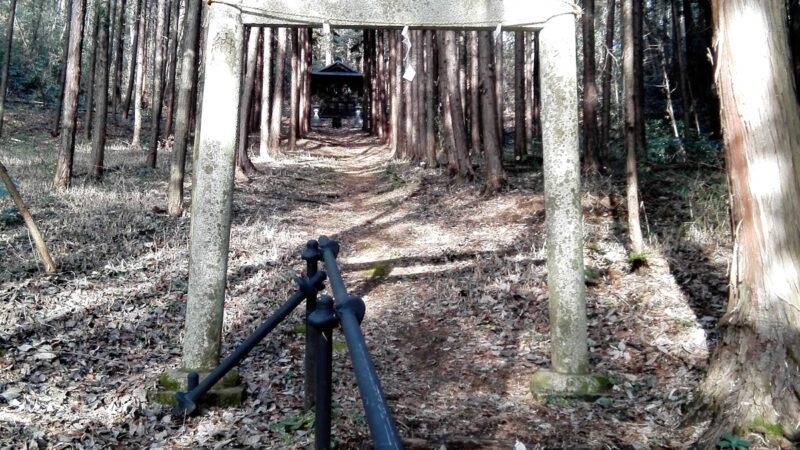
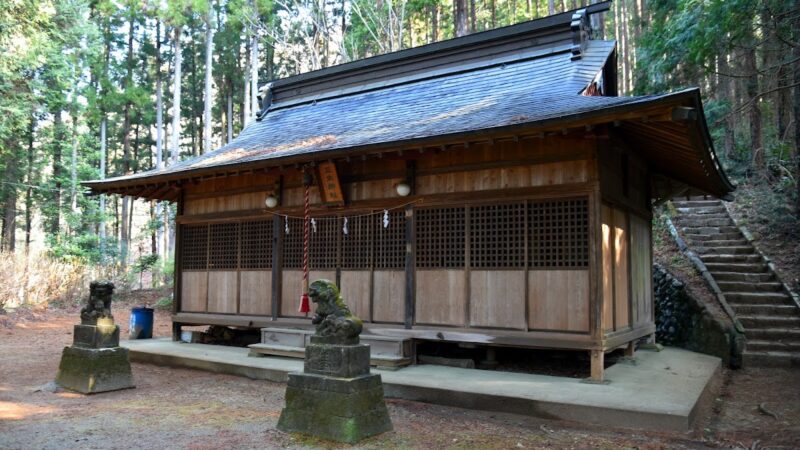
The main shrine (Okusha), situated at the summit of Tenjiku Mountain, is the central shrine of Sannai Shrine. From the summit, you can enjoy panoramic views of the surrounding landscape and worship in a tranquil atmosphere. Access to the summit is via a hiking trail, and the natural environment along the way is also a highlight. One of the biggest attractions of this shrine is the opportunity to enjoy the seasonal vegetation while visiting.
Foothill Shrine
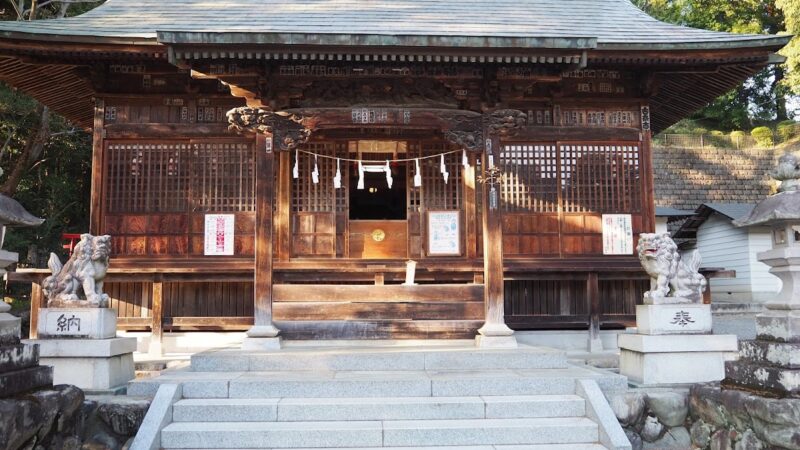
The foothill shrine is used for daily worship. Located within walking distance of Musashi-Itsukaichi Station, it serves as a familiar place of worship for local residents. Since the hiking trail to the main shrine begins from the foothill shrine, it also plays an important role as a starting point for worshippers.
Historic Grounds
The shrine grounds are dotted with stone monuments and lanterns that tell the story of its long history, allowing visitors to feel the history of the region. In particular, the space evokes a sense of the weight of history, having attracted the faith of the community for over 300 years since its relocation during the Kyoho era.
Spots Around Sannai Shrine
Besides Sannai Shrine, there are several other places worth visiting in the Sannai district of Akiruno City.
Ajiro Castle Ruins
Ajiro Castle Ruins are a notable spot near Sannai Shrine. Known as a mountain castle from the Sengoku period, it attracts attention from castle enthusiasts. When visiting Sannai Shrine, exploring these historical remains will deepen your understanding of the region’s history.
Tenjin Shrine
In the same Sannai area, you’ll find Tenjin Shrine. As a shrine dedicated to Sugawara no Michizane, the god of learning, it attracts the faith of the local community. Many people visit both Sannai Shrine and Tenjin Shrine.
Around Musashi-Itsukaichi Station
The area around Musashi-Itsukaichi Station, the nearest station, is lined with restaurants and shops, making it convenient for resting or eating before or after visiting the shrine. The station also offers good access to the Akigawa Valley, making it a useful base for nature walks.
Detailed Access to Sannai Shrine
This section provides a detailed explanation of how to access Sannai Shrine.
Access by Train
Using the JR Itsukaichi Line
- From Shinjuku, take the JR Chuo Line to Tachikawa Station.
- Transfer to the JR Ome Line at Tachikawa Station and go to Haijima Station.
- Transfer to the JR Itsukaichi Line at Haijima Station and get off at Musashi-Itsukaichi Station.
- From Musashi-Itsukaichi Station, it’s about an 8-15 minute walk to the shrine.
The total travel time from Shinjuku is approximately 1 hour and 30 minutes.
Access by Car
Route from Major Roads
- Approximately 30 minutes from the Chuo Expressway “Hachioji IC”
- Approximately 15 minutes from the Ken-O Expressway “Akiruno IC”
Regarding parking, there is limited space around the shrine; there are no large parking lots. We recommend using public transportation.
How to Use Maps and Navigation
Searching for “Sannai Shrine Akiruno City” in your smartphone’s map app will display route guidance from your current location. It is registered with major map services such as Yahoo! Maps and Google Maps, allowing you to check detailed maps and information on surrounding facilities.
Characteristics of Akiruno City and the Sannai District
Akiruno City, where Sannai Shrine is located, is a naturally rich area in western Tokyo.
Overview of Akiruno City
Akiruno City was formed in 1995 through the merger of Akikawa City and Itsukaichi Town. Located in the western part of the Tama region, it is characterized by its rich natural environment, including the Akikawa Valley. Despite being approximately 50 kilometers from the city center, it maintains an environment where you can enjoy nature throughout the four seasons.
History of the Sannai District
The Sannai district was formerly known as Sannomiya Village and was part of Akirugo. It developed as a settlement centered on agriculture, and a local community was formed with Sannai Shrine as the center of worship. Even today, it remains a quiet residential area with a rural landscape.
Points to Note and Manners When Visiting
Here are some points to note when visiting Sannai Shrine. ### Visiting the Main Shrine at the Summit
When visiting the main shrine at the summit of Mt. Tenjiku, preparation for hiking is necessary. Please note the following:
- Wear comfortable shoes and clothing.
- Be careful as the hiking trail may be slippery depending on the weather.
- Bring water for hydration.
- Wear appropriate gear for the season (insect repellent in summer, warm clothing in winter).
General Etiquette for Visiting the Shrine
- Bow when passing through the torii gate.
- Walk along the sides of the path, as the center is considered the path of the gods.
- Cleanse your hands and mouth at the purification fountain.
- Perform the ritual of two bows, two claps, and one bow in front of the main hall.
- Be quiet and considerate of other visitors within the shrine grounds.
Photography
Photography is generally permitted within the shrine grounds, but consideration for other visitors is necessary. Please follow instructions if there are areas where photography is prohibited, such as inside the main hall.
The Four Seasons of Sannai Shrine
Sannai Shrine is a shrine where you can enjoy the beauty of nature in every season.
Spring at Sannai Shrine
In spring, cherry blossoms and wildflowers bloom in the shrine grounds and along the hiking trails, and the shrine welcomes a beautiful season of fresh greenery. April to May is the perfect time to enjoy both worship and nature walks.
Summer at Sannai Shrine
In summer, the shrine is enveloped in deep green, creating a cool atmosphere. The temperature at the summit is lower than in the lowlands, making it possible to visit the shrine while escaping the heat. However, insect repellent is essential.
Autumn at Sannai Shrine
Autumn, when the annual festival is held on September 1st, is the busiest season at Sannai Shrine. Also, from October to November, the autumn leaves are beautiful, and the scenery from the foot of Mt. Tenjiku to the summit is magnificent.
Winter at Sannai Shrine
Winter is a season when there are fewer visitors, allowing for a quiet visit. Snow sometimes accumulates, and the shrine buildings amidst the snowy landscape have a particularly beautiful appearance. However, caution is necessary regarding the condition of the hiking trails.
Nearby Tourist Attractions and Hot Springs
Akiruno City has many tourist attractions besides Sannai Shrine.
Akigawa Valley
Accessible by bus from Musashi-Itsukaichi Station, Akigawa Valley boasts some of the most beautiful valley scenery in Tokyo. Enjoy outdoor activities such as playing in the clear stream, barbecues, and hiking.
Hinohara Hot Spring Village
Hinohara Village, located west of Akiruno City, has several hot spring facilities. A plan to relax and unwind in a hot spring after visiting Sannai Shrine is highly recommended.
Itsukaichi Local History Museum
This facility allows you to learn about the history and culture of the Itsukaichi region. You can obtain useful information for understanding the historical background of Sannai Shrine.
Tips for Map Search and Information Gathering
Here are some methods for gathering information before visiting Sannai Shrine.
Utilizing Map Services
Searching for “Sannai Shrine” on major map services such as Yahoo! Maps, Google Maps, and Mapion will provide detailed maps, route guidance, and information on surrounding facilities. Downloading smartphone apps will be convenient for on-site navigation.
Telephone Directory and Facility Information Websites
Various telephone directory websites list the address and phone number of Sannai Shrine, as well as information on nearby shrines, temples, and Buddhist sites. This is useful when planning a trip to multiple facilities.
Checking User Reviews
Map services and review sites feature reviews from people who have actually visited the shrine. You can obtain practical information such as the best season to visit, the time required, and points to note.
Summary: The Charm of Sannai Shrine
Sannai Shrine has a long history, dating back to its founding during the reign of Emperor Tenmu. It is a unique shrine with its shrine buildings located on the summit and foot of Mt. Tenjiku. Despite being located in Akiruno City, Tokyo, which is easily accessible from the city center, it is a valuable place where you can enjoy a peaceful visit amidst a rich natural environment.
Combining the convenience of being within walking distance of Musashi-Itsukaichi Station with the adventurous element of climbing to the main shrine at the mountaintop, Sannai Shrine offers various styles of pilgrimage. Traditional events, including the annual festival on September 1st, are still observed, allowing visitors to experience the region’s history and culture.
Nearby, there are numerous tourist attractions such as the Ajiro Castle ruins and the Akigawa Valley, making it possible to enjoy the nature and history of Akiruno City for a full day. Using map search or smartphone navigation functions will ensure easy access even for first-time visitors.
Why not plan a visit to Sannai Shrine, a hidden historical spot in western Tokyo? The beauty of nature throughout the seasons and the unique atmosphere woven from over 1300 years of history are sure to create a memorable experience.