Complete Guide to Shoichii Iwabashiri Shrine (Akiruno City, Tokyo) | Goshuin (Shrine Seal), History, Access, and Annual Festival Information
Located in Ina, Akiruno City, Tokyo, Shoichii Iwabashiri Shrine is a historically significant shrine founded in the late Heian period by people who migrated from Shinano Province. During the Edo period, it received the highest rank of Shinto deity, Shoichii, from Emperor Kokaku.
This article comprehensively introduces information about Shoichii Iwabashiri Shrine, including its history, enshrined deities, blessings, goshuin (shrine seal), access methods, and annual festival. Please use this as a guide when visiting Akiruno City.
Basic Information on Shoichii Iwahashi Shrine
Location: 1575 Ina, Akiruno City, Tokyo (Some sources list 1573, but 1575 is the official address)
Phone Number: 042-596-2109
Nearest Station: Approximately 18 minutes on foot from Musashi-Masudo Station on the JR Itsukaichi Line
Shrine Rank: Former Village Shrine
Annual Festival: September 15th (One of Akiruno’s three major festivals)
Main Deities:
- Wakahirume-no-Mikoto
- Tajikarao-no-Mikoto
- Tanabata-hime-no-Mikoto
Shoichii Iwahashi Shrine is a shrine belonging to the Tokyo Metropolitan Shrine Association and has a long history as a center of local faith.
History and Origins of Shoichii Iwahashi Shrine
Founding History: Migration from Shinano Province and the Invitation of Togakushi Shrine
The founding of Shoichii Iwahashi Shrine dates back to Ninpei 2 (1152). In this year, at the end of the Heian period, twelve residents moved from Ina District, Shinano Province (present-day Ina region, Nagano Prefecture) to this area and established a new village.
Having left their homeland, they invited a divided spirit from Togakushi Shrine (present-day Nagano City, Nagano Prefecture), which was revered as the guardian shrine of Shinano Province, and enshrined it here. It is believed that they particularly enshrined Tajikarao-no-Mikoto, enshrined in the inner sanctuary of Togakushi Shrine, as the central deity.
The background to this founding lies in the social turmoil of the late Heian period and the history of pioneering in search of new lands. It is thought that the migrants found solace in enshrining the gods of their homeland and prayed for prosperity in their new land.
Granting the Divine Rank of “First Rank”: Imperial Recognition by Emperor Kōkaku
The origin of the name “First Rank Iwahashi Shrine” lies in a historical event that occurred in 1794 (Kansei 6).
At that time, a parishioner of the shrine, Fujiwara Buzen-no-kami Miyazawa Yasumichi, was recognized for his talent in calligraphy and invited to Kyoto to serve as a calligraphy teacher to Emperor Kōkaku. While serving the Emperor, Miyazawa Yasumichi had the opportunity to present information about his hometown shrine.
As a result, he received an imperial recognition from Emperor Kōkaku of the divine rank of First Rank. First Rank is the highest rank among the divine ranks and is an extremely prestigious rank. With this recognition, the shrine, previously simply called “Iwahashi Shrine” or “Togakushi Daimyōjin,” was renamed First Rank Iwahashi Shrine.
This event was an extremely rare instance of a small local village shrine receiving a divine rank directly from the Emperor, greatly elevating the shrine’s status. ### From the Edo Period to the Present
Throughout the Edo period, the Shoichii Iwahashi Shrine served as the guardian shrine of Ina Village (present-day Ina district, Akiruno City), attracting the faith of local residents. During the Meiji era’s shrine system reforms, it was ranked as a village shrine, and even after the war, it has continued as a spiritual pillar of the community.
Even today, many worshippers visit the shrine during the annual festival, and the tradition of parading portable shrines and floats through the streets is preserved, making it an important cultural event in Akiruno City.
Deities and Benefits
Wakahirume-no-Mikoto
Wakahirume-no-Mikoto is a goddess said to be either the younger sister of Amaterasu-Omikami or Amaterasu-Omikami in her youth. Known as the goddess of weaving, she is considered the guardian deity of industries related to textiles and clothing.
Benefits: Improvement in skills and crafts, improved sewing skills, protection of women, industrial development
Tajikarao-no-Mikoto
Tachikarao-no-Mikoto is known as the god of strength who opened the rock cave when Amaterasu-Omikami hid there. He is one of the main deities enshrined at Togakushi Shrine and symbolizes the fact that Shoichii Iwahashi Shrine was founded by immigrants from Shinano Province.
Benefits: Strength, prayers for victory, improvement in sports, overcoming difficulties, protection from evil
Tanabata-hime-no-Mikoto
Tanabata-hime-no-Mikoto is the goddess of weaving, also associated with Orihime from the Tanabata legend. Like Wakuhime-no-Mikoto, she presides over weaving techniques and is revered as a goddess who watches over diligence and the improvement of skills.
Benefits: Improvement in skills and crafts, improvement in sewing, successful relationships, fulfillment of wishes
General Benefits
At Shoichii Iwahashi Shrine, the following benefits are believed to be granted through the divine virtues of the enshrined deities:
- Protection from evil and disaster
- Good health and protection from illness
- National peace and security
- Fulfillment of wishes
- Prayers for victory
- Improvement in skills and crafts
- Industrial development
- Family safety
In particular, due to the worship of Tajikarao-no-Mikoto, the god of strength, many athletes and people facing competitions visit the shrine.
Highlights and Cultural Assets on the Shrine Grounds
Shrine Buildings
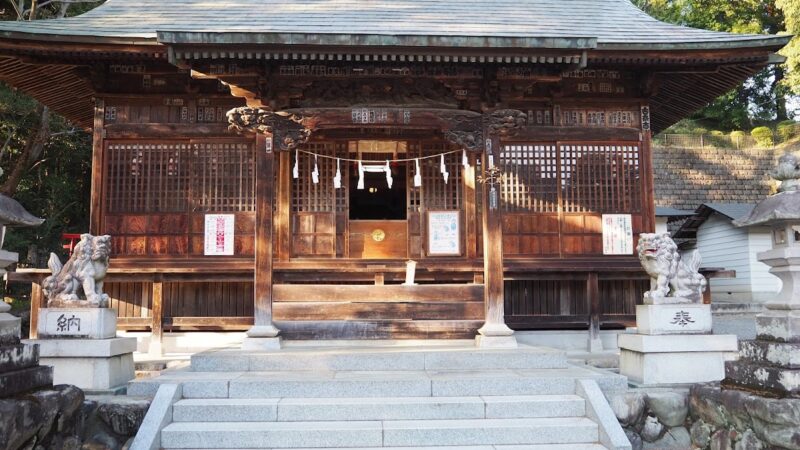
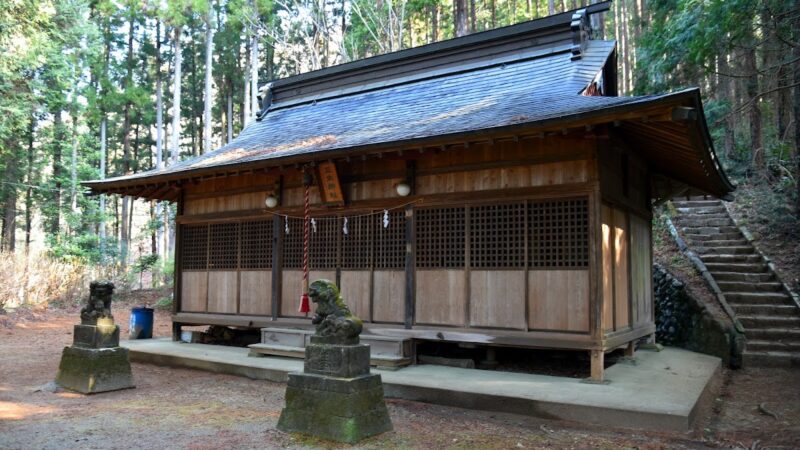
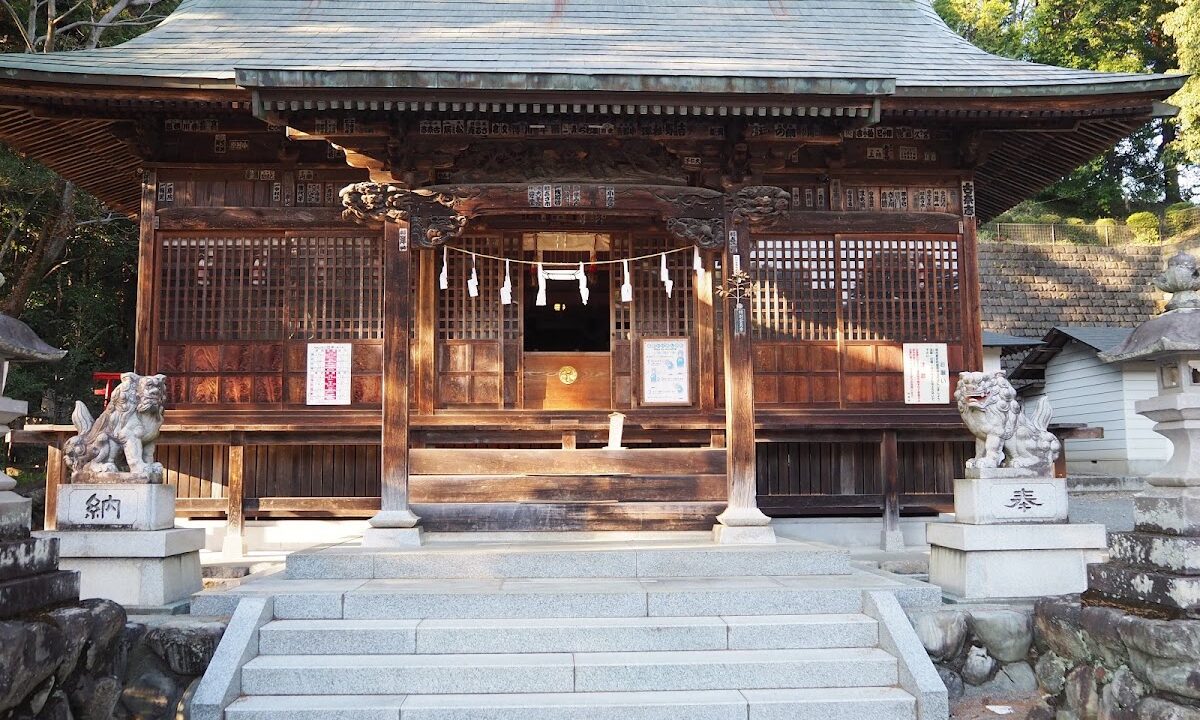
The shrine buildings of Shoichii Iwahashi Shrine maintain the traditional style of shrine architecture. Both the main hall and the worship hall have a calm atmosphere, providing a peaceful environment for worship.
The area surrounding the shrine is lush with ancient trees, creating a peaceful space for worship in a rich natural environment far from the city center.
Torii Gate and Approach
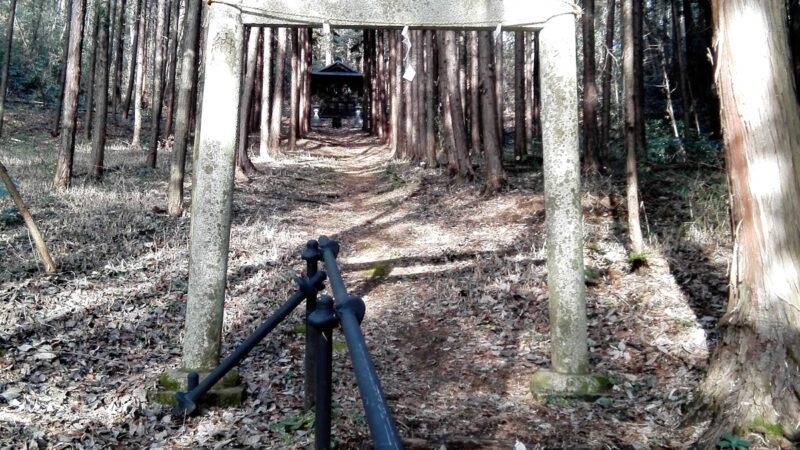
A magnificent torii gate stands at the entrance to the shrine, and the approach leads to the main hall. Walking along the approach, one can leave the hustle and bustle of everyday life behind and compose oneself in this sacred space.
Stone Monuments and Historical Records
Within the shrine grounds, there are stone monuments and historical records that tell the history of the shrine, allowing visitors to learn about its history from its founding to the granting of the highest rank of Shinto deity.
Surrounding Natural Environment
Shōichii Iwahashi Shrine is located in a naturally rich area near the Akigawa Valley. The Shin-Akigawa Bridge spans the area, allowing visitors to enjoy the beautiful scenery of each season. Especially during the autumn foliage season, many visitors come to enjoy nature walks in addition to their worship.
Goshuin (Shrine Seal) and Goshuincho (Shrine Seal Book) Information
About Goshuin
Shōichii Iwahashi Shrine offers goshuin to worshippers. A Goshuin (temple/shrine stamp) serves as proof of your visit and is a precious memento of your connection with the shrine.
Features of a Goshuin:
- Calligraphy of “Shoichii Iwahashi Shrine”
- Shrine seal
- Date of visit
A Goshuin is carefully written as proof of your visit. It is customary to complete your prayers before visiting the shrine office to receive a Goshuin.
Points to Note When Receiving a Goshuin
Prior Confirmation is Important: The shrine office at Shoichii Iwahashi Shrine may not be open all the time. If you wish to receive a Goshuin, it is recommended to call ahead to confirm or visit during events such as the annual festival.
Bring Your Goshuincho (Stamp Book): When receiving a Goshuin, please bring your Goshuincho. If you do not have a Goshuincho, you may be given a pre-written Goshuin.
Offering Fee: Generally, it is around 300 to 500 yen, but this varies depending on the shrine. It’s a good idea to have small change ready so you don’t need to give change.
How to Enjoy a Pilgrimage for Goshuin (Shrine/Temple Stamps)
Around Akiruno City, there are many shrines and temples besides Shoichii Iwahashi Shrine. Visiting nearby temples and shrines such as Daihiganji Temple will make for a more fulfilling pilgrimage experience.
Access Method
Access by Train
Nearest Station: JR Itsukaichi Line “Musashi-Masudo Station”
Route from the Station:
- Get off at Musashi-Masudo Station
- Approximately 18 minutes on foot from the station (approximately 1.4 km)
- Walk along the railway tracks towards Akigawa
- Aim for the vicinity of Shin-Akigawa Bridge
From Musashi-Masudo Station, the route is relatively flat and easy to follow. On a sunny day, it’s recommended to enjoy a stroll along the way.
About the JR Itsukaichi Line:
- From central Tokyo: Transfer at JR Chuo Line “Tachikawa Station,” then transfer to JR Itsukaichi Line at JR Ome Line “Haijima Station.”
- From Shinjuku to Musashi-Masudo Station: Approximately 1 hour 30 minutes to 2 hours.
Access by Car
Travel Time from Major Locations:
- From Shinjuku: Approximately 34 minutes (under normal conditions)
- From Hachioji area: Approximately 15 minutes via Ken-O Expressway “Akiruno IC.”
Parking: There are parking spaces around the shrine, but congestion is expected during events such as the annual festival. We recommend using public transportation whenever possible.
Landmarks in the Area
- Shin-Akigawa Bridge
- Akigawa Valley
- Daihiganji Temple (nearby temple)
Regarding the address, some sources list it as “Ina 1573,” but officially, “Ina 1575” is considered the correct address. When using car navigation systems or smartphone map apps, it is recommended to search by the shrine’s name as a precaution.
Annual Festival and Regular Events
Annual Festival (September 15th)
The most important festival of the Shoichii Iwahashi Shrine is the Annual Festival, held every year on September 15th. This festival is counted as one of the Akiruno’s Three Great Festivals and is an important cultural event in the region.
Highlights of the Annual Festival:
- Portable Shrine Procession: The shrine’s portable shrine parades through the parish area. The sight of the portable shrine parading through the town accompanied by the energetic shouts of the bearers is breathtaking.
- Float Procession: Traditional floats parade through the town in a procession. Musicians ride on the floats, playing festival music as they move forward.
- Shinto Rituals: Solemn Shinto rituals are performed in the main shrine building, praying for a bountiful harvest, community safety, and the prosperity of the parishioners.
- Community Vibrancy: During the annual festival, stalls line the streets, and the entire community is enveloped in a festive atmosphere.
Other Annual Events
New Year’s Day Festival (January 1st): A festival praying for happiness and peace in the new year.
Setsubun Festival (around February 3rd): A ritual to ward off evil and invite good fortune.
Summer Purification Ceremony (June 30th): A Shinto ritual to cleanse away the impurities accumulated over the past six months.
Year-End Purification Ceremony (December 31st): A Shinto ritual to cleanse away the impurities of the past year and welcome the new year with purity.
These events serve as important opportunities to deepen community bonds while preserving the traditions of the shrine.
Manners and Etiquette for Visiting a Shrine
Basic Etiquette for Visiting a Shrine
- Bow Before Passing Through the Torii Gate
- As a sign of respect upon entering the sacred area, bow before the torii gate.
- Walk along the edge of the path, as the center is considered the path of the gods.
- Purify at the Water Basin
- Purify your left hand, then your right hand.
- Receive water in your left hand and rinse your mouth.
- Finally, purify the handle of the ladle.
- Worship at the Main Hall
- Place your offering in the offering box.
- Ring the bell if there is one.
- Worship using the two bows, two claps, and one bow ritual.
- Behavior on the Shrine Grounds
- Worship quietly and with respect.
- Photography is often permitted, but refrain from taking pictures inside the shrine buildings.
Attire for Visiting a Shrine
There are no specific dress code requirements, but please dress appropriately for a sacred place. It’s best to avoid overly revealing or flashy clothing.
Nearby Tourist Attractions
Daihiganji Temple
Located near Shoichii Iwahashi Shrine, this ancient temple houses important cultural properties of Akiruno City. Visiting it in conjunction with a shrine visit will allow you to gain a deeper understanding of the region’s history and culture.
Akigawa Valley
A representative natural landscape of Akiruno City, where you can enjoy its beauty throughout the seasons. It attracts many tourists, especially during the summer river activities and the autumn foliage season.
Shin-Akigawa Bridge
A bridge spanning the Akigawa River, it’s a popular spot for strolling around the area. From the bridge, you can enjoy a panoramic view of the clear waters of the Akigawa River and the surrounding nature.
Other Shrines and Temples in Akiruno City
Besides Shoichii Iwahashi Shrine, Akiruno City has many other historical shrines and temples. If you have time, a pilgrimage to visit several temples and shrines is highly recommended.
Best Time of Year and Day for Visiting
Recommended Season
Spring (March-May): The fresh greenery is beautiful, and the mild weather makes it ideal for visiting.
Autumn (September-November): September, when the annual festival is held, and October-November, when the autumn leaves are beautiful, are especially recommended. You can enjoy them in conjunction with the autumn foliage of the Akigawa Valley.
Summer (June-August): The greenery is lush, and many people visit during this season to combine it with playing in the Akigawa River. However, heat protection is essential.
Winter (December-February): For those who want to visit in peace, winter is also recommended as there are fewer people. New Year’s events such as the New Year’s Day Festival have a solemn atmosphere.
Visiting Hours
While Shoichii Iwahashi Shrine is generally open to visitors, the shrine office has limited hours. If you wish to receive a Goshuin (shrine stamp) or amulet, it is recommended to check by phone in advance.
Generally, the best time to visit is between 9:00 AM and 4:00 PM.
The Charm and Significance of Visiting Shoichii Iwahashi Shrine
Shoichii Iwahashi Shrine boasts a history of over 850 years since its founding at the end of the Heian period. It is a shrine with a special history even within Tokyo, combining the faith of immigrants from Shinano Province with the prestige indicated by the highest divine rank of Shoichii bestowed upon it by Emperor Kokaku.
Located in a lush natural environment slightly removed from the city center, the quiet space where one can feel the weight of history while praying offers a precious place of peace for modern people.
The strength of Tajikarao-no-Mikoto, the divine virtues of Wakuhime-no-Mikoto and Tanahatahime-no-Mikoto’s artistic abilities, and the prestige indicated by the highest divine rank of Shoichii—all these elements merge at Shoichii Iwahashi Shrine, warmly welcoming visitors with various wishes, such as protection from misfortune, prayers for victory, and improvement in artistic skills.
When visiting Akiruno City, be sure to visit the Shōichii Iwahashi Shrine and experience its history and divine power. Whether you experience the lively atmosphere of the annual festival or the quiet daily visit, you’ll feel the shrine’s charm in each way.
Summary
Shōichii Iwahashi Shrine is a historical shrine located in Ina, Akiruno City, Tokyo, founded in the late Heian period. It was established by immigrants from Shinano Province who invited a divided spirit from Togakushi Shrine, and during the Edo period, it received the honor of being granted the rank of Shōichii (First Rank) by Emperor Kōkaku.
The enshrined deities are Wakuhime-no-Mikoto, Tajikarao-no-Mikoto, and Tanahatahime-no-Mikoto, and it is believed to offer blessings for protection against misfortune, victory, and improvement in skills. The annual festival on September 15th is one of Akiruno’s three major festivals and a significant local event.
Located approximately 18 minutes on foot from Musashi-Masudo Station on the JR Itsukaichi Line, the shrine boasts excellent accessibility and can be easily combined with visits to nearby tourist attractions such as the Akigawa Valley and Daihiganji Temple. If you wish to receive a Goshuin (shrine stamp), it is recommended to confirm availability by phone in advance.
Shōichii Iwahashi Shrine offers a peaceful and serene experience of worship amidst a rich natural environment, steeped in history and tradition. Despite being within Tokyo, it is a beloved shrine for many visitors seeking a special escape from the hustle and bustle of the city.