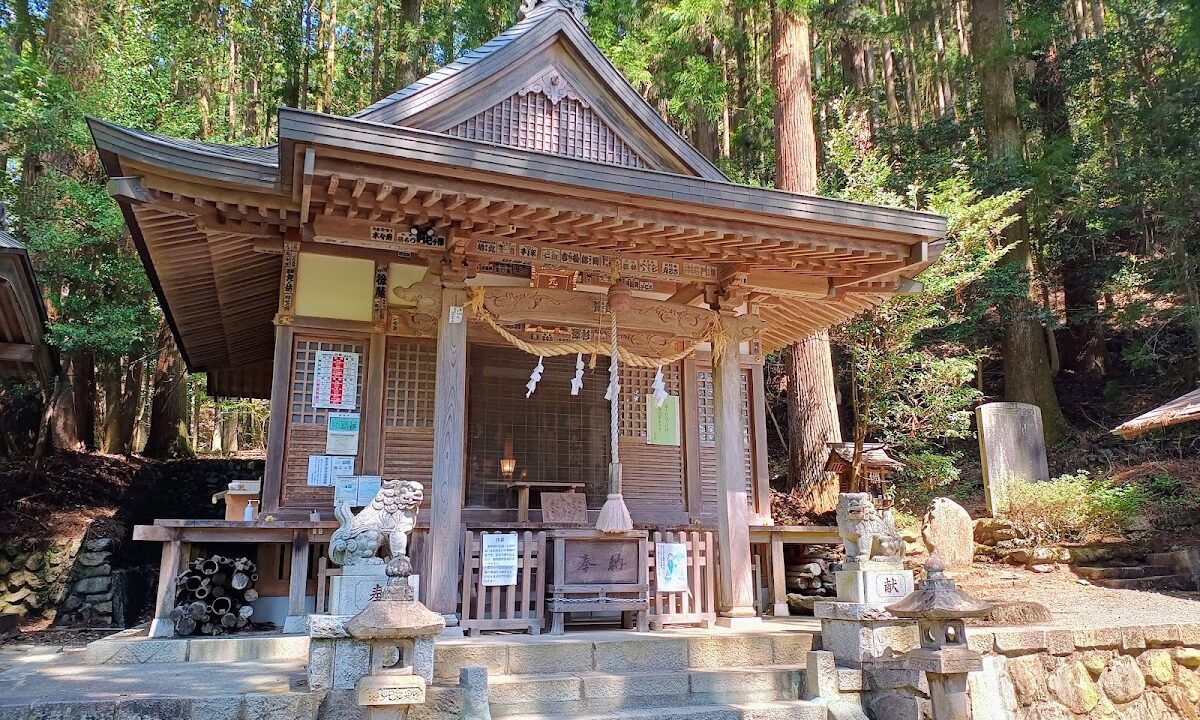
Complete Guide to Kuzuryu Shrine (Tokyo) | A Thorough Explanation of the Two Shrines in Hinohara Village and Tama City
There are several shrines called “Kuzuryu Shrine” within Tokyo. Particularly famous are the main shrine located in Kazuma, Hinohara Village, Nishitama District, and the branch shrine located in Sekido (Seiseki Sakuragaoka), Tama City. This article provides a comprehensive explanation of these Kuzuryu Shrines in Tokyo, from visiting information and history to goshuin (shrine stamps) and their appeal as power spots.
What is Kuzuryu Shrine? | Two Major Sacred Sites in Tokyo
Kuzuryu Shrine is a shrine that enshrines Kuzuryu Okami (Kuzuryu Okami). Two main Kuzuryu Shrines are known within Tokyo, each with its own distinct history and characteristics.
The Kuzuryu Shrine in Hinohara Village is a venerable main shrine, established through a branch shrine from Togakushi Shrine in Nagano Prefecture, and is characterized by its mystical atmosphere surrounded by deep mountain nature. Meanwhile, Kuzuryu Shrine in Sekido, Tama City, has long been revered as the water deity of the Tama River.
Both shrines are known as power spots that attract worshippers from all over Japan, and are believed to bring good fortune in work, finances, and relationships.
Basic Information on Kuzuryu Shrine in Hinohara Village
Location and Access
Address: 7076 Kazuma, Hinohara Village, Nishitama District, Tokyo 190-0221
Phone: 042-598-6135
Access by Public Transportation
To reach Kuzuryu Shrine in Hinohara Village, take the Nishi-Tokyo Bus from Musashi-Itsukaichi Station (the last stop on the JR Itsukaichi Line) for approximately 70 minutes, get off at the Kazuma bus stop, and walk for about 5 minutes. Access from Okutama Station is also possible, but since bus services are limited, it is recommended to check the timetable in advance.
Due to its location deep in the mountains, access by car is convenient. It’s about a 40-minute drive from the Uenohara Interchange on the Chuo Expressway via National Route 20 and prefectural roads, or about a 60-minute drive from the Akiruno Interchange on the Ken-O Expressway.
Visiting Hours
Visiting Hours: No restrictions (24-hour visitation possible)
Shrine Office Hours: 9:00 AM – 4:00 PM
While you are free to visit the shrine grounds, if you wish to receive a Goshuin (shrine stamp) or other items, you must visit during the shrine office’s opening hours.
Deities and History
Deities:
- Kuzuryu Okami
- Amenotajikarao no Mikoto
It is said that Kuzuryu Shrine was founded in 1545 (Tenbun 14) by Nakamura Ise-no-kami Fujiwara Nobuyoshi, who invited the deity from Togakushi Village, Nagano Prefecture (present-day Togakushi Shrine) and established this branch shrine in this location. Togakushi Shrine is known as the head shrine of the Kuzuryu Okami faith, and the shrine in Hinohara Village is an important base for enshrining a分霊 (bunrei, a divided spirit) of this deity.
Kuzuryu Okami is a dragon god who controls water, and is believed to grant blessings for rain, abundant harvests, business prosperity, and good fortune. Furthermore, Ame-no-Tajikarao-no-Mikoto is known as a god of strength who appears in the Amano-Iwato myth, and is worshipped for granting the power to overcome difficulties.
Highlights of Kuzuryu Shrine in Hinohara Village
Atmosphere of the Shrine Grounds
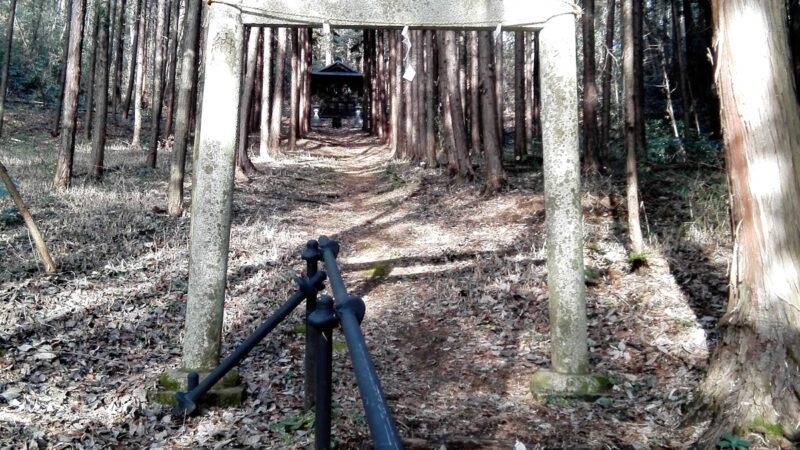
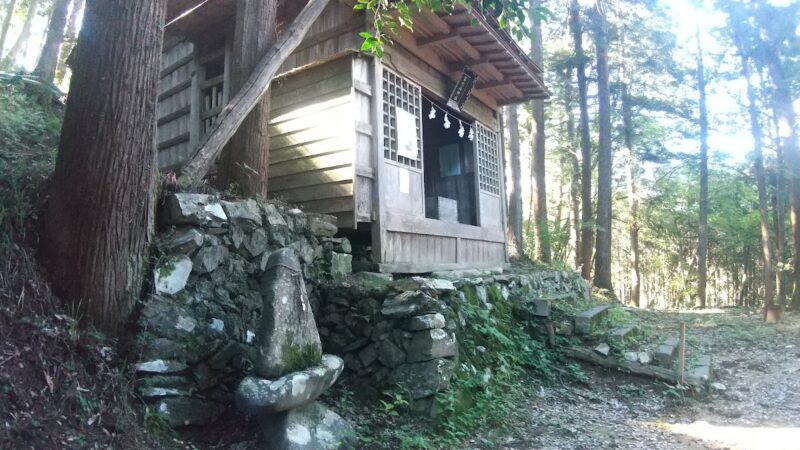
Kuzuryu Shrine in Hinohara Village is located deep in the mountains, a place that seems almost unbelievable for Tokyo. Although small, the grounds are enveloped in a solemn atmosphere, and a tranquil space surrounded by cedar trees unfolds.
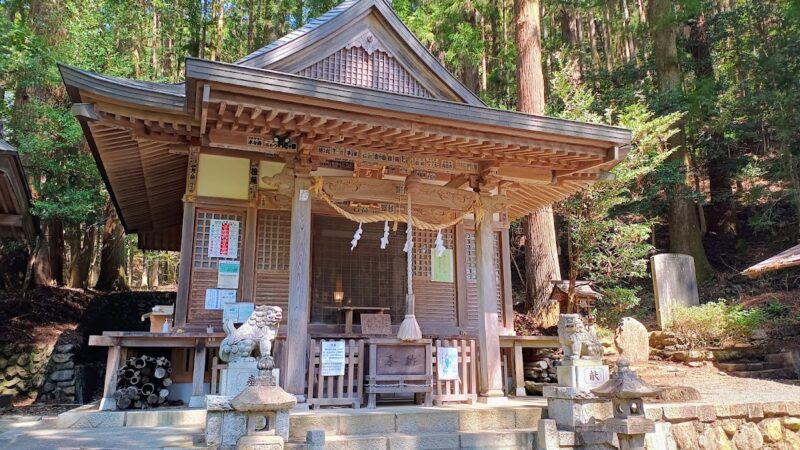
The main hall, though simple, is meticulously maintained, reflecting the deep faith of the local people. From the grounds, you can see the surrounding mountains, and it attracts many visitors as a power spot where you can feel the energy of nature.
Kuzuryu Falls | The Ultimate Power Spot
Kuzuryu Falls is located about 150 meters (3 minutes’ walk) from Kuzuryu Shrine. This waterfall, with a drop of approximately 10 meters, is considered a sacred place where Kuzuryu Okami (the Great God of Nine Heads) descended, and is known as a power spot on par with the shrine.
The area around the waterfall is enveloped in a sacred atmosphere, and the sound of the waterfall and the silence of the forest soothe the soul. Many visitors come to the waterfall after visiting the shrine, feeling the energy of the pure water. It is known as a hidden gem, frequented by many celebrities, including entertainers and athletes.
The path to the waterfall is well-maintained, but since it is a mountain trail, comfortable walking shoes are recommended.
Festival Designated as a Tokyo Metropolitan Intangible Folk Cultural Property
Kuzuryu Shrine holds its annual grand festival twice a year, on March 3rd and September 15th. Especially during the annual festival in September, the “Daikagura” and “Sanbiki Shishimai” (three lion dances), both designated as Intangible Folk Cultural Properties of Tokyo, are performed.
Daikagura was designated as an Intangible Folk Cultural Property of Tokyo on March 31, 1979, and is passed down as a traditional performing art with a long and rich history. The lion dance and the Bakamen Hayashi (foolish mask dance) are also designated as cultural properties and are valuable cultural heritage of Hinohara Village.
These festivals are carefully preserved by the local people, and on festival days, the normally quiet mountain shrine becomes bustling with many worshippers.
Information on Goshuin (Shrine Seals) at Kuzuryu Shrine, Hinohara Village
Location of Goshuin Issuance
At Kuzuryu Shrine in Hinohara Village, there is no permanent shrine office on the grounds, so goshuin are issued at a slightly unusual location.
Goshuin (Shrine Seal) Issuance Location: “Yamashiro,” a traditional Japanese inn (approximately 2 minutes’ walk from Kazuma bus stop, down the hill)
The shrine office is located inside the entrance of “Yamashiro,” an accommodation facility run by the shrine’s managing family. You can receive a Goshuin here. It’s located about 100 meters downhill from the Kazuma bus stop, in the opposite direction from the shrine.
Donation Fee: 300 yen
Issuance Hours: 9:00 AM – 4:00 PM (Advance contact recommended as staff may be absent)
The Goshuin are carefully handwritten. While pre-printed Goshuin may be available, they are generally written directly into your Goshuin book.
Goshuin Design
The Goshuin of Kuzuryu Shrine features a simple yet powerful design with “Kuzuryu Shrine” written in ink in the center, “Homage” in the upper right corner, and the date of visit on the left. The Goshuin includes the shrine’s seal and a date stamp.
As befits a shrine dedicated to the Dragon God, the calligraphy exudes a powerful energy, making it a popular souvenir for visitors.
Basic Information on Kuzuryu Shrine in Sekido, Tama City
Location and Access
Address: 4-19-2 Sekido, Tama City, Tokyo (within Kuzuryu Park)
Nearest Station: Approximately 10 minutes on foot from Seiseki-Sakuragaoka Station on the Keio Line
The shrine is located within Kuzuryu Park, heading towards the Tama River from Seiseki-Sakuragaoka Station. While situated in a residential area, it enjoys a quiet environment close to the Tama River.
Deity and History
Deity: Kuzuryu Okami
The history of Kuzuryu Shrine in Sekido, Tama City, is ancient. Legend says that during a great flood in the Middle Ages, a dragon-like figure with nine heads drifted upstream to the Sekido Ogawara area. The local people enshrined this as a sacred object, and this is said to be the origin of the shrine.
For centuries, Kuzuryu Shrine has been revered as the water deity of the Tama River, attracting worshippers from the surrounding area. It is believed to offer protection from water-related disasters, ensure abundant harvests, and bring prosperity to businesses. Due to its location facing the large Tama River, there is a deep-seated faith in the dragon god who controls water, and it is cherished as a guardian deity of the region.
Features of the Shrine Grounds
Kuzuryu Shrine in Tama City is a small shrine located within Kuzuryu Park. While smaller in scale than the shrine in Hinohara Village, it possesses a warm, community-oriented atmosphere.
Located very close to the Tama River, it is a healing spot where visitors can pray while listening to the gentle murmur of the river. The park also has playground equipment, making it a family-friendly environment.
Benefits and the Power Spot Appeal of Kuzuryu Shrine
Main Benefits
Kuzuryu Shrine is believed to offer the following benefits:
- Improved Financial Luck and Wealth: The Dragon God is worshipped as a deity that attracts wealth.
- Business Prosperity: Many business owners visit the shrine hoping for success in their ventures.
- Matchmaking and Successful Relationships: Believed to have the power to bring about good relationships.
- Good Fortune and Prosperity: Enhances luck in all aspects of life.
- Protection from Water Disasters: Protection as a deity that controls water.
- Abundant Harvest: Prosperity in agriculture and production activities.
- Overcoming Difficulties: Overcoming obstacles with the power of Ame-no-Tajikarao-no-Mikoto.
In particular, many visitors pray for improved career luck and financial fortune, and the shrine is known to attract business owners and entrepreneurs from all over Japan.
Characteristics as a Power Spot
Kuzuryu Shrine in Hinohara Village is known as one of the leading power spots in Tokyo. The reasons are as follows:
- Natural Energy: Located deep in the mountains, surrounded by primeval forests.
- Water Power: Nearby is the pure water source of Kuzuryu Falls.
- Dragon God Worship: Dragons are considered the strongest divine beasts and possess powerful energy.
- Tranquil Environment: A sacred space far removed from the secular world.
- Historical Background: A legitimate branch shrine of Togakushi Shrine.
Many visitors testify that “the air is different” and “they can feel the energy,” making it popular among those seeking spiritual experiences.
Etiquette and Manners for Visiting Kuzuryu Shrine
Proper Worship Etiquette
When visiting Kuzuryu Shrine, please observe the following basic etiquette.
- Bow before passing through the torii gate: Show respect when entering the sacred area.
- Purify yourself at the water basin: Purify your left hand, then your right hand, then your mouth.
- Avoid the center of the path: The center is considered the path of the gods.
- Two bows, two claps, one bow: This is the basic etiquette for worship.
- Express gratitude: Express not only your wishes but also your daily gratitude.
Precautions for Visiting Shrines in Mountainous Areas
Kuzuryu Shrine in Hinohara Village is located deep in the mountains, so please note the following points.
- Attire: Wear comfortable shoes suitable for walking.
- Seasonal Attire: Take precautions against the cold in winter and insects in summer.
- Time Management: Check the return bus schedule as there are few buses.
- Cell Phone Signal: Signal may be weak in mountainous areas.
- Restroom: It is recommended to use the restroom beforehand.
If you plan to visit Kuzuryu Falls, you will need to walk further along mountain trails, so sufficient preparation is necessary.
Information on Souvenirs and Amulets
At Kuzuryu Shrine in Hinohara Village, various souvenirs can be obtained at the shrine office (located inside the traditional Japanese inn “Yamashiro”).
Main Items Offered
- Amulets: Various amulets for good fortune, wealth, matchmaking, etc.
- Talismans: Talismans for family safety, business prosperity, etc.
- Ema (votive tablets): You can write your wishes and offer them.
- Goshuincho (stamp book): Kuzuryu Shrine’s original goshuincho (stamp book) (subject to availability)
The types and availability of items offered may vary depending on the time of year. If you wish to purchase a specific item, it is recommended to inquire in advance.
Nearby Tourist Spots and Recommended Information
Around Hinohara Village
Hinohara Village has many attractions besides Kuzuryu Shrine.
Hossawa Falls
A famous waterfall selected as one of Japan’s Top 100 Waterfalls. A beautiful four-tiered waterfall, it can also be seen frozen in winter.
Hinohara Tokyo Metropolitan Forest
A metropolitan forest park located at an altitude of over 1,000 meters. Ideal for hiking and nature observation.
Hot Spring Facilities
Hinohara Village has hot spring facilities where you can enjoy a day trip, such as “Shogai Seishun no Yu Tsurutsuru Onsen.” It’s perfect for relaxing after visiting the shrine.
Kazuma no Yu
A day-trip hot spring facility close to Kuzuryu Shrine. You can also enjoy meals made with local ingredients.
Around Sekido, Tama City
Seiseki Sakuragaoka Area
An area known as the setting for the Ghibli film “Whisper of the Heart.” “Pilgrimages” to the locations that served as models for the film are popular.
Tama River Riverbed
A nature-rich environment perfect for walks and cycling. You can enjoy the scenery of each season.
Annual Events and Festivals Calendar
Hinohara Village, Kuzuryu Shrine
March 3rd: Spring Grand Festival
A festival celebrating the arrival of spring is held.
September 15th: Autumn Grand Festival
The most important festival. The Daikagura, Sanbiki Shishimai (three lion dance), and Bakamen Bayashi (foolish mask music), all designated as Tokyo Metropolitan Intangible Folk Cultural Properties, will be performed. Many worshippers from both within and outside the region visit, making it a valuable opportunity to appreciate traditional performing arts.
New Year’s Day: First Shrine Visit of the Year
A visit to the shrine for the New Year. Due to its mountainous location, there is a possibility of snow, so caution is advised when accessing the shrine.
Tama City, Sekido – Kuzuryu Shrine
As a small local shrine, large-scale festivals are not held, but daily worship by local residents continues.
Deep Dive into the History of Kuzuryu Shrine
Relationship with Togakushi Shrine
Kuzuryu Shrine in Hinohara Village is a branch shrine established by inviting the deity from Togakushi Shrine in Nagano Prefecture. Togakushi Shrine is known as the setting for the legend of Ama-no-Iwato and is a sacred, ancient shrine with a Kuzuryu Shrine dedicated to Kuzuryu Okami.
The Kuzuryu Okami of Togakushi was originally a water deity and dragon god worshipped as a local guardian deity, and this worship was brought to Hinohara Village. It is believed that the shrine was established in 1545, during the Sengoku period, due to the faith of the warlords and local rulers of the time.
Historical Background of Hinohara Village
Hinohara Village is the only remaining “village” in Tokyo and has long prospered from forestry and charcoal production. Its geographical location deep in the mountains has fostered a unique culture and beliefs.
The Kuzuryu Shrine has served as a spiritual pillar of this region, attracting the faith of those engaged in agriculture and forestry. The worship of the dragon god who controls water is also an expression of gratitude and prayer for the water source essential to life in the mountainous region.
Changes Since the Modern Era
Through the separation of Shinto and Buddhism in the Meiji era and the wars of the Showa era, the Kuzuryu Shrine has been preserved by the local people. The designation of Daikagura as a cultural property in 1979 (Showa 54) became an important turning point in preserving the region’s traditional culture.
In recent years, due to the rise of the power spot boom and increased interest in spirituality, its popularity has grown nationwide, and the number of visitors from far away has also increased. This small mountain shrine continues to be a spiritual haven for many people in modern times.
Photography Tips
Kuzuryu Shrine, Hinohara Village
Recommended Photo Spots:
- The entire view including the torii gate and main hall
- The atmosphere of the shrine grounds surrounded by cedar trees
- The full view of Kuzuryu Waterfall and the flow of water
- The Daikagura and lion dance at the annual festival (September 15th)
Photography Etiquette:
- Be considerate and avoid disturbing other worshippers
- Refrain from taking photos inside the main hall
- Check the permitted photography area during festivals
- Be considerate of other worshippers when using tripods
Kuzuryu Shrine, Sekido, Tama City
Due to its location within a park, photography is relatively free, but consideration for surrounding residents is necessary as it is close to a residential area.
Visitor Experiences and Reviews
Visitor Voices
“I was overwhelmed by the tranquility and sacred atmosphere, which is hard to believe is in Tokyo. The Kuzuryu Waterfall was also wonderful, and I felt my soul cleansed.” (Male, 40s, Business Owner)
“Access is difficult, but it’s a shrine well worth it. After visiting, I was blessed with good connections in my work.” (Female, 30s, Company Employee)
“I was able to see the Daikagura performance at the annual festival. I was moved by the efforts of the local people who continue to preserve traditional culture.” (Male, 50s, Teacher)
“It’s a small shrine, but I feel a strong energy. It has a mysterious charm that makes me want to visit regularly.” (Female, 20s, Self-Employed)
Nearby Shrines and Temples
Around Hinohara Village
Kasuga Shrine
Another shrine within Hinohara Village. It is worshipped as the local guardian deity.
Otake Shrine
A mountain worship shrine located near the summit of Mt. Otake.
Around Tama City
Sekido Kumano Shrine
An ancient shrine located in Sekido, Tama City. Many people visit it along with Kuzuryu Shrine.
Ono Shrine
A Shikinaisha (shrine listed in the Engishiki) located in Ichinomiya, Tama City. It enjoys high status as the Ichinomiya (first-ranked shrine) of Musashi Province.
Summary | Recommendations for Visiting Kuzuryu Shrines in Tokyo
The Kuzuryu Shrines in Tokyo each possess their own unique charm. The shrine in Hinohara Village is appealing for its mystical atmosphere in a deep mountainous area, the power spot of Kuzuryu Falls, and its traditional cultural festivals. The shrine in Sekido, Tama City, is characterized by its easy accessibility and its history as a water deity of the Tama River.
Both shrines are supported by the powerful spiritual efficacy of dragon god worship and the fervent faith of the local people. Visitors from all over Japan come seeking blessings for various aspects of life, such as career success, financial fortune, and matchmaking.
Located within Tokyo, yet offering a sanctuary away from the hustle and bustle of the city, Kuzuryu Shrine provides a place to calm the mind and receive renewed energy. Why not visit it at least once? Visiting the shrine in Hinohara Village, especially in conjunction with Kuzuryu Falls, will provide a deeper spiritual experience.
When visiting, please remember to show gratitude and respect for nature, observe proper etiquette, and pray with a calm heart. May the blessings of the Dragon God bring good fortune to your life.
Frequently Asked Questions (FAQ)
Q1: Can I drive to Kuzuryu Shrine in Hinohara Village? Is there parking?
A1: Yes, it is accessible by car. There are a few parking spaces near the shrine, but the number is limited, so you may need to use nearby parking lots during busy times. Especially during the annual festival (September 15th) and on holidays, congestion is expected, so please consider using public transportation. The road is a narrow mountain road, so please drive with caution.
Q2: Where can I get a Goshuin (temple/shrine stamp) from Kuzuryu Shrine?
A2: The Goshuin from Kuzuryu Shrine in Hinohara Village is not given at the shrine office on the shrine grounds, but at the shrine office located inside the entrance of the old farmhouse inn “Yamashiro,” down the slope from the Kazuma bus stop. The offering fee is 300 yen, and the reception hours are from 9:00 to 16:00. Since staff may be absent, it is recommended to call in advance (042-598-6135) to confirm availability.
Q3: How long does it take to get to Kuzuryu Falls?
A3: It takes about 3 minutes on foot from Kuzuryu Shrine to Kuzuryu Falls, a distance of about 150 meters. The path is well-maintained, but it is a mountain trail, so comfortable shoes are recommended. Allow about 15-20 minutes round trip, including time spent at the waterfall.
Q4: Can I visit the shrine in winter? What are the snow conditions like?
A4: While it is possible to visit the shrine in winter, Hinohara Village is at a high altitude and may experience snowfall. Especially from January to February, road icing and snow can make access difficult. If visiting in winter, check road conditions beforehand and ensure you have snow tires or chains. Public transportation may also be suspended or delayed, so please check weather information.
Q5: What is the relationship between the Kuzuryu Shrine in Sekido, Tama City, and the Kuzuryu Shrine in Hinohara Village?
A5: The two shrines are independent shrines with separate histories. The Kuzuryu Shrine in Hinohara Village was established in 1545 (Tenbun 14) by inviting a deity from the Togakushi Shrine in Nagano Prefecture, while the Kuzuryu Shrine in Sekido, Tama City, is said to have originated from the worship of a dragon that washed ashore during a great flood in the Middle Ages. Both enshrine Kuzuryu Okami, but there is no direct relationship between them.
Q6: What are the blessings of visiting Kuzuryu Shrine?
A6: The main blessings of Kuzuryu Shrine include improved financial luck, business prosperity, successful matchmaking, good fortune, protection from water-related disasters, and abundant harvests. Many visitors pray for improved career and financial luck, with business owners and entrepreneurs being particularly prominent. The dragon god is worshipped as a deity that attracts wealth, and the shrine is known as a power spot that enhances luck in all aspects of life.
Q7: When is the annual festival? Can I see the Daikagura?
A7: Kuzuryu Shrine in Hinohara Village holds two annual festivals. The spring festival is on March 3rd, and the autumn festival is on September 15th. The Daikagura, Sanbiki Shishimai (three lion dance), and Bakamen Bayashi (foolish mask music), which are designated as Tokyo Metropolitan Intangible Folk Cultural Properties, are performed at the autumn festival on September 15th. The general public can attend, but it is expected to be crowded, so early arrival is recommended. ### Q8: How do I get to Kuzuryu Shrine in Seiseki-Sakuragaoka?
A8: Kuzuryu Shrine in Sekido, Tama City, is about a 10-minute walk from Seiseki-Sakuragaoka Station on the Keio Line. Head towards the Tamagawa River from the station; the shrine is located within Kuzuryu Park. It’s situated in a residential area and within a park, making it relatively easy to visit. While parking is available in the park’s parking lot, spaces are limited, so using public transportation is recommended.
Q9: What is appropriate attire for visiting the shrine?
A9: Kuzuryu Shrine in Hinohara Village is located in a mountainous area, so comfortable clothing and walking shoes are essential. Especially if visiting Kuzuryu Falls, sneakers or trekking shoes are recommended as you will be walking on mountain paths. Remember insect repellent in summer and warm clothing in winter. The shrine in Sekido, Tama City, is located within a park, so everyday clothes are acceptable, but please dress appropriately for visiting a shrine. ### Q10: Are there any accommodations?
A10: Hinohara Village has several accommodations, including “Kominka no Yado Yamashiro.” “Yamashiro” also serves as the office for Kuzuryu Shrine, making it a lodging with strong ties to the shrine. Other options include guesthouses, pensions, and campsites. For those who want to enjoy the nature of Hinohara Village at a leisurely pace, staying overnight and visiting the shrine the following morning is recommended. Around Sekido in Tama City, there are business hotels near Seiseki-Sakuragaoka Station.