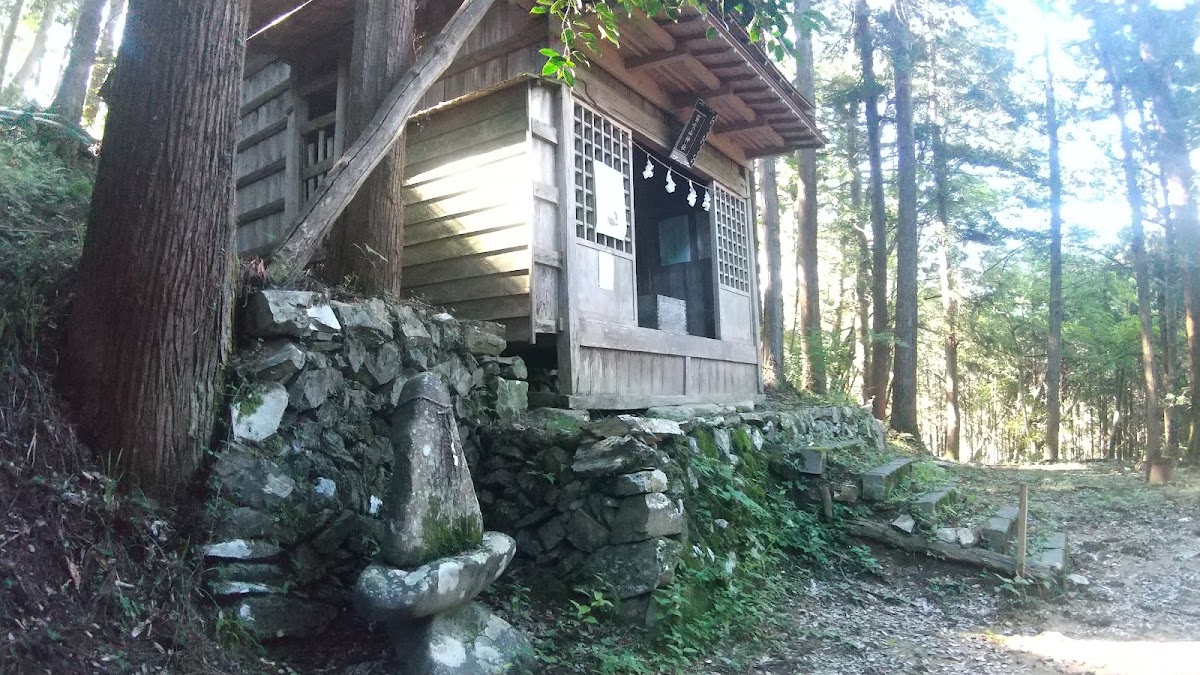
Complete Guide to Fuefukiyama Shrine (Hinohara Village, Tokyo): From the Origin of the Difficult-to-Read Place Name “Uzushiki” to Visiting Information
Fuefukiyama Shrine (Uzushikiyama Jinja), nestled in the mountainous region of Hinohara Village, Nishitama District, Tokyo, has long been revered by the local people as the spiritual center of the Uzushiki area, known as one of Japan’s most difficult-to-read place names. This article provides a comprehensive explanation of the shrine’s history, the origin of its unique place name, the geographical characteristics of the surrounding area, and access methods.
Basic Information on Fuefukiyama Shrine
Location and Overview
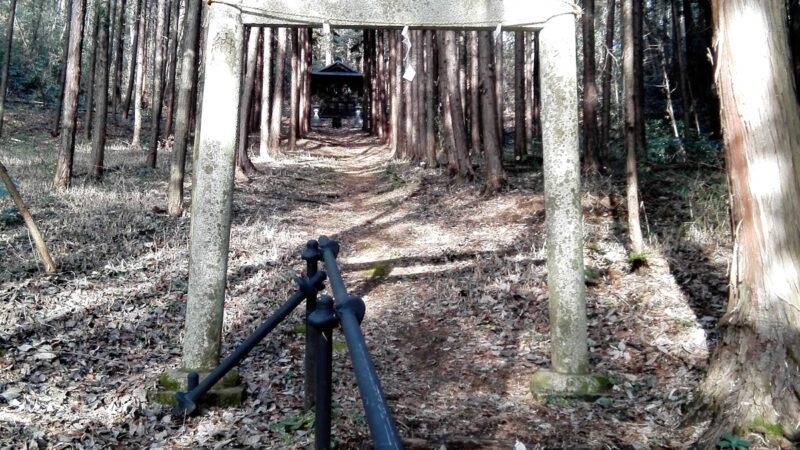
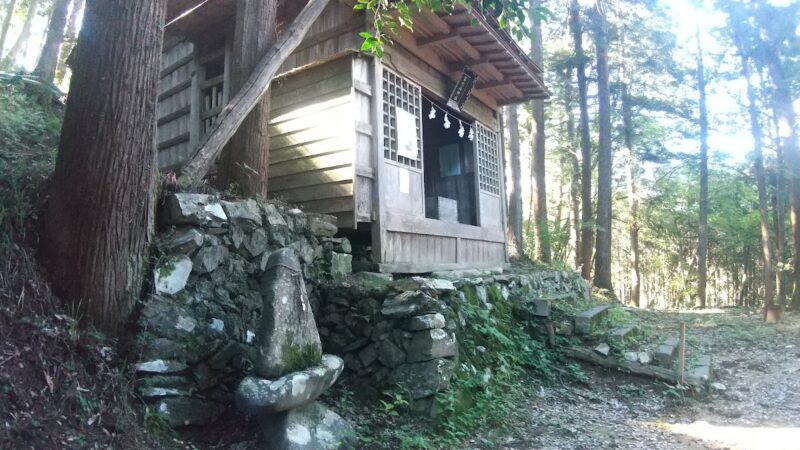
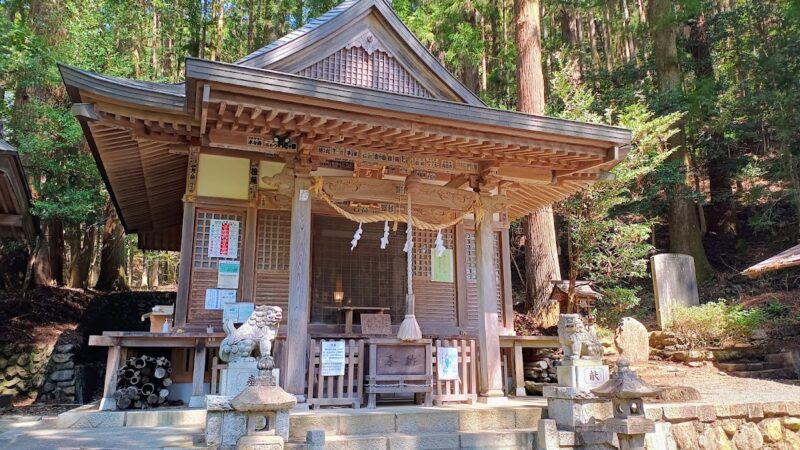
Fuefukiyama Shrine is located at 2121 Hinohara Village, Nishitama District, Tokyo. Hinohara Village is the only village in Tokyo, located approximately 60 kilometers west of the city center, at the westernmost edge of the Okutama region. In a naturally rich environment where approximately 93% of the village’s area is covered by forest, Fuefukiyama Shrine has long been revered by local residents as the guardian deity of the settlement.
The Fuefuki district, where the shrine is located, is a small settlement formed along a tributary of the Akigawa River, presenting the typical appearance of a mountain village surrounded by steep mountains. The elevation of this area is approximately 400-500 meters, offering a tranquil mountain village landscape that is hard to believe is within Tokyo.
Historical Background of Fuefukiyama Shrine
While there are no clear records regarding the founding date of Fuefukiyama Shrine, traditions passed down by local elders and the surrounding historical context suggest that it has been an object of worship since ancient times. Given that the shrine is central to the spiritual life of the settlement, it is highly likely that it has been worshipped since the time when people began to settle in this area.
The Hinohara Village area has long been a region where mountain worship is prevalent, and it is presumed that Fuefukiyama Shrine was established as part of this faith. As a shrine dedicated to the gods of mountains and water, it was an indispensable presence for the local residents engaged in agriculture and forestry.
The Mystery of the Difficult-to-Read Place Name “Uzushiki”
The Reason for Multiple Pronunciations
One of the most distinctive features of Fuefukiyama Shrine is the pronunciation of its place name. While the kanji characters are written as “吹吹,” in Hinohara Village, there are multiple pronunciations, including “Uzushiki,” “Uzuhiki,” and “Usofuki.”
The Hinohara Village official website uses the pronunciation “Uzushiki,” but the Geographical Survey Institute’s maps sometimes show it as “Uzuhiki.” Furthermore, some local elders reportedly pronounce it “Usofuki,” and this diversity has attracted the interest of place name researchers.
On the other hand, looking at Yamanashi Prefecture, there are place names (Fuefuki City, Fuefuki River, etc.) that use the same kanji characters but are pronounced “Fuefuki.” This contrast is an interesting example that suggests differences in the process of place name formation and cultural background.
Various Theories Regarding the Origin of the Place Name
Several theories have been proposed regarding the origin of the place name “Uzushiki.”
Theory of Immigrant Groups: One prominent theory suggests that the name was brought by a group of immigrants who settled in this area. Considering that Fuefukiyama Shrine is the spiritual center of the settlement, it’s possible that the linguistic background of the group that built the shrine is reflected in the place name. The hypothesis that the name “Uzushiki” evolved from the phonemes of ancient Korean or Chinese is also being debated among researchers.
Theory of Topography: Since the sound “uzu” evokes the word “whirlpool,” another theory suggests the name was derived from the swirling topography of water currents or the wind swirling around the mountains. Indeed, the Fuefuki area is located in a valley surrounded by steep mountains, a topography prone to unique weather conditions.
Acoustic Phenomenon Theory: One theory suggests that the area was named “Uzushiki” (meaning “whistle sound”) due to a unique acoustic phenomenon in mountainous regions—specifically, a whistling sound produced when the wind blew. This name later evolved into “Uzushiki” through linguistic changes.
Geographical Characteristics of Hinohara Village and the Uzushiki District
Topography and Difficult-to-Read Place Names of Hinohara Village
Besides Uzushiki, Hinohara Village has numerous other difficult-to-read place names, such as Henbori and Minuki. These place names reflect the complex history and cultural diversity of this region.
The Akigawa River and its tributaries, flowing through Hinohara Village, have created narrow river terraces and alluvial cones over long periods. The Uzushiki district is one such settlement formed on this terrain, where people have made their living by utilizing the limited flat land.
Relationship with Fuefuki Pass
Climbing the mountains from the Fuefuki area, you’ll find Fuefuki Pass (Uzushiki Pass) on the border between Tokyo and Yamanashi Prefectures. This pass is located at an altitude of approximately 1,000 meters and was once an important transportation route connecting Hinohara Village with Uenohara in Yamanashi Prefecture.
The pass’s name is pronounced either “Uzushiki” or “Uzuhiki,” and locally it has long been known as “Uzushiki Pass.” While the Fuefuki Forest Road is now accessible by vehicle, it was once a treacherous pass only traversed on foot.
The area around Fuefuki Pass is characterized by extensive cedar and cypress plantations, reflecting a region where forestry is thriving. In recent years, clear-cut areas have also been observed, making it a noteworthy site for forest management.
Geomorphological Significance of River Terraces and Alluvial Cones
The topography of the Fuefuki area possesses interesting features from a geomorphological perspective. The river terraces created by the tributaries of the Akigawa River form a flat surface higher than the floodplain, and settlements are located in these areas.
Alluvial cones are fan-shaped landforms created when rivers flowing from mountainous areas deposit sediment at the foot of the mountains. These areas have good drainage and are suitable for agriculture. Such landforms can be seen around the Fuefuki district, and have been used as limited arable land.
The Fuefuki district of Hinohara Village is featured as one of Tokyo’s 100 most scenic topographical features, and is considered a geographically valuable example. It is valued for retaining the characteristics of a typical mountainous landscape despite being close to the city center.
Access to Fuefukiyama Shrine
Access by Public Transportation
To access Fuefukiyama Shrine by public transportation, use the Nishi-Tokyo Bus.
Nearest Bus Stop: Uzushiki Entrance Bus Stop
Access Route:
- Get off at Musashi-Itsukaichi Station on the JR Itsukaichi Line
- Take the Nishi-Tokyo Bus bound for Hinohara (approx. 40-50 minutes)
- Get off at the Uzushiki Entrance bus stop
- Approximately 5-10 minutes on foot from the bus stop
Since the number of buses is limited, it is recommended to check the timetable in advance. Especially on holidays and during tourist seasons, it can get crowded, so plan accordingly.
Access by Car
When accessing by car, use Hinohara Road (Tokyo Metropolitan Road No. 33).
Example Route:
- Approximately 40-50 minutes from Uenohara IC or Hachioji IC on the Chuo Expressway
- Approximately 30-40 minutes from Akiruno IC on the Ken-O Expressway
Hinohara Road runs through a mountainous area, so there are many curves and some sections are narrow. Particular caution is needed during winter due to the possibility of icy roads and snow.
Since there may not be dedicated parking lots around the shrine, it is recommended to avoid roadside parking and use nearby public parking lots or roadside rest areas.
About Fuefuki Forest Road
The Fuefuki Forest Road extends from the Fuefuki area towards Fuefuki Pass. This forest road is approximately 3.3 kilometers long from start to finish, and the pavement and width are at the level of a typical forest road.
Forest roads are mainly used by forestry workers, and while general vehicles can pass, caution is needed regarding falling rocks and changes in road conditions. Also, the road may be closed during rainy weather or winter, so it is recommended to check information with the Hinohara Village Office in advance.
Points of Interest Around Fuefukiyama Shrine
Henbori Area
Next to the Fuefuki area is a settlement called Henbori, another place name with a difficult-to-read pronunciation. The Hitozato area is a relatively large settlement within Hinohara Village, with facilities such as a post office and shops. When visiting Fuefukiyama Shrine, exploring the Hitozato area as well will give you a deeper understanding of Hinohara Village’s mountain village culture.
Nature and Wind Caves of Hinohara Village
Hinohara Village has places where you can see a natural phenomenon called a wind cave (fūketsu). A wind cave is a phenomenon where cold air blows out from cracks in the rocks, and because cool air flows out even in summer, it was once used as a natural refrigerator.
The mountains surrounding the Fuefuki area are covered with rich forests where deciduous broad-leaved trees such as beech and oak and coniferous trees such as cedar and cypress coexist, allowing you to enjoy nature in all four seasons.
Relationship with Akigawa Valley
A tributary of the Akigawa River that flows through the Fuefuki area forms the Akigawa Valley downstream. The Akigawa Valley is known as one of Tokyo’s representative valleys, and many tourists visit, especially during the autumn foliage season. A popular hiking trail starts at Fuefukiyama Shrine and follows the Akigawa River.
History and Cultural Background of Hinohara Village
Characteristics as Tokyo’s Only Village
Hinohara Village, as the only “village” in Tokyo, continues to preserve its unique culture and traditions. Although its population is small, around 2,000, it retains a strong sense of ancient mountain village culture. Being left behind by urbanization has ironically led to the preservation of valuable cultural heritage.
The village’s main industries are forestry and tourism, with forestry being a traditional industry dating back to the Edo period. Timber from Hinohara Village is known as “Hinohara timber” and has been valued as high-quality building material.
Mountain Worship and Shrine Culture
The Hinohara Village area has long been a region of strong mountain worship. The Okutama Mountains were also known as a training ground for Shugendo practitioners, and many ascetics traversed the mountains. Fuefukiyama Shrine can also be understood within this context of mountain worship.
Besides Fuefukiyama Shrine, numerous other shrines are scattered throughout the village, each dedicated to its own guardian deity. These shrines enshrine gods closely related to the lives of mountain villagers, such as mountain gods, water gods, and gods of abundant harvests.
Nationwide Distribution of the Place Name Fuefuki
Fuefuki City and Fuefuki River, Yamanashi Prefecture
In contrast to “Uzushiki” in Hinohara Village, there is “Fuefuki” in Yamanashi Prefecture. Fuefuki City was formed in 2004 through the merger of several towns and villages, and the Fuefuki River flows through its center.
The Fuefuki River is a first-class river in the Fuji River system and one of Yamanashi Prefecture’s representative rivers. Regarding the origin of the river’s name, there are legends that Yamato Takeru no Mikoto played a flute, and theories that the sound of the flowing river resembles the sound of a flute.
The fact that the same kanji characters “吹吹” (fuefuki) are used but pronounced differently—”Uzushiki” in Hinohara Village and “Fuefuki” in Yamanashi Prefecture—is an interesting topic in place-name research.
Fuefuki Shrine in Nara Prefecture (Katsuragi-ni-imasu-Honoikazuchi Shrine)
In Katsuragi City, Nara Prefecture, there is Fuefuki Shrine (official name: Katsuragi-ni-imasu-Honoikazuchi Shrine). This shrine is known as the shrine of the god of fire, flutes, and music, and performances of flutes and shakuhachi are offered as votive offerings.
While it has no direct relation to Fuefukiyama Shrine in Hinohara Village, Tokyo, it is sometimes the subject of comparative research as a shrine with the name “Fuefuki.”
Points to Note When Visiting Fuefukiyama Shrine
Adapting to the Climate Unique to Mountainous Areas
The Fuefuki area is located in a mountainous region at an altitude of 400-500 meters, so temperatures are lower and the weather is more changeable compared to urban areas. Please pay particular attention to the following points:
- Temperature Difference: Temperatures are about 5-10 degrees Celsius lower than in the city center, so prepare appropriate clothing for the season.
- Rainfall: Be aware of localized heavy rainfall typical of mountainous areas.
- Winter: There is a possibility of snow and icy roads, so winter equipment is necessary.
Cell Phone Signal Reception
Due to the mountainous terrain, there are areas where cell phone signals are weak. Especially around Fuefuki Pass, there may be no signal at all, so it is recommended to prepare in advance by downloading maps, etc.
Caution Regarding Wild Animals
Hinohara Village is a region rich in nature, and is home to wild animals such as wild boars, deer, monkeys, and bears. Especially in the early morning and evening, the likelihood of encountering wild animals increases, so the following precautions are recommended:
- Avoid traveling alone
- Carry something that makes noise, such as a bear bell
- Always take your trash with you
- Do not feed wild animals
Summary: The Charm and Value of Fuefukiyama Shrine
Fuefukiyama Shrine, while located within the metropolitan area of Tokyo, is a valuable place that conveys the history of an ancient mountain village culture and unique place names. The difficult-to-read place name “Uzushiki” tells the story of the complex historical background of this region, and holds the potential for diverse interpretations, including the influence of immigrants and geographical features.
Although the shrine itself is small, it continues to function as a spiritual pillar for the local residents and plays an important role in understanding the mountain village culture of Hinohara Village. Understanding the surrounding geographical features, such as Fuefuki Pass, the Fuefuki Forest Road, and the river terraces created by the tributaries of the Akigawa River, will reveal the charm of this region more deeply.
Located about two hours from central Tokyo, Fuefukiyama Shrine offers a tranquil mountain village landscape and a historically significant shrine that feels far removed from the hustle and bustle of modern life. It’s a worthwhile spot to visit, offering a peaceful escape from the modern noise and offering fascinating insights from the perspectives of place name research and geography.
The rich natural beauty of Hinohara Village, the mysteries of its difficult-to-pronounce place names, the tradition of mountain worship, and Fuefukiyama Shrine—all these elements come together to create a profound charm within Tokyo. Why not visit this place and experience the tranquility and historical depth of a mountain village that you can’t find in the city?