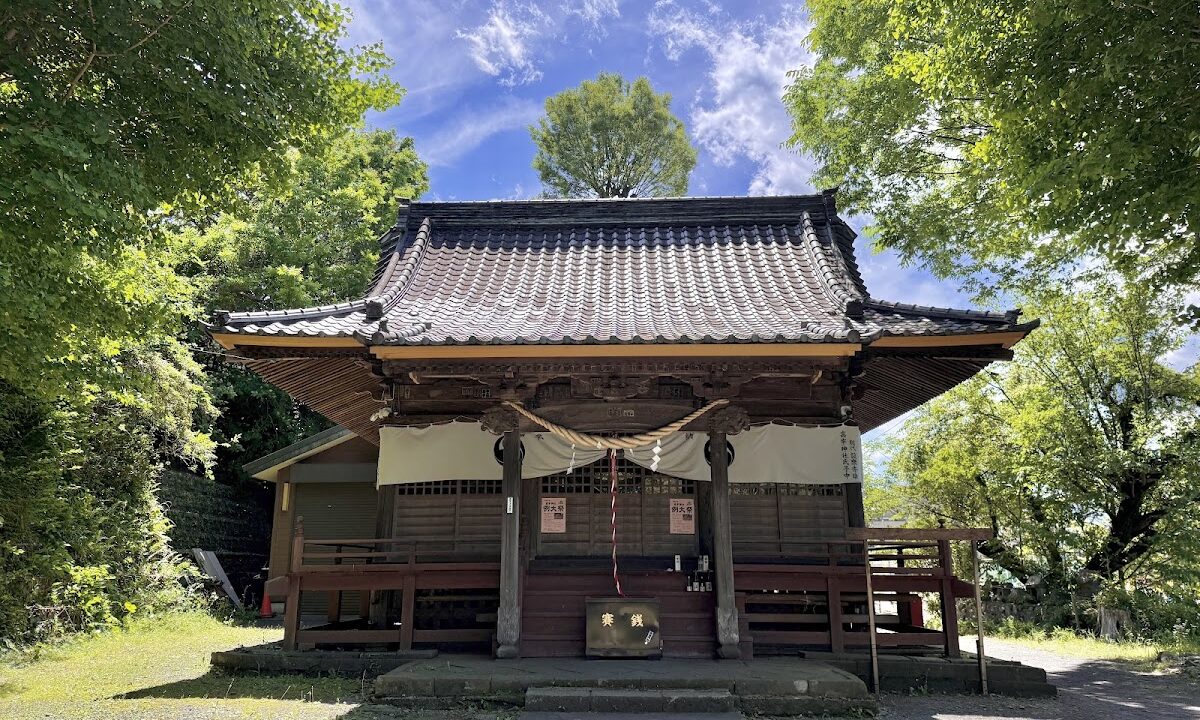
Takasai Shrine (Hachioji City, Tokyo) Complete Guide: A Historic Shrine Dedicated to a Nobleman of the Nanboku-cho Period
Takasai Shrine, quietly nestled in Sandamachi, Hachioji City, Tokyo, is a historic shrine that conveys the historical romance of the Nanboku-cho period. This shrine, with its unique history of enshrining a nobleman who, for reasons unknown, went into hiding from Kyoto, will be introduced in detail, covering its history, enshrined deity, access methods, and highlights.
Basic Information on Takasai Shrine
Address: 5-36-7 Sandamachi, Hachioji City, Tokyo (Postal Code: 193-0833)
Nearest Station: Approximately 10 minutes on foot from Mejirodai Station on the Keio Takao Line
Shrine Rank: Village Shrine
Enshrined Deity: Dainagon Fujiwara Nobufusa (Tradition)
Takasai Shrine is located in the residential area of Mejirodai, in the western part of Hachioji City. The surrounding area is a quiet residential neighborhood, and the shrine is cherished by the locals as the guardian shrine of the community.
History and Origins of Takasai Shrine
Mysterious Origins of the Nanboku-cho Period
Several legends remain regarding the founding of Takasai Shrine. According to the most plausible theory, it began around the end of the Nanboku-cho period in Japanese history, when a noble person from Kyoto, for some reason, concealed their identity and resided in the area now known as “Gosho-mizu” (Daimachi, Hachioji City).
This noble person is presumed to have been a court official of the Southern Court, and one theory suggests it was Dainagon Fujiwara Nobufusa. This noble person, who sought refuge in the Kanto region to escape the political turmoil of the time, ended their life in this area, and was later enshrined as a deity by the local people, which is the origin of Takasai Shrine.
Various Theories Based on the Era
There are several theories regarding the founding period of Takasai Shrine:
- Jōan Era Theory (1171-1175): A theory placing it in the early Kamakura period.
- Ōei Era Theory (1394-early 1428): A theory placing it in the late Nanboku-chō period to the early Muromachi period.
Many researchers consider the Ōei era theory more credible, given the context of the shrine being founded by Southern Court nobles who fled to the Kantō region during the turbulent Nanboku-chō period.
Relationship with Kōonji Temple
Takasai Shrine was originally enshrined within the grounds of a temple called Kōonji. Kōonji is an ancient temple that still exists in Hachioji City today, and a deep connection with Takasai Shrine is said to exist. Before the separation of Shinto and Buddhism, it is believed to have been enshrined within the temple grounds as a guardian deity of the temple.
Legends of Goshomizu and Sugiyama Pass
In relation to the history of Takasai Shrine, several important place names remain within Hachioji City:
Goshomizu: This area corresponds to the present-day Daimachi area and is said to be the residence of a noble person. The name “Gosho” refers to the residence of the imperial family or nobility, and the place name itself indicates the presence of a noble person.
Sugiyama Pass (Goten Pass): This pass is located in Katakura-cho, Hachioji City, and is also known as “Goten Pass.” According to legend, a noble person was buried at this pass after their death.
These place names indicate that the history of Takasai Shrine is not merely a legend, but is deeply intertwined with the history of the region.
Deity of Takasai Shrine
Dainagon Fujiwara Nobufusa
The deity enshrined at Takasai Shrine is said to be Dainagon Fujiwara Nobufusa. However, due to the lack of reliable historical records, much about the actual person remains shrouded in mystery.
The shrine’s name, “Takasai,” is thought to mean “high-ranking prime minister,” suggesting that it enshrines a person who held the high official rank of Dainagon (Grand Councilor). The Fujiwara clan was a prestigious aristocratic family that held important positions in the imperial court from the Heian period through the Kamakura and Muromachi periods. During the turbulent Nanboku-cho period, it is known that members of the Fujiwara clan who sided with the Southern Court scattered throughout the country.
Divine Status and Benefits
As a shrine dedicated to a noble figure, Takasai Shrine is believed to offer the following benefits:
- Academic Achievement: Due to his high-ranking aristocratic status, he is worshipped as a god of learning.
- Family Safety: As a guardian deity of the region, he protects the peace and well-being of the parishioners.
- Good Fortune and Prosperity: Increased luck due to his noble divine status.
Local residents pray to the shrine as their local guardian deity for daily safety and happiness.
Access and Surrounding Information
Access by Train
Nearest Station: Keio Takao Line “Mejirodai Station”
Travel Time from Station: Approximately 10 minutes on foot (approximately 700m in a straight line)
Mejirodai Station is approximately 50 minutes from Shinjuku Station via the Keio Line and Keio Takao Line. Express and semi-express trains do not stop here, so please use local or semi-express trains.
Detailed Directions from Mejirodai Station
- Exit the north exit of Mejirodai Station
- Walk straight north along the road in front of the station
- Go through the residential area towards Sandamachi
- You will arrive at Takasai Shrine in approximately 10 minutes
The route goes through a residential area, but it is relatively easy to follow. Local residents will kindly guide you if you ask for directions.
Access by Car and Parking Information
Takasai Shrine does not have its own parking lot, but there are several coin-operated parking lots nearby:
- Compark Hachioji Sandamachi
- Repark Hachioji Sandamachi 5-chome No. 3
Please be considerate of the neighbors when visiting.
Nearby Shrines and Temples
The following temples and shrines are located near Takasai Shrine:
Shinkaku-ji Temple: A temple within walking distance of Takasai Shrine. It is also about a 10-minute walk from Mejirodai Station, and many people visit both.
Kōen-ji Temple: An ancient temple with deep historical ties to Takasai Shrine. Although located in a different part of Hachioji City, it is worth a visit for those interested in history.
Highlights of Takasai Shrine
Atmosphere of the Shrine Grounds
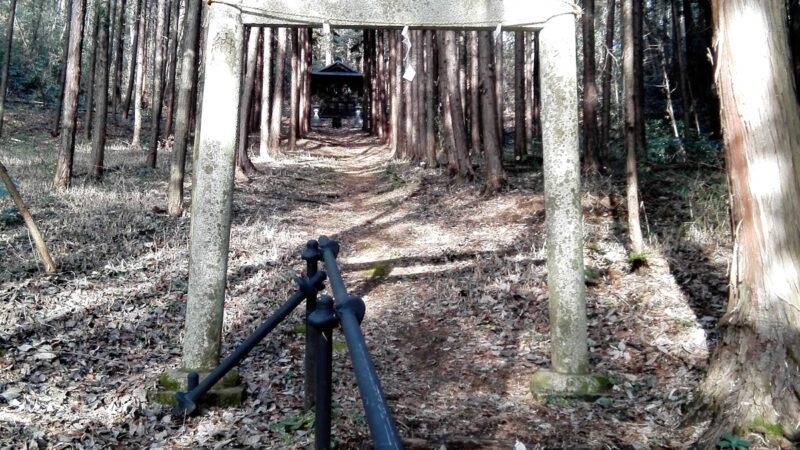
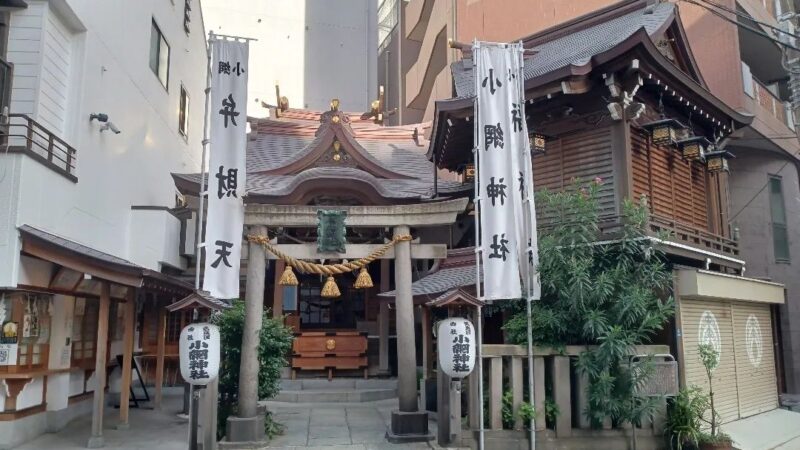
Takasai Shrine is a small shrine quietly nestled in a residential area. While not flashy, it exudes a tranquil atmosphere, providing a space to forget the hustle and bustle of the city.
The shrine grounds are meticulously maintained, reflecting the deep faith of the local community. While there aren’t many visitors, this creates a peaceful and tranquil environment for worship.
Shrine Building
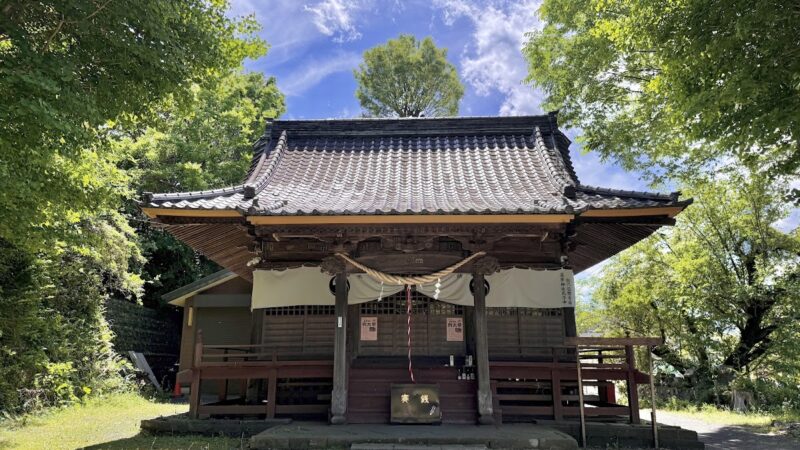
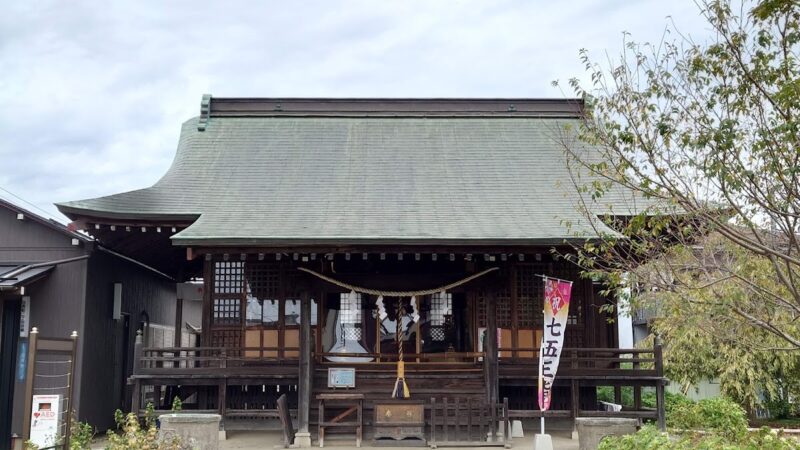
The shrine building of Takasai Shrine, though not large in scale, maintains the traditional style of shrine architecture. The wooden main hall exudes a sense of historical weight.
Stone Monuments and Historical Records
Within the shrine grounds are stone monuments and information boards detailing the history of Takasai Shrine. You can learn about legends related to nobles from the Nanboku-cho period, evoking a sense of historical romance.
Seasonal Scenery
Trees are planted throughout the grounds, allowing visitors to experience the beauty of nature throughout the seasons. Especially during the fresh green season and the autumn foliage season, you can enjoy a small but beautiful landscape.
Manners and Etiquette for Visiting a Shrine
Basic Etiquette for Visiting a Shrine
When visiting Takasai Shrine, please observe the following basic etiquette:
- Bow before passing through the torii gate: This is a courtesy before entering the sacred area.
- Purify yourself at the water basin: If there is a water basin, purify your hands and mouth.
- Avoid walking in the center of the path: The center is considered the path of the gods.
- Bow twice, clap twice, and bow once in front of the main hall: This is the general etiquette for visiting a shrine.
Maintain a Quiet Visit
Takasai Shrine is a small shrine located in a residential area. Please be considerate of the nearby residents and refrain from speaking loudly or making noise during your visit.
Regarding Photography
Photography is generally permitted on the shrine grounds, but please be considerate of the privacy of other visitors and nearby residents, and take appropriate measures. If there are areas where photography is restricted, such as inside the main hall, please follow the instructions.
About Goshuin (Shrine Seals)
Takasai Shrine is a small shrine, and there may not be a resident priest. Those wishing to receive a Goshuin are advised to check in advance.
Generally, small shrines like this may have priests who also serve nearby larger shrines. If you wish to receive a Goshuin, it’s a good idea to inquire at major shrines within Hachioji City.
History of Takasai Shrine and Hachioji
Hachioji and the Nanboku-cho Period
Hachioji City has long flourished as a transportation hub. From the Kamakura period to the Muromachi period, the Kanto region held a politically important position, and during the turbulent Nanboku-cho period, many samurai and nobles moved to Kanto.
The history of Takasai Shrine is deeply intertwined with this historical background. The legend that nobles loyal to the Southern Court left Kyoto and sought refuge in Kanto is thought to reflect the political situation at the time.
Place Names and Historical Heritage of Hachioji
Besides Takasai Shrine, Hachioji City boasts numerous historical temples, shrines, and sites:
- Hachioji Castle Ruins: The remains of a mountain castle from the Sengoku period, designated as a national historical site.
- Many Ancient Temples: Numerous historical temples, including Shinkaku-ji and Kōen-ji, are scattered throughout the area.
- Mount Takao: A famous mountain known since ancient times as a sacred site for Shugendo (mountain asceticism).
When visiting Takasai Shrine, exploring these historical spots in conjunction will allow you to gain a deeper understanding of Hachioji’s rich history and culture.
Annual Events and Festivals
Takasai Shrine is a small shrine, and therefore does not hold large-scale festivals. However, as the guardian shrine of the region, daily faith is maintained by the parishioners.
Typical annual events at shrines include:
- New Year’s Day Festival: Prayers for safety and prosperity in the new year
- Annual Grand Festival: The most important festival of the shrine (timing varies by shrine)
- Monthly Festival: Rituals held on a fixed day each month
For specific events, we recommend checking local bulletin boards or Hachioji City’s tourist information.
Recommended Spots Around Takasai Shrine
Charms of the Mejirodai Area
The area around Mejirodai Station is a planned residential area developed in the 1970s. There are commercial facilities in front of the station, making it a convenient environment for daily shopping.
Nature-Rich Walking Paths
Although the area around Takasai Shrine is a residential area, much greenery remains. You can enjoy a stroll while reflecting on the history of the area.
Restaurants and Cafes
Around Mejirodai Station, there are restaurants and cafes loved by locals. We recommend stopping by before or after your visit to experience the local atmosphere.
How to Enjoy Visiting Takasai Shrine
Feeling the Romance of History
The greatest charm of Takasai Shrine lies in its ability to evoke the turbulent era of the Nanboku-cho period. You can feel the romance of history in the story of a noble person who ended their life in the Kanto region, far from Kyoto.
Spending a Quiet Time
Because it’s a small shrine located in a residential area away from the city center, you can escape the hustle and bustle and spend a quiet time. It’s the perfect place to escape the busyness of everyday life and calm your mind.
Experiencing Local Culture
By visiting a shrine that has been carefully preserved by the local people, you can feel the warmth of the community and how faith is deeply rooted in their lives.
As Part of a Hachioji Historical Exploration
While visiting Takasai Shrine alone is fine, combining it with other historical spots in Hachioji will allow you to understand the local history more deeply.
Points to Note When Visiting
Consideration for the Residential Area
Since Takasai Shrine is located in a residential area, consideration for the nearby residents is necessary:
- Do not speak loudly
- Do not park on the street
- Always take your trash with you
- Avoid visiting at night
Weather Preparations
As there may be no large buildings or roofs on the shrine grounds, please bring rain gear such as an umbrella in case of rain. Also, since the sun is strong in summer, we recommend bringing a hat, parasol, and water.
Inquiries
For detailed information about Takasai Shrine, please contact the Hachioji City Tourism Division or the Local History Museum. Staff members knowledgeable about local history will be able to assist you.
Research and Materials on Takasai Shrine
Position in Local History
Takasai Shrine is recognized in the local history of Hachioji City as a valuable resource that conveys the situation in the Kanto region during the Nanboku-cho period. While reliable historical materials are limited, we can glimpse some of the historical facts through oral traditions and place names.
Related Historical Materials
Information about Takasai Shrine can be found in the following materials:
- Hachioji City History
- Local History Books
- Shrine History
- Interviews with Local Elders
Those interested in historical research can obtain more detailed information by visiting the Hachioji City Library or the Local History Museum.
Summary: The Charm of Takasai Shrine
Although small in scale, Takasai Shrine is a valuable shrine that conveys the story of the Nanboku-cho period, an important period in Japanese history. In Hachioji, far from Kyoto, one can imagine the thoughts and feelings of the noble figures who spent their days there.
It is relatively easy to access from the city center, and its location just a 10-minute walk from Mejirodai Station makes it easily accessible. Combining a visit with other historical spots in Hachioji City will make for a fulfilling day of historical exploration.
Nearby in a quiet residential area, Takasai Shrine is not a flashy tourist spot. However, it is imbued with the faith of the local people and the weight of a long history. This shrine is a must-visit for anyone interested in history, seeking tranquility in a peaceful setting, or discovering the hidden charms of Hachioji.
We hope that through your visit to Takasai Shrine, you will feel the profound depth of Japanese history and the warmth of the faith deeply rooted in the community.