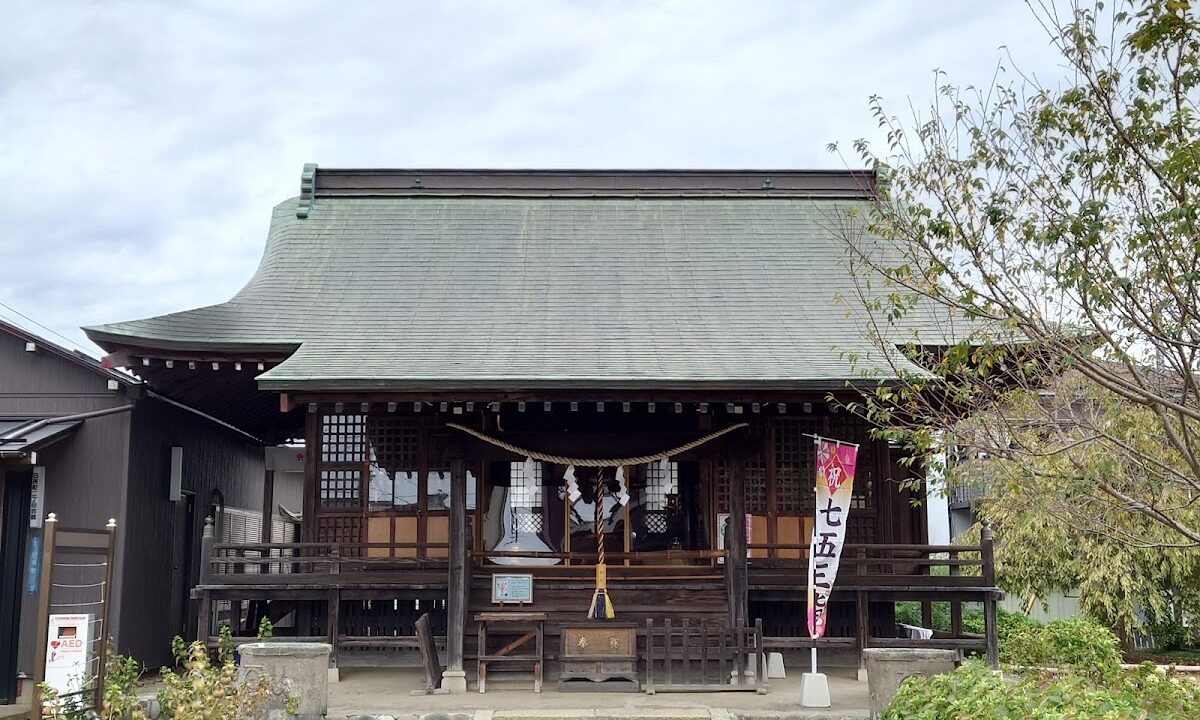
Hiyoshi Hachioji Shrine (Tokyo) Complete Guide: A Thorough Explanation of History, Deities, Blessings, and Visiting Information
While numerous shrines are located within Tokyo, Hiyoshi Hachioji Shrine stands out for its deep-rooted community faith. This article comprehensively explains everything you need to know before visiting, from the shrine’s historical background to its enshrined deities, blessings, and methods of worship.
What is Hiyoshi Hachioji Shrine?
Hiyoshi Hachioji Shrine is a historic shrine located in Tokyo, and has long been a center of faith for local residents. Its distinctive name, combining the names of two shrine lineages, “Hiyoshi” and “Hachioji,” reflects its deep connection to the region and its lineage of faith.
Characteristics of the Shrine
The most distinctive feature of Hiyoshi Hachioji Shrine is that it combines two Shinto traditions: Hiyoshi faith and Hachioji faith. Hiyoshi faith is a form of Sanno faith with Hiyoshi Taisha Shrine in Shiga Prefecture as its head shrine, while Hachioji faith centers on Gozu Tenno and Susanoo-no-Mikoto. The fusion of these two forms is a prime example of the diversity and regional uniqueness of Japanese shrine faith.
The shrine grounds stand quietly, watching over the history of the region, offering a tranquil space away from the hustle and bustle of the city. The grounds, which display different expressions with each season, are cherished as a place that brings peace of mind to worshippers.
History of Hiyoshi Hachioji Shrine
Origin of Founding
The exact founding date of Hiyoshi Hachioji Shrine is uncertain, although it is known from local historical documents and oral traditions. Generally, it is believed to have been established during the medieval or early modern period, coinciding with regional development and village formation.
Hiyoshi faith spread throughout Japan from the Heian period onward, as the guardian deity of Enryaku-ji Temple on Mount Hiei. In the Kanto region in particular, Hiyoshi Hachioji was widely worshipped among the samurai class and commoners during the medieval period, and many Hiyoshi shrines were established. Meanwhile, Hachioji worship was revered as a deity for warding off disease and misfortune, and shrines dedicated to Gozu Tenno (Ox-Headed Tenno) were established in various locations as Tenno shrines.
Development during the Edo Period
During the Edo period, Hiyoshi Hachioji Shrine established a firm position as the guardian shrine of the region. During this time, it functioned as a central religious facility for the village, a place for praying for bountiful harvests, the eradication of disease, and the safety of the community.
Although placed under the management of the Temple and Shrine Magistrate due to the Edo Shogunate’s religious policies, it was independently managed by local residents, and festivals and annual events were actively held. The annual festival, in particular, is said to have been the village’s largest event, attracting the participation of all residents and creating a lively atmosphere.
Changes after the Meiji Restoration
The Meiji-era decree separating Shinto and Buddhism forced shrines throughout the country to undergo significant changes. Hiyoshi Hachioji Shrine was no exception; Buddhist elements were removed and the shrine’s rank was reorganized. During this process, the shrine’s name and enshrined deities were streamlined, leading to its current form.
Throughout the Taisho and Showa eras, even amidst the wave of urbanization, it continued to exist as a center of faith for the local residents. While it may have suffered damage during World War II, it was rebuilt with the post-war reconstruction and remains so to this day.
Even from the Heisei to the Reiwa era, it continues to be carefully preserved by parishioners and devotees, serving as a spiritual pillar for the local community.
Enshrined Deities and Divine Virtues
Main Enshrined Deities
The enshrined deities of Hiyoshi Hachioji Shrine are gods associated with both Hiyoshi and Hachioji faiths.
Oyamakui-no-kami is one of the main enshrined deities of Hiyoshi Taisha Shrine, revered as a mountain god and local guardian deity. It is believed to bestow blessings of protection for agriculture and land, and business prosperity.
Susanoo-no-Mikoto is the central deity of Hachioji faith, a deity syncretized with Gozu Tenno. He is known for his powerful divine protection against misfortune, disease, and disaster.
Enshrined Deities
In addition to the main deity, several other deities may be enshrined, reflecting the region’s history and the evolution of its beliefs. These deities are worshipped to reflect the characteristics of the region and the wishes of its residents, and are believed to bring diverse blessings.
Blessings and Divine Virtues
The main blessings you can expect at Hiyoshi Hachioji Shrine are as follows:
Protection from Misfortune and Disaster: Through the powerful divine authority of Susanoo-no-Mikoto, you will be protected from all kinds of misfortunes. He is especially believed to be effective in protecting against disease and disaster.
Family Safety: As the guardian deity of the region, he is worshipped as a god who protects the safety and peace of families.
Business Prosperity: Through the divine virtues of Oyamakui-no-kami, you can pray for the development and prosperity of your business.
Abundant Harvest: As a deity of agriculture, this is also a place to offer gratitude for a bountiful harvest and the blessings of nature.
Regional Peace and Security: As a guardian deity, it watches over the peace and development of the entire region.
Highlights of the Shrine Grounds
Shrine Buildings
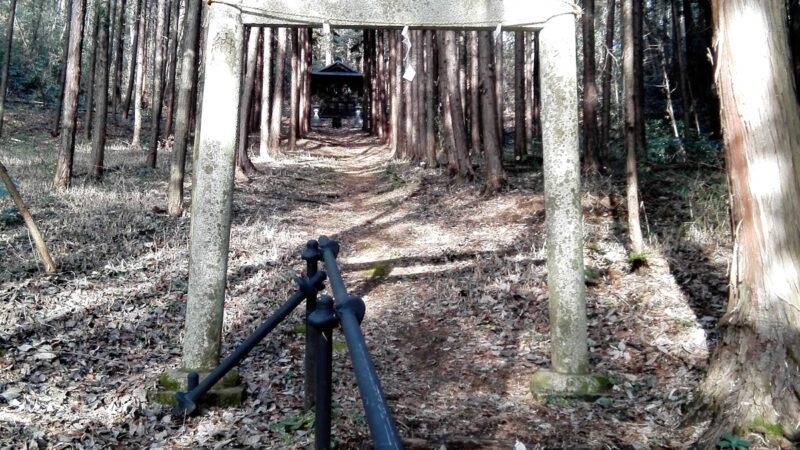
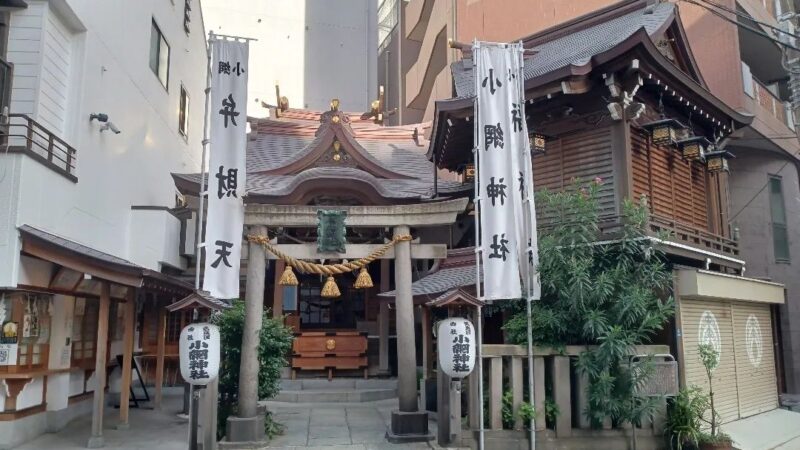
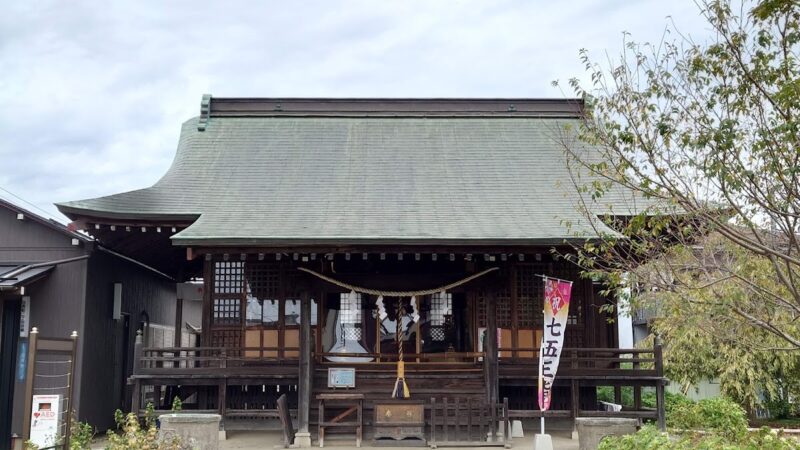
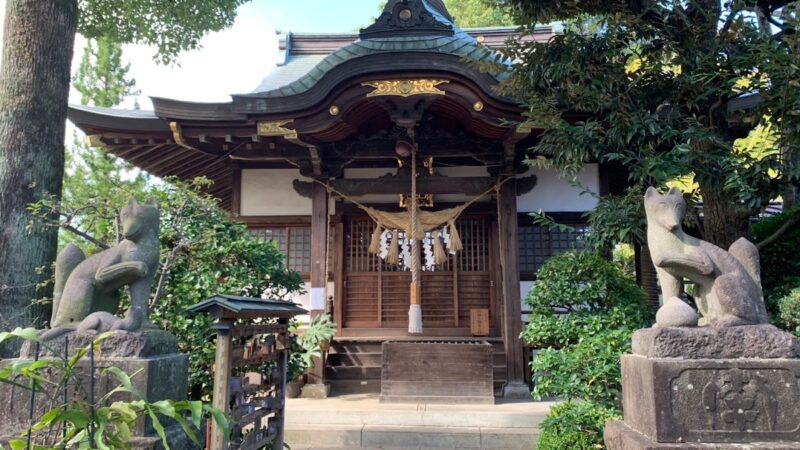
The shrine buildings of Hiyoshi Hachioji Shrine follow traditional shrine architectural styles while being adapted to the local climate and environment. The basic components such as the main hall, worship hall, and torii gate are all in place, inspiring a sense of solemnity in worshippers.
The decorations and carvings of the shrine buildings showcase the exquisite craftsmanship of artisans and are well worth observing closely. In particular, the decorative carvings on the wooden brackets and frog-leg brackets are valuable cultural assets that convey the aesthetic sensibilities of the era.
Subsidiary Shrines and Auxiliary Shrines
Around the main shrine, there may be several subsidiary shrines and auxiliary shrines. These small shrines, such as Inari shrines and Tenjin shrines, were established to meet the diverse religious needs of local residents.
Each auxiliary shrine offers its own unique blessings, and visiting them in conjunction with the main shrine will provide a more fulfilling pilgrimage experience.
Sacred Trees and Nature
Like many shrines, Hiyoshi Hachioji Shrine may have sacred trees that have stood for centuries. These giant trees, hundreds of years old, are living witnesses to the shrine’s history and fill the grounds with a sacred atmosphere.
The changing vegetation within the grounds throughout the seasons is also a highlight. You can enjoy the beauty of nature in each season: the fresh green of spring, the deep green of summer, the autumn foliage, and the tranquility of winter.
Stone Monuments and Memorials
Within the shrine grounds, there may be stone monuments and memorials that record the history of the shrine and local events. These inscriptions reveal the relationship between the shrine and the local community, as well as the feelings of people throughout different eras.
Annual Events and Festivals
Grand Festival
The Grand Festival is the most important festival of Hiyoshi Hachioji Shrine. Held once a year on the most important day for the shrine, this festival is also an opportunity to reaffirm the unity of the local community.
The Grand Festival incorporates traditional festival elements such as a portable shrine procession, devotional performances, and stalls, attracting many worshippers. Parishioners and devotees gather together to express gratitude to the gods and pray for the prosperity of the community.
First Shrine Visit of the New Year
The first shrine visit of the New Year is an important event to greet the gods at the start of the year and pray for safety throughout the year. From January 1st to the 3rd, many worshippers visit, renewing their resolutions for the new year.
Sweet rice wine is served on the shrine grounds, and amulets and protective arrows are distributed, creating a festive atmosphere of the New Year.
Setsubun Festival
The Setsubun Festival, held on the day before the beginning of spring, involves a bean-throwing ritual. With the chant of “Demons out, fortune in!”, beans are thrown to ward off evil spirits and invite good fortune. This traditional event is particularly important for local residents, as it is often performed with great care due to the divine power of Susanoo-no-Mikoto, the god of protection against evil.
Summer Purification Ceremony
The Summer Purification Ceremony, held on June 30th, is a ritual to cleanse away the sins and impurities accumulated over the past six months. A ritual of passing through a ring of reeds is performed, praying for good health and protection from illness.
By passing through the ring of reeds three times in a figure-eight pattern while chanting “Those who perform the summer purification ceremony in the month of Minazuki (June) will have their lives extended by a thousand years,” one prays for purification of mind and body and for longevity.
Other Events
Traditional Shinto rituals, such as monthly festivals, New Year’s Day festivals, and the Harvest Festival, are held throughout the year. These rituals are important opportunities to deepen your connection with the gods and express your gratitude.
How to Worship and Manners
Basic Worship Etiquette
There are traditional manners for visiting a Shinto shrine. Knowing the correct etiquette will allow you to worship with more sincerity.
How to Pass Through the Torii Gate: The torii gate is the entrance to the sacred area. Bow before passing through, and since the center of the path is considered the path of the gods, it is polite to walk along the side.
Procedure for Washing Hands:
- Hold the ladle in your right hand and wash your left hand.
- Switch the ladle to your left hand and wash your right hand.
- Switch the ladle back to your right hand, receive water in your left hand, and rinse your mouth.
- Wash your left hand once more.
- Hold the ladle upright, wash the handle, and return it to its original position.
Procedure for Bowing (Two Bows, Two Claps, One Bow):
- Gently place your offering in the offering box.
- If there is a bell, ring it.
- Bow deeply twice (Two Bows).
- Clasp your hands twice at chest height (Two Claps).
- Pray with your hands clasped together.
- Finally, bow deeply once (One Bow).
Attire for Visiting a Shrine
For everyday visits, clean clothing is acceptable. However, please note the following:
- Avoid overly revealing clothing.
- Remove sunglasses and hats before passing through the torii gate.
- Formal attire is recommended for formal worship or prayers.
Photography Etiquette
Photography is generally permitted on the shrine grounds, but please observe the following etiquette:
- Do not take photos in areas where photography is prohibited, such as inside the main hall.
- Be considerate of those performing rituals or other worshippers.
- Avoid using flash photography.
- When posting on social media, remember to be considerate of the shrine and other worshippers.
Items Offered and Amulets
Types of Amulets
Hiyoshi Hachioji Shrine offers various types of amulets. Each amulet contains specific blessings, allowing you to choose one that suits your wishes.
Exorcism Amulet: Ideal for those in their unlucky year or those seeking protection from misfortune. It contains the powerful divine protection of Susanoo-no-Mikoto.
Family Safety Amulet: An amulet to protect the health and peace of your family. It can be enshrined on your household altar.
Traffic Safety Amulet: For those who frequently travel by car or bicycle. It protects against accidents and misfortunes.
Academic Success Amulet: An amulet to pray for academic success for students and those taking exams.
Business Prosperity Amulet: An amulet to pray for the prosperity of business owners and those running businesses.
Goshuin (Shrine Seal)
In recent years, collecting Goshuin has become a popular hobby. At Hiyoshi Hachioji Shrine, there is a possibility of receiving a Goshuin as proof of your visit.
When receiving a Goshuin (temple/shrine stamp), please note the following:
- It is customary to receive it after your visit.
- Bring your Goshuincho (stamp book).
- Prepare a donation (generally around 300-500 yen).
- Request it using polite language.
- Wait quietly while the stamp is being written.
How to Handle Amulets
Amulets are sacred objects containing a divided spirit of the deity. Please handle them with care, paying attention to the following points:
- Always wear them or place them in a clean place.
- Do not treat them carelessly.
- Replace them with new ones approximately every year.
- Return old amulets to the shrine where they were given (by burning).
Access and Visiting Information
Location
For the exact location of Hiyoshi Hachioji Shrine, it is recommended to check official information or local tourist guides beforehand. Many shrines are located in residential areas or urban areas within Tokyo, and you may be able to get directions by asking local residents.
Access by Transportation
Access by Train:
Please check the walking route and travel time from the nearest station in advance. For shrines in Tokyo, access is often possible via major railway lines.
Access by Bus:
Please refer to the local bus company’s information for the nearest bus stop and routes.
Access by Car:
Please check in advance whether there is a dedicated parking lot for the shrine. While there may be coin-operated parking lots nearby, congestion is expected during festivals, so using public transportation is recommended.
Visiting Hours
Shrine grounds are generally open for worship throughout the day, but the opening hours of the shrine office may be limited. If you wish to receive a Goshuin (shrine stamp) or amulet, please check the opening hours in advance.
General Guidelines:
- Worship: From sunrise to sunset
- Shrine Office: Approximately 9:00 AM to 5:00 PM (may vary by shrine)
Contact Information
For detailed information regarding worship and festival schedules, it is recommended to contact the shrine directly. You can find information about phone numbers and official websites through internet searches or local tourist guides.
Nearby Attractions
Nearby Shrines and Temples
Numerous shrines and temples are scattered throughout Tokyo. Visiting them in conjunction with a visit to Hiyoshi Hachioji Shrine will make for a more fulfilling shrine pilgrimage. Visiting multiple shrines while experiencing the local history and culture is also a great way to enjoy yourself.
Local Tourist Spots
Around the shrine, you may find historical sites that tell the story of the region, or parks where you can enjoy the changing seasons. Taking a stroll before or after your visit will allow you to gain a deeper understanding of the area’s charm.
Food and Rest Spots
After your visit, we recommend enjoying local cuisine at nearby restaurants. Look for traditional Japanese confectionery shops or beloved local eateries—find unique local food.
The Charm of Hiyoshi Hachioji Shrine
A Faith Rooted in the Community
The greatest charm of Hiyoshi Hachioji Shrine lies in its form of faith deeply intertwined with the local community. Unlike large-scale tourist shrines, this shrine functions as a place of daily worship for local residents, exuding a tranquil atmosphere far removed from the hustle and bustle of the city.
The grounds, carefully preserved by parishioners and devotees, are imbued with the memories of the region cultivated over a long history. Visiting allows you to connect with the history and culture of the land and feel a sense of unity with the community.
Fusion of Two Faiths
The unique form of worship, a fusion of two lineages—Hiyoshi faith and Hachioji faith—demonstrates the flexibility and inclusiveness of Japanese Shinto. The harmonious coexistence of faiths with different origins, functioning as guardian deities of the region, is an interesting example for understanding the characteristics of Japanese religious culture.
An Urban Oasis
Despite being located in the urban environment of Tokyo, the shrine grounds offer a quiet space to soothe the mind. It is a precious place to escape the hustle and bustle of everyday life and have time to reflect on oneself.
The ability to stop by and calm your mind amidst a busy daily life is one of the unique charms of a local shrine.
Points to Note When Visiting the Shrine
Seasonal Considerations
Spring/Autumn: The weather is pleasant, but those with hay fever should take precautions.
Summer: To protect yourself from the heat, don’t forget a hat, parasol, and plenty of water. However, remove your hat when passing through the torii gate.
Winter: Take thorough precautions against the cold. If the water at the purification fountain is frozen, do not force yourself to use it; instead, express your intention to purify yourself in your heart.
Crowds During Festivals
The shrine is busier than usual during the annual festival and New Year’s visits. Please note the following:
- Visit with plenty of time to spare
- Take care of your valuables
- If you are with small children, be careful not to let them get lost
- Be considerate of others during crowded times
Consideration for the Neighbors
Since the area around the shrine is often a residential area, please be considerate of the following:
- Refrain from loud conversations
- Do not park on the street
- Take your trash with you
- Avoid visiting at night
Frequently Asked Questions
Q: I’m visiting for the first time, what should I prepare?
A: No special preparations are necessary. Clean clothing and some small change for offerings (such as 5-yen or 50-yen coins) are sufficient. If you wish to receive a charm or a Goshuin (shrine stamp), it would be helpful to have several 1000-yen bills ready as a donation.
Q: I would like to receive a prayer service, do I need a reservation?
A: This varies depending on the shrine, but we recommend calling ahead to inquire. Especially on festival days and auspicious days, it can get crowded, so making a reservation is recommended.
Q: Is it possible to visit with a pet?
A: Generally, it is considered bad manners to bring pets to shrines. However, policies may vary depending on the shrine, so it is recommended to check in advance.
Q: Is it okay to have multiple amulets?
A: Yes, it’s perfectly fine. Having amulets from multiple shrines, or receiving multiple amulets from the same shrine, will not cause any conflict between the gods, so please rest assured.
Q: What should I do with old amulets?
A: The most respectful way is to return them to the shrine where you received them. You can place them in the old amulet collection box set up during the New Year or Setsubun period, or bring them to the shrine office and ask them to burn them. If it’s difficult to return them due to distance, some nearby shrines may accept them.
Summary
Hiyoshi Hachioji Shrine is a historical and traditional shrine located in Tokyo. The unique form of worship, combining the Hiyoshi and Hachioji traditions, is a prime example of the diversity of Japanese Shinto culture.
Offering various blessings such as protection from evil, family safety, and business prosperity, it has been cherished as a center of faith for local residents. Despite being in the heart of the city, the shrine grounds maintain a tranquil atmosphere, providing a precious space for calming the mind and reflecting on oneself.
When visiting, please observe proper etiquette and manners to show respect to the deities. Participating in seasonal festivals allows you to experience local traditional culture and gain a deeper worship experience.
If you are considering visiting a shrine in Tokyo, or are interested in local history and culture, please visit Hiyoshi Hachioji Shrine. It is sure to be a memorable experience.