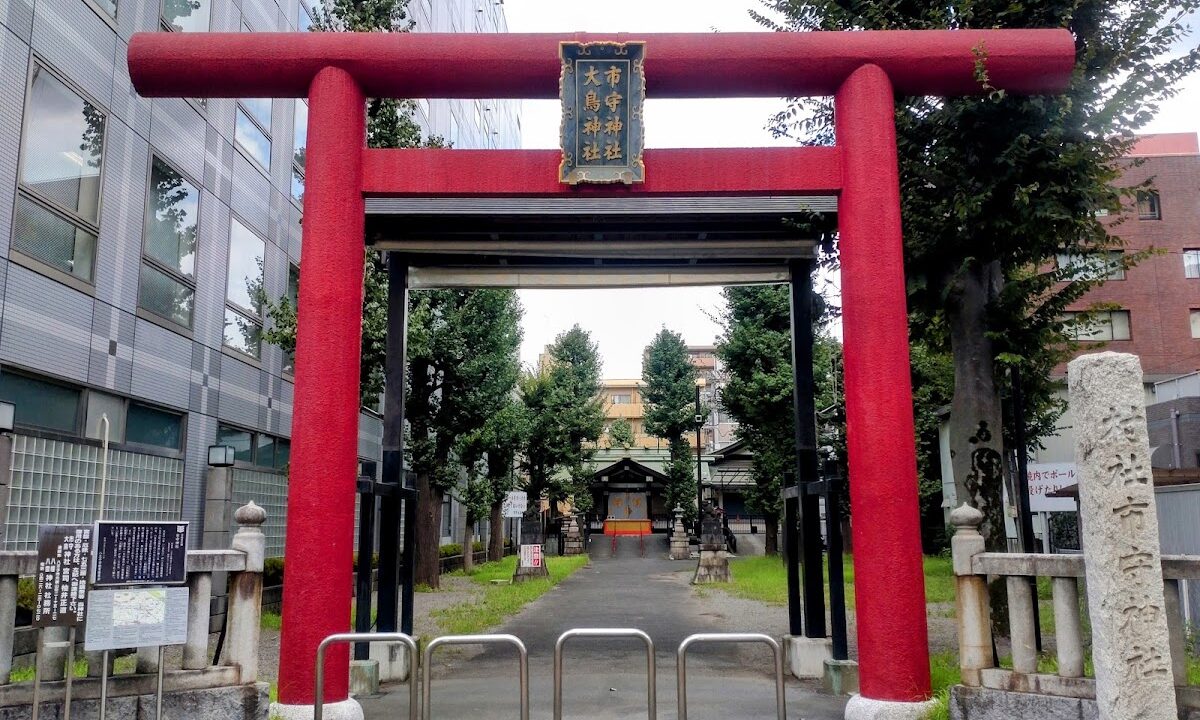
Complete Guide to Ichimori Otori Shrine (Hachioji City, Tokyo) | From Goshuin (Shrine Seals) and Tori-no-Ichi Market to History and Grounds Information
Ichimori Otori Shrine, located in Yokoyama-cho, Hachioji City, Tokyo, is a venerable shrine with over 400 years of history as the guardian deity of the Hachioji post town’s market. Every November, the shrine is bustling with many worshippers during the Tori-no-Ichi market, who come to pray for business prosperity and good fortune. This article provides detailed information necessary for visiting Ichimori Otori Shrine, including its enshrined deities, goshuin (shrine seal) information, history, cultural assets, and access methods.
Basic Information about Ichimori Otori Shrine
Location
Address: 25-3 Yokoyama-cho, Hachioji City, Tokyo
Shrine Rank: Former Village Shrine
Founded: Tensho 18 (1590)
Ichimori Otori Shrine is located along the Koshu Kaido road, approximately a 7-minute walk from the north exit of JR Hachioji Station. Situated in the central urban area of Hachioji, it has long been a beloved shrine deeply connected to local commerce.
Deities Enshrined
Two deities are enshrined at Ichimori Otori Shrine.
Main Deities:
- Ukanomitama-no-Mikoto: God of grain, worshipped as the god of business prosperity and abundant harvests.
- Ame-no-Hiwashi-no-Mikoto: God of good fortune and business prosperity, central figure in Otori worship.
Ukanomitama-no-Mikoto is widely known as Inari-sama and is believed to bestow divine blessings for business prosperity and industrial development. Ame-no-Hiwashi-no-Mikoto was enshrined in the mid-Edo period and is the deity from which the Tori-no-Ichi festival originated. Due to these two enshrined deities, Ichimori Otori Shrine is known for its blessings of business prosperity, good fortune, and career advancement.
History of Ichimori Otori Shrine
Circumstances of its Founding
The founding of Ichimori Otori Shrine dates back to Tensho 18 (1590). In this year, Hachioji Castle fell during Toyotomi Hideyoshi’s Siege of Odawara, forcing the residents of the former castle town to relocate to new areas.
After Tokugawa Ieyasu’s entry into the Kanto region, a new Hachioji post town was developed along the Koshu Kaido road, evolving from the former castle town of Hachioji Castle. In this post town, a market was held on the 4th and 8th of each month (4th, 8th, 14th, 18th, 24th, and 28th), and it developed into a commercial center.
The Ichimori Otori Shrine was founded by enshrining Ukanomitama-no-Mikoto as the guardian deity of this market. Initially known as “Ichi Shrine,” “Ichimori Inari,” and “Shusse Inari,” it garnered fervent devotion from merchants and residents of Hachioji post town.
Development during the Edo Period
In the mid-Edo period, the Otori faith spread, primarily in Edo (present-day Tokyo). Following this trend, Amenohiwashi-no-Mikoto was also enshrined at Ichimori Inari Shrine, and the shrine became known as “Ichimori Otori Shrine,” its current name.
In Hachioji-juku, a post town that flourished on the Koshu Kaido road, Ichimori Otori Shrine played an important role as the guardian deity of commerce. Especially on days when regular markets were held, merchants visited the shrine to pray for business prosperity, and the shrine became a spiritual pillar of the local economy.
Modern Era
Under the Meiji era’s shrine ranking system, it was ranked as a village shrine and recognized as an important local shrine. Even after the war, as a shrine located in the heart of Hachioji City, it continues to attract the faith of local residents and shopkeepers.
In modern times, the Tori-no-ichi market held every November has become a Hachioji tradition, and the shrine is known for attracting many visitors.
Cultural Properties and Shrine Grounds Guide
Highlights of the Shrine Grounds
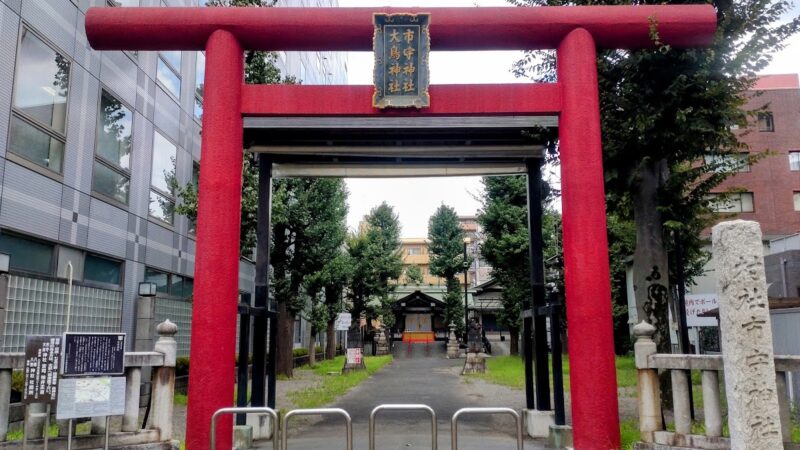
Despite its urban location, the grounds of Ichimori Otori Shrine maintain a tranquil atmosphere. Passing through the torii gate facing the Koshu Kaido road, the path leads to the main shrine.
Torii Gate: The torii gate, standing along the Koshu Kaido road, is located near the entrance to Hachioji-juku and has welcomed worshippers in the same place since the Edo period.
Main Shrine: The wooden main shrine maintains the traditional style of shrine architecture and is kept in good condition through regular repairs.
Shrine Office: The shrine office, where you can receive goshuin (shrine stamps) and other items, welcomes worshippers with courteous service.
The shrine grounds are not large, but they are meticulously clean, providing a quiet space for worship away from the hustle and bustle of the city.
Items Offered
Ichimori Otori Shrine offers items related to business prosperity and good fortune. Especially during the Tori-no-ichi market period, lucky charms such as kumade (rakes) are offered, and many worshippers purchase them to pray for business prosperity in the new year.
Even during normal times, amulets and talismans are given out, making it popular with people praying for career advancement, good fortune, and business prosperity.
Festivals and Annual Events
Hachioji Tori-no-Ichi Market
The most important festival at Ichimori Otori Shrine is the “Hachioji Tori-no-Ichi Market,” held annually on the Day of the Rooster in November.
The Tori-no-Ichi Market is a festival held at shrines dedicated to Amenohiwashi-no-Mikoto, and has been a traditional event since the Edo period, where people praying for business prosperity visit to purchase lucky charms such as rakes. The Tori-no-Ichi Market at Ichimori Otori Shrine is known as one of the representative Tori-no-Ichi Markets in the Tokyo area, alongside those at Otori Shrine in Asakusa and Hanazono Shrine in Shinjuku.
Date: Day of the Rooster in November (2 or 3 times a year)
Time: From the eve of the festival until late at night on the day of the festival
Contents: Sale of lucky charms such as kumade (rakes), stalls, and prayers for business prosperity
During the Tori-no-ichi festival, numerous stalls line the shrine grounds and the surrounding Koshu Kaido road, and the lively shouts of vendors selling kumade echo throughout the area. Kumade are considered lucky charms that “rake in good fortune,” and it’s customary to buy slightly larger ones each year, making it an essential annual event for business people.
Other Annual Events
- New Year’s Day Festival: January 1st, prayers for happiness in the new year
- Setsubun Festival: February, prayers for warding off evil and bringing good fortune
- Grand Festival: An important annual festival
For detailed dates and times of each festival, it is recommended to check with the shrine before visiting.
Goshuin (Shrine Seal) and Goshuincho (Shrine Seal Book) Information
About Goshuin
Ichimori Otori Shrine offers goshuin to visitors.
Location of Issuance: Shrine Office
Reception Hours: During normal visiting hours (please check with the shrine for details)
Offering Fee: Typical amount (around 300-500 yen)
The goshuin features the calligraphy and red seal of “Ichimori Otori Shrine” and is popular as a memento of the visit. Especially during the Tori-no-ichi festival, special goshuin may be offered, so those collecting goshuin should check the latest information beforehand.
Goshuincho (Shrine Seal Book)
Please check with the shrine office regarding the availability of Ichimori Otori Shrine’s original goshuincho. When visiting shrines in Hachioji City, obtaining a goshuincho at a local shrine can also be a memorable souvenir.
Access and Transportation Information
Nearest Stations and Lines
Ichimori Otori Shrine is accessible from several stations.
Keio Electric Railway Keio Line:
- Approximately 5 minutes on foot from Keio Hachioji Station (closest station)
- From Keio Hachioji Station, head north towards Koshu Kaido on foot to reach the shrine.
JR Line:
- Approximately 7 minutes on foot from JR Hachioji Station (Chuo Line, Yokohama Line, Hachiko Line)
- From the north exit of JR Hachioji Station, head west along Koshu Kaido towards Yokoyama-cho.
The shrine is within walking distance from both stations and is located in the heart of Hachioji City, making access very convenient.
Nearest Bus Stops and Lines
Bus Stop: “Yokoyama-cho” or “Hachioji Station North Exit”
Operating Company: Keio Bus, Nishi Tokyo Bus, etc.
If using the bus from Hachioji Station, it is convenient to get off at a bus stop along Koshu Kaido. However, since it’s within walking distance from the station, we recommend walking to the shrine if the weather is good.
Map
Ichimori Otori Shrine is located along Koshu Kaido (National Route 20), so you can easily find it by searching for “Ichimori Otori Shrine” or the address “25-3 Yokoyama-cho, Hachioji City, Tokyo” on a map app or car navigation system.
Online map services such as Google Maps also accurately display the shrine’s location and provide the latest route guidance.
Parking
There is no large-scale parking lot dedicated to the shrine, but there are several coin-operated parking lots in the surrounding area. However, during festivals such as the Tori-no-ichi market, the surrounding roads become congested, so using public transportation is recommended.
Manners and Precautions for Visiting the Shrine
Proper Etiquette for Visiting the Shrine
Please observe the basic etiquette for visiting a shrine.
- Bow before passing through the torii gate: A courtesy when entering the sacred area.
- Purify yourself at the water basin: Purify your left hand, right hand, and mouth in that order.
- Worship at the main shrine: Two bows, two claps, one bow (two bows, two claps, one bow).
- Bow upon leaving: Turn around and bow when leaving the torii gate.
Regarding Photography
Photography is generally permitted within the shrine grounds, but there may be restrictions on photography inside the main shrine or during festivals. When taking photographs, please be considerate of other worshippers and check with the shrine office if necessary.
Visiting Hours
While you can generally visit the shrine at any time during the day, if you wish to obtain a goshuin (shrine stamp) or other items, you must visit during the shrine office’s reception hours. It is recommended to inquire with the shrine in advance for detailed hours.
Nearby Attractions
Related Spots in Hachioji City
In addition to visiting Ichimori Otori Shrine, we recommend exploring other historical sites, shrines, and temples in Hachioji City.
Hachioji Castle Ruins: A historical site where the remains of Hachioji Castle, which was the impetus for the founding of Ichimori Otori Shrine, still remain. Designated as a national historical site, it offers a glimpse into the history of the Sengoku period.
Koyasu Shrine: An ancient shrine in Hachioji City, known for prayers for safe childbirth.
Hachioji Station Area Shopping Street: The commercial area of Hachioji, which Ichimori Otori Shrine has protected. Even today, it remains a vibrant shopping street.
History of the Koshu Kaido
The Koshu Kaido, which Ichimori Otori Shrine faces, was one of the five major highways of the Edo period, connecting Edo (Tokyo) and Kofu (Kofu). Hachioji-juku flourished as a major post town, and Ichimori Otori Shrine watched over its commercial activities.
Walking along the Koshu Kaido road, you can still feel the atmosphere of the old post town and enjoy a historical stroll.
Summary of the Charms of Ichimori Otori Shrine
Ichimori Otori Shrine is a shrine deeply intertwined with the history of Hachioji. Founded during the turbulent period from the fall of Hachioji Castle in 1590 to the formation of Hachioji-juku (Hachioji post town), it has watched over the local commerce and the lives of its people for over 400 years.
Benefits for Business Prosperity: The shrine enshrines two commerce deities, Ukanomitama-no-Mikoto and Amenohiwashi-no-Mikoto, and is known for its blessings of business prosperity and good fortune.
Hachioji Tori-no-Ichi Market: The annual Tori-no-Ichi market in November is one of the largest in the Tokyo metropolitan area, a traditional event bustling with many visitors.
Easy Access: Located just a 5-minute walk from Keio Hachioji Station and a 7-minute walk from JR Hachioji Station, it’s easily accessible from central Tokyo, making it a convenient place to visit.
Historical Value: As the guardian deity of the Hachioji post town market, it is a valuable presence that conveys the history and culture of the region to the present day.
Ichimori Otori Shrine is a shrine worth visiting, both for learning about the history of Hachioji City and for praying for business prosperity and good fortune. Why not join your hands in prayer in the quiet grounds and reflect on the history that has continued for over 400 years?
Things to Check Before Visiting
When planning your visit, we recommend checking the following points in advance:
- Festival Schedule: If you wish to visit during a festival such as the Tori-no-ichi market, check the latest schedule.
- Goshuin (Shrine Seal) Reception Hours: Check the reception hours of the shrine office in advance.
- Access Method: Check the walking route from the nearest station on a map.
- Nearby Facilities: Plan for places to eat or rest after your visit.
For official and up-to-date information on Ichimori Otori Shrine, please check the Hachioji City tourist information website and shrine-related information sites. Especially during the Tori-no-ichi festival period, crowds are expected, so we recommend visiting with plenty of time to spare.
Enjoy a fulfilling visit to the historic Ichimori Otori Shrine in Hachioji City, Tokyo, where you can pray for business prosperity and good fortune, and experience the history and culture of Hachioji.