Complete Guide to Hatanodai Fushimi Inari Shrine (Shinagawa Ward, Tokyo) | History, Benefits, Access, and Visiting Information
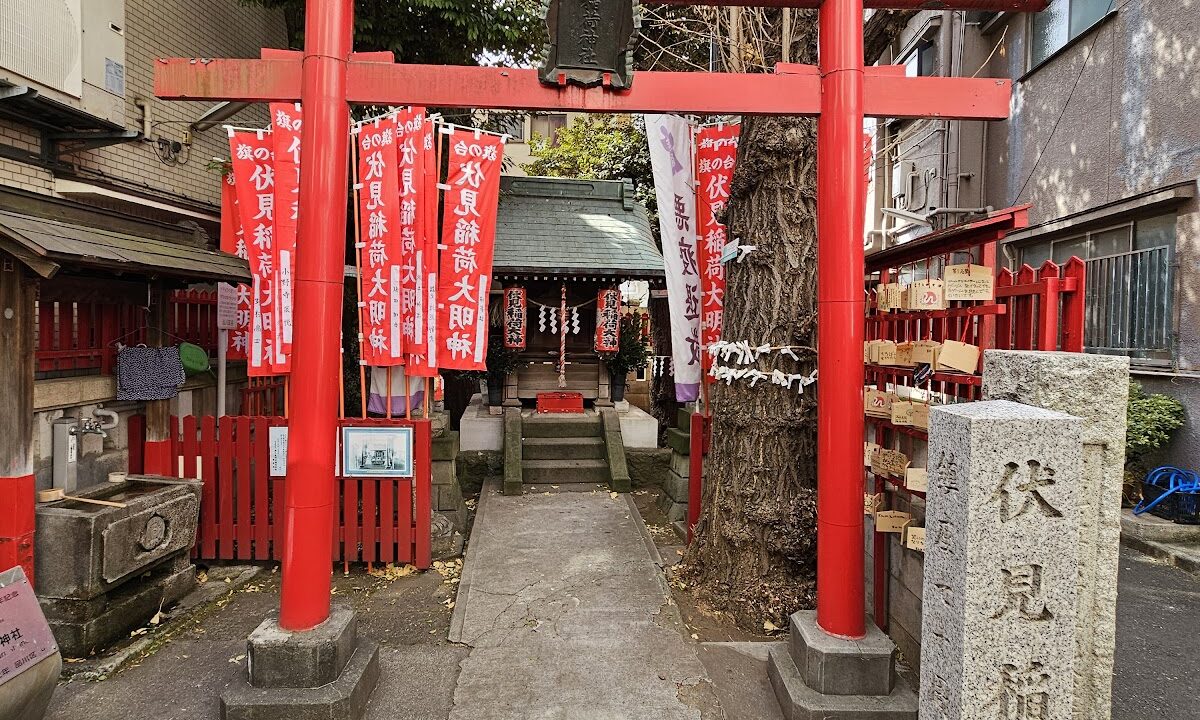
Located in Hatanodai, Shinagawa Ward, Tokyo, Hatanodai Fushimi Inari Shrine is an Inari shrine founded during the Taisho era by local volunteers. Selected as one of the “100 Scenic Views of Shinagawa,” the shrine grounds, surrounded by beautiful vermilion torii gates and towering trees, offer a tranquil atmosphere despite being in the midst of the city’s hustle and bustle. This article provides a detailed overview of the shrine’s history, enshrined deities, benefits, access methods, and visiting information.
About Hatanodai Fushimi Inari Shrine
Basic Information
Shrine Name: Hatanodai Fushimi Inari Shrine
Address: 5-15-2 Hatanodai, Shinagawa-ku, Tokyo 142-0064
Telephone Number: Managed by Hataoka Hachiman Shrine (as it is a concurrently managed shrine)
Annual Festival Date: First Horse Day of February (Hatsuumasai festival held on the second Sunday of February every year)
Shrine Rank: Unranked Shrine
Concurrently Managed Shrine: Hataoka Hachiman Shrine (3-6-12 Hatanodai, Shinagawa-ku)
Hatanodai Fushimi Inari Shrine is a shrine belonging to the Tokyo Metropolitan Shrine Association and is managed as a concurrently managed shrine of Hataoka Hachiman Shrine. Despite being located in a residential area, the shrine grounds are lush with greenery and maintain a beautiful landscape that is counted as one of the 100 Scenic Views of Shinagawa.
Deities Enshrined
While there are slight discrepancies in the enshrined deities at Hatanodai Fushimi Inari Shrine according to various sources, the main deities are as follows:
Main Deity: Ukanomitama-no-Okami
Enshrined Deities: Omononushi-no-Kami, Emperor Sutoku
Ukanomitama-no-Okami is a widely known deity of grain and food, and the main deity of Inari shrines. This deity was invited from Fushimi Inari Taisha in Kyoto and is believed to bring blessings of abundant harvests and business prosperity.
Omononushi-no-Kami is also known as Okuninushi-no-Kami and is revered as a god of nation-building, commerce, and industry. Emperor Sutoku was an emperor of the late Heian period and was later feared as a vengeful spirit, but is now worshipped as a god of waka poetry and learning.
Divine Blessings
The following blessings are believed to be worshipped at Hatanodai Fushimi Inari Shrine:
- Business Prosperity: A representative blessing of Inari shrines
- Abundant Harvest: Prosperity related to agriculture and food
- Family Safety: Health and safety of family members
- Career Advancement: Success in work and studies
- Prayer for Victory and Safety in War: Particularly known for the miraculous survival of all soldiers during the Pacific War
Notably, all 120 local soldiers who prayed at this shrine before going to war during the Pacific War returned safely. This event is still recounted in local documents and is widely known as an anecdote demonstrating the shrine’s powerful divine intervention.
History
Founding History
Hatanodai Fushimi Inari Shrine was founded in Taisho 15 (1926). While some documents state the founding year as 1916 (Taisho 5), the official information from the Tokyo Metropolitan Shrine Association states that the official founding year is 1926 (Taisho 15).
At the time of its founding, this area was a hilly region of mixed forests, retaining the characteristics of Musashino. Local volunteers who worshipped Fushimi Inari took the lead in establishing the shrine as the guardian deity of the area. They invited a divided spirit from Fushimi Inari Taisha in Kyoto, and it was created as a place to pray for the prosperity of the region and the safety of its residents.
Miraculous Events During Wartime
The most noteworthy event in the history of Hatanodai Fushimi Inari Shrine is an event during the Pacific War. Records show that all 120 local soldiers who prayed at the shrine before going to the battlefield survived the fierce fighting and returned safely.
This miraculous survival of all soldiers has been passed down in the community as a testament to the shrine’s powerful spiritual efficacy, and even after the war, many worshippers visit to pray for safety. Records of its history remain in surviving documents, enhancing the historical value of the shrine.
Hatanodai Fushimi Inari Shrine in the Modern Era
Even now, approximately 100 years after its founding, Hatanodai Fushimi Inari Shrine is revered by local residents as the guardian deity of the region. Despite the ongoing development of the residential area, the shrine grounds have been preserved, with ancient trees such as giant ginkgo and chinquapin trees still protecting the grounds.
Having been selected as one of Shinagawa’s 100 Scenic Views, it has become known not only to local residents but also to worshippers and tourists who enjoy visiting shrines.
Shrine Grounds and Cultural Properties
Characteristics of the Shrine Grounds
The grounds of Hatanodai Fushimi Inari Shrine maintain a unique sacred atmosphere despite being surrounded by a residential area.
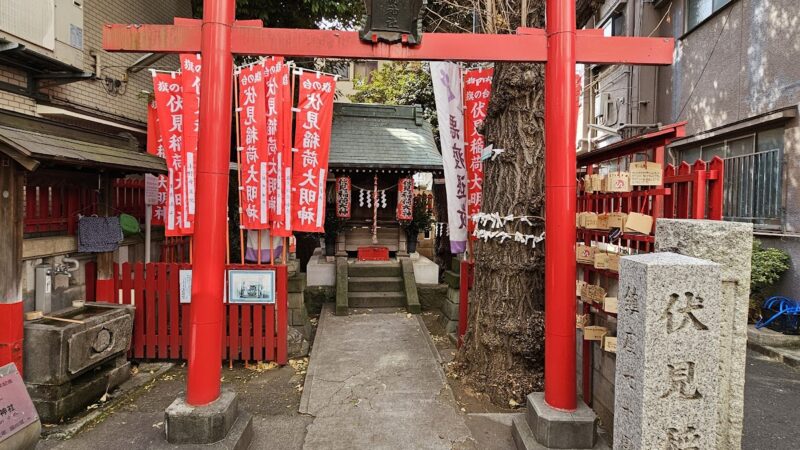
Vermilion Torii Gates: Two beautiful vermilion torii gates stand at the entrance to the shrine grounds. These vermilion torii gates, a symbol of Inari shrines, are eye-catching even from afar, marking the entrance to the sacred area.
Shrine Building: The shrine building is located beyond the torii gate. While not large, it is a meticulously maintained and clean structure, reflecting the deep faith of the local people.
Sacred Trees and Ancient Trees: Giant ginkgo and chinquapin trees surround the shrine grounds. These ancient trees are believed to have been rooted in this land since the shrine’s founding, or even earlier, giving the grounds a solemn atmosphere. The ginkgo trees, in particular, turn a beautiful yellow in autumn, delighting visitors.
Atmosphere of the Shrine Grounds
Although it’s a small shrine nestled between houses, stepping onto the grounds reveals a tranquil space that makes you forget the hustle and bustle of the city. The grounds, surrounded by ancient trees, exude a mysterious atmosphere, as if you’ve wandered into another dimension. Many visitors describe it as feeling as if time has stopped here.
This unique atmosphere is one of the reasons it was selected as one of Shinagawa’s 100 Scenic Views.
Access and Transportation Information
Access by Train
The most convenient way to reach Hatanodai Fushimi Inari Shrine is by using the Tokyu Line.
Nearest Station: Hatanodai Station (Tokyu Oimachi Line/Tokyu Ikegami Line)
Travel Time: Approximately 3-5 minutes on foot from the South Exit
Hatanodai Station is a terminal station where the Tokyu Oimachi Line and Tokyu Ikegami Line intersect, making access very convenient. The path from the station to the shrine is flat, so even first-time visitors can arrive without getting lost.
Other Nearest Stations:
- Approximately 4 minutes on foot from Nagahara Station (Tokyu Ikegami Line)
- Approximately 8 minutes on foot from Kitachizuka Station (Tokyu Oimachi Line)
Access by Bus
Nearest Bus Stop: Approximately 3 minutes on foot from the Nagahara bus stop
Parking Information
There is no dedicated parking lot for the shrine. If you are visiting by car, you will need to use a nearby coin-operated parking lot. However, since the shrine grounds are located in a residential area and the roads are narrow, we recommend using public transportation.
Detailed Directions (From Hatanodai Station)
- Exit the South Exit of Hatanodai Station
- Go straight through the shopping street in front of the station
- Enter the residential area and follow the signs
- You will see a vermilion torii gate in about 3-5 minutes on foot
Visiting Information
Visiting Hours
Hatanodai Fushimi Inari Shrine is generally open for worship all day. However, since there is no permanent shrine office, if you wish to obtain a goshuin (shrine stamp) or other items, please contact Hataoka Hachiman Shrine (3-6-12 Hatanodai, Shinagawa-ku), which is also managed by this shrine.
Annual Festivals and Events
Hatsuumasai: This is the shrine’s annual festival, held on the second Sunday of February every year. Hatsuumasai is the most important festival for Inari shrines, and many worshippers visit. A traditional festival is held to pray for a bountiful harvest and business prosperity.
Other Festivals: Sometimes, Shinto rituals are performed concurrently with the festival of Hataoka Hachiman Shrine, which is also managed by this shrine.
Regarding Goshuin (Shrine Seals)
Those wishing to receive a Goshuin can do so at Hataoka Hachiman Shrine, which is also managed by this shrine. Hataoka Hachiman Shrine is located approximately 2 minutes on foot from Hatanodai Station and is also easily accessible, being only 2 minutes on foot from Ebara-machi Station on the Tokyu Oimachi Line.
Shrine Visiting Etiquette
- When passing through the torii gate: Bow before entering the shrine grounds.
- Water purification fountain: If available, purify your hands and mouth before praying.
- Worship etiquette: Two bows, two claps, and one bow is the basic method.
- Caution within the shrine grounds: As it is adjacent to a residential area, please refrain from loud conversations and noise.
- Photography: Photography is permitted within the shrine grounds, but please be considerate and avoid including nearby houses in your photos.
Nearby Shrines and Temples
There are other shrines worth visiting around Hatanodai.
Hataoka Hachiman Shrine
Location: 3-6-12 Hatanodai, Shinagawa-ku
Access: 2-minute walk from Ebara-machi Station on the Tokyu Oimachi Line, 5-minute walk from Hatanodai Station
This shrine is a subsidiary shrine of Hatanodai Fushimi Inari Shrine and is one of the important shrines in Shinagawa Ward. Founded long ago, this shrine is a central shrine in the region and has many parishioners. They also offer Goshuin (shrine stamps), and it’s recommended to visit it along with Hatanodai Fushimi Inari Shrine.
Other Shrines Served by the Shrine
Hataoka Hachiman Shrine also serves the following shrines:
- Kuzuhara Shrine
- Unoki Hachiman Shrine
- Tenso Suwa Shrine
- Hachiman Shrine (Togoshi Hachiman Shrine)
Those who enjoy visiting shrines should consider visiting these shrines as well.
About the Shinagawa 100 Views
Hataoka Hachiman Shrine is one of the “Shinagawa 100 Views.” The Shinagawa 100 Views are 100 representative landscapes and famous places in Shinagawa Ward, selected by the ward in 1982 to commemorate the 50th anniversary of the ward’s establishment.
The selections cover a diverse range of genres, including historical buildings, natural landscapes, and streetscapes. Hatanodai Fushimi Inari Shrine is praised for its “sacred space created by vermilion torii gates and ancient trees.” Despite being located in a residential area, the shrine grounds maintain a unique atmosphere and are recognized as a valuable cultural asset of the region.
About the Hatanodai Area in Shinagawa Ward
Hatanodai is a quiet residential area located in the southwestern part of Shinagawa Ward. It developed around Hatanodai Station, where the Tokyu Oimachi Line and Tokyu Ikegami Line intersect, and is a popular area known for its convenient transportation and livability.
Origin of the Place Name
The name “Hatanodai” is said to originate from a legend that Minamoto no Yoritomo raised his battle flag here during his conquest of Oshu. Another theory suggests the name comes from the fact that there were “hatamoto” (direct retainers of the shogun) residences in the area during the Edo period.
Area Characteristics
The Hatanodai area boasts excellent educational and medical facilities, making it a popular residential area for families. The shopping street is lively and has all the shops you need for daily life. Access to the city center is also excellent, with major stations like Shibuya, Meguro, and Shinagawa reachable within 30 minutes.
Visitor Feedback and Reviews
Visitors who have actually visited Hatanodai Fushimi Inari Shrine have shared the following impressions:
- “It’s a small shrine located in a residential area, but once you enter the grounds, you’re enveloped in a tranquility that feels like another world.”
- “The vermilion torii gate is beautiful and makes for a great photo spot.”
- “The ginkgo tree is magnificent, and it’s especially recommended during the autumn foliage season.”
- “I felt that this shrine is cherished by the local community.”
- “I visited to pray for safety after hearing the story of the miraculous return of everyone who went missing.”
Despite its small size, its unique atmosphere and historical value are highly regarded.
Recommended Time to Visit
Hatanodai Fushimi Inari Shrine can be visited throughout the year, but here are some particularly recommended times to visit.
Hatsuumasai Festival (Second Sunday of February)
The Hatsuumasai Festival, the most important festival at Inari Shrine, is when the shrine is at its most lively. You can witness traditional Shinto rituals and experience local culture.
Autumn (November-December)
The ginkgo trees in the shrine grounds turn a beautiful yellow, creating a stunning contrast with the vermilion torii gate. It’s an ideal season for photography.
New Year’s Visit (January)
The shrine is also bustling with local residents for their New Year’s visit. Because it’s a small shrine, it’s not as crowded as larger shrines, allowing for a more relaxed visit.
Summary
Hatanodai Fushimi Inari Shrine is a historic Inari shrine founded in 1926 (Taisho 15), and has been the guardian deity of the Hatanodai area in Shinagawa Ward, Tokyo. Known for its miraculous miraculous survival during World War II, it continues to attract many visitors praying for safety and business prosperity.
Despite being located in a residential area, the shrine grounds, surrounded by vermilion torii gates and towering trees, are so beautiful that they have been selected as one of Shinagawa’s 100 Scenic Views, making it an oasis in the city. Its convenient location, just a 3-5 minute walk from Hatanodai Station, is another attractive feature, making it easy to stop by during a shrine visit or stroll.
Why not visit Hatanodai Fushimi Inari Shrine, where you can feel the history and culture of the region? The time spent calming your mind in the tranquil grounds and offering prayers to the enshrined deities will surely be a special one.