Complete Guide to Sofukuji Temples | A Thorough Explanation of the History, Access, and Highlights of Sofukuji Temples Across Japan
Sofukuji is the name of several temples located throughout Japan. They belong to different Buddhist sects, such as the Soto Zen and Jodo sects, and each possesses its own unique history and culture. This article comprehensively introduces the historical background, principal image, access methods, annual events, and highlights of Sofukuji temples throughout Japan.
What is Sofukuji?
The name “Sofukuji” is an auspicious name combining “Sō” (sect) and “Fuku” (good fortune) in Buddhism, and is used throughout Japan. It is mainly found in temples of the Soto Zen and Jodo sects, and has played an important role in their respective regions.
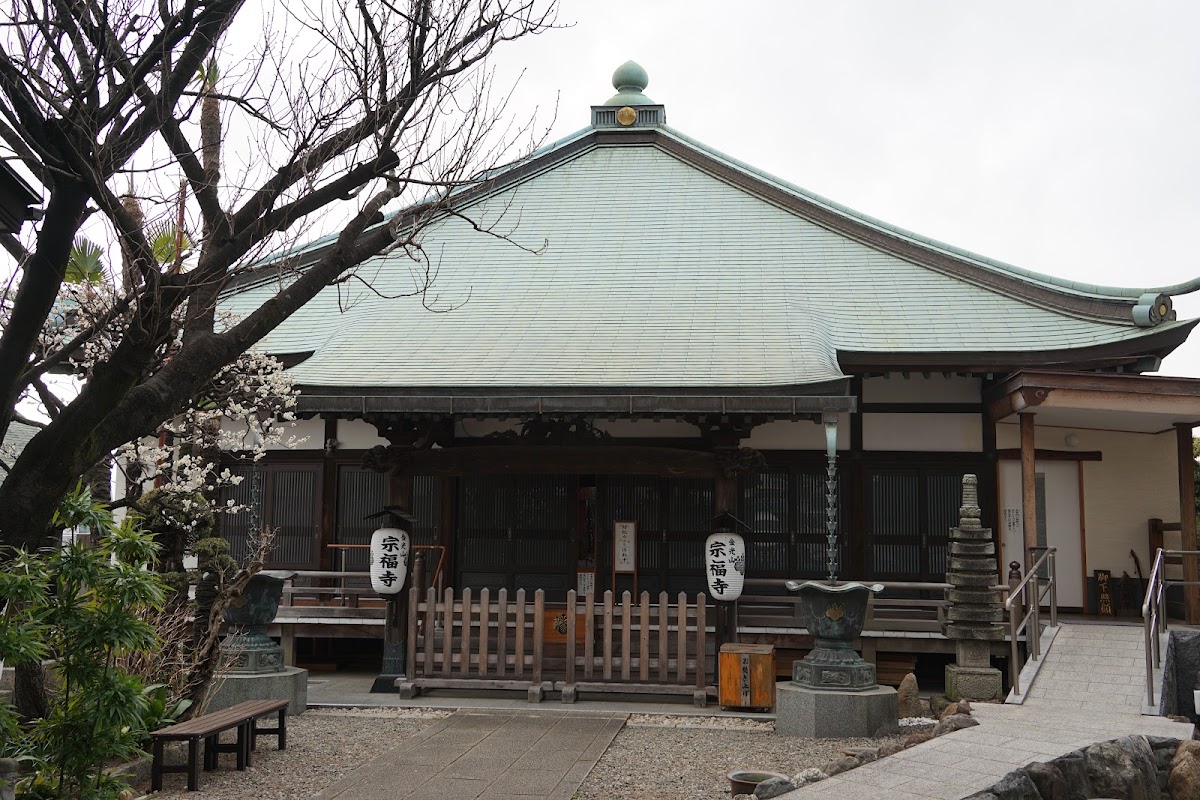
Sofukuji Temple in Ota Ward, Tokyo (Soto Zen, Konkozan Sofukuji)
History and Origin
Sofukuji Temple, located in Kita-Magome, Ota Ward, Tokyo, is a Soto Zen temple and is officially called “Konkozan Sofukuji.” The temple’s founder was the Venerable Ten’ei Genkyo, who passed away on January 20, 1576 (Tensho 4). Located on a hill in Kita-Magome, Ota Ward, this temple is known as a center of local faith with a long history.
Highlights of the Main Image and Temple Grounds
The main image is a seated statue of Amida Buddha, offering a solemn atmosphere for worship. Of particular note is the “Toshiko Jizo” statue located on the temple grounds. This Jizo statue, known as the “Magome Child Protection Jizo,” is revered by local residents, and many families visit to pray for the healthy growth of their children.
Jizo Festival and Annual Events
The “Jizo Festival” is held every year on the last Sunday of May. This event is very popular with local children and families, attracting many visitors. It has been held for many years as an important social activity that strengthens community ties.
Access Information
- Address: 2-5-5 Kitamagome, Ota-ku, Tokyo 143-0021
- Phone Number: 03-3771-1481
- Nearest Station: Approximately 10 minutes on foot from Magome Station on the Toei Asakusa Line
Sofuku-ji Temple, Shinjuku-ku, Tokyo
History of Founding and Relocation
Sofuku-ji Temple, located in Shinjuku-ku, is a Soto Zen Buddhist temple founded in 1603 (Keicho 8) by Gakushitsu Sonseki. Initially located in what is now Kojimachi, Chiyoda-ku, it was relocated to its current location in 1634 (Kanei 11) due to the expansion of Edo Castle. It holds historical value as one of the temples influenced by early Edo period urban planning.
Temple Treasures and War Damage
The temple once housed a statue of Daikokuten (god of wealth), said to have been created by Kobo Daishi Kukai and donated by Tokugawa Yorifusa, the first lord of the Mito domain. However, it was destroyed in the Tokyo air raids of 1945. This history serves as a valuable record of the impact war had on cultural properties.
Access Information
- Nearest Station: Approximately 10 minutes on foot from JR/Tokyo Metro “Yotsuya Station”
- Surrounding Environment: Located in a quiet residential area, surrounded by many other historically significant temples.
Sofuku-ji Temple, Setagaya Ward, Tokyo
A Corner of Karasuyama Temple Town
Sofuku-ji Temple, located in Setagaya Ward, is an independent temple of the Jodo sect. It is known as one of the 26 temples that make up “Karasuyama Temple Town.” Karasuyama Teramachi is a unique temple district formed by temples that relocated from central Tokyo due to the Great Kanto Earthquake and wartime destruction. It is one of the areas that symbolizes Tokyo’s temple culture.
Features and Highlights
As an independent temple of the Jodo sect, it operates independently and supports the religious life of the local community. A stroll through Karasuyama Teramachi allows you to experience diverse Buddhist cultures.
Sofuku-ji Temple (Soto Zen sect), Mishima City, Shizuoka Prefecture
Basic Information
Located in Tsukahara Shinden, Mishima City, Shizuoka Prefecture, Sofuku-ji Temple, a Soto Zen temple, is a local family temple with many parishioners.
Access Information
- Address: 69-1 Tsukahara Shinden, Mishima City, Shizuoka Prefecture 411-0016
- Features: A temple cherished by local residents for its emphasis on ancestral worship and memorial services.
Sofuku-ji Temple, Kameoka City, Kyoto Prefecture
A Temple Directly Managed by Chion-in, the Head Temple of the Jodo Sect
Sofuku-ji Temple, located in Yada-cho, Kameoka City, is a temple directly managed by Chion-in, the head temple of the Jodo sect, and is officially called “Senshinzan Kanroin Sofuku-ji.” Its high status as a temple directly managed by Chion-in is a distinguishing feature.
Relationship with Kameyama Castle
During the Sengoku period, it served as a watchtower for Kameyama Castle, playing a vital role in the defense of the castle town. It has a history of being relocated two blocks south of the main gate of Kameyama Castle town, inside the earthen embankment, making it an important temple that tells the story of Kameoka’s history as a castle town.
Historical Value
Sofuku-ji Temple, with its characteristics as a fortified temple, preserves the features of Sengoku period temple architecture, which combined military and religious functions.
Sofuku-ji Temple, Sakado City, Saitama Prefecture
Relationship with the Suguro Clan
Sofuku-ji Temple, a Soto Zen temple located in Ishii, Sakado City, is also known as “Birozan.” It was founded by Kyokaku (died in Bunwa 5, 1356) on a site adjacent to the former residence of the Suguro clan, who ruled this area since the late Heian period.
Official Seal and Temple Land
In Keian 2 (1649), the temple received an official seal granting it 10 koku of land, indicating it was a prestigious temple protected by the Edo Shogunate.
Valuable Cultural Asset
The stone stupa owned by this temple is a large 280 cm tall stone stupa bearing an inscription from Bunwa 5 (1356). It is known as a valuable cultural asset representing medieval stone art. This stone stupa conveys the high level of stonemasonry and the depth of faith of the time.
Sofuku-ji Temple, Odate City, Akita Prefecture
Basic Information and Mountain Name
Sofuku-ji Temple, a Soto Zen temple located in Toyo-machi, Odate City, has the mountain name “Matsumine-zan” and its principal image is Shakyamuni Buddha.
Family Temple of the Satake Nishi Family
It has played an important role as the family temple of the Satake Nishi family, the lords of Odate Castle. Originally built in Hitachi-Oba (present-day Hitachiomiya City, Ibaraki Prefecture), it was later moved to Oda. Following the relocation of the Satake clan, Hakuō Shōjun established the temple in Ōdate in 1616 under the first castle lord of Ōdate, Koba Yoshinari.
History of Founding and Relocation
Hōzan Zentatsu, the 6th abbot of Tentoku-ji Temple, was invited to be the founding abbot, and Hakuō Shōjun himself became the 2nd abbot. The original temple grounds were the site of the current Atago Shrine, but it was relocated to its present location during the Kan’ei era (1624-1643). Records from 1678 show that the temple possessed 60 koku of land.
The Famous Garden “Ukōtei”
Sōfuku-ji Temple’s “Ukōtei” is known as a famous garden in Ōdate City, where visitors can enjoy beautiful scenery throughout the seasons. It is a precious space where one can appreciate the beauty of a Japanese garden.
Possession of Enku Buddhist Statues
This temple houses an eleven-faced Kannon statue created by Enku, a wandering monk from the Edo period, making it an important temple for the study of Enku Buddhist statues.
Satake Nishi Family Cemetery
Currently, the Satake Nishi family cemetery has been moved to the cemetery south of National Route 7, which now passes through the temple grounds. It is preserved as an important historical site that conveys the history of the Odate Domain.
Access Information
- Address: 1-4 Toyomachi, Odate City, Akita Prefecture
- Nearest Station: Within walking distance from JR Odate Station
Sofuku-ji Temple in Hidaka-gawa Town, Wakayama Prefecture
There is also a Jodo sect temple called Sofuku-ji in Hidaka-gawa Town, Wakayama Prefecture. It is registered in the Jodo sect temple search system and plays an active role as a temple supporting local faith.
Guidelines for Visiting Sofuku-ji Temples
Temple Visiting Manners
When visiting any Sofuku-ji temple, please observe the following manners:
- Bow at the Temple Gate: Bow before entering the temple grounds.
- Be Quiet: Be quiet within the temple grounds.
- Photography: Obtain permission before taking photographs inside the main hall.
- Attire: Avoid revealing clothing.
- Offerings: Offer with gratitude.
About Goshuin (Temple Seals)
Many Sofuku-ji temples offer Goshuin. Bring your Goshuincho (stamp book) and politely request one. Remember that Goshuin are proof of your visit, not a stamp rally.
Characteristics of Each Sect
Sofuku-ji Temples of the Soto Zen Sect
The Soto Zen sect is a branch of Zen Buddhism that emphasizes “Shikantaza,” a form of seated meditation. At Sofuku-ji Temple of the Soto Zen sect, it is sometimes possible to experience Zen meditation and other spiritual practices. The principal image is often either Shakyamuni Buddha or Amida Buddha.
Sofuku-ji Temple of the Jodo Sect
The Jodo sect is a sect that believes in the original vow of Amida Buddha and aspires to rebirth in the Pure Land through chanting the Nembutsu (invocation of Amida Buddha). At Sofuku-ji Temple of the Jodo sect, Amida Buddha is the principal image, and the practice of chanting the Nembutsu is central.
Social Activities of Sofuku-ji Temple
Sofuku-ji temples in various locations are not merely religious institutions, but play an important role in their local communities:
Center of the Local Community
- Holding Annual Events: Providing a place for local residents to interact through events such as the Jizo Grand Festival
- Childcare Support: Supporting families raising children through events such as the Child-Protecting Jizo statue
- Preservation of Cultural Properties: Preserving and displaying cultural properties such as valuable Buddhist statues, stone stupas, and Enku Buddha statues
- History Education: Playing a role in conveying local history
A Place of Spiritual Support
Even in modern society, Sofuku-ji temples serve as a place of spiritual support for people, providing a space to confront life and death through funerals, memorial services, and ancestral worship.
Preparations for Visiting Sofuku-ji Temple
Things to Check Beforehand
- Visiting Hours: Varies by temple; please check in advance.
- Event Schedule: Check the schedule for special ceremonies and events.
- Parking: Availability of visitor parking.
- Accessibility: Accessibility for the elderly and wheelchair users.
Useful Items to Bring
- Goshuincho (stamp book)
- Prayer Beads (rosary)
- Camera (use only after obtaining permission)
- Admission Fee (if applicable)
The Charm of Sofuku-ji Temple
While each Sofuku-ji temple throughout Japan possesses its own unique history and culture, they share the following common charms:
Layers of History
Within its long history, spanning from the Heian period to the Edo period and even to the present day, the temples have accumulated the cultures and beliefs of each era. Having experienced important phases in Japanese history, such as relationships with Sengoku warlords, protection from the Edo shogunate, and reconstruction after war, these temples are living witnesses to history.
Community-Oriented
Each Sofukuji temple has served as a local family temple or ancestral temple, supporting the religious lives of local residents for generations. They are closely intertwined with local history and are indispensable for understanding the local culture.
Treasure Trove of Cultural Assets
They house and preserve valuable cultural assets such as stone stupas, Enku Buddha statues, ancient documents, and buildings. These are not merely works of art, but valuable historical materials that convey the faith and technical skills of the people of that time.
Peace of Mind
The tranquil atmosphere of the temple grounds, beautiful gardens, and majestic main hall provide a space to calm the mind away from the hustle and bustle of everyday life. Visitors can also have time to reflect on themselves through experiences such as Zen meditation and sutra copying.
Summary
Temples bearing the name “Sofukuji” are scattered throughout Japan, each strongly reflecting the history and culture of its region. Despite belonging to different sects such as the Soto and Jodo schools, all Sofuku-ji temples share a common history: they have been deeply rooted in their local communities, supporting people’s faith and lives.
Each Sofuku-ji temple possesses its own unique charm, from the Toshiko Jizo statue and Jizo festival in Ota Ward, Tokyo, to the connection with the Tokugawa family in Shinjuku Ward, to its role in Karasuyama Temple Town in Setagaya Ward, its function as a family temple in Mishima City, Shizuoka Prefecture, its history as a castle temple in Kameoka City, Kyoto Prefecture, its valuable stone stupa in Sakado City, Saitama Prefecture, to its prestige as the family temple of the Satake Nishi family in Odate City, Akita Prefecture, its Uko-tei garden, and its collection of Enku Buddha statues.
Visiting a Sofuku-ji temple is not merely a temple tour; it’s a valuable opportunity to touch upon the depths of Japanese history, culture, and faith. Why not visit Sofuku-ji temples throughout Japan and experience the unique history and culture of each region? By joining our hands in prayer before the principal deities, Amida Buddha and Shakyamuni Buddha, and reflecting on the forms of faith that our ancestors have preserved and passed down, we may discover something important that is relevant to us living in the modern age.