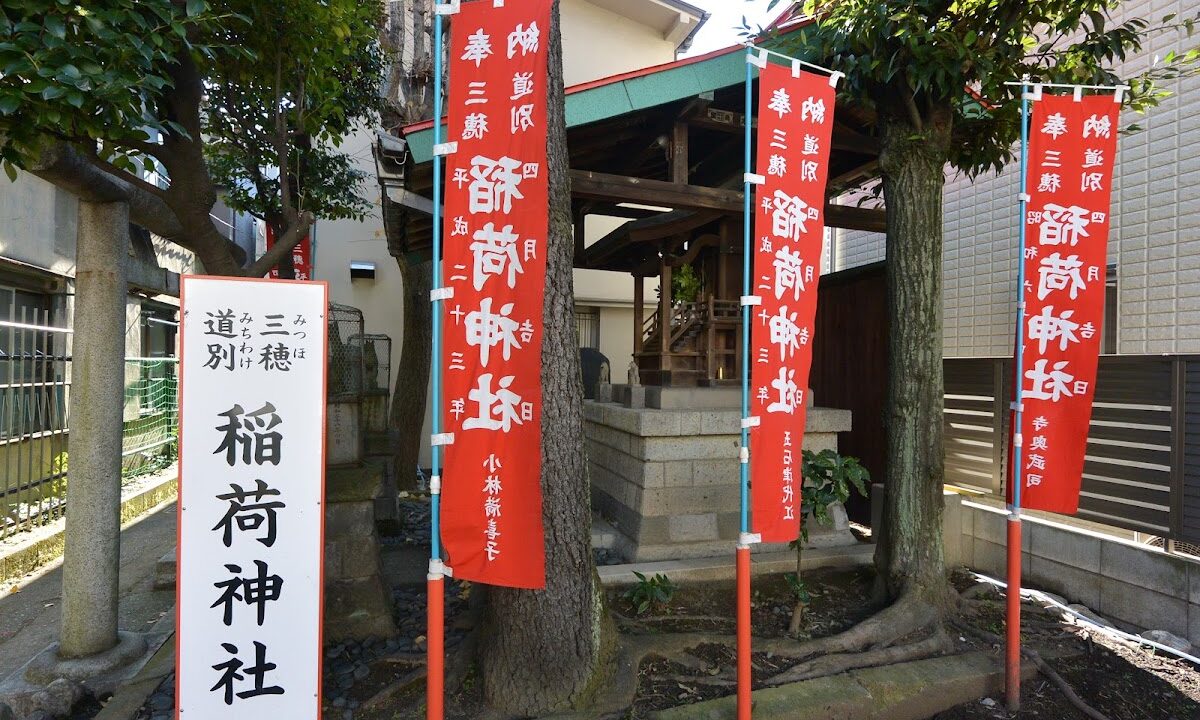
Mihomichiwake Inari Shrine (Koto Ward, Tokyo) Complete Guide | History, Deities, Access, and Visiting Information
Mihomichiwake Inari Shrine, nestled quietly in Kiyosumi, Koto Ward, Tokyo, is a small Inari shrine beloved by local residents. Despite its convenient location just a 2-minute walk from Kiyosumi-Shirakawa Station, its location on a narrow alley in a residential area means that visitors are primarily locals. This article provides a detailed explanation of the shrine’s history, enshrined deities, access methods, and highlights for visitors.
About Mihomichiwake Inari Shrine
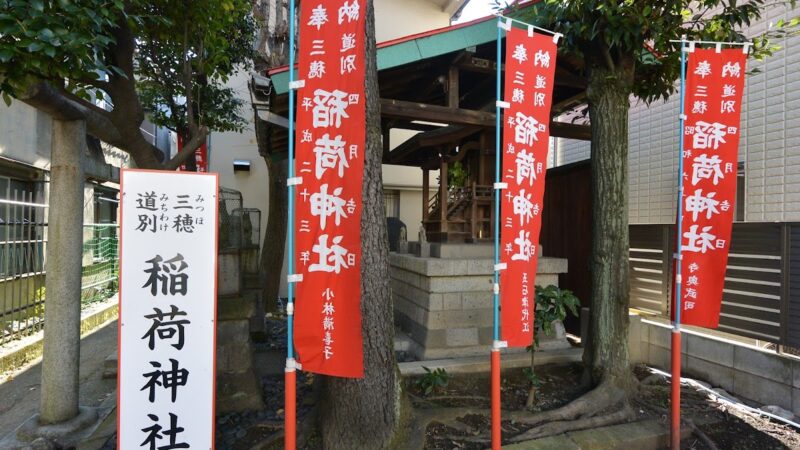
Mihomichiwake Inari Shrine is an Inari shrine located at 3-9-14 Kiyosumi, Koto Ward, Tokyo. The current shrine was formed in 1965 (Showa 40) through the merger of two separate Inari shrines, “Mihomichiwake Inari Shrine” and “Michiwake Inari Shrine,” which were adjacent to each other.
Characteristics of the Shrine
- Location: 3-9-14 Kiyosumi, Koto-ku, Tokyo
- Management Body: Kiyosumi 3-chome North Neighborhood Association
- Size: Small neighborhood shrine
- Location: Along a narrow alley in a residential area
- Distance from Nearest Station: Approximately 2 minutes on foot from Kiyosumi-Shirakawa Station
This shrine is located next to a local disaster prevention equipment storage facility, with the main hall situated at the end of a narrow alley between houses. As a community-oriented shrine typical of Tokyo’s downtown area, it serves as a center of faith in the Kiyosumi region.
Deities and Divine Virtues
The deity enshrined at Mihodo-betsu Inari Shrine is Ukanomitama-no-kami, a representative deity of Inari.
About Ukanomitama-no-Kami
Ukanomitama-no-Kami is a god of grain and food appearing in Japanese mythology. In the Kojiki (Records of Ancient Matters), she is described as the child of Susanoo-no-Mikoto and Kamu-Oichihime. “Uka” is an archaic word meaning grain and food, and she is widely worshipped as a god of abundant harvests and business prosperity.
Expected Divine Blessings
- Abundant Harvest: Abundance related to agriculture and food
- Business Prosperity: Success and prosperity in business
- Family Safety: Health and peace of mind for the family
- Industrial Development: Promotion of local industries
- Good Fortune and Prosperity: Bringing about general good fortune
Inari shrines have attracted the faith of ordinary people since the Edo period, and have been particularly revered among merchants and craftsmen. The Kiyosumi area is also a downtown area that has existed since the Edo period, and the faith, closely intertwined with the lives of local residents, continues to this day.
History of Mihodo-betsu Inari Shrine
Two Shrines Before Merger
The current Mihodo-betsu Inari Shrine is comprised of two Inari shrines that originally existed separately.
Miho Inari Shrine
Miho Inari Shrine was an Inari shrine located on the north side of the Kiyosumi area. The name “Miho” is thought to mean “three ears of rice,” symbolizing fertility, and it was worshipped locally as a shrine where people prayed for abundance in agriculture and food.
Dobetsu Inari Shrine
Dobetsu Inari Shrine was an Inari shrine located next to Miho Inari Shrine. The name “Dobetsu” is presumed to mean a fork in the road or a guardian of safe travels. During the Edo period, this area flourished as Fukagawa and was a place where many people came and went.
Merger in 1965
In 1965 (Showa 40), the adjacent Miho Inari Shrine and Dobetsu Inari Shrine merged to form the current “Miho Dobetsu Inari Shrine.” This merger is believed to have stemmed from the difficulty of maintaining small shrines due to post-war urbanization and population changes.
Through the merger, the faith and history of the two shrines were integrated into one, and the Kiyosumi 3-chome North Neighborhood Association has since taken over its management and carefully preserved it.
Historical Background of the Kiyosumi Area
Kiyosumi developed as part of Fukagawa during the Edo period. Located near the Sumida River, it was a thriving area with many craftsmen and merchants, specializing in timber and warehousing. In the Meiji era, Kiyosumi Garden (formerly the Iwasaki Family Garden) was developed, adding a cultural atmosphere.
Within this historical context, Miho Inari Shrine and Dobetsu Inari Shrine each played their respective roles as centers of faith for the local residents.
Access and Nearest Station Information
Access to Mihodo-betsu Inari Shrine is very convenient. It’s within walking distance of Kiyosumi-Shirakawa Station and easily accessible from major areas of Tokyo.
Nearest Station and Line
Toei Oedo Line and Tokyo Metro Hanzomon Line “Kiyosumi-Shirakawa Station”
- Walking Time: Approximately 2 minutes (closest station)
- Exit: Exit A3 or B2 is convenient
- Line: Toei Oedo Line, Tokyo Metro Hanzomon Line
Kiyosumi-Shirakawa Station is a convenient station served by two lines. The shrine is very close to the station, about a 2-minute walk, making it almost impossible to get lost.
Tokyo Metro Tozai Line “Monzen-Nakacho Station”
- Walking Time: Approximately 10 minutes
- Exit: Exit 6
- Line: Tokyo Metro Tozai Line, Toei Oedo Line
Monzen-Nakacho Station is also within walking distance. If you plan to visit Fukagawa Fudōdō Temple and Tomioka Hachimangū Shrine as well, using this station is a good option.
Nearest Bus Stop and Route
Toei Bus “Kiyosumi-Shirakawa Station” Bus Stop
- Walking Time: Approximately 3 minutes
- Route: Toei Bus (Higashi 20, Mon 33, etc.)
It’s about a 3-minute walk from the Kiyosumi-Shirakawa Station bus stop. If using the bus, get off at a bus stop along Kiyosumi-dori Street.
Map and Detailed Directions
Directions from Kiyosumi-Shirakawa Station:
- Exit Kiyosumi-Shirakawa Station at Exit A3.
- Proceed south along Kiyosumi Street (opposite direction from Kiyosumi Garden).
- Turn right onto Yokozuna Street, approximately 100 meters ahead.
- Proceed west along Yokozuna Street for approximately 50 meters. You will see the Kiyosumi 3-chome Neighborhood Association’s disaster prevention equipment storage facility on your right.
- Enter the narrow passageway next to it. Mihodo-betsu Inari Shrine is located at the back.
The shrine is located at the end of a narrow alley in a residential area, so it may be a little difficult to find for first-time visitors. Using the disaster prevention equipment storage facility facing Yokozuna Street as a landmark will make it easier to find.
Access by Car and Parking
There is no dedicated parking lot for the shrine. If you are visiting by car, please use the coin parking lots around Kiyosumi-Shirakawa Station. However, the road in front of the shrine is very narrow, so we strongly recommend accessing it on foot.
Points of Interest and Highlights for Visitors
Shrine Grounds
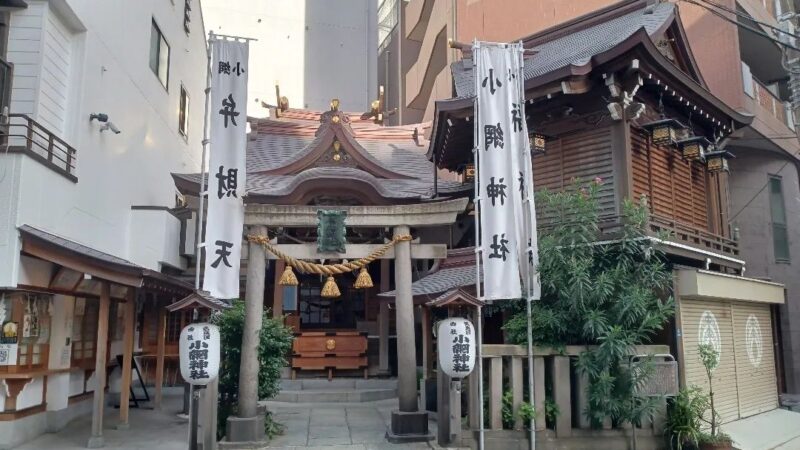
Mihodo-betsu Inari Shrine is a small shrine, but it is kept very clean, reflecting the careful maintenance by the local community.
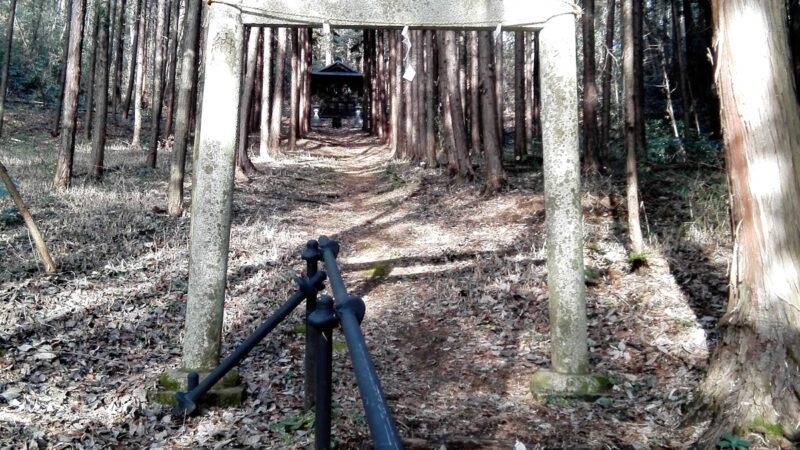
- Torii Gate: A red Inari torii gate stands at the entrance to the approach.
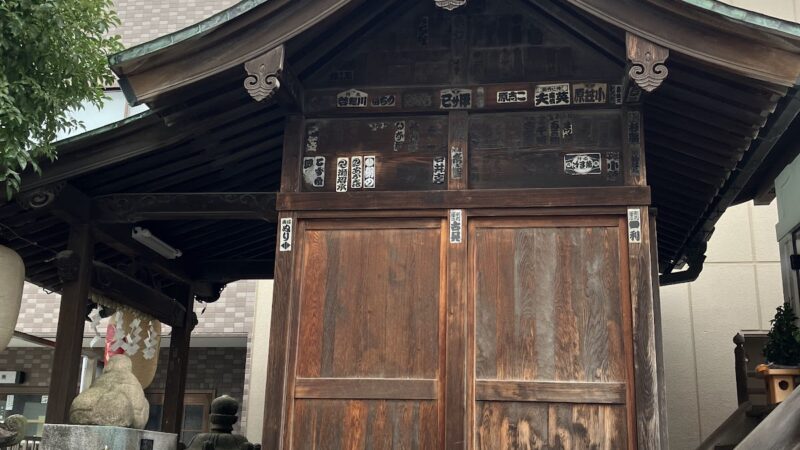
- Main Shrine: A small wooden main shrine is situated at the back.
- Fox Statues: Stone statues of foxes, symbols of Inari shrines, are placed throughout the grounds.
- Shrine Building: Compact yet built in the traditional style of an Inari shrine.
Etiquette for Worship
The basic etiquette for worshipping at an Inari shrine is as follows:
- Bow before passing through the torii gate.
- Purify your hands and mouth if there is a water basin. (Some small shrines may not have a water basin.)
- Bow twice, clap twice, and bow once in front of the main shrine.
- Bow towards the shrine building before leaving the torii gate after worship.
Photography
Photography is generally permitted on the shrine grounds, but please be considerate of the privacy of residents as it is located in a residential area. Also, please try to maintain a quiet environment.
About Goshuin (Shrine Seals)
Mihodo-betsu Inari Shrine is an unmanned shrine with no resident priests. Therefore, it is believed that goshuin are not issued. Those wishing to receive a goshuin are advised to visit the nearby Fukagawa Shinmei-gu or Tomioka Hachiman-gu shrines.
Nearby Attractions and Tourist Spots
When visiting Mihodo-betsu Inari Shrine, you can also visit other tourist spots in the Kiyosumi-Shirakawa area.
Kiyosumi Garden
- Walking Time: Approximately 5 minutes
- Features: A metropolitan garden built as the garden of the Iwasaki family
- Highlights: A strolling garden with a pond and trees, and famous stones collected from all over Japan
A representative tourist spot in Kiyosumi-Shirakawa. Enjoy the beautiful scenery of each season.
Fukagawa Edo Museum
- Walking Time: Approximately 7 minutes
- Features: Recreation of the townscape of Fukagawa during the Edo period
- Highlights: Exhibits of life-sized row houses and merchant houses
This museum allows you to experience life in Fukagawa during the Edo period.
Fukagawa Fudodo Temple
- Walking Time: Approximately 12 minutes
- Features: Tokyo branch temple of Naritasan Shinshoji Temple
- Highlights: Goma prayer ceremony, monthly festival on the 28th
A representative temple of Fukagawa, visited by many worshippers.
Tomioka Hachimangu Shrine
- Walking Time: Approximately 13 minutes
- Features: Famous for the “Fukagawa Hachiman Festival,” one of the three major Edo festivals
- Highlights: Japan’s largest golden portable shrine, Yokozuna sumo wrestler monument
A historic Hachimangu shrine dating back to the Edo period.
Cafe & Gourmet Spots
Kiyosumi-Shirakawa is also known as a coffee town, and many stylish cafes are scattered throughout the area:
- Blue Bottle Coffee Kiyosumi-Shirakawa: 5-minute walk
- Arise Coffee Roasters: 3-minute walk
- Fukadasou Cafe: 6-minute walk
Cafe hopping after visiting the shrine is one way to enjoy Kiyosumi-Shirakawa.
Points to Note and Manners for Visiting the Shrine
Visiting Hours
Mihodo-betsu Inari Shrine is an unmanned shrine and is open for worship 24 hours a day. However, since it is located in a residential area, please be quiet when visiting in the early morning or late at night so as not to disturb the surrounding residents.
Dress Code
There are no particularly strict dress code regulations, but it is desirable to wear clothing that is appropriate for a sacred place.
Photography Etiquette
- Please be considerate of residents’ privacy as there are houses nearby.
- Please refrain from loud conversations.
- Use flash photography at your discretion, depending on the situation.
Taking Your Trash Home
There are no trash cans on the temple grounds. Please be sure to take all your trash home with you.
History and Culture of the Kiyosumi-Shirakawa Area
History of Fukagawa
Kiyosumi was part of an area called Fukagawa during the Edo period. Fukagawa was located on the east bank of the Sumida River and developed as a logistics hub for Edo. Timber trading, warehousing, and shipping industries flourished, and it prospered as a downtown area where many craftsmen and merchants lived.
After the Meiji Era
During the Meiji era, Iwasaki Yanosuke, the younger brother of Iwasaki Yataro, the founder of the Mitsubishi zaibatsu, developed the Kiyosumi Garden, bringing a cultural atmosphere to the area. Throughout the Taisho and Showa eras, it also developed as an industrial area, but suffered significant damage from the Great Kanto Earthquake and the Tokyo air raids.
Modern Kiyosumi-Shirakawa
After the post-war reconstruction, Kiyosumi-Shirakawa was reborn as a mixed residential and commercial area. Since the 2000s, the number of cafes and galleries renovated from warehouses has increased, making it a popular area for young people as an “art and coffee town.”
Throughout this history, Mihodo-betsu Inari Shrine has remained a central place of faith for the community, continuing to be close to its residents.
Differences from Nearby Shrines and Temples
While there are several shrines and temples in the Kiyosumi-Shirakawa area, Mihodo-betsu Inari Shrine has its own unique characteristics.
Differences from Fukagawa Shinmei-gu Shrine
Fukagawa Shinmei-gu Shrine is a large shrine near Kiyosumi-Shirakawa Station, dedicated to Amaterasu Omikami. It is large in scale, has resident priests, and offers Goshuin (shrine seals). On the other hand, Mihodo-betsu Inari Shrine is a small, local shrine, a place of worship deeply rooted in the community.
Differences from Tomioka Hachimangu Shrine
Tomioka Hachimangu Shrine is a large shrine that hosts one of the three major Edo festivals and attracts many tourists. Mihodo-betsu Inari Shrine is not a tourist destination and has a strong character as a quiet place of prayer for local residents.
Differences from Fukagawa Fudodo Temple
Fukagawa Fudodo Temple is a Shingon Buddhist temple and is known for its active religious ceremonies such as Goma prayers. Mihodo-betsu Inari Shrine is a Shinto Inari shrine, and the form of worship is different.
Visitor Voices and Reputation
Visitors who have come to Mihodo-betsu Inari Shrine have said the following:
- “Conveniently located a short walk from Kiyosumi-Shirakawa Station”
- “A quiet shrine in a residential area”
- “You can feel the atmosphere of local people cherishing and protecting it”
- “Small but kept clean”
- “Can be visited in conjunction with Kiyosumi Garden and Fukagawa Edo Museum”
As a simple shrine not commercialized for tourism, it is popular with those who want to pray in peace.
Annual Events and Festivals
Mihodo-betsu Inari Shrine is a small local shrine, so large-scale festivals are not held. However, since it is managed by the Kiyosumi 3-chome North Neighborhood Association, local festivals and Hatsuumasai (first horse day festival) may be held.
Hatsuumasai (First Horse Day Festival)
The most important festival at an Inari shrine is the Hatsuumasai. It is held on the first Horse Day of February and is considered the day when Inari-sama descended. A small-scale Hatsuumasai may be held at Mihodo-betsu Inari Shrine by local residents.
Annual Grand Festival
Many local shrines hold an annual grand festival. Specific dates should be confirmed with the neighborhood association, but it is often held during the autumn festival season (September-October).
Frequently Asked Questions (FAQ)
Q1: Can I get a Goshuin (shrine stamp) at Mihodo-betsu Inari Shrine?
A1: Mihodo-betsu Inari Shrine is a small, unmanned shrine, so Goshuin are not issued. If you wish to receive a Goshuin (temple/shrine stamp), we recommend visiting the nearby Fukagawa Shinmei-gu or Tomioka Hachiman-gu shrines.
Q2: Is there parking available?
A2: There is no dedicated parking lot for the shrine. If you are coming by car, please use the coin parking lots around Kiyosumi-Shirakawa Station. However, the road in front of the shrine is very narrow, so we recommend using public transportation.
Q3: Are there any restrictions on visiting hours?
A3: You can visit 24 hours a day, but since it is located in a residential area, consideration for the surrounding residents is necessary when visiting early in the morning or late at night. We recommend visiting during the daytime.
Q4: Do you offer amulets or talismans?
A4: As there is no resident Shinto priest, we do not offer amulets or talismans.
Q5: How long does it take to get there from Kiyosumi-Shirakawa Station?
A5: It is about a 2-minute walk from Exit A3 of Kiyosumi-Shirakawa Station. It is in a very easily accessible location.
Q6: Is photography allowed?
A6: Photography is permitted on the shrine grounds, but please be considerate of the privacy of local residents and take photos quietly, as it is located in a residential area.
Q7: Is it accessible by wheelchair?
A7: The path leading to the shrine is narrow, so wheelchair access may be difficult. We recommend checking the situation on site beforehand.
Q8: Are there places to eat nearby?
A8: There are many restaurants and cafes around Kiyosumi-Shirakawa Station. Coffee shops, in particular, are abundant and perfect for a break after visiting the shrine.
Summary: The Charm of Mihodo-betsu Inari Shrine
Mihodo-betsu Inari Shrine is a small Inari shrine quietly nestled in a residential area of Kiyosumi, Koto Ward, Tokyo. Inheriting the history of two shrines merged in 1965, it is carefully preserved as a place of faith for local residents.
Despite its convenient location, approximately a 2-minute walk from Kiyosumi-Shirakawa Station, its simple atmosphere, unspoiled by tourism, is its charm. Unlike large shrines, you can feel a warmth and tranquility rooted in the local community.
There are many attractive spots in the surrounding area, such as Kiyosumi Garden, the Fukagawa Edo Museum, and popular cafes. When strolling around the Kiyosumi-Shirakawa area, be sure to visit Mihodo-betsu Inari Shrine. Although it is a small shrine, you will have a heartwarming worship experience where the history of the region and the faith of the people breathe life into it.
Why not escape the hustle and bustle of the city and spend some time calming your mind at a quiet shrine in the old town? Mihodo-betsu Inari Shrine is a hidden gem known only to those in the know, offering just such a peaceful moment.