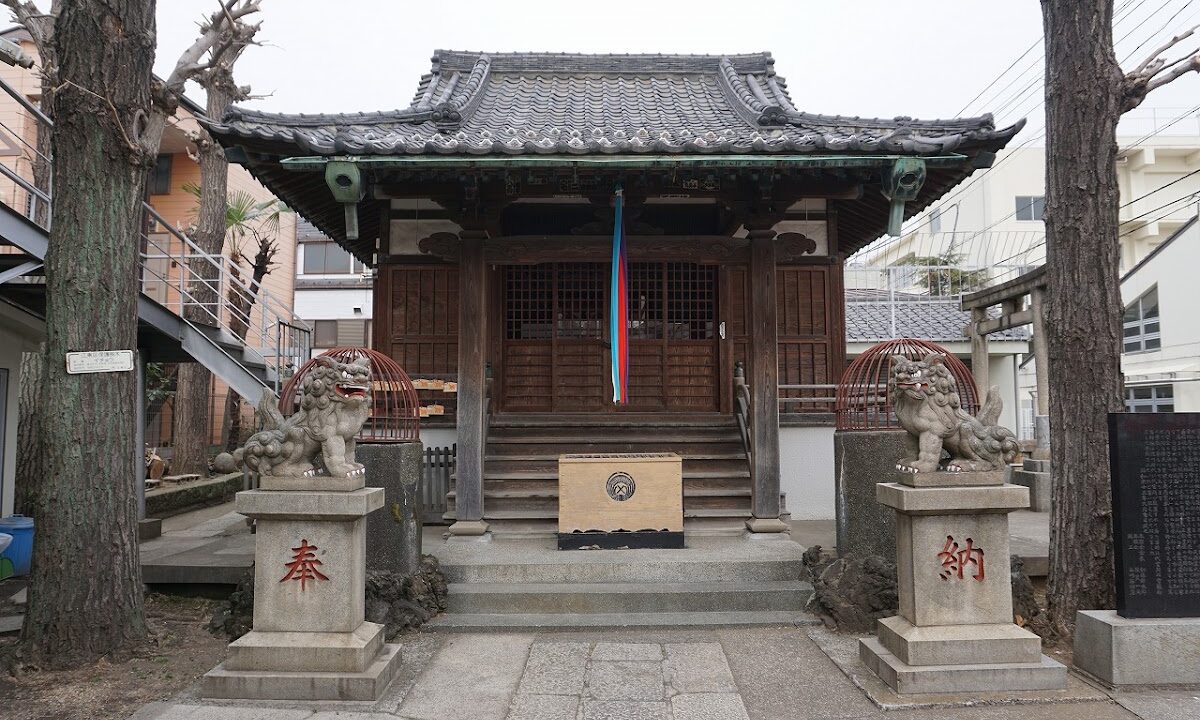
Jihei Inari Shrine (Koto Ward, Tokyo) Complete Guide | History, Deities, Access, and Visiting Information
Jihei Inari Shrine is an Inari shrine located in Kitasuna, Koto Ward, Tokyo. Founded in the early Edo period by a man named Jihei who developed new rice fields, it has a history of over 370 years as the guardian shrine of the region. This article comprehensively introduces information about Jihei Inari Shrine, including its history, deities, highlights within the grounds, access methods, and annual festivals.
Basic Information on Jihei Inari Shrine
Location: 3-21-11 Kitasuna, Koto-ku, Tokyo 136-0073
Deities Enshrined:
- Ukanomitama-no-kami (Main Deity)
- Shiragiku-no-Okami (Enshrined Deity)
Nearest Station:
- Approximately 11-minute walk from Nishi-Ojima Station on the Toei Shinjuku Line
- Approximately 12-minute walk from Ojima Station on the Toei Shinjuku Line
Nearest Bus Stop:
- Approximately 4-minute walk from Kitasuna 3-chome bus stop
Founded: Keian era (1648-1652)
Shrine Rank: Former Village Shrine
Jihei Inari Shrine is located next to Onagigawa Elementary School, facing the Inari-dori shopping street. Despite being in a residential area, it is a shrine beloved by the local community.
History of Jihei Inari Shrine
New Land Development and Founding in the Edo Period
The history of Jihei Inari Shrine dates back to the Keian era (1648-1652) of the early Edo period. At that time, a pioneer named Jihei developed new land throughout this area. Jihei transformed barren land into farmland and created a new village.
Having successfully developed the new land, Jihei, in order to pray for the prosperity of the village and a bountiful harvest, invited a divided spirit from Fushimi Inari Taisha in Yamashiro Province (present-day Kyoto Prefecture) and founded a shrine as the village’s guardian deity. This was the beginning of Jihei Inari Shrine.
Taking the name of the pioneer, Jihei, this area came to be called “Jihei Shinden” (Jihei New Land). Jihei Shinden later developed into Jihei Shinden Village, and the shrine became the central place of worship for the village.
The Development of Jihei Shinden Village and the Role of the Shrine
Throughout the Edo period, Jihei Shinden Village developed as a village centered on agriculture. Jihei Inari Shrine served as the village’s guardian shrine, becoming the center of faith for the villagers, where prayers for abundant harvests, business prosperity, and family safety were offered.
Inari worship became widespread among common people during the Edo period, and was particularly devoutly revered by those engaged in agriculture and commerce. Jihei Inari Shrine was no exception, developing as a shrine closely intertwined with the lives of the local people.
Changes After the Meiji Era
With the Meiji era, the shrine system was established, and Jihei Inari Shrine was designated as a village shrine. Even amidst the wave of modernization after the Meiji Restoration, it continued to fulfill its role as the guardian shrine of the region.
From the Taisho era to the early Showa era, as Tokyo urbanized, the area around Jihei Shinden Village gradually became urbanized. During World War II, Koto Ward suffered significant damage from the Tokyo air raids, but the shrine was rebuilt along with the post-war reconstruction, and remains so to this day.
Although the current Jihei Inari Shrine has lost much of its former rural character, it continues to be cherished by the local residents as the guardian deity of the Kitasuna area of Koto Ward.
Deities and Divine Virtues
Ukanomitama-no-kami
The principal deity of Jihei Inari Shrine is Ukanomitama-no-kami. This deity, appearing in the Kojiki and Nihon Shoki, is the god who presides over food and grains, and is widely worshipped at Inari shrines throughout Japan.
Ukanomitama-no-kami is considered a child of Susanoo-no-Mikoto, and “Uka” is an archaic word meaning grain or food. As a central deity in Inari worship, this deity is believed to bestow blessings such as abundant harvests, business prosperity, and industrial development.
Main Divine Blessings:
- Abundant Harvest
- Business Prosperity
- Industrial Development
- Family Safety
- Good Fortune
- Fulfillment of All Wishes
Shiragiku Okami
At Jihei Inari Shrine, Shiragiku Okami is enshrined alongside Ukanomitama-no-kami. Shiragiku Okami is considered one of the attendant deities in Inari worship and may be worshipped as a unique local belief.
In Inari shrines, in addition to the main deity Ukanomitama-no-kami, local guardian deities and individuals involved in development are sometimes enshrined as gods, and Shiragiku Okami is presumed to be one such deity.
Highlights of the Shrine Grounds
Atmosphere of the Shrine and Grounds
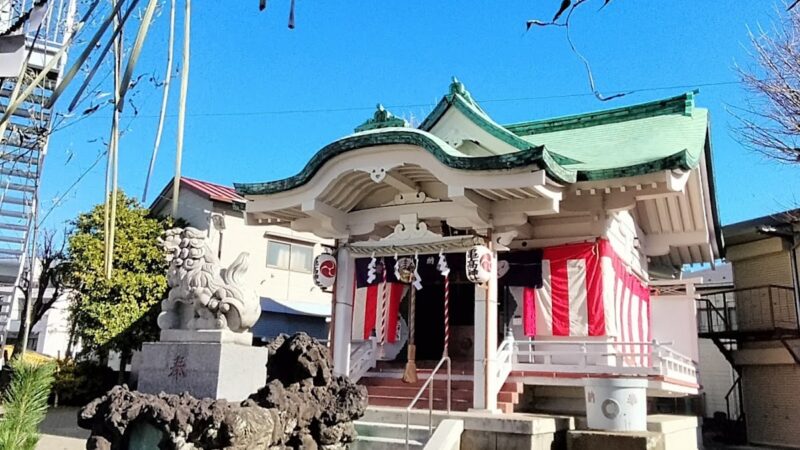
Jihei Inari Shrine is a small shrine located in a residential area, but it is kept clean, conveying that it is cherished by the local people.
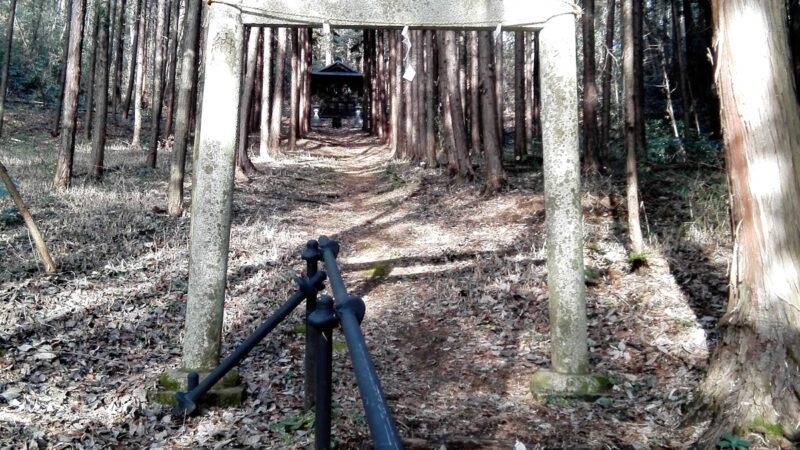
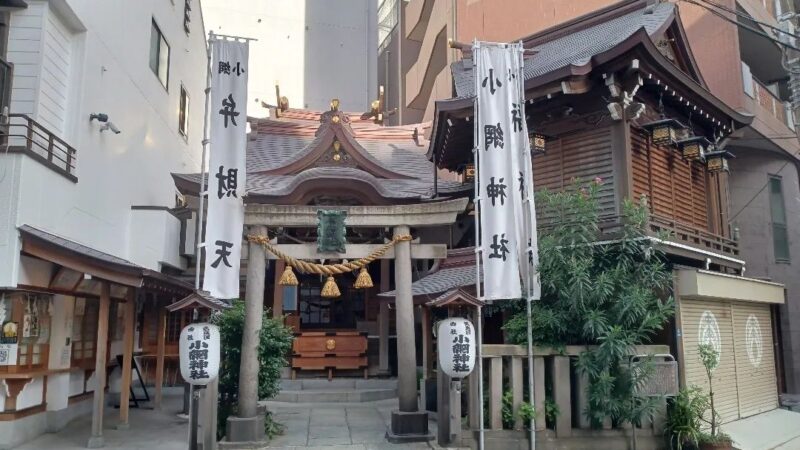
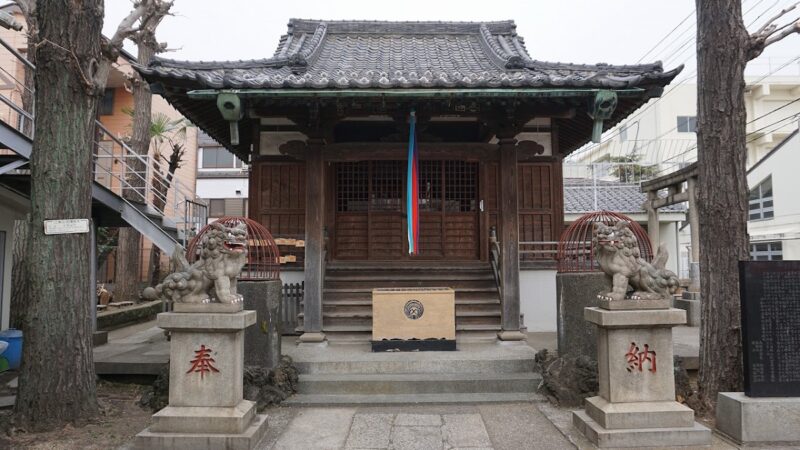
The shrine buildings are in a relatively new architectural style and appear to have been rebuilt after the war. Upon passing through the torii gate, the worship hall is directly ahead, with the main sanctuary located behind it.
Within the shrine grounds, you can see the red torii gates and fox statues characteristic of Inari shrines. In Inari shrines, foxes are considered messengers of the gods and welcome visitors.
Inari-dori Shopping Street
Jihei Inari Shrine is located facing Inari-dori Shopping Street. This shopping street bears the shrine’s name, demonstrating the strong connection between the shrine and the community.
Inari-dori Shopping Street is a downtown-style shopping street that retains the atmosphere of the Showa era, with shops supporting the lives of local residents lining the street. Visitors can also enjoy strolling through the shopping street when visiting the shrine.
Location relative to Onagigawa Elementary School
Onagigawa Elementary School is located next to Jihei Inari Shrine, making the shrine a familiar presence for the school’s children. Located next to local educational facilities, the shrine also functions as a place for the emotional development of children.
Annual Festival and Regular Events
Annual Festival
The annual festival of Jihei Inari Shrine is held every year in late August. This is the most important festival for the shrine, where gratitude is offered to the enshrined deity and prayers are offered for the prosperity of the community and the well-being of the parishioners.
Notably, a portable shrine procession takes place every four years. Many parishioners and local residents participate as the portable shrine parades through the town, enveloping the entire community in the festive atmosphere. The portable shrine procession is an important event that strengthens the bonds of the local community.
Other Annual Events
In addition to the annual festival, Jihei Inari Shrine is believed to hold the following annual events (please contact the shrine for details):
- Hatsuumasai (February): A festival unique to Inari shrines, praying for business prosperity
- Natsukoshi no Oharae (end of June): A Shinto ritual to purify and cleanse away the impurities of the past six months
- Niinamesai (November): A festival offering new grain to the gods and giving thanks for the harvest
- Toshikoshi no Oharae (end of December): A Shinto ritual to purify and cleanse away the impurities of the past year
Access
Access by Train
From Nishi-Ojima Station on the Toei Shinjuku Line:
- Exit the ticket gate at Nishi-Ojima Station and go above ground from the Ojima Exit (A1 Exit)
- Proceed north along Meiji-dori
- Turn right at the Kita-Suna 3-chome intersection
- Proceed straight along Inari-dori Shopping Street
- Approximately 11 minutes on foot
From Oshima Station on the Toei Shinjuku Line:
- Exit the ticket gate at Oshima Station
- Head north along Meiji-dori Street
- Head towards Kitasuna
- Approximately 12 minutes on foot
Access by Bus
Toei Bus/Tokyo Metropolitan Bureau of Transportation Bus:
- Get off at the “Kitasuna 3-chome” bus stop, approximately 4 minutes on foot
Available routes:
- Route 08 (Kinshicho Station – Nippori Station)
- Route 29 (Kameido Station – Kasai Station)
From the bus stop to the shrine, it’s easy to find by following the Inari-dori shopping street.
Access by Car
Jihei Inari Shrine does not have its own parking lot. If you are visiting by car, we recommend using a nearby coin parking lot or public transportation.
As the shrine is located in a residential area, please refrain from street parking as it will inconvenience local residents.
About Goshuin (Shrine Seals)
Jihei Inari Shrine is a small shrine, and there may not be a resident priest. We recommend checking in advance regarding the issuance of Goshuin.
In recent years, shrine visits and Goshuin collecting have become popular, but Goshuin are proof of worship and are not stamp rallies. First and foremost, it is important to worship with sincerity and offer gratitude to the deities.
Manners and Points for Visiting a Shrine
Basic Worship Etiquette
- Bow before passing through the torii gate: Bow slightly before entering the sacred area.
- Purify yourself at the water basin: If there is a water basin, purify your hands and mouth.
- Worship in front of the main hall: Two bows, two claps, and one bow is the basic ritual.
- Stroll around the grounds: Take your time and soak up the atmosphere of the grounds.
- Bow before leaving the torii gate: Bow again when leaving the sacred area.
Attire for Visiting a Shrine
No special attire is required, but please wear clean clothing that is respectful to the gods. It is best to avoid revealing or overly casual clothing.
Regarding Photography
Photography is generally permitted on the shrine grounds, but please observe the following:
- Do not take photos in areas where photography is prohibited, such as inside the main hall.
- Be considerate of other visitors.
- Remember that this is a sacred place and take photos with respect.
Nearby Attractions
Onagigawa River
Within walking distance of Jihei Inari Shrine flows the Onagigawa River, which flourished as a key point for logistics during the Edo period. A promenade is maintained along the Onagigawa River, allowing visitors to enjoy a stroll.
Sarue Onshi Park
Near Nishi-Ojima Station is the vast Sarue Onshi Park. Known as a famous cherry blossom viewing spot, it is bustling with many visitors in spring. A visit before or after visiting the shrine is recommended.
Other Shrines in Koto Ward
Koto Ward has many shrines:
- Tomioka Hachimangu Shrine: Famous for the “Fukagawa Hachiman Festival,” one of the three major Edo festivals
- Kameido Tenjin Shrine: A shrine dedicated to Sugawara no Michizane, the god of learning
- Fukagawa Shinmei Shrine: A shrine dedicated to a divided spirit of Ise Grand Shrine
Those who enjoy visiting shrines might consider visiting these shrines as well.
The Charm of Jihei Inari Shrine
A History Rooted in the Community
The greatest charm of Jihei Inari Shrine lies in its close connection to the region’s history of land reclamation during the Edo period. Named after the pioneer Jihei, the shrine is a valuable reminder of the region’s origins.
A Downtown Atmosphere
Nestled quietly within a residential area, the shrine possesses a calm atmosphere typical of Tokyo’s downtown. Unlike large-scale tourist shrines, it offers a glimpse into a shrine deeply intertwined with the lives of the local people.
The Tradition of Inari Worship
As a shrine enshrining a分霊 (bunrei, a divided spirit) of Fushimi Inari Taisha, it preserves the tradition of Japanese Inari worship. As a deity of abundant harvests and business prosperity, it continues to attract many worshippers today.
Summary
Jihei Inari Shrine is a historical shrine founded by Jihei, a land reclamation developer during the Edo period. Located in Kitasuna, Koto-ku, Tokyo, it has been cherished as the guardian shrine of the community for over 370 years.
It enshrines Ukanomitama-no-kami and Shiragiku-no-kami as its deities, and is believed to bestow blessings of abundant harvests, business prosperity, and family safety. It is accessible on foot from Nishi-Ojima Station or Ojima Station on the Toei Shinjuku Line, and visitors can peacefully worship in the quiet grounds nestled in a residential area.
The annual grand festival, held once every four years and featuring a portable shrine procession, is an important event symbolizing the unity of the local community. Its location facing the Inari-dori shopping street also demonstrates the deep connection between the shrine and the local community.
As a historic shrine remaining in Tokyo’s old downtown area, Jihei Inari Shrine is a place well worth visiting. When you visit Koto Ward, why not pay a visit?