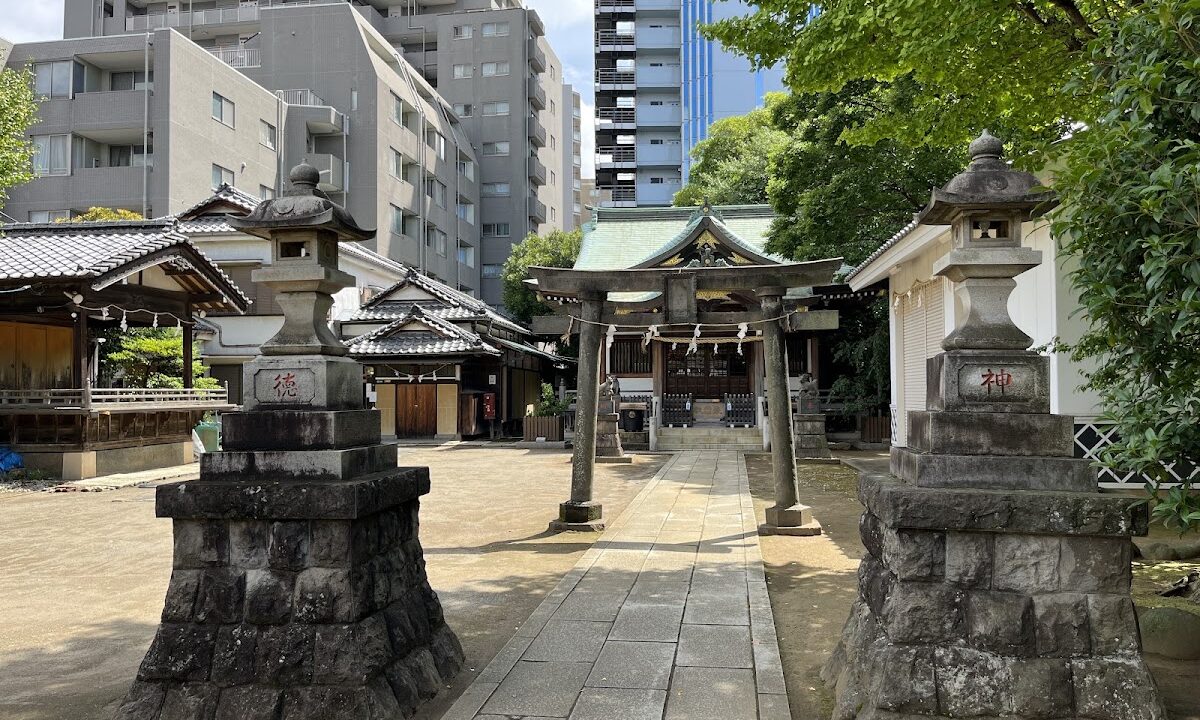
Ayase Inari Shrine (Adachi Ward, Tokyo) | Complete Guide to History, Goshuin (Shrine Seals), and Access
Ayase Inari Shrine is a historic shrine located at 4-9-9 Ayase, Adachi Ward, Tokyo. Despite its convenient location just a 3-minute walk from Ayase Station, it boasts a tranquil atmosphere nestled in a quiet residential area, making it a beloved Inari shrine for local residents and many other visitors alike.
This article comprehensively covers everything you need to know before visiting Ayase Inari Shrine, including its detailed history, highlights within the grounds, goshuin information, and access methods.
Basic Information about Ayase Inari Shrine
Location: 4-9-9 Ayase, Adachi-ku, Tokyo
Main Deity: Ukanomitama-no-kami
Enshrined Deities: Tenmangu, Suiten-gu
Shrine Rank: Former Village Shrine
Founded: Keicho 19 (1614)
Annual Festival Date: September 13th (Some sources say October 13th)
Visiting Hours: 9:00 AM to 5:00 PM
Telephone Number: 03-3606-2512
History
Founded in the Early Edo Period
The history of Ayase Inari Shrine dates back to Keicho 19 (1614), the early Edo period. This year is known as the year Tokugawa Ieyasu launched the Winter Siege of Osaka, and it was just before the Edo Shogunate entered a period of full stability.
According to local legend, a man named Kaneko Gohei migrated to this area and developed the barren land into “Gohei Shinden” (Gohei’s New Rice Fields). It is said that Kaneko Gohei prayed for the success of the new rice field development and, as the tutelary deity of the newly opened land, invited the Inari deity from Fushimi Inari Taisha in Kyoto, which is considered the origin of Ayase Inari Shrine.
The Inari deity, Ukanomitama-no-kami, is widely worshipped as the god of abundant harvests and business prosperity, making him the most suitable guardian deity for a region based on agriculture, such as the newly developed rice fields.
As the Guardian Shrine of Gohei Shinden
Initially, this shrine functioned as the guardian shrine of “Gohei Shinden.” A guardian shrine refers to a shrine that protects a specific region or settlement. Throughout the Edo period, the residents of Gobei Shinden formed a community centered around this Inari Shrine, and the custom of visiting the shrine at key points in agricultural work and during annual events was deeply ingrained.
At that time, Gobei Shinden was a rural area encompassing the present-day Ayase district of Adachi Ward, where agriculture, primarily rice cultivation, was practiced. The faith in Inari served as an important spiritual pillar, expressing prayers for a bountiful harvest and feelings of gratitude.
Changes in the Meiji Era
With the arrival of the Meiji era, the shrine underwent significant changes. In 1874 (Meiji 7), the shrine, which had previously lacked a formal name or was simply called “Inari Shrine,” was renamed “Gobei Shrine” in honor of the pioneer, Kaneko Gobei.
This period saw the Meiji government’s efforts to improve the shrine system, and shrines throughout the country were incorporated into the shrine ranking system. Ayase Inari Shrine was also recognized as a village shrine, establishing its status as a formal shrine in the region.
Renaming in the Showa Era and into the Present
In 1967 (Showa 42), the shrine underwent another name change, becoming the current “Ayase Inari Shrine.” This name change coincided with the change of the old place name, “Gobei-cho,” to “Ayase.”
The name change occurred as the area of the former Gobei Shinden became urbanized and developed into a transportation hub, with the opening of Ayase Station on the Tokyo Metro Chiyoda Line. The aim was to make the shrine more familiar to a wider audience by aligning its name with the local place name.
Currently, along with Ayase Shrine and Ayase Kitano Shrine, it is known as one of the “Three Shrines of Ayase” and is positioned as an important place of worship in the region.
Deities and Benefits
Main Deity: Ukanomitama-no-kami
The main deity of Ayase Inari Shrine is Ukanomitama-no-kami. This deity is a god of food appearing in the Kojiki and Nihon Shoki, and is also the principal deity of Fushimi Inari Taisha in Kyoto, the head shrine of all Inari shrines.
“Uka” is an archaic word meaning grain or food, and “Mitama” represents the soul. Therefore, Ukanomitama-no-kami means “spirit of food,” and has been revered as the god who presides over all blessings related to agriculture and food.
Enshrined Deities
In addition to the principal deity, Ayase Inari Shrine enshrines two other deities.
Tenmangu: A Tenmangu shrine dedicated to Sugawara no Michizane, known as the god of learning, is enshrined here. Many worshippers visit to pray for academic success and passing exams.
Suitengu: A Suitengu shrine, worshipped as the god of safe childbirth and child-rearing, is also enshrined here, attracting worshippers from pregnant women and families raising children.
Benefits
The main benefits believed to be obtainable at Ayase Inari Shrine are as follows:
- Abundant Harvest: A traditional benefit praying for a bountiful harvest
- Business Prosperity: Success in business and prosperity
- Family Safety: Health and peaceful life for the family
- Protection from Misfortune: Protection from various calamities
- Good Health: Prayers for health and longevity
- Safe Conception and Childbirth: A benefit of Suiten-gu Shrine
- Academic Success: A benefit of Tenman-gu Shrine
Highlights of the Shrine Grounds
Rakugo Komainu (Guardian Dogs of Rakugo)
The most distinctive feature of Ayase Inari Shrine is the “Rakugo Komainu” (guardian dogs of Rakugo) located within the shrine grounds. These unique guardian dogs were donated by Rakugo storyteller Sanyutei Enjo, who is also known as a Komainu researcher, and have become a famous feature of the shrine.
Unlike typical guardian lion-dogs, these feature a unique design themed around rakugo (traditional Japanese comic storytelling), delighting visitors. They’ve become a topic of conversation among guardian lion-dog enthusiasts and rakugo fans, attracting many visitors specifically to see them.
Ayase Fuji (Fujizuka)
Within the shrine grounds is a Fujizuka, an artificial mountain modeled after Mount Fuji. These were built in various locations during the Edo period when Fuji worship became popular, for those unable to climb the actual Mount Fuji.
The Fujizuka at Ayase Inari Shrine was built by a local Fuji-ko (a Fuji worship organization) and is still carefully preserved as an object of worship. Although small, it is accessible to climbers, and from the top, one can enjoy a panoramic view of the shrine grounds.
Edo Period Main Hall
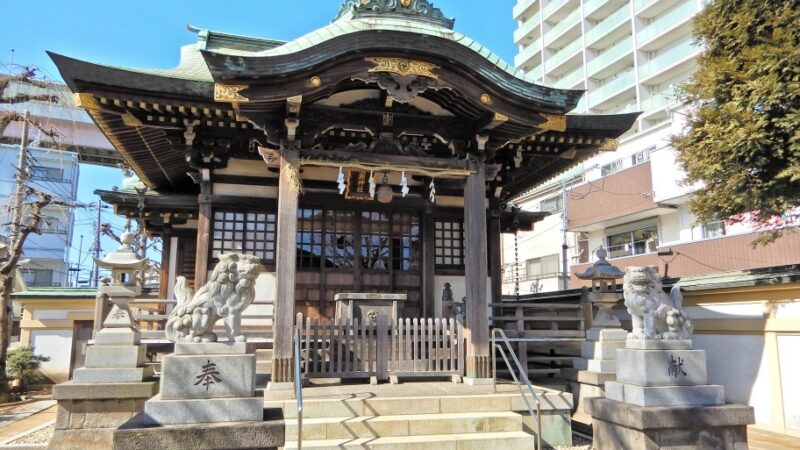
The main hall of Ayase Inari Shrine is a historically valuable building constructed during the Edo period. Despite its small size, it retains the traditional style of shrine architecture, making it a valuable cultural asset that conveys the architectural techniques and forms of worship of that era.
The warm atmosphere unique to wooden architecture brings a sense of calm to visitors.
Quiet Shrine Grounds
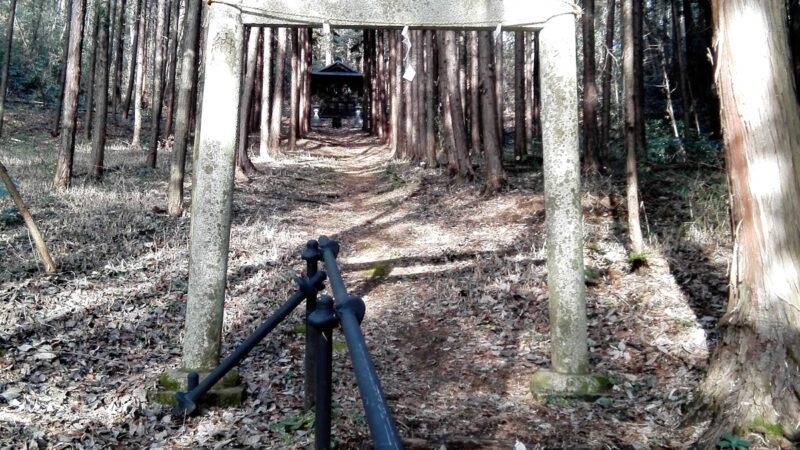
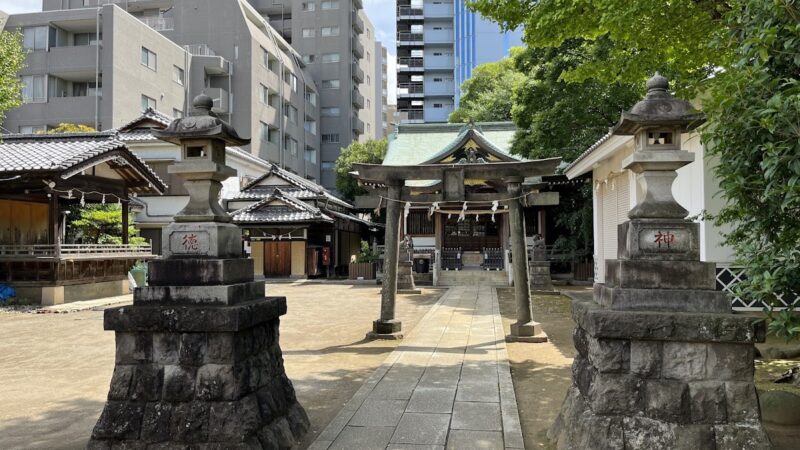
Despite being located in the heart of the city, just a 3-minute walk from Ayase Station, the shrine grounds are surprisingly quiet and peaceful. It’s a small shrine nestled in a residential area, but that makes it approachable and a familiar place of worship for daily visits.
The grounds are kept clean, and seasonal flowers can be enjoyed. It’s cherished by locals as a place to escape the hustle and bustle of the city and find peace of mind.
Cultural Property
Cultural Value of the Fujizuka (Ayase Fuji)
The Fujizuka (Ayase Fuji) at Ayase Inari Shrine is an important cultural property that tells the history of Fuji worship in Adachi Ward. As evidence of the activities of the Fuji-ko (Fuji pilgrimage group) that continued from the Edo period, it is a valuable resource for local history research.
While lava stones are usually used for Fujizuka, Ayase Fuji also exhibits this characteristic, conveying the fervor of the faith at that time.
Architectural Value of the Edo Period Main Hall
The main hall is a valuable structure that preserves the Edo period shrine architecture style. Although small in scale, the detailed carvings and decorations showcase the craftsmanship of the time, and it is recognized as a structure of architectural historical value.
Regular repairs are carried out, and it is carefully preserved as a cultural heritage to be passed down to future generations.
Goshuin (Shrine Seal) Information
Issuance of Goshuin
Ayase Inari Shrine offers goshuin (shrine seals). Many visitors receive them as a memento of their visit and as proof of their faith.
Issuance Hours: 9:00 AM to 5:00 PM
Offering Fee: Similar to other shrines (approximately 300-500 yen)
Goshuin are handled at the shrine office, but since staff may be absent, it is recommended to call in advance to confirm availability.
Goshuin Notebook
Please check with the shrine office upon your visit regarding the availability of Ayase Inari Shrine’s original goshuin notebook. If you bring a standard goshuincho (stamp book), they will record it for you.
Sharing Visit Records
Many visitors post photos of Ayase Inari Shrine’s goshuin (stamps) and grounds on social media and shrine visit record apps like “Hotokami,” which can be used as reference information before your visit.
Annual Festivals and Rituals
Grand Festival
The Grand Festival of Ayase Inari Shrine is held annually on September 13th (some sources say October 13th). The Grand Festival is the most important annual event for the shrine, a festival to express gratitude for the past year and pray for peace in the future.
During the Grand Festival, local residents gather, and traditional rituals are performed. Processions of portable shrines and devotional performances may also take place, making it an important opportunity to strengthen community ties.
Other Annual Events
- Hatsumode (First Shrine Visit of the New Year): The shrine is bustling with New Year’s visitors from January 1st to 3rd.
- Setsubun Festival: Events such as bean-throwing are sometimes held during Setsubun in February.
- Natsukoshi no Harae (Summer Purification Ceremony): A Shinto ritual to purify oneself of the impurities accumulated over the past six months is held at the end of June.
For specific dates and details of the rituals, please contact the shrine directly or check the bulletin board.
Access Methods
Access by Train
Access to Ayase Inari Shrine is very convenient.
Nearest Stations:
- Approximately 3 minutes on foot from the West Exit of Ayase Station on the Tokyo Metro Chiyoda Line
- Approximately 3 minutes on foot from the West Exit of Ayase Station on the JR Joban Line
Ayase Station is served by both the Tokyo Metro and JR lines, providing excellent access from various parts of central Tokyo. Because it is very close to the station, even first-time visitors should be able to arrive without getting lost.
Walking Route
Exit Ayase Station’s west exit and head straight north. As you proceed through the residential area, you will soon see the shrine’s torii gate. The route is easy to follow, and there are signs along the way, so you can easily reach your destination using a smartphone map app.
Access by Car
Parking: Since the shrine’s dedicated parking is limited, it is recommended to use nearby coin-operated parking lots if you are visiting by car. There are several paid parking lots around Ayase Station.
Since visits to the shrine are usually short, using public transportation is convenient.
Nearby Attractions
Ayase Three Shrines Pilgrimage
When visiting Ayase Inari Shrine, it is recommended to also visit the other two shrines known as the Ayase Three Shrines.
- Ayase Shrine: The main guardian shrine of the Ayase area
- Ayase Kitano Shrine: A shrine dedicated to the god of learning
Visiting these three shrines will allow you to gain a deeper understanding of the history and beliefs of the Ayase area.
Exploring the Surrounding Area
The area around Ayase Station is a residential area that retains the charm of old Tokyo, with traditional shopping streets scattered throughout. After visiting the shrine, you can enjoy local cuisine or take a leisurely stroll through the town.
Despite being within Tokyo’s 23 wards, the Ayase area has a calm atmosphere, making it an ideal place to escape the hustle and bustle of the city and refresh yourself.
Manners and Points for Visiting a Shrine
Basic Shrine Visit Etiquette
By observing the basic etiquette for visiting a shrine, you can have a more heartfelt visit.
- Bow at the Torii Gate: Bow before passing through the torii gate.
- Purification at the Water Basin: Purify your hands and mouth.
- Worship: Worship using the traditional method of two bows, two claps, and one bow.
- Expressing Gratitude: Express not only your requests but also your daily gratitude.
Regarding Photography
Photography is generally permitted within the shrine grounds, but please refrain from taking photos inside the main hall or in sacred areas. Also, please be considerate of other worshippers.
Posting on social media is popular, but please be mindful of your behavior.
Suitable Time for Visiting
While the official visiting hours are from 9:00 AM to 5:00 PM, the shrine grounds themselves may be accessible outside of these hours. However, if you wish to receive a Goshuin (shrine stamp) or receive assistance at the shrine office, you must visit within the designated hours.
The quiet morning hours and weekday mornings are recommended as there are relatively few worshippers, allowing for a more peaceful visit.
Summary
Ayase Inari Shrine is a historic shrine that has watched over the Ayase area for over 400 years since its founding in 1614. Beginning with the development of Gobei Shinden by Kaneko Gobei, its name change to Gobei Shrine in the Meiji era, and then to Ayase Inari Shrine in the Showa era, the shrine’s history has walked hand in hand with the times, and is a reflection of the region’s development itself.
Its attractions include unique sights such as the Rakugo Komainu (guardian lion-dogs) and Ayase Fuji, the historical value of the main hall remaining from the Edo period, and its excellent accessibility, being just a 3-minute walk from Ayase Station. Although small, it offers a quiet and peaceful atmosphere, providing a tranquil environment for worship.
It offers various blessings, including abundant harvests, business prosperity, and family safety, and since Tenmangu and Suitengu are also enshrined as auxiliary deities, it attracts worshippers with a variety of wishes.
If you have the opportunity to visit Adachi Ward in Tokyo, be sure to visit Ayase Inari Shrine. A precious space where you can feel history and tradition awaits you, even in the heart of the city.