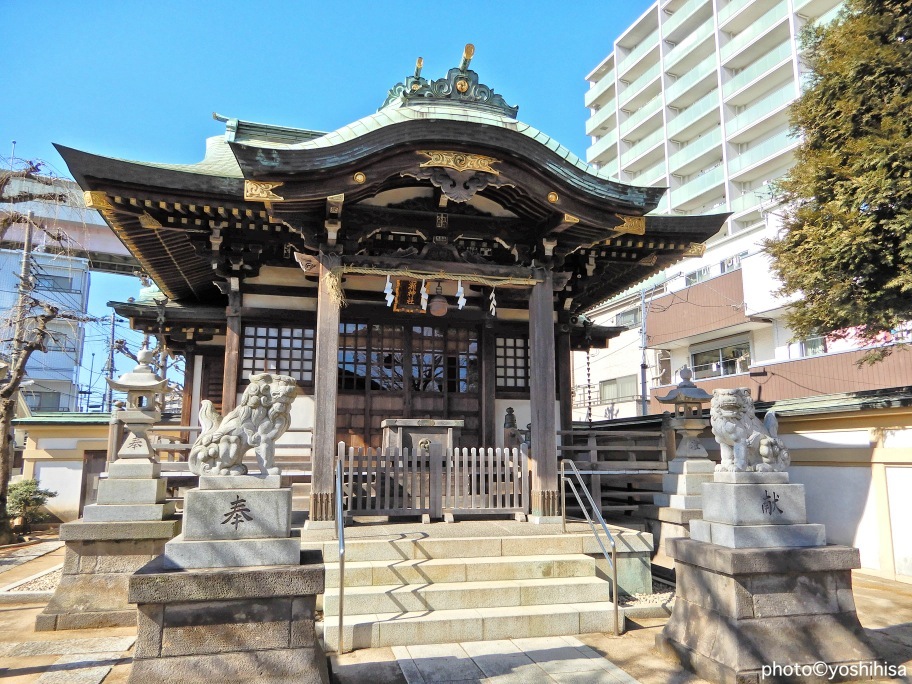
Ayase Shrine (Adachi Ward, Tokyo) Complete Guide: A Thorough Explanation of History, Origins, and Highlights
Ayase Shrine, located in Ayase, Adachi Ward, Tokyo, is a historic shrine with its origins in Hikawa Shrine, founded in 1755 during the mid-Edo period. With a history spanning approximately 220 years until it adopted its current name in 1975, it has continuously watched over the development of Ayase as the guardian shrine of the region.
This article comprehensively introduces all the information you need to know before visiting Ayase Shrine, including its detailed history, origins, highlights within the grounds, and access information.
Table of Contents
- Overview of Ayase Shrine
- History and Origins of Ayase Shrine
- From Hikawa Shrine to Ayase Shrine: The Circumstances of the Name Change
- Highlights of the Shrine Grounds and Subsidiary Shrines
- What are the Ayase Three Shrines?
- Deities Enshrined and Their Blessings
- Annual Festivals and Events
- Access and Visiting Information
- Nearby Shrines and Tourist Spots
Overview of Ayase Shrine
Location: 1-34-26 Ayase, Adachi-ku, Tokyo
Phone Number: 03-3690-4723
Nearest Station: Approximately 5 minutes on foot from Ayase Station (JR Joban Line/Tokyo Metro Chiyoda Line)
Shrine Rank: Former Village Shrine
Deities Enshrined: Susanoo-no-Mikoto, Omodaru-no-Mikoto, Kashikone-no-Mikoto
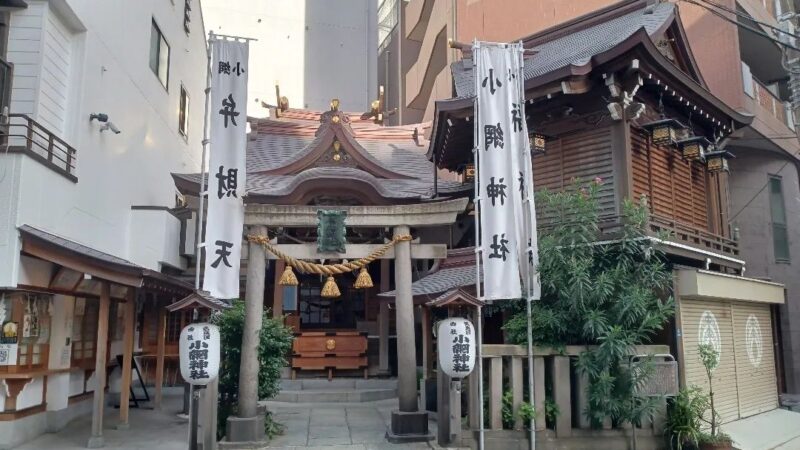
Ayase Shrine is a tranquil shrine nestled in a quiet residential area, despite its convenient location within walking distance of Ayase Station. Currently, it is cherished by local residents as one of the “Three Shrines of Ayase,” along with Ayase Inari Shrine and Ayase Kitano Shrine.
History and Origins of Ayase Shrine
Edo Period: Founding as Hikawa Shrine (Hōreki 5, 1755)
The history of Ayase Shrine dates back to Hōreki 5 (1755). At that time, this area was called “Itoya Village,” and “Hikawa Shrine” was founded as the village’s guardian shrine. Hikawa Shrine was established by inviting the deity from Ōmiya Hikawa Shrine, the general guardian shrine of Musashi Province. It enshrined Susanoo-no-Mikoto as its main deity and functioned as a place to pray for the peace of the village and a bountiful harvest.
In the same year, another shrine, “Koroku Shrine,” was also founded in Itoya Village. These two shrines later merged to form the foundation of the present-day Ayase Shrine.
Late Edo Period to Meiji Era: Collapse and Reconstruction Due to the Ansei Earthquake
On October 2, 1855 (Ansei 2), the Ansei Earthquake (Ansei Edo Earthquake) struck Edo, causing the Hikawa Shrine’s main hall to collapse. This earthquake, estimated to have a magnitude of 6.9, caused immense damage throughout Edo, affecting many temples and shrines.
Hikawa Shrine was no exception, but thanks to the fervent faith of the local residents, reconstruction proceeded quickly after its collapse. This reconstruction further increased Hikawa Shrine’s importance as a symbol of village unity.
In the Meiji era, Hikawa Shrine was elevated to the rank of a village shrine and recognized as the official guardian shrine of the region.
Taisho to Early Showa Era: Second Collapse Due to the Great Kanto Earthquake
On September 1, 1923 (Taisho 12), the Great Kanto Earthquake struck the Kanto region, causing Hikawa Shrine to collapse again. A massive earthquake with a magnitude of 7.9 caused devastating damage throughout the Kanto region, including Tokyo.
However, the local residents rose again and dedicated themselves to the reconstruction of Hikawa Shrine. This recovery from two major disasters demonstrates that Hikawa Shrine was an irreplaceable spiritual pillar for the community.
Mid-Showa Period: Merger with Koroku Shrine and Renaming
By the mid-Showa period, the Hikawa Shrine’s buildings had deteriorated significantly, making maintenance difficult. Similarly, Koroku Shrine, founded in the same year (Hōreki 5), was also severely dilapidated, and both shrines were in need of rebuilding.
Considering the local situation and efficient shrine management, it was decided in 1971 (Showa 46) to merge Hikawa Shrine and Koroku Shrine. The deities enshrined at Koroku Shrine, Omotari-no-Mikoto and Kashikone-no-Mikoto, were merged into Hikawa Shrine, and the shrine was reborn as a new shrine enshrining three deities.
The formal consolidation of the shrines was completed in 1973 (Showa 48), and the new shrine building was completed in 1975 (Showa 50). At this time, the shrine was renamed “Ayase Shrine,” incorporating the new local name, “Ayase.” This renaming symbolized the region’s development and the changing times.
From Hikawa Shrine to Ayase Shrine: The History of the Renaming
The renaming of Ayase Shrine is deeply intertwined with the historical changes of the region.
Changes in the Regional Name: From Itoya Village to Ayase
This area, formerly known as “Itoya Village,” merged with surrounding areas under the Meiji-era town and village system, and subsequently became part of Adachi Ward through further municipal mergers. With rapid urbanization after the war, the area came to be known by the new place name “Ayase.”
The name Ayase originates from the “Ayase River,” which once flowed through this region. The Ayase River still flows through Adachi Ward today and symbolizes the region’s history and culture.
Renaming in 1975: Adapting to a New Era
The renaming in 1975 had more significance than a simple name change. By integrating two historical shrines, Hikawa Shrine and Koroku Shrine, and constructing a new shrine building, the local shrine was reborn both physically and spiritually.
The name “Ayase Shrine” reflected the modern local name and clearly defined its role as the guardian shrine of the region, adapting to the new era. This renaming allowed the shrine to inherit its traditions from the Edo period while starting anew as a presence rooted in the modern Ayase area.
Highlights of the Shrine Grounds and Subsidiary Shrines
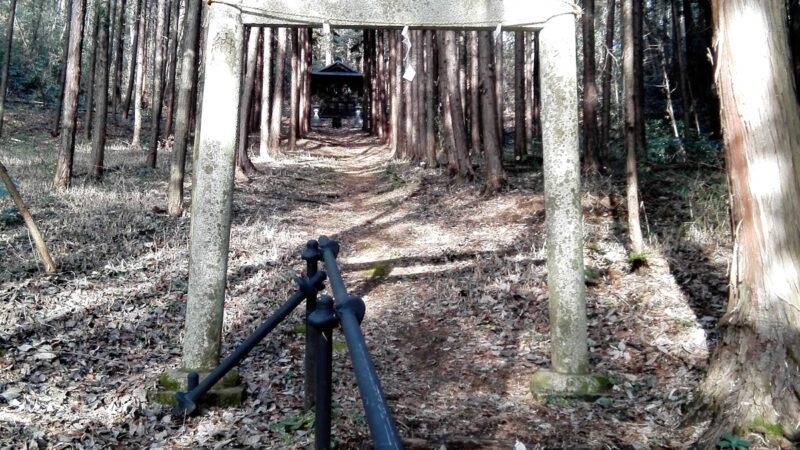
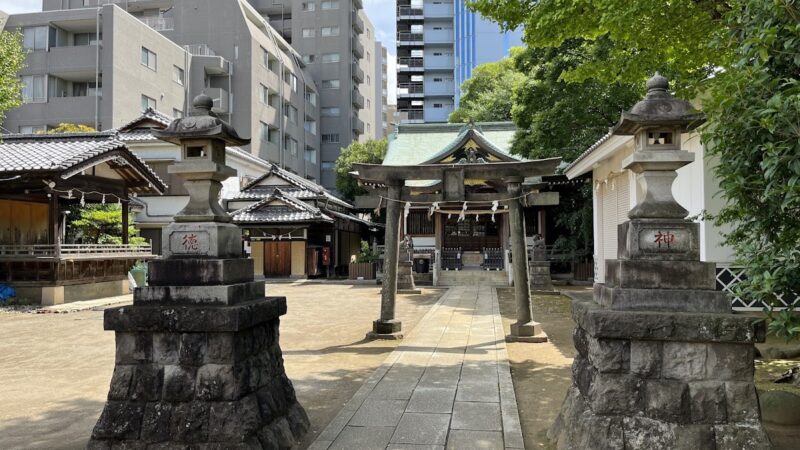
Despite being located in a residential area, the grounds of Ayase Shrine maintain a tranquil atmosphere. The compact yet well-maintained grounds offer several points of interest.
Shrine Building
Completed in 1975, the current shrine building employs a modern architectural style using reinforced concrete. While incorporating traditional shrine architectural elements, the design prioritizes earthquake resistance and durability, reflecting lessons learned from events such as the Great Kanto Earthquake.
In front of the main shrine building is a spacious worship hall, designed to ensure comfortable worship for visitors.
Shrines within the Precincts
Several smaller shrines are enshrined within the grounds of Ayase Shrine. These are shrines related to the former Hikawa Shrine and Koroku Shrine, or deities worshipped in the local area.
The main shrines within the grounds include the following:
- Inari Shrine: Dedicated to Inari, the god of business prosperity and abundant harvests.
- Mitsumine Shrine: A shrine established by inviting a deity from Mitsumine Shrine in Chichibu, Saitama Prefecture, and revered as a god of protection against misfortune and good fortune.
These shrines within the grounds cater to the diverse religious needs of local residents and reflect the rich history of Ayase Shrine.
Water Basin and Komainu (Guardian Dogs)
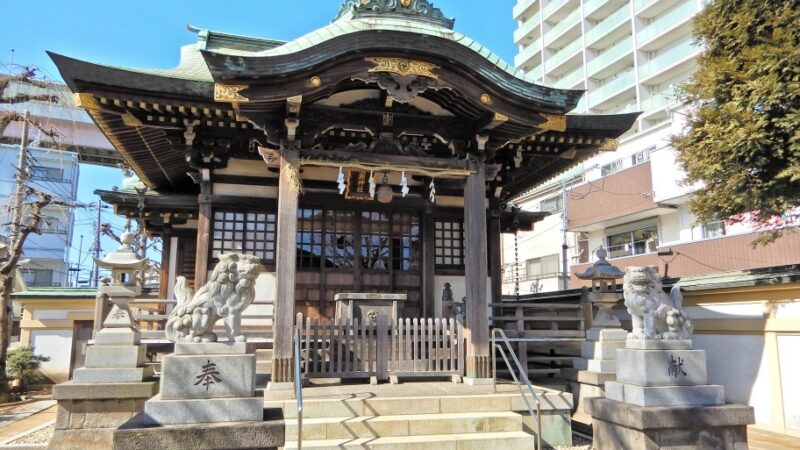
Near the entrance to the shrine grounds is a water basin where visitors can purify themselves before worship. A pair of guardian dogs (komainu) stand in front of the main shrine building, protecting the sacred area.
Shrine Office
The shrine office is located within the grounds and handles the issuance of Goshuin (shrine stamps) and the acceptance of various prayer requests. A Shinto priest is always present, so questions and consultations regarding worship are also possible.
About the Ayase Three Shrines
Ayase Shrine is one of the three main shrines located in the Ayase area, collectively known as the “Ayase Three Shrines.”
Composition of the Ayase Three Shrines
- Ayase Shrine (Ayase 1-34-26): The shrine introduced in this article
- Ayase Inari Shrine (Ayase 4-9-9): The oldest shrine, founded in 1614 (Keicho 19)
- Ayase Kitano Shrine: A shrine dedicated to Sugawara no Michizane, the god of learning
Relationship with Ayase Inari Shrine
Ayase Inari Shrine has the longest history among the Ayase Three Shrines. Its origin is said to be the enshrinement of Inari as the tutelary deity of “Gohei Shinden,” a settlement developed by Kaneko Gohei after he moved to the area in 1614 (Keicho 19).
Ayase Inari Shrine was originally called “Inari Shrine,” renamed “Gohei Shrine” in 1874 (Meiji 7), and became the current “Ayase Inari Shrine” in 1967 (Showa 42). Located just a 3-minute walk from Ayase Station, it, along with Ayase Shrine, is a central hub of local faith.
Ayase Inari Shrine features unique guardian lion-dogs known as “Rakugo Komainu,” said to have been donated by rakugo (traditional Japanese comic storytelling) performers. Furthermore, the Edo-period main hall still exists, attracting attention as a historically valuable structure.
Ayase Three Shrines Pilgrimage
When visiting the Ayase area, we recommend the “Ayase Three Shrines Pilgrimage,” where you visit all three shrines. Each shrine is within walking distance, and you can visit all three in about an hour. Each shrine has a different history and characteristics, allowing you to experience the diverse religious culture of the Ayase area.
Deities and Blessings
Ayase Shrine enshrines three deities, each believed to bestow different blessings. ### Susanoo-no-Mikoto
The principal deity inherited from Hikawa Shrine. A heroic god appearing in Japanese mythology, known for his bravery in slaying Yamata-no-Orochi.
Main Benefits:
- Protection from evil and disaster
- Extermination of disease
- Matchmaking
- Family safety
Susanoo-no-Mikoto is worshipped as a god with powerful purifying abilities and is believed to protect against all kinds of calamities.
Omodaru-no-Mikoto
A god enshrined together from Koroku Shrine. One of the seven gods of the Age of the Gods, considered to be a god involved in the formation of the land.
Main Benefits:
- National security
- Regional prosperity
- Family prosperity
Kashikone-no-Mikoto
A god enshrined together with Omodaru-no-Mikoto from Koroku Shrine. As the consort of Omodaru-no-Mikoto, this deity presides over the stability and prosperity of the land.
Main Benefits:
- Family Harmony
- Marital Harmony
- Prosperity of Descendants
Annual Festivals and Events
Ayase Shrine holds various festivals and events throughout the year.
Grand Festival
The Grand Festival, held every autumn, is the most important festival at Ayase Shrine. It features a portable shrine procession and performances, making it a lively festival where local residents gather together.
New Year’s Visit
Many worshippers visit during the first three days of the New Year to pray for peace and prosperity in the coming year. Lucky charms such as protective arrows and rakes are given out at the shrine office.
Other Annual Events
- Setsubun Festival (February): Bean-throwing ceremony and prayers for protection against evil.
- Summer Purification Ceremony (June 30th): A Shinto ritual to cleanse away the sins and impurities accumulated over the past six months.
- Shichi-Go-San Festival (November): Prayers for the healthy growth of children.
- Year-End Purification Ceremony (December 31st): A ceremony to cleanse away the sins and impurities of the past year and prepare for the New Year.
Transportation Access and Visiting Information
Access by Train
Nearest Station: JR Joban Line/Tokyo Metro Chiyoda Line “Ayase Station”
- Approximately 5 minutes on foot from the west exit of Ayase Station (approx. 385m)
- Exit the station and head west. After passing through the residential area, you will arrive at the shrine.
Ayase Station is a convenient station served by the Joban Line and Chiyoda Line, offering good access from central Tokyo.
Access by Car
Approximately 10 minutes from the Horikiri Junction on the Metropolitan Expressway Central Circular Route.
Parking: There is a small parking space on the shrine grounds, but the number of spaces is limited, so we recommend using public transportation.
Visiting Hours
Entry to the shrine grounds is generally free, but the shrine office is open from approximately 9:00 AM to 5:00 PM. If you wish to receive a Goshuin (shrine stamp) or prayer, we recommend calling in advance to confirm.
Visiting Manners
- Bow before passing through the torii gate.
- Cleanse your hands and mouth at the water basin.
- Bow twice, clap twice, and bow once in front of the main hall.
- Be quiet on the shrine grounds and be considerate of other visitors.
Nearby Shrines and Tourist Spots
When visiting Ayase Shrine, we recommend visiting nearby shrines and tourist spots as well.
Ayase Inari Shrine
A 3-minute walk from Ayase Station, and within walking distance of Ayase Shrine. One of the three Ayase shrines, this historic shrine was founded in 1614. It boasts numerous attractions, including rakugo-themed guardian lion-dogs and an Edo-period main hall.
Ayase Kitano Shrine
A shrine dedicated to Sugawara no Michizane, the god of learning. Many visitors, including students taking exams and those praying for academic success, come here.
Higashi Ayase Park
A vast metropolitan park located about a 15-minute walk from Ayase Station. It features facilities such as a baseball field, tennis courts, and a heated swimming pool, making it a popular recreational spot for local residents.
Adachi Ward Local History Museum
A museum where you can learn about the history and culture of Adachi Ward. Exhibits on the history of the Ayase area are also included, helping to deepen your understanding of Ayase Shrine.
Summary: The Charm of Ayase Shrine
Since its founding in 1755, Ayase Shrine has been revered as the guardian shrine of the Ayase area for approximately 270 years. Having recovered from two major disasters—the Ansei Great Earthquake and the Great Kanto Earthquake—Ayase Shrine began a new chapter in its history in 1975 with the merger of Hikawa Shrine and Koroku Shrine.
Despite its modern shrine buildings, Ayase Shrine cherishes and preserves traditions and faith that have continued since the Edo period. As one of the three major shrines of Ayase, it continues to play a central role in the local community.
Conveniently located just a 5-minute walk from Ayase Station, the shrine grounds offer a quiet and peaceful atmosphere, a precious space that allows you to forget the hustle and bustle of the city. When visiting the Ayase area, be sure to visit Ayase Shrine and experience its long history and the faith of the local people.
Visiting Ayase Inari Shrine, Ayase Kitano Shrine, and the other two shrines of Ayase will allow you to experience the history and culture of the region more deeply. Why not feel the lineage of faith from the Edo period that still breathes in modern Tokyo at Ayase Shrine?