Complete Guide to Okinomiya Shrine (Edogawa Ward, Tokyo) | History, Goshuin (Shrine Seal), and Access Information
Okinomiya Shrine, located in Okinomiya-cho, Edogawa Ward, Tokyo, is a historical shrine deeply rooted in the local community. It enshrines Amaterasu Omikami as its main deity and was formerly known as “Higashi no Miya” (Eastern Shrine) as the guardian shrine of Okinomiya Village. This article provides detailed information useful for visitors, including the history of Okinomiya Shrine, highlights of the grounds, goshuin information, and access methods.
Basic Information on Okinomiya Shrine
Okinomiya Shrine is located at 18-26 Okinomiya-cho, Edogawa Ward, Tokyo, and is a quiet shrine nestled in a residential area. The nearest station is Koiwa Station on the JR Sobu Line, approximately 14 to 17 minutes on foot from the north exit. It remains a beloved local shrine, attracting unwavering devotion.
Basic Information
- Location: 18-26 Okimiya-cho, Edogawa-ku, Tokyo
- Postal Code: 〒133-0042
- Phone Number: 03-3655-8980
- Nearest Station: Koiwa Station, JR Sobu Line (approx. 14-17 minute walk from the North Exit)
- Parking: Limited parking available on the shrine grounds
- Visiting Hours: Open all day (Please check the shrine office hours)
Deities and Divine Virtues of Okinomiya Shrine
Main Deity: Amaterasu Omikami
The main deity of Okinomiya Shrine is Amaterasu Omikami. She is the supreme deity in Japanese mythology and is known as the goddess who personifies the sun. She is the ancestral deity of the Imperial Family and is also enshrined at the Inner Shrine of Ise Grand Shrine.
The divine virtues of Amaterasu Omikami are wide-ranging, and she is worshipped as a deity encompassing all kinds of wishes, including national peace and security, good fortune, protection from evil, and family safety.
Deities Enshrined Together
The following deities are also enshrined together at Konomiya Shrine:
- Katori Shrine (Futsunushi-no-Okami): The enshrined deity of Katori Shrine, located in Katori City, Chiba Prefecture. Known as a god of war, he bestows blessings of victory, business success, and traffic safety.
- Kashima Shrine (Takemikazuchi-no-Okami): The enshrined deity of Kashima Shrine, located in Kashima City, Ibaraki Prefecture. Revered as a guardian deity of eastern Japan along with Katori Shrine, he bestows blessings of improvement in martial arts and prayers for victory.
This combination of three deities is a common configuration in shrines in eastern Japan, representing a form of worship that prays for the protection of the region and the peace and well-being of its inhabitants.
History and Origins of Okinomiya Shrine
As the Guardian Shrine of Okinomiya Village
Okinomiya Shrine was founded as the guardian shrine of the former Okinomiya Village. Also known as “Higashi no Miya” (Eastern Shrine), it played a role as a guardian shrine for the eastern part of the region.
Records of the shrine remain in the Edo period geographical record, “Shinpen Musashi Fudoki-ko” (New Compilation of the Topography of Musashi Province), indicating that it was a place of worship deeply rooted in the community from ancient times. The village name, “Okinomiya,” is the origin of the current town name, “Okinomiya-cho,” demonstrating that this shrine was central to the region’s identity.
Changes Since the Meiji Era
Even after the Meiji era’s shrine consolidation policy and post-war urbanization, Okinomiya Shrine continued to be revered by the local residents. Currently, it is a subsidiary shrine of Shin-Koiwa Katori Shrine, which handles its rituals and management.
In Edogawa Ward, which is undergoing modernization, this shrine is recognized for its cultural value as a valuable historical space remaining within a residential area.
Highlights of the Shrine Grounds
Main Hall and Worship Hall
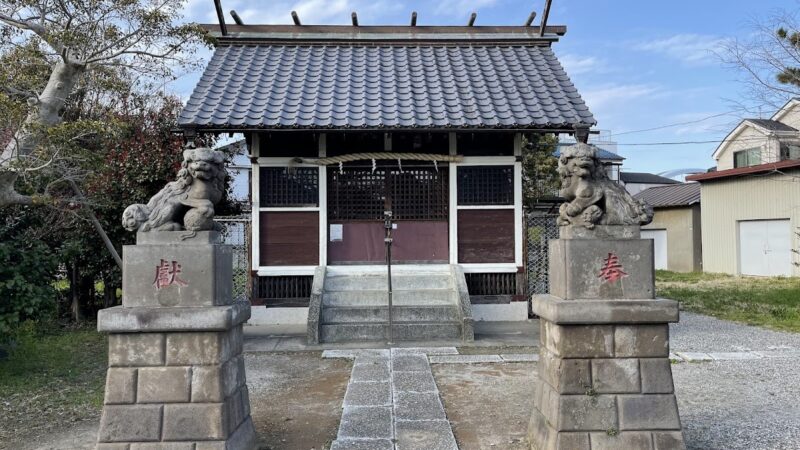
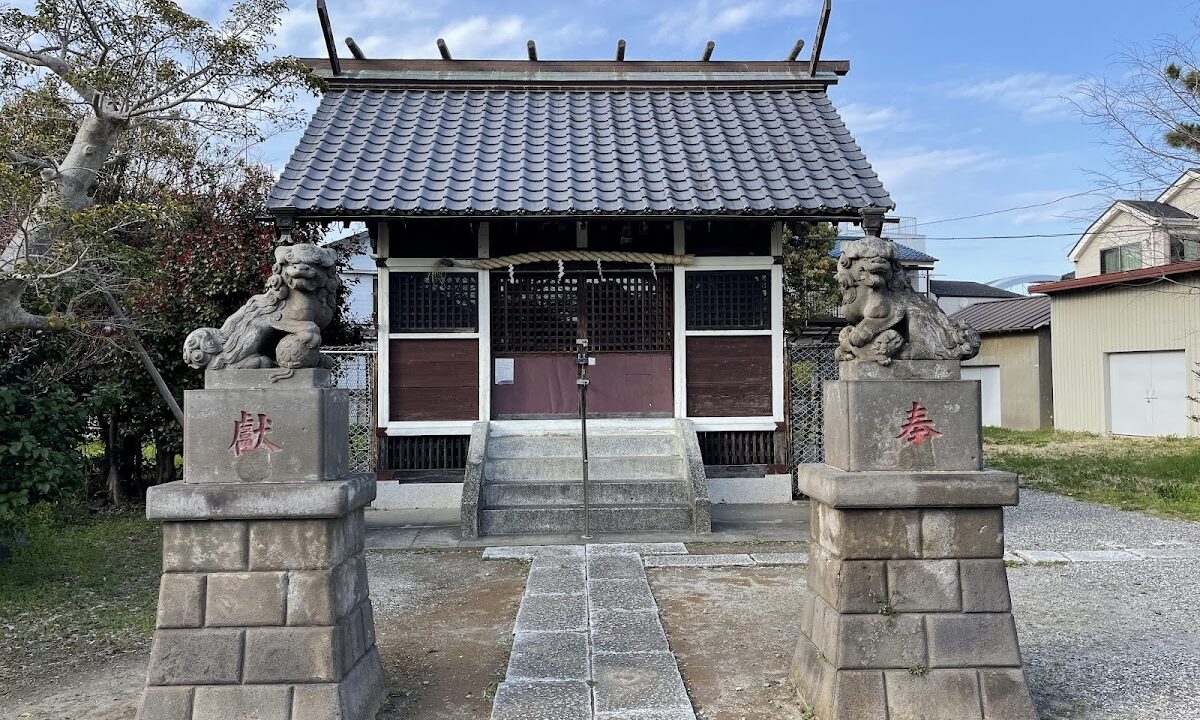
The main hall and worship hall of Konomiya Shrine stand proudly despite being located in a residential area. While not large in scale, the carefully maintained shrine buildings reflect the deep faith of the local people.
A donation box is placed in front of the worship hall, allowing worshippers to quietly offer their prayers. This tranquil space, far removed from the hustle and bustle of the city, is cherished by local residents as a place to find peace of mind.
Subsidiary Shrines
The following subsidiary shrines are enshrined within the grounds of Konomiya Shrine:
Inari Shrine
This shrine enshrines Inari, the god known for business prosperity and abundant harvests. It has long been revered by local shop owners and farmers. The vermilion torii gate and fox statues are distinctive features, making it a must-visit spot when visiting Konomiya Shrine.
Hie Shrine
This shrine is dedicated to the Sanno faith and enshrines Oyamakui-no-kami. It is revered as a guardian deity of the region, offering blessings for protection against misfortune, family safety, and business prosperity.
These subsidiary shrines demonstrate the multifaceted nature of Konomiya Shrine’s faith, showing that it has functioned as a shrine that fulfills various wishes.
Shrine Grove and Atmosphere
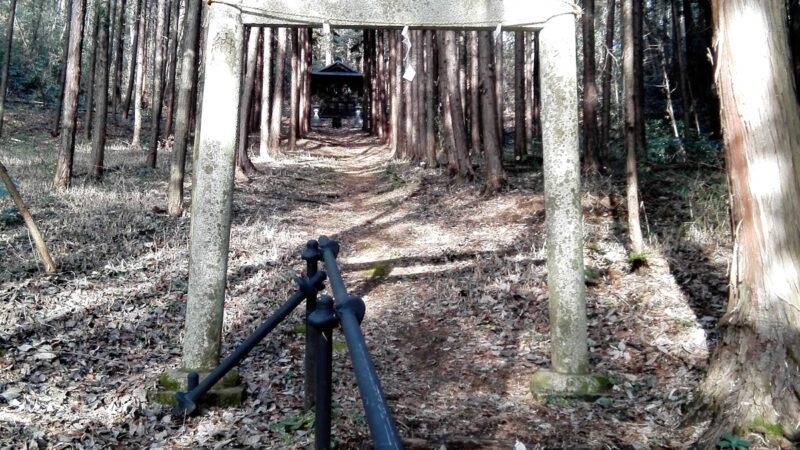
Despite being located in a densely populated residential area, trees remain within the shrine grounds, creating a small but lush green space. In the increasingly urbanized Edogawa Ward, such green spaces are precious and play an important role in preserving the local environment.
Goshuin (Shrine Seal) Information
Regarding the Issuance of Goshuin
Goshuin are available at Konomiya Shrine. However, since there is no permanent shrine office, those wishing to receive a goshuin should confirm in advance. Since Konomiya Shrine is a subsidiary shrine of Shin-Koiwa Katori Shrine, it is recommended to inquire with Shin-Koiwa Katori Shrine regarding the issuance of Goshuin (shrine stamps). If you wish to keep a record of your visit, it is best to contact them in advance.
About Goshuincho (Shrine Stamp Books)
Regarding the availability of original Goshuincho, you will need to confirm directly. Those who enjoy collecting Goshuin are advised to bring their own Goshuincho.
Annual Festival and Events
Annual Festival: September 16th
The annual festival of Konomiya Shrine is held every year on September 16th. This is the most important festival for the shrine, a time to offer gratitude to the gods for the past year and pray for the peace and prosperity of the community.
On the day of the festival, local residents gather, and the Shinto rituals are solemnly performed. While not large in scale, the warm atmosphere of the festival, rooted in the community, is a unique charm of Konomiya Shrine.
Other Annual Events
It is believed that various events are held according to the shrine’s calendar, including the New Year’s visit (Hatsumode), Setsubun Festival, and Summer Purification Ceremony (Nagoshi no Oharae). For specific dates and details, it is recommended to inquire with the shrine or Shin-Koiwa Katori Shrine.
Access Methods
Access by Train
The most common way to access Konomiya Shrine is by using Koiwa Station on the JR Sobu Line.
Route from Koiwa Station
- Approximately 14-17 minutes on foot from the North Exit of Koiwa Station on the JR Sobu Line
- Exit the North Exit of Koiwa Station and proceed north along Kuramaebashi Street.
- Enter the residential area and follow the signs towards Konomiya-cho.
- The destination is 18-26 Konomiya-cho, Edogawa-ku, Tokyo.
The walking time is approximately 14 to 17 minutes, but first-time visitors are advised to use a map app or map service. Since it is located in a residential area, there are few large landmarks, but local residents will kindly guide you if you ask. ### Access by Car
If you are visiting by car, you can access the shrine from Kuramaebashi Street and other major roads in the surrounding area. However, since it is located in a residential area, some roads are narrow.
Parking Information
There is some parking space on the shrine grounds, but the number of spaces is limited. There are also coin-operated parking lots nearby, so if congestion is expected, we recommend using public transportation.
Access by Bus
You can also take a bus from around Koiwa Station. For specific routes and bus stops, please check the route maps of Toei Bus and Keisei Bus.
Nearby Attractions and Spots
Shrines and Temples around Koiwa Station
When visiting Konomiya Shrine, we recommend visiting other shrines and temples in the surrounding area.
Shin-Koiwa Katori Shrine
Shin-Koiwa Katori Shrine, which is a shrine managed by Konomiya Shrine, is a larger shrine and also offers Goshuin (shrine stamps). Visiting both Konomiya Shrine and Shin-Koiwa Katori Shrine will allow for a deeper religious experience.
Other Nearby Shrines
Several shrines and temples are scattered around Koiwa Station. If you have time, enjoying a shrine tour is a good idea.
Tourist Spots Around Koiwa Station
Koiwa Station is one of the main stations in Edogawa Ward, and boasts a wide variety of shopping streets and restaurants. Enjoying the local atmosphere after your visit is also recommended.
- Shopping Street Around Koiwa Station: A shopping street that retains the atmosphere of the Showa era, where you can enjoy local specialty dishes and long-established shops.
- Edogawa Riverbank: A short walk away, you can enjoy nature on the Edogawa Riverbank.
- Koiwa Library: As a local cultural facility, you can also view historical materials of Edogawa Ward.
Manners and Etiquette for Visiting Shrines
Basic Etiquette for Visiting Shrines
By observing basic etiquette when visiting shrines, you can have a more heartfelt visit.
- Bow before passing through the torii gate: As a sign of respect before entering the sacred area, bow before the torii gate.
- Walk along the edge of the path: The center of the path is considered the path of the gods, so walk along the edge.
- Purify yourself at the water basin: If there is a water basin, purify your hands and mouth before praying.
- Pray at the main hall: The basic procedure is two bows, two claps, and one bow.
- Bow deeply twice.
- Clap your hands twice.
- Finally, bow deeply once.
Regarding photography
Photography is generally permitted on the shrine grounds, but please note the following:
- Obey any restrictions on photography, such as inside the main hall.
- Be considerate of other worshippers.
- Remember that this is a sacred place and photograph with respect.
- When posting on social media, be mindful of privacy.
Please observe quiet worship.
Kōnomiya Shrine is located in a residential area, adjacent to the living spaces of local residents. Please refrain from speaking loudly or making noise, and strive to worship quietly.
Cultural Properties and Historical Materials of Kōnomiya Shrine
Records from the Shinpen Musashi Fudoki-kō
The Shinpen Musashi Fudoki-kō, compiled in the late Edo period, contains records of Kōnomiya Shrine. This document is a geographical record of Musashi Province (present-day Tokyo, Saitama, and parts of Kanagawa prefectures) at the time, detailing shrines, temples, famous places, and industries in various locations.
Records of Kōnomiya Shrine indicate that it was already established as the guardian shrine of Kōnomiya Village during the Edo period. It appears to have been closely intertwined with the lives of the villagers as a center of local faith.
Position in Local History
In the history of Edogawa Ward, Kōnomiya Shrine has been a core of the local community. The fact that the village name originated from the shrine’s name and has been passed down to the current town name demonstrates the shrine’s importance to the community.
The history of the shrine, preserved by the local people even amidst the significant changes of modernization since the Meiji era and urbanization after the war, is one of the great values of Kōnomiya Shrine.
Prayers at Kōnomiya Shrine
What kinds of wishes are granted?
The main types of prayers you can offer at Konomiya Shrine are as follows:
- Family Safety: Praying for the health and safety of your family
- Good Fortune and Prosperity: Wishing for improved luck and happiness
- Exorcism: Praying for protection from misfortune during unlucky years and avoiding everyday calamities
- Business Prosperity: Praying at the Inari Shrine within the grounds is particularly effective
- Academic Success: Praying for success in entrance exams and qualification tests
- Traffic Safety: Through the divine blessings of Katori Shrine and Kashima Shrine
- Victory Prayer: Praying for victory in sports and competitions through the divine blessings of the god of war
How to Pray
If you wish to request a special prayer, it is recommended that you contact the shrine in advance to arrange a date and time. You can obtain detailed information by contacting Shin-Koiwa Katori Shrine.
Connection with the Community
As a Center of the Local Community
Konomiya Shrine serves not only as a religious facility but also as a center of the local community. Annual events, including the annual festival, provide valuable opportunities for local residents to gather and interact.
In today’s increasingly urbanized society, where community ties tend to weaken, the significance of such traditional gatherings is considerable.
Passing on to the Next Generation
Maintaining and passing on the rituals of Konomiya Shrine is a major challenge for the community. It is crucial to convey the history and significance of the shrine to younger generations and to ensure its preservation as a part of the local culture.
Each visitor understanding the value of the shrine and visiting with respect will contribute to preserving this local treasure for the future.
How to Enjoy Visiting Konomiya Shrine
Seasonal Expressions
Konomiya Shrine is a small shrine, but it displays different expressions depending on the season.
- Spring: The trees in the shrine grounds bud, and the fresh greenery is beautiful.
- Summer: The greenery deepens, and the shade of the trees provides coolness.
- Autumn: It is the season for the annual festival, and you can also enjoy the autumn foliage.
- Winter: A season for quiet worship in the crisp air.
Take your time
By leaving the hustle and bustle of the city and taking your time to stroll through the shrine grounds, you can have a calming experience. Rather than rushing through your visit, we recommend taking the time to savor the atmosphere of the shrine and reflect on its history.
Combine with exploring local history
It would be interesting to position a visit to Konomiya Shrine as part of exploring the history of Edogawa Ward. By visiting nearby historical sites and cultural facilities, you can gain a deeper understanding of the local history.
Summary: The charm of Konomiya Shrine
Konomiya Shrine, located in Konomiya-cho, Edogawa Ward, Tokyo, is not large in scale, but it is a historical shrine deeply rooted in the community. The worship style of Konomiya Shrine, with Amaterasu Omikami as the principal deity and Katori Shrine and Kashima Shrine enshrined alongside, is characteristic of shrines in eastern Japan.
Located approximately 14-17 minutes on foot from Koiwa Station, it offers a peaceful environment for worship despite being in the heart of the city. As a valuable historical space preserved within a residential area, its cultural value to the region is highly regarded.
Those wishing to receive a Goshuin (shrine stamp) should confirm in advance, but this is also a characteristic of a small shrine. Annual events, including the festival on September 16th, are important opportunities to deepen the bonds of the local community.
When visiting Konomiya Shrine, you can have a deeper experience by reflecting not only on the shrine’s history and its connection to the community, but also on its journey. In increasingly urbanized Tokyo, the existence of such a community-rooted shrine reminds us of important things.
If you have the opportunity to visit the area around Koiwa Station, please be sure to visit Konomiya Shrine. You will be able to find peace of mind in the tranquil temple grounds and spend a precious time experiencing traditional Japanese culture.