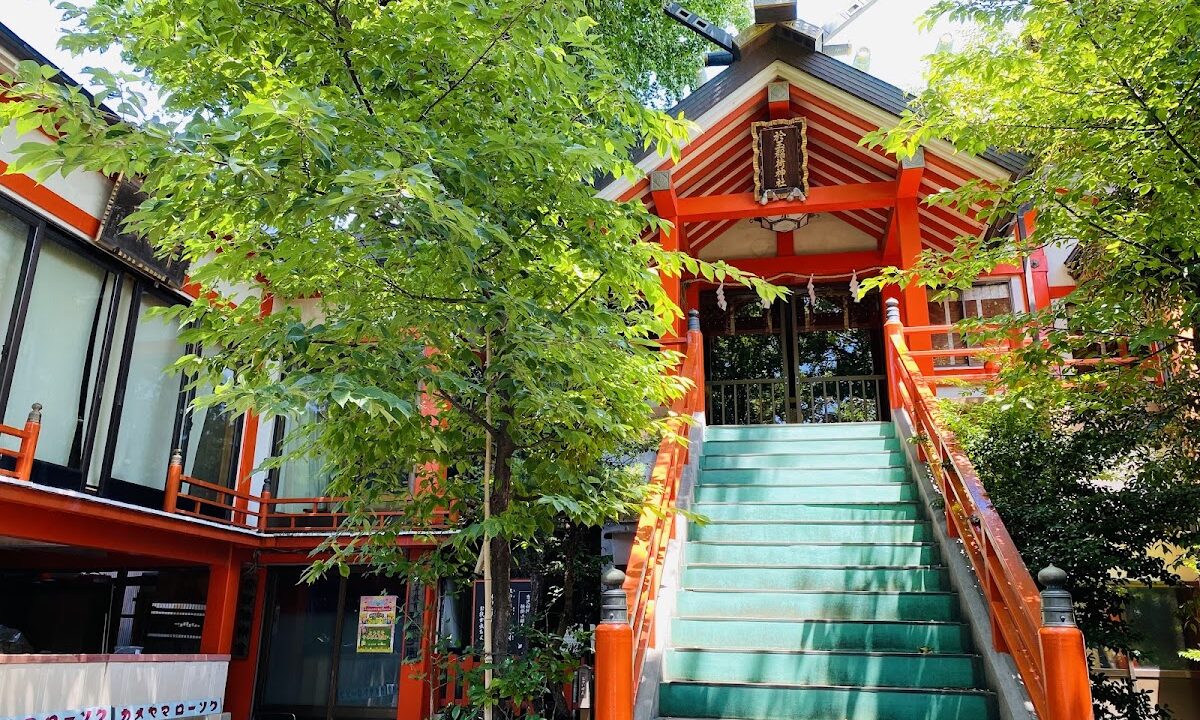
Complete Guide to Otama Inari Shrine (Katsushika Ward, Tokyo): Detailed Explanation of Goshuin (Shrine Seals), History, and Access
Otama Inari Shrine, located in Shin-Koiwa, Katsushika Ward, Tokyo, is a historical shrine founded by Ota Dokan during the Muromachi period. It is a beloved local shrine, having been relocated from Kanda Otama-ga-ike to Shin-Koiwa. This article provides a detailed explanation of the shrine’s history, goshuin information, access methods, and blessings.
About Otama Inari Shrine
Otama Inari Shrine is an Inari shrine located at 4-21-6 Shin-Koiwa, Katsushika Ward, Tokyo. It is approximately an 8-9 minute walk from Shin-Koiwa Station on the JR Sobu Main Line, and stands quietly in a residential area. Its main shrine was formerly the “Han’ei Otama Inari Daimyojin” located in Iwamotocho, Chiyoda Ward, and it is known as a historically significant shrine, having been selected as one of the “100 Best Shrines and Temples of Edo.”
Currently, it is believed to bring blessings for industrial prosperity, business success, family safety, and traffic safety, and is visited by many worshippers as the local guardian deity.
History and Origins of Otama Inari Shrine
Founded by Ota Dokan
The history of Otama Inari Shrine dates back to the Muromachi period. It is said to have originated in 1457 (Choroku 1), when Ota Dokan, who built Edo Castle, founded it on the shore of “Sakura-ga-ike” pond in Kanda (present-day Iwamotocho, Chiyoda-ku, Tokyo) as its guardian deity.
At that time, there was a pond in Kanda called “Otama-ga-ike,” and the shrine was named “Otama Inari Daimyojin” after this place name. As the guardian deity of Edo Castle and the local guardian deity of the Kanda area, it attracted the faith of many people throughout the Edo period.
The Prosperity of Kanda Otama-ga-ike
During the Edo period, the area around Kanda Otama-ga-ike flourished as the center of Edo, and Otama Inari Daimyojin was widely worshipped as the “Prosperity Otama Inari Daimyojin,” a god of business prosperity. It boasted such prestige that it was selected as one of the 100 Best Shrines and Temples of Edo, and it is said to have been bustling with many worshippers.
The Ansei Edo Earthquake and the Relocation to Shin-Koiwa
On October 2, 1855 (Ansei 2), the Ansei Edo Earthquake struck Edo, and Otama Inari Daimyojin in Kanda was destroyed by fire. This great disaster caused damage to many shrines and temples in Edo.
Subsequently, in 1871 (Meiji 4), the main shrine was relocated to its current location in Shin-Koiwa, Katsushika Ward, where a branch shrine had once stood. As a result, the Otama Inari Shrine in Shin-Koiwa became the main shrine, and remains so to this day.
The Modern Otama Inari Shrine
Since its relocation during the Meiji era, Otama Inari Shrine has been revered as the guardian deity of the Shin-Koiwa area. Having overcome difficulties such as war damage, it is now one of the important shrines in Katsushika Ward, cherished by many worshippers.
Deities and Blessings
Deities
The deity enshrined at Otama Inari Shrine is Inari-sama (Ukanomitama-no-kami). Inari-sama is a deity widely worshipped throughout Japan as the god of abundant harvests and business prosperity.
Blessings
Otama Inari Shrine is said to offer the following blessings:
- Business Prosperity: Historically worshipped since the Edo period as “Otama Inari Daimyojin,” the deity of business prosperity.
- Industrial Development: Worshipped by those wishing for business development and industrial prosperity.
- Family Safety: Offers blessings for the health and safety of families.
- Traffic Safety: Widely known today for its blessings of traffic safety.
- Good Fortune and Prosperity: Many visitors come seeking overall good fortune.
Information on Otama Inari Shrine’s Goshuin (Shrine Seal)
About Goshuin
Otama Inari Shrine offers goshuin to visitors. Known for its carefully handwritten goshuin, many receive them as a memento of their visit.
The goshuin includes the words “Otama Inari Shrine,” the shrine’s seal, and the date of visit. The shrine is also known for its friendly service from the chief priest and his wife, who are often happy to share detailed information about the shrine’s history and origins.
About Goshuincho (Stamp Books)
Otama Inari Shrine may have its own original goshuincho available. Please inquire directly during your visit for details.
Precautions Regarding Receiving Goshuin (Stamps)
Goshuin are given as proof of your visit. Please be sure to complete your prayers before receiving your goshuin. Also, if the head priest is absent, you may not be able to receive a goshuin, so if you want to be sure to receive one, it is recommended to call ahead to confirm.
Access and Transportation Information
Basic Information
Address: 4-21-6 Shinkoiwa, Katsushika-ku, Tokyo 124-0024
Phone Number: 03-3655-8110
Access by Train
Nearest Station: JR Sobu Main Line “Shinkoiwa Station”
- Approximately 8-9 minutes on foot from the South Exit of Shinkoiwa Station
- Exit the station and head towards the South Exit. Follow the road through the residential area to arrive.
Shinkoiwa Station is a convenient station served by both JR Sobu Line rapid and local trains. It’s easily accessible, approximately 15 minutes from Tokyo Station and 20 minutes from Chiba Station.
Access by Car
For information regarding dedicated parking, please contact the shrine directly before your visit. There are coin-operated parking lots nearby, but due to the residential area, the number of spaces is limited. We recommend using public transportation.
Landmarks in the Surrounding Area
The shrine is located in a quiet residential area, accessible from the south exit of Shin-Koiwa Station. For first-time visitors, using a smartphone map app is recommended.
Points to Note When Visiting
Visiting Hours
Otama Inari Shrine is generally open for daytime visits. However, the availability of Goshuin (shrine stamps) and services at the shrine office may be limited. If you require specific services, it is recommended to call ahead to confirm.
Visiting Fee
Visiting the shrine is free. Offerings for Goshuin and donations are at your discretion.
Highlights of the Shrine Grounds
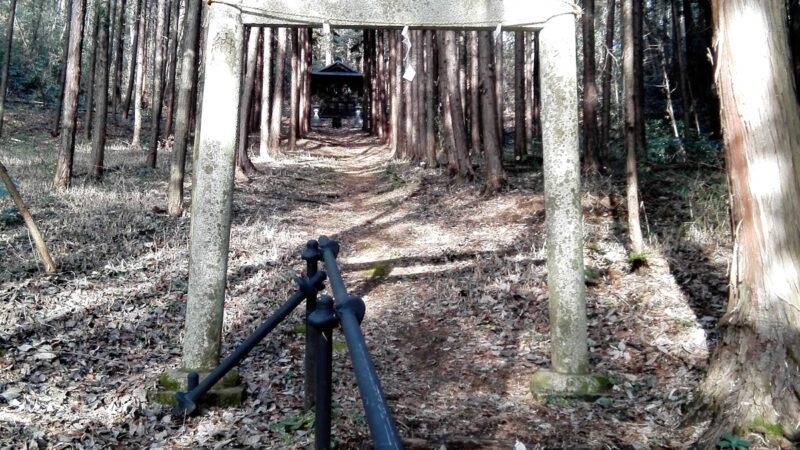
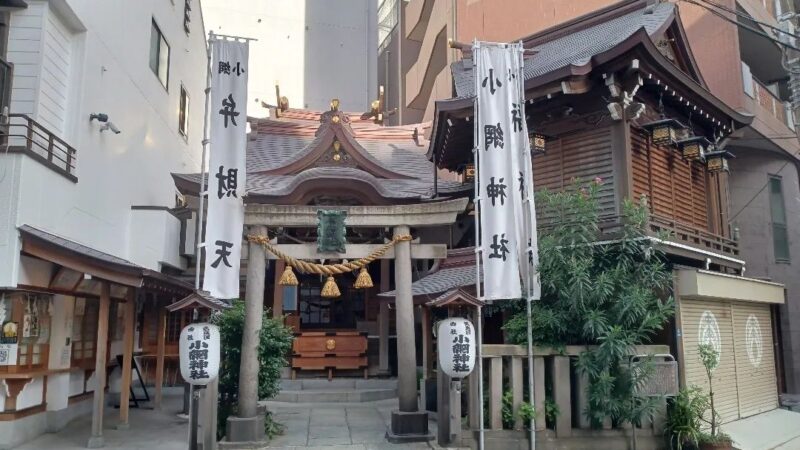
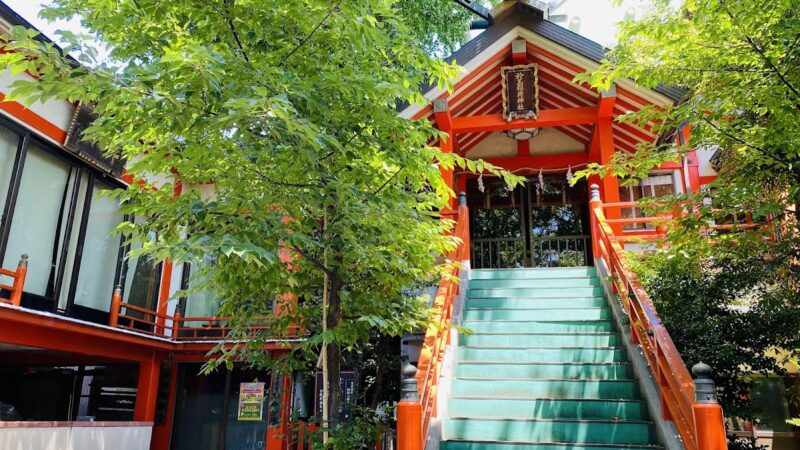
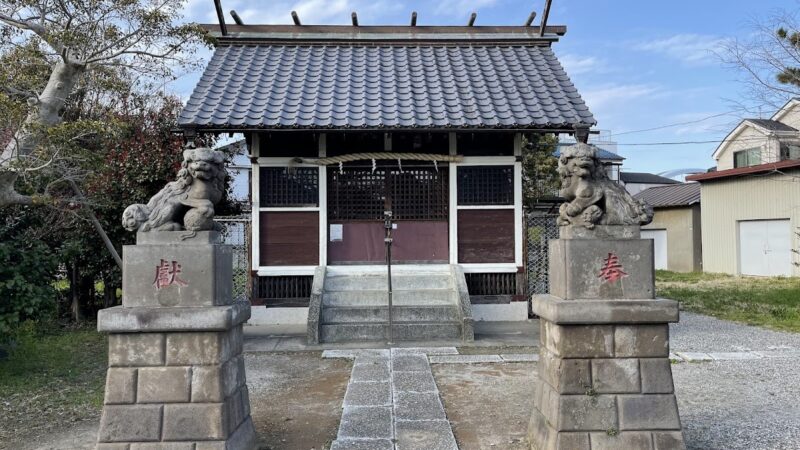
Despite being located in a residential area, Otama Inari Shrine has a quiet and peaceful atmosphere. The main hall and torii gate exude the characteristic ambiance of an Inari shrine.
The grounds are relatively compact, but are meticulously maintained, reflecting the care and affection the local community cherishes.
Special Festivals and Events
As an Inari shrine, traditional festivals such as the Hatsuumasai (First Horse Day Festival) are held. Please contact the shrine directly for detailed dates.
Live Gagaku Performances
At Otama Inari Shrine, you may have the opportunity to hear live Gagaku performances on special occasions. Gagaku is traditional Japanese court music, and a performance at a shrine is a solemn and precious experience. Please contact the shrine for performance dates.
The Charm of Otama Inari Shrine
The Weight of History
Otama Inari Shrine boasts a history of over 560 years, dating back to its founding by Ota Dokan during the Muromachi period. As a guardian deity of Edo Castle and a prestigious shrine selected as one of the 100 Best Shrines and Temples of Edo, its historical significance is immeasurable.
The shrine’s history of relocation from Kanda to Shin-Koiwa after the Ansei Edo Earthquake is also a special story.
A Shrine Rooted in the Community
Nearby nestled in the residential area of Shin-Koiwa, Otama Inari Shrine is deeply rooted in the lives of the local people. As the guardian deity, it continues to watch over the safety and prosperity of the community.
The friendly and warm demeanor of the priest and shrine staff is one of the shrine’s charms. They treat each visitor with care and sometimes even provide detailed information about the shrine’s history and origins.
Tranquility in the City
Despite its convenient location within walking distance of Shin-Koiwa Station, the shrine grounds are enveloped in a quiet and peaceful atmosphere. It is a precious space where one can escape the hustle and bustle of the city and pray in peace.
Nearby Attractions
Shin-Koiwa Area
The area around Shin-Koiwa Station is full of shopping streets and restaurants. You can enjoy the local atmosphere before or after your visit to the shrine.
Other Shrines and Temples in Katsushika Ward
Katsushika Ward has many other historical temples and shrines, such as Shibamata Taishakuten (Daikyoji Temple). Visiting Otama Inari Shrine in conjunction with this shrine will allow you to gain a deeper understanding of the history and culture of Katsushika Ward.
Manners for Visiting
Basic Worship Etiquette
- Bow before passing through the torii gate: Bow before entering the shrine grounds.
- Purify yourself at the water basin: If there is a water basin, purify your hands and mouth.
- Worship at the main hall: Worship using the two bows, two claps, and one bow method.
- Worship quietly: Be quiet on the shrine grounds and remember to be considerate of other worshippers.
Photography
Photography is generally permitted on the shrine grounds, but please refrain from taking pictures inside the main hall or in sacred areas. It is also important to be considerate and avoid including other worshippers in your photos.
Points to Note When Visiting Otama Inari Shrine
Attire
Please dress appropriately for visiting a shrine. It is recommended to avoid extremely revealing clothing or sandals. ### Best Time to Visit
Otama Inari Shrine is open for worship throughout the year, but it can get crowded during New Year’s and festival seasons. For a quiet visit, weekday mornings are recommended.
Requesting a Goshuin (Shrine Seal)
If you wish to receive a Goshuin, please bring your Goshuincho (seal book). Also, if the head priest is absent, you may not be able to receive a Goshuin, so it is recommended to call ahead to confirm if you wish to receive one.
Reviews and Reputation of Otama Inari Shrine
Visitors to Otama Inari Shrine have shared the following comments:
- “The friendly wife was very helpful, and I received a wonderful Goshuin with a beautiful design.”
- “It’s a quiet shrine located in a residential area, allowing for a peaceful visit.”
- “I could feel the atmosphere of a historical shrine.”
- “It’s conveniently located within walking distance from Shin-Koiwa Station.”
The warm, community-oriented atmosphere and the prestige of a shrine with a long history are highly valued by many visitors.
Summary
Otama Inari Shrine boasts a history of over 560 years since its founding by Ota Dokan. It is a venerable shrine that has been revered as the guardian deity of Edo Castle and as the prosperous Otama Inari Daimyojin of Kanda Otama Pond. Even after relocating to Shin-Koiwa following the Ansei Edo Earthquake, it remains a beloved local shrine.
Conveniently located about 8-9 minutes on foot from Shin-Koiwa Station, it offers a quiet and peaceful atmosphere for worship. It is believed to grant blessings for business prosperity, industrial development, family safety, and traffic safety, attracting worshippers with various wishes.
The shrine is also known for its handwritten goshuin (shrine stamps) and friendly, warm service, with many visitors receiving them as a memento of their visit. When visiting Katsushika Ward in Tokyo, be sure to stop by Otama Inari Shrine. You can enjoy a peaceful time in the tranquil atmosphere of this shrine with its long history.