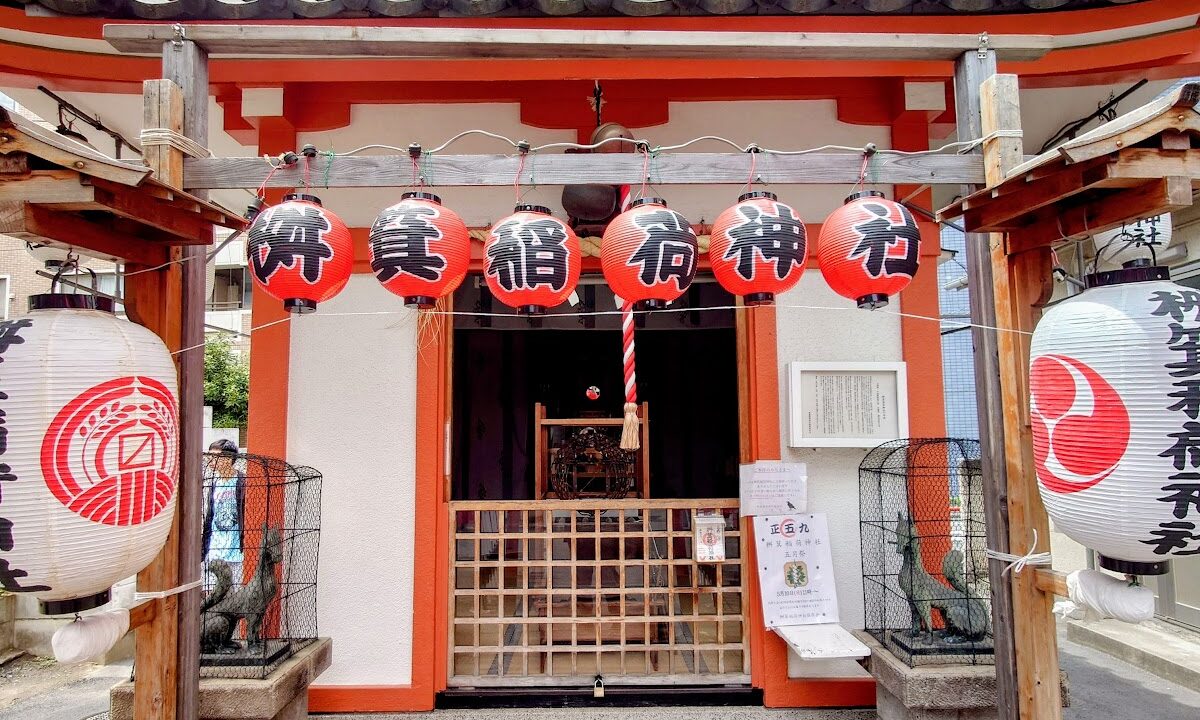
Masumi Inari Shrine (Shinjuku Ward, Tokyo) Complete Guide: History, Deities, and the Charm of the Shogoku Festival
Masumi Inari Shrine, located in Yotsuya Sakamachi, Shinjuku Ward, Tokyo, is a historic shrine that has watched over the Sakamachi area as its guardian deity since the early Edo period. Although its grounds are small, adjacent to Masumi Children’s Park, its history and the origin of its unique name are deeply intertwined with the history of the Edo Shogunate. This article comprehensively introduces information useful for visiting Masumi Inari Shrine, including its history, deities, festivals, and access methods.
Overview of Masumi Inari Shrine
Masumi Inari Shrine is a small but historically significant Inari shrine located in the Yotsuya Sakamachi area of Shinjuku Ward. Formerly known as “Masumi Inari,” it was affectionately called by a name meaning “bright and clear, illuminating the darkness.” The current spelling “Masumino” originates from the Edo period, when the shogunate distributed imperial rice in this area. It is said to have been named after the rice measuring tools “masu” (square measuring cup) and “mi” (winnowing basket).
The shrine grounds are adjacent to Masumino Children’s Park and function as a place of relaxation for local residents. Despite being a quiet shrine nestled in a residential area of central Tokyo, it continues to attract local devotion as the guardian deity of Sakamachi, a role it has held since the Edo period.
Location
Address: 10-5 Yotsuya Sakamachi, Shinjuku-ku, Tokyo (or sometimes listed as 22 Sakamachi)
Masumino Inari Shrine is located in Sakamachi, in the Yotsuya area of Shinjuku-ku. This area was surrounded by the residences of shogunate officials known as the Otesaki-gumi during the Edo period, and its selection as a location for the shogunate’s rice distribution demonstrates its importance at the time.
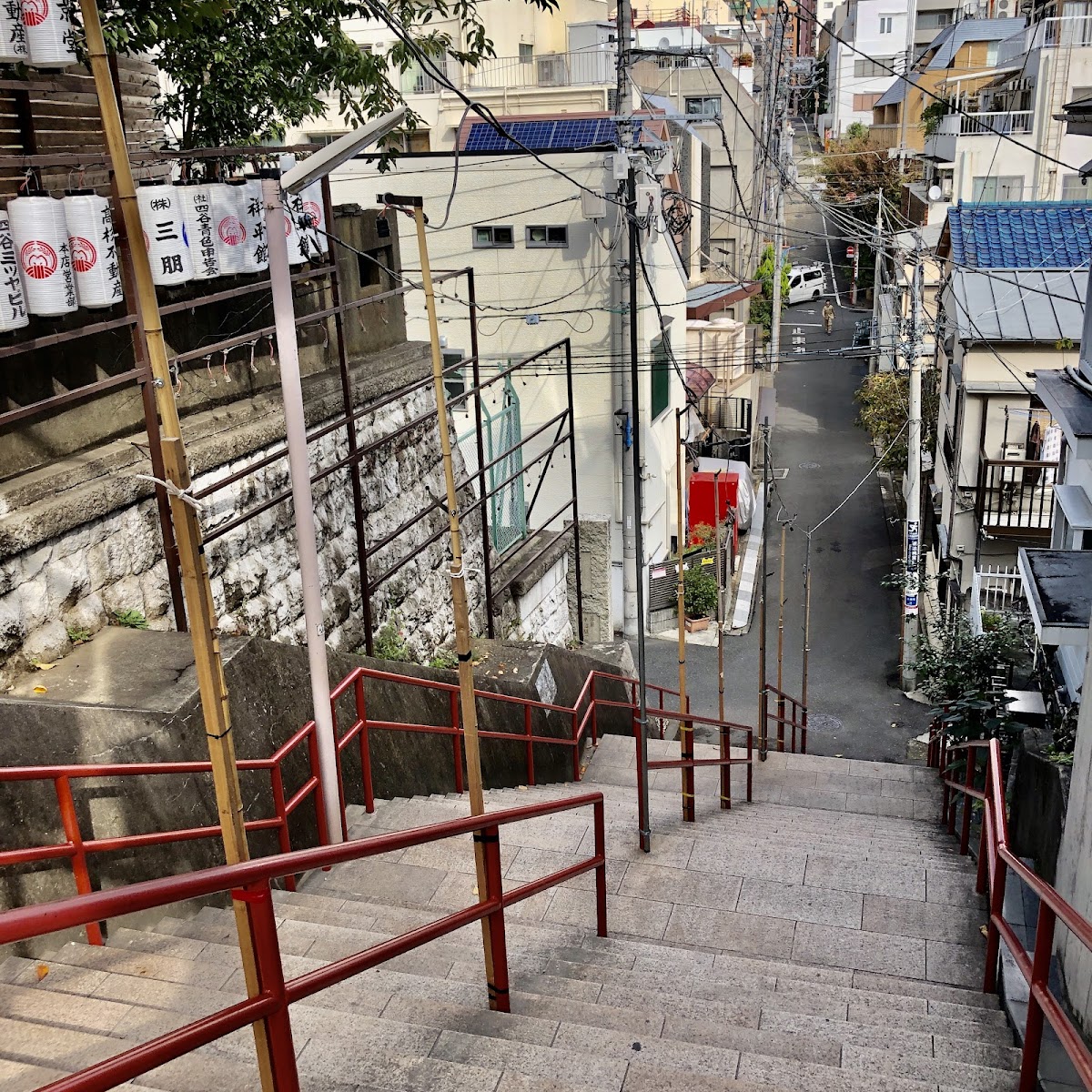
Currently located in a residential area, yet adjacent to the Masumino Children’s Park, it serves as a central hub for the local community. Situated on the tip of a tongue-shaped plateau, its geographically interesting location allows us to contemplate the reasons why our ancestors chose this place.
Deities enshrined at Masumino Inari Shrine
Masumino Inari Shrine enshrines the following three deities:
Ukanomitama-no-Okami
Ukanomitama-no-Okami, the principal deity, is a representative deity of Inari shrines and is widely worshipped as the god who presides over abundant harvests and business prosperity. “Uka” means grain or food, and this deity is deeply connected to rice cultivation, which is essential to the lives of the Japanese people. The fact that Masumino Inari Shrine has been passed down as a shrine presiding over the five grains is due to the divine virtues of this enshrined deity.
Sarutahiko-no-Mikoto
Sarutahiko-no-Mikoto is known as the god of opening paths and guidance. He is famous for guiding the descent of the heavenly grandchild, and is believed to guide things in a positive direction, bringing good fortune and safe travels. He is worshipped as a god who guides you to the right path in new ventures and life transitions.
Omiya-no-Me-no-Kami
Omiya-no-Me-no-Kami is known as the god who presides over court rituals and is a god who brings harmony and peace. She is believed to bring harmony among people and safety to families, making her a suitable guardian deity for the region.
These three gods work together to protect the region, ensuring abundant harvests, business prosperity, family safety, and good fortune.
History of Masumi Inari Shrine
Founding and Historical Background
The founding of Masumi Inari Shrine dates back to the early Edo period, specifically the Genna era (1615-1624). It is believed to have originated during the establishment of the Tokugawa Shogunate, when Ukanomitama-no-Okami and Sarutahiko-no-Mikoto-no-Okami were enshrined as the guardian deities of Sakamachi.
During the Edo period, the area surrounding the shrine was lined with residences of shogunate officials known as the Otesaki-gumi. The Otesaki-gumi held an important position within the shogunate, responsible for guarding the shogun and handling miscellaneous duties within the castle. Because the shrine was located in an area where people close to the shogunate resided, it became an important center of local faith.
Origin of the Shrine Name: From Masumi Inari to Masumi Inari
The shrine was originally called “Masumi Inari.” The name “Masumi” means “bright and clear, illuminating the darkness,” reflecting the shrine’s character as a center for the five grains.
However, it is said that during the Edo period, the shogunate began distributing imperial rice (Onshimai) at this location, and at some point, the characters “Masu-Mino” (挝箕) came to be used. “Masu” (挝) is a tool for measuring rice, and “Mino” (箕) is an agricultural tool for sorting grains; both are tools deeply connected to rice and grains. The name became symbolic, indicating that this was the site of the important ceremony of distributing imperial rice.
History of Masu-Mino Inari Shrine according to the Tokyo Shrine Directory
The Tokyo Shrine Directory contains the following description of Masu-Mino Inari Shrine:
Founded during the Genna era as the guardian shrine of Saka-machi, it was initially called Masumi Inari. Throughout the Edo period, it was revered as the guardian deity of the region, and was particularly worshipped as a shrine for praying for a bountiful harvest. Since the Meiji era, it has been carefully preserved by the residents of Saka-machi as the guardian shrine of the region.
History of Masumino Inari Shrine as stated on the shrine grounds
There is a notice on the shrine grounds detailing its history, which includes the following:
“Our shrine was formerly called Masumi Inari, and it is said to be a bright and clear place that illuminates the darkness. It is a shrine that presides over the five grains. During the Edo period, the area around the shrine was the residence of the Shogunate’s vassals, and this place was used for the distribution of rice bestowed by the Shogunate. It is said that at some point, the characters for ‘Masumino’ came to be used. The festival is the Shogokusai.”
This notice concisely conveys the historical changes of the shrine and its importance to the region.
Shogokusai: Festival of Masumino Inari Shrine
A distinctive festival of Masumino Inari Shrine is the “Shogokusai.” This is a festival held on the second Sunday of January, May, and September, and is an important annual event at the shrine.
What is the Shogokusai Festival?
The Shogokusai Festival is a festival held three times a year, on the second Sunday of January, May, and September. This festival prays for a bountiful harvest and peace in the community, and has been cherished by the people of Saka-machi since ancient times.
- New Year’s Festival: Prayers for a bountiful harvest in the new year and safety throughout the year
- May Festival: Prayers for a good harvest coinciding with the rice planting season
- September Festival: Gratitude for the harvest and celebration of the autumn bounty
These three periods are important milestones in the agricultural cycle and can be said to be festivals that strongly reflect the character of the Inari shrine.
List of Festivals and Events (2026)
The main festivals of Masumi Inari Shrine in 2026 are as follows (※Dates may change, so we recommend checking before your visit):
- Second Sunday of January: New Year’s Festival (New Year’s Prayer Festival)
- Second Sunday of May: May Festival (Harvest Prayer Festival)
- Second Sunday of September: September Festival (Harvest Thanksgiving Festival)
During these festivals, local parishioners and devotees gather, making the shrine even more lively than usual. Despite being a small shrine, it provides an important opportunity to deepen the bonds of the local community.
Highlights of the Shrine Grounds
Shrine Building
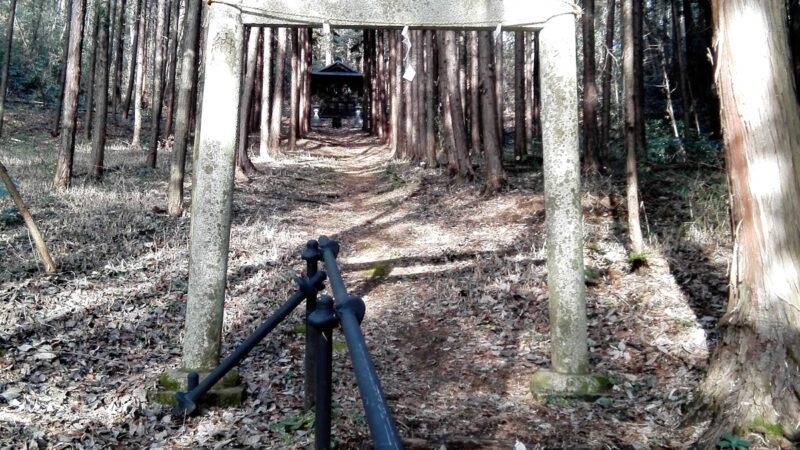
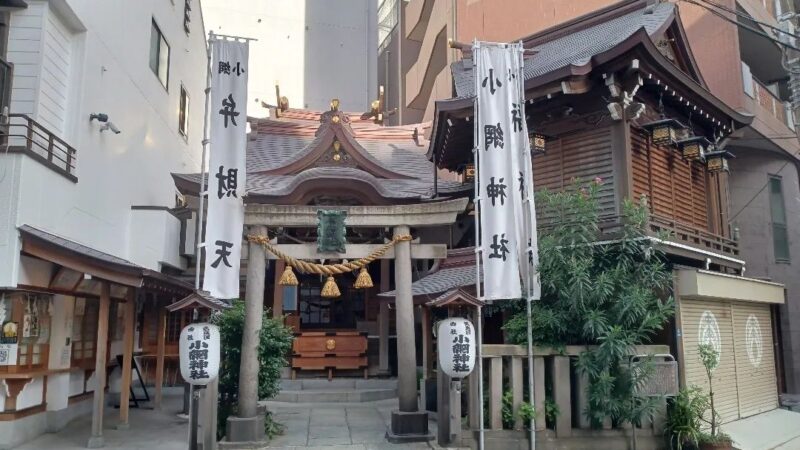
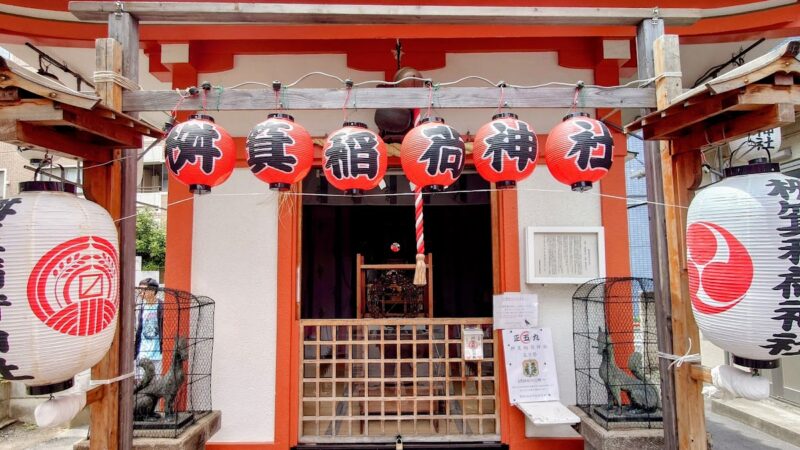
Although small in scale, the shrine building of Masumi Inari Shrine is meticulously maintained and presents a dignified appearance. While possessing the vermilion-painted elements characteristic of Inari shrines, it has a calm atmosphere that blends seamlessly into the surrounding residential area.
A small offering box stands in front of the shrine, quietly welcoming visitors. A tranquil space, far removed from the hustle and bustle of the city center, provides a peaceful environment for worship.
Integration with Masumi Children’s Park
A major characteristic of Masumi Inari Shrine is its proximity to Masumi Children’s Park. The integrated space of the shrine and park functions as a place of relaxation for local residents, and the sounds of children playing create a palpable sense of the shrine’s deep roots in the community.
This arrangement symbolizes that the shrine functions not merely as a religious facility, but as a central hub of the local community.
Reflecting on Ancestors at the Tip of a Tongue-Shaped Plateau
Masumi Inari Shrine is located at the tip of a tongue-shaped plateau. A tongue-shaped plateau is a plateau formed by river erosion, jutting out like a tongue.
Since ancient times, people have chosen the tips of such plateaus as sacred sites and worshipped their gods there. These locations, with their excellent views, proximity to water sources, and suitability for defense, were ideal for enshrining the guardian deities of settlements.
When visiting Masumino Inari Shrine, paying attention to these topographical features and reflecting on why our ancestors chose this location will be a fascinating experience. It’s a valuable place where you can feel the continuity of ancient faith, even amidst a modern residential area.
Access Information
Nearest Station/Line
The following train station is convenient for accessing Masumino Inari Shrine:
Toei Shinjuku Line, Akebonobashi Station
- Travel Time: Approximately 6-8 minutes on foot
- Exit: Exits A2 or A4 are convenient
- Route: Head east from Akebonobashi Station towards Sumiyoshi-cho. As you enter the residential area of Sakamachi, you’ll see a sign for Masumino Children’s Park.
Akebonobashi Station is on the Toei Shinjuku Line, making it easily accessible from both Shinjuku and Ichigaya. The path from the station to the shrine is flat and easy to walk.
Other Nearest Stations
- JR Chuo/Sobu Line Yotsuya Station: Approximately 15 minutes on foot
- Tokyo Metro Marunouchi Line Yotsuya-Sanchome Station: Approximately 12 minutes on foot
While these stations are also within walking distance, access from Akebonobashi Station is the most convenient.
Nearest Bus Stops and Routes
If using public buses, the following bus stops are available:
- Toei Bus: Get off at the “Sumiyoshicho” or “Sakamachi” bus stop, approximately 3-5 minutes on foot
- Operating Routes: Several Toei bus routes pass through the Yotsuya area.
Bus access is convenient from Shinjuku Station and Yotsuya Station, but it is recommended to check the number of buses and timetables in advance.
Access by Car and Parking
Masumino Inari Shrine does not have its own parking lot. If you are visiting by car, you will need to use a nearby coin-operated parking lot. However, since it is located in a residential area, the roads are narrow and parking spaces are limited.
We strongly recommend using public transportation. Especially on festival days, many local residents visit, so it is best to avoid accessing by car.
Points to Note When Accessing
- Caution Regarding Noise: Please be considerate of the surrounding residents when visiting the shrine.
- Nighttime Visits: Since there is not constant lighting on the shrine grounds, it is recommended to visit during daylight hours.
- Rainy Weather: The shrine grounds are small and covered areas are limited, so it is recommended to bring rain gear.
Information on Goshuin (Shrine Seals) at Masumi Inari Shrine
Masumi Inari Shrine is a small shrine, and there may not be a resident priest. Please note the following regarding Goshuin:
Regarding the Issuance of Goshuin
Masumi Inari Shrine does not always issue Goshuin. If you wish to receive a Goshuin, it is recommended to visit on a festival day such as the Shogo-ku Festival, or to inquire in advance.
Due to its small size, the shrine may not always have a system in place for issuing Goshuin, but this does not diminish the value of the shrine. Rather, it is a valuable presence that conveys a simple form of faith rooted in the local community.
Etiquette for Visiting Shrines
Regardless of whether you are seeking a Goshuin (shrine stamp), please observe the following basic etiquette for visiting shrines:
- Bow before passing through the torii gate.
- If there is a water basin, cleanse your hands and mouth.
- Bow twice, clap twice, and bow once before the offering box.
- Be quiet on the shrine grounds and be considerate of those around you.
Nearby Attractions and Shrines
When visiting Masumi Inari Shrine, you can also visit other temples and shrines in the surrounding Yotsuya area.
Suga Shrine
Suga Shrine, known as the guardian shrine of Yotsuya, is about a 15-minute walk from Masumi Inari Shrine. It is a famous shrine that appeared in the movie “Your Name,” and attracts many visitors.
Oiwa Inari Tamiya Shrine
This shrine is associated with Oiwa, famous from the Yotsuya Kaidan (Yotsuya Ghost Story), and is about a 10-minute walk from Masumi Inari Shrine. It attracts the devotion of those involved in Kabuki and theater.
Tochoji Temple
The Yotsuya area has several temples, so you can enjoy visiting temples in addition to shrines. Since there are many historical temples scattered around, it’s recommended to take a stroll if you have the time.
The Charm of Masumi Inari Shrine: A Small but Historic Local Guardian Deity
The greatest charm of Masumi Inari Shrine is that, despite being located in a residential area in the heart of the city, it preserves a local faith that has continued since the Edo period. While it lacks the grandeur of large shrines, its simple, community-rooted form of faith is carefully preserved even today.
Connections with the Local Community
Adjacent to Masumi Children’s Park, Masumi Inari Shrine is integrated into the daily lives of local residents and still fulfills the role that shrines originally held: that of a “community center.” During the Shogo-ku Festival, local people gather, and it becomes a place where the bonds of the community centered around the shrine are reaffirmed.
A Shrine Name that Conveys Edo Period History
The unique shrine name, “Masumino,” conveys the historical fact of the Edo Shogunate’s distribution of rice as an imperial gift. Through this name, one can glimpse aspects of the lives of people in the Edo period and a part of the Shogunate’s governing system. For history buffs, it’s a place where you can feel the romance of great history within a small shrine.
Prayers for Abundant Harvests
As an Inari shrine, Masumino Inari Shrine presides over abundant harvests. Even today, it’s a place to offer gratitude for food and prayers for a bountiful harvest. Especially in today’s increasingly urbanized world, it’s a shrine that provides an opportunity to reconsider the importance of food.
Precautions When Visiting
When visiting Masumino Inari Shrine, please note the following:
Consideration for a Shrine in a Residential Area
The shrine is located in a residential area, and many residents live in the surrounding area. When visiting the shrine, please pay particular attention to the following points:
- Please refrain from speaking loudly.
- Please be considerate of those around you when taking photographs.
- Please take all your trash with you.
- Absolutely avoid parking on the street.
Restrictions Unique to Small Shrines
Masumino Inari Shrine is a small shrine, and please understand the following restrictions before visiting:
- The shrine office is not always open.
- There may be no facilities such as restrooms.
- The issuance of Goshuin (shrine stamps) is limited.
- Amulets and votive tablets may not always be available.
These do not diminish the value of the shrine; rather, they convey a simple form of faith rooted in the local community. Consider this a charming aspect of a quiet and peaceful worship experience, different from large tourist shrines.
Summary: Experiencing Edo History and Local Ties at Masumi Inari Shrine
Masumi Inari Shrine, located in Yotsuya-Sakamachi, Shinjuku-ku, Tokyo, is a historic shrine founded during the Genna era in the early Edo period. Initially called “Masumi Inari,” it was worshipped as a shrine presiding over the five grains. However, because the Edo Shogunate distributed imperial rice in this area, it acquired the unique name “Masumi.”
The enshrined deities are Ukanomitama-no-Okami, Sarutahiko-no-Mikoto, and Omiyame-no-Kami, and they bestow blessings of abundant harvests, business prosperity, family safety, and good fortune. The Shogo-Ku Festival is held on the second Sunday of January, May, and September, and is an important festival where local people gather.
Conveniently located about 6-8 minutes on foot from Akebonobashi Station on the Toei Shinjuku Line, the quiet grounds adjacent to Masumi Children’s Park offer a peaceful space for worship despite being in the heart of the city. Though small, it is a precious place that preserves the local faith that has continued since the Edo period, and is carefully protected as the guardian deity of Sakamachi.
Visiting Masumi Inari Shrine allows you to experience a simple, community-based form of faith, different from large tourist shrines. The shrine’s name, which reflects its Edo-period history, its geographical features at the tip of a tongue-shaped plateau, and its deep connection to the local community—all of these elements contribute to the charm of Masumi Inari Shrine.
When you visit the Yotsuya area, be sure to stop by Masumi Inari Shrine and experience the quiet charm of this small but historic shrine.