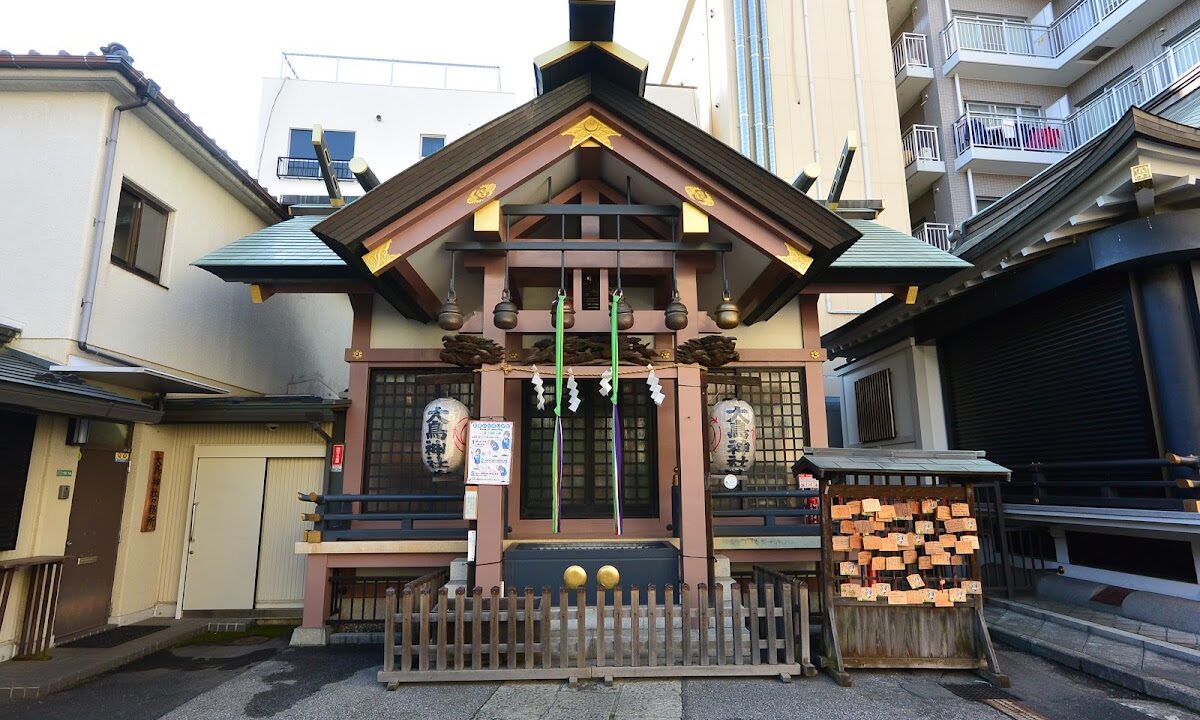
Complete Guide to Nerima Otori Shrine (Tokyo) | Thorough Explanation of Goshuin, Tori-no-Ichi Market, Blessings, and History
Nerima Otori Shrine, located just a 1-2 minute walk from Nerima Station in Nerima Ward, Tokyo, maintains a tranquil atmosphere despite its convenient location. This historic shrine, dating back to the early Edo period, attracts tens of thousands of visitors during its annual Tori-no-Ichi Market in November. This article provides a detailed explanation of everything you need to know before visiting Nerima Otori Shrine, including its history, blessings, goshuin (shrine stamps), access methods, and surrounding area information.
What is Nerima Otori Shrine?
Nerima Otori Shrine is located at 5-18-14 Toyotama-Kita, Nerima Ward, Tokyo. Situated just south of Nerima Station, where the Seibu Ikebukuro Line, Toshima Line, Seibu Yurakucho Line, and Toei Oedo Line intersect, it is a historic shrine cherished by the local community, despite its quiet environment surrounded by buildings.
Founded during the Shoho era (1645-1648), this shrine was established by inviting a divided spirit from the Otori Grand Shrine (present-day Sakai City, Osaka Prefecture), the Ichinomiya (first-ranked shrine) of Izumi Province. Despite its central location, it maintains a tranquil atmosphere and is particularly known as one of Tokyo’s most bustling shrines, especially during the Tori-no-Ichi festival in November.
Basic Information about Nerima Otori Shrine
Location: 5-18-14 Toyotama-Kita, Nerima-ku, Tokyo
Phone Number: 03-3948-2960
Nearest Station:
- 2-minute walk from the Central Exit of Nerima Station on the Seibu Ikebukuro Line
- 1-minute walk from Exit A2 of Nerima Station on the Toei Oedo Line
Shrine Office Opening Days: Every month on days ending in 8 (8th, 18th, 28th)
Parking: None (Use nearby coin parking)
History and Origin of Nerima Otori Shrine
Story of its Founding
An interesting legend remains regarding the founding of Nerima Otori Shrine. During the Shoho era (1645-1648), three cranes flew to this area. Local people tried to protect them, but unfortunately, all three died.
People revered this crane as a “sacred bird,” and it is said that the shrine originated when a divided spirit was invited from the Otori Taisha Shrine (Sakai City, Osaka Prefecture), the Ichinomiya (first-ranked shrine) of Izumi Province, which was known as a shrine related to birds, and the shrine was built. Because of this origin, the crane spirit also came to be enshrined as one of the deities.
A Faith Continuing from the Edo Period
Nerima Otori Shrine, which has existed since the early Edo period, has been revered as a guardian deity of the region since then. In particular, the tradition of the Tori-no-ichi market has been passed down since the Edo period, and it has a history of being bustling with people praying for business prosperity and good fortune.
Even today, this tradition continues uninterrupted and is an important part of Nerima’s local culture. Even as the surrounding area has transformed into a modern cityscape, the shrine remains a quiet sanctuary and a spiritual haven for the people of the region.
Deities and Blessings
Main Deity: Amenohiwashi-no-Mikoto
The main deity of Nerima Otori Shrine is Amenohiwashi-no-Mikoto. This deity is the principal deity of Otori Grand Shrine and is known for its divine blessings of good fortune, business prosperity, and long-lasting military success.
Ame-no-Hiwashi-no-Mikoto is considered one of the gods who performed rituals in front of the cave when Amaterasu Omikami hid in the Heavenly Rock Cave in Japanese mythology. He has also been worshipped as a god of industry, particularly as the guardian deity of the textile and paper industries.
Enshrined Deity: Tsuru-Reishin (Crane Spirit God)
Tsururei-shin, the deified form of the three cranes that gave rise to the shrine’s founding, is also enshrined here. Cranes are symbols of longevity and have long been cherished by the Japanese as auspicious birds. Tsuru-Reishin is believed to bring blessings of health, longevity, and family safety.
Benefits of Nerima Otori Shrine
Nerima Otori Shrine is believed to offer the following benefits:
- Business Prosperity and Good Fortune: The main divine virtue of Ame-no-Hiwashi-no-Mikoto
- Health, Longevity, and Family Safety: The protection of Tsuru-reijin (Crane Spirit God)
- Long-lasting Military Fortune and Victory: The traditional benefits of Otori worship
- Healing of Eye Diseases: The special benefit of the stone Yakushi statue on the shrine grounds
The stone Yakushi statue on the shrine grounds is particularly known for its benefits in healing eye diseases and promoting good health, attracting many worshippers.
Highlights of the Shrine Grounds
Main Hall
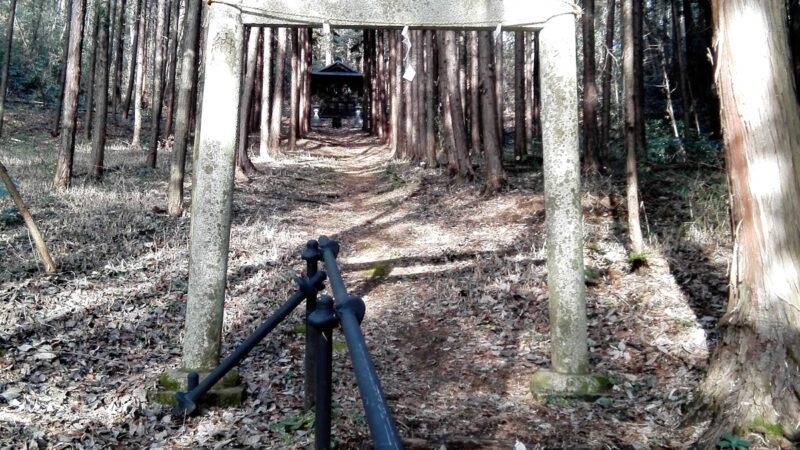
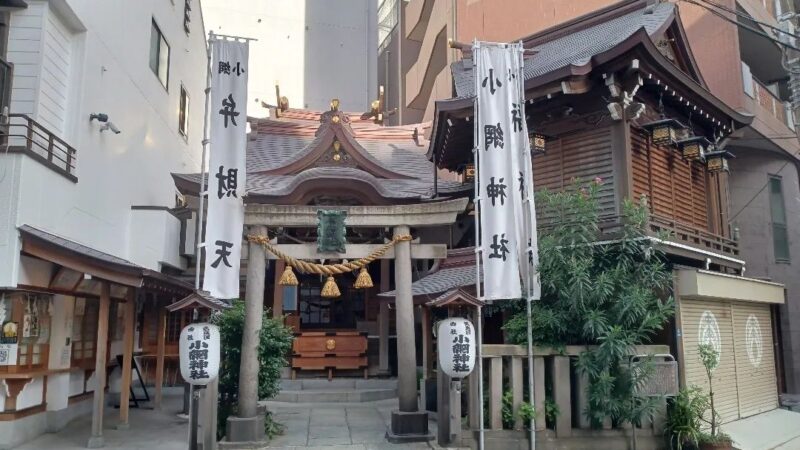
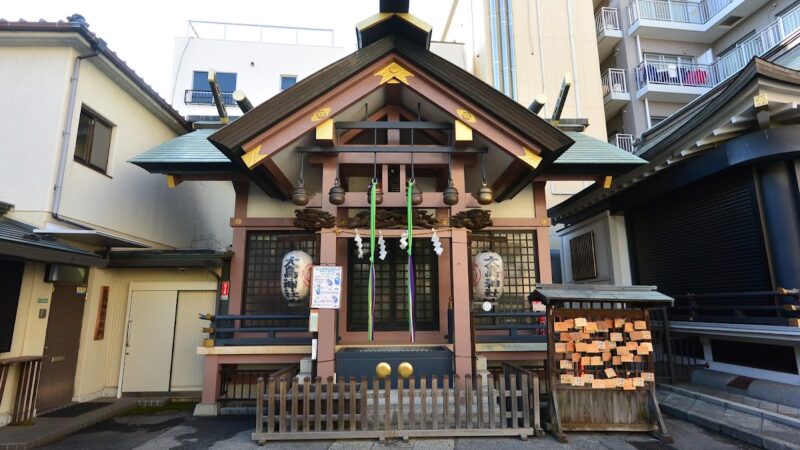
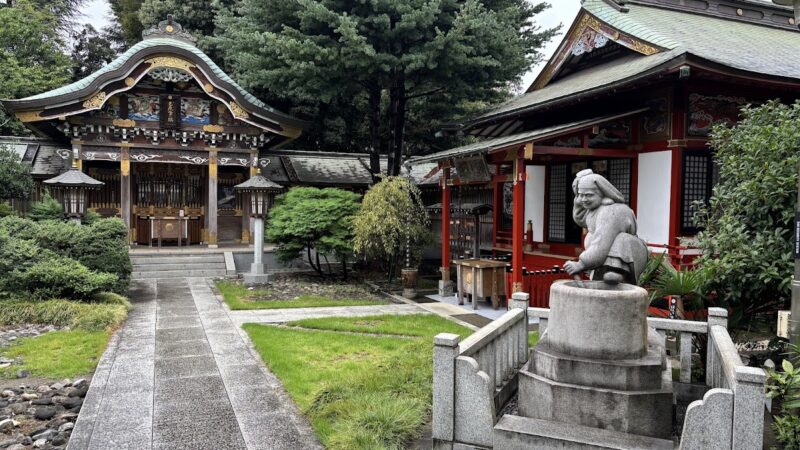
Located in a quiet area slightly south of Senkawa Street, the shrine gate leads to a spacious grounds. The main hall, situated at the front, is a magnificent structure for a shrine in the heart of the city, exuding a tranquil atmosphere.
At the front of the main hall, worshippers perform the usual Shinto ritual of “two bows, two claps, and one bow.” Especially during the Tori-no-ichi market, the area is bustling with many worshippers, and the lively scene of people seeking kumade (decorative rakes) can be seen.
Stone Yakushi and Yakushi Hall
To the left of the shrine grounds are the Stone Yakushi and Yakushi Hall. This Stone Yakushi is particularly known for its efficacy in healing eye diseases, attracting many worshippers praying for good eye health. It also garners fervent devotion from those praying for good health and recovery from illness.
A folk belief persists that worshippers alternately stroke the same part of the Stone Yakushi as the part of their body that is ailing.
Stone Monument
To the right of the shrine grounds stands a stone monument inscribed with the history and origins of the shrine. This monument provides insight into the shrine’s history dating back to the Edo period and its connection to the local community.
Shrine Office
The shrine office is open on the 8th, 18th, and 28th of each month. You can receive Goshuin (shrine stamps) and amulets. During the Tori-no-ichi market period, it is specially open, and lucky charms such as kumade (bamboo rakes) are also available.
Nerima Otori Shrine’s Tori-no-ichi Market
One of Tokyo’s Most Lively Markets
Nerima Otori Shrine’s Tori-no-ichi market is known as one of the most crowded Tori-no-ichi markets in Tokyo. Held annually on the Day of the Rooster in November (the day corresponding to the “Rooster” in the Chinese zodiac), it attracts tens of thousands of visitors.
Despite being a small shrine, during the Tori-no-ichi market, numerous stalls line the shrine grounds and surrounding roads, creating a vibrant atmosphere with shops selling kumade and food stalls.
Tori-no-ichi Market Schedule
The Tori-no-ichi market is held on the Day of the Rooster in November. Depending on the year, there may be “Ichi-no-Tori” (First Tori Day), “Nino-Tori” (Second Tori Day), and sometimes even “San-no-Tori” (Third Tori Day). There’s a tradition that years with a third Tori Day are prone to fires, so many people visit the shrine to pray for fire safety.
From 2024 onwards, the dates of Tori Days will change every year, based on the lunar calendar. Those planning to visit are advised to check the shrine’s and local information beforehand.
Lucky Rake
The most famous item at the Tori-no-Ichi market is undoubtedly the lucky rake. The rake symbolizes “raking in good fortune,” and is popular as a lucky charm for business prosperity and good luck.
At the Tori-no-Ichi market at Nerima Otori Shrine, various sizes of rakes are sold. Negotiating the price when purchasing a rake and the “tejime” (hand-clapping) after purchase are also part of the fun of the Tori-no-Ichi market. It’s customary for first-time buyers to start with a small rake and gradually upgrade to larger ones as their business prospers. ### Stalls and Food Stalls
During the Tori-no-ichi festival, numerous stalls line the shrine grounds and surrounding roads. From classic street food like takoyaki, yakisoba, and candied apples, to stalls selling lucky charms other than kumade (decorative rakes), a wide variety of stalls create a festive atmosphere.
About Goshuin (Shrine Seals)
Goshuin Issuance Dates
At Nerima Otori Shrine, the shrine office is open on the 8th, 18th, and 28th of each month, and goshuin are available. Since the shrine office is often closed on other days, it is recommended that those wishing to receive a goshuin visit on one of these days.
However, during the Tori-no-ichi festival in November, the shrine office is specially open, and there is a possibility of receiving a Tori-no-ichi limited edition goshuin.
Characteristics of the Goshuin (Shrine Seal)
The goshuin at Nerima Otori Shrine features the shrine’s name and date of visit written in ink, along with the shrine’s seal. It is characterized by a simple yet powerful calligraphy style.
While it’s common to bring your own goshuincho (stamp book), first-time visitors may be able to purchase one at the shrine (depending on availability).
Etiquette for Receiving a Goshuin
A goshuin is received as proof of your visit. Please observe the following etiquette:
- First, visit the main hall before receiving your goshuin.
- Open your goshuincho and specify the page you would like it written on.
- Prepare the offering (typically 300-500 yen).
- Wait quietly while the goshuin is being written.
- Express your gratitude politely after receiving the goshuin.
Access Information
Access by Train
Nerima Otori Shrine is very close to Nerima Station and easily accessible.
From Nerima Station (Seibu Ikebukuro Line, Toshima Line, Yurakucho Line)
- Approximately 2 minutes on foot from the Central Exit
- After exiting the ticket gate, proceed towards the South Exit, walk a short distance south along Senkawa Street, and turn into the alley on your right.
From Nerima Station (Toei Oedo Line)
- Approximately 1 minute on foot from Exit A2
- Immediately after exiting, turn into the alley slightly south of Senkawa Street.
Access by Car and Parking
Nerima Otori Shrine does not have its own parking lot. If you are visiting by car, you will need to use a coin-operated parking lot around Nerima Station.
There are several coin-operated parking lots around Nerima Station, but congestion is expected, especially during the Tori-no-ichi festival period, so we recommend using public transportation.
Main Nearby Parking:
- Times Nerima Station
- Mitsui RePark Nerima Station South Exit
- Several other coin-operated parking lots are available around the station.
Rates vary depending on the time of day and day of the week, but the average is around 200-300 yen for 30 minutes.
Access by Foot or Bicycle
For those living near Nerima Station or visiting from nearby areas, access by foot or bicycle is convenient. Located in a quiet area just off Senkawa Street, it’s also suitable for a leisurely stroll.
If using a bicycle, it’s recommended to check in advance whether there is parking space on the shrine grounds.
Manners and Etiquette for Visiting a Shrine
Basic Etiquette for Visiting a Shrine
Please observe the basic etiquette for visiting a shrine and offer your prayers with sincerity.
How to Pass Through a Torii Gate
- Bow before the torii gate.
- Walk along the edge of the path, as the center is the path for the gods.
How to Purify Yourself at the Water Basin
- Hold the ladle in your right hand and purify your left hand.
- Switch the ladle to your left hand and purify your right hand.
- Switch the ladle back to your right hand, receive water in your left hand, and rinse your mouth.
- Purify your left hand again.
- Hold the ladle upright, let water flow over the handle, and return it to its original place.
Worship at the Main Hall
- Place your offering in the offering box.
- If there is a bell, ring it.
- Bow twice (bowing deeply twice).
- Clap your hands twice.
- Pray sincerely.
- Bow once (bowing deeply once).
Photography Etiquette
Photography is generally permitted on the shrine grounds, but please note the following:
- Please refrain from taking photos inside the main hall.
- Please be considerate of other worshippers.
- Please refrain from using tripods during crowded times.
- Please use flash photography sparingly.
Especially during crowded times such as the Tori-no-ichi market, please remember to be considerate of those around you.
Nearby Attractions and Tourist Spots
Nerima Station Area
The area around Nerima Station, where Nerima Otori Shrine is located, is a well-equipped area with numerous commercial facilities and restaurants. There are many places to visit before or after your visit.
Emio Nerima
A shopping center directly connected to Nerima Station. It houses cafes, restaurants, bookstores, etc.
Nerima Art Museum
Approximately 15 minutes on foot from Nerima Station. This museum exhibits mainly modern and contemporary Japanese art.
Shakujii Park
Approximately 10 minutes by train from Nerima Station. A park rich in nature where you can enjoy strolling and boating.
Nearby Shrines and Temples
Hikawa Shrine (Nerima Hikawa Shrine)
Approximately 10 minutes on foot from Nerima Station. A shrine that has been worshipped since ancient times as the guardian shrine of Nerima.
Toyotama Hikawa Shrine
Approximately 12 minutes on foot from Nerima Station. A shrine deeply rooted in the community as the tutelary deity of the Toyotama area.
Restaurants and Dining Options
There are a variety of restaurants around Nerima Station. You won’t have any trouble finding a place to eat after visiting the shrine.
- Numerous restaurants in the station building and surrounding shopping streets
- A wide range of choices from long-established Japanese restaurants to new cafes
- Enjoy street food during the Tori-no-Ichi festival
Annual Events and Festivals
Tori-no-Ichi (Day of the Rooster in November)
As mentioned above, this is the biggest event at Nerima Otori Shrine. Held annually on the Day of the Rooster in November, it attracts tens of thousands of visitors. You can enjoy the festive atmosphere with the sale of lucky rakes and numerous stalls.
New Year’s Visit (January 1st-3rd)
Many worshippers visit for their first shrine visit of the new year. As a local shrine, it is bustling with people, mainly local residents, offering New Year’s greetings and praying for a safe year.
Annual Grand Festival
The annual grand festival is also held. Please contact the shrine directly for detailed dates.
Monthly Festival
A monthly festival is held regularly each month, praying for the safety and prosperity of the community.
Frequently Asked Questions (FAQ)
Q: When can I get a Goshuin (shrine stamp) at Nerima Otori Shrine?
A: Goshuin at Nerima Otori Shrine are available on the 8th, 18th, and 28th of each month when the shrine office is open. They are also specially available during the Tori-no-Ichi market in November. If you definitely want to receive a Goshuin (temple/shrine stamp), we recommend visiting on a day ending in 8.
Q: Is there parking?
A: Nerima Otori Shrine does not have its own parking lot. If you are visiting by car, please use the coin parking lots around Nerima Station. However, congestion is expected, especially during the Tori-no-ichi market period, so we recommend using public transportation such as trains.
Q: When is the Tori-no-ichi market held each year?
A: The Tori-no-ichi market is held every year on the Day of the Rooster in November. The Day of the Rooster is determined based on the Chinese zodiac calendar, so the date varies from year to year. There may be the first, second, and sometimes even a third Day of the Rooster. Please check the calendar or the shrine’s information for the specific dates.
Q: What size kumade (bamboo rake) should I buy for the first time?
A: If you are buying a kumade for the first time, we recommend starting with a smaller one. It’s customary to replace your kumade (rake) with a slightly larger one the following year if your business prospers or your wishes are granted. Choose a kumade that’s a comfortable size for you, within your means.
Q: How long does it take to visit the shrine?
A: For a normal visit, the grounds aren’t very large, so 15-30 minutes is usually sufficient. However, if you plan to get a goshuin (shrine stamp) or take your time looking around the grounds, it’s best to allow a little more time. During the Tori-no-ichi festival, it can get crowded and may take over an hour.
Q: Is it possible to visit with a pet?
A: Generally, policies regarding pets at shrines vary from shrine to shrine. For specific policies at Nerima Otori Shrine, we recommend contacting the shrine directly in advance. If you bring a pet, please remember to be considerate of other visitors.
Summary
Nerima Otori Shrine is a historic shrine dating back to the early Edo period (Shoho era), yet boasts excellent accessibility, being just a 1-2 minute walk from Nerima Station. With its founding story of three cranes revered as sacred birds, its enshrined deities being Ame-no-Hiwashi-no-Mikoto and Tsuru-Reijin, and its grand annual Tori-no-Ichi market in November, it’s a small but charming shrine.
Many people visit for various reasons, including those seeking blessings for business prosperity, good fortune, and health and longevity, those collecting Goshuin (shrine stamps), and those purchasing lucky rakes at the Tori-no-Ichi market. In particular, the stone Yakushi statue within the shrine grounds is known for its blessings of healing eye diseases and attracts devout followers.
Despite being located in the heart of Tokyo’s business district, Nerima Otori Shrine maintains a quiet and peaceful atmosphere. When you visit Nerima Station, be sure to stop by. Goshuin are available on the 8th of every month, and the November Tori-no-Ichi market offers one of Tokyo’s most lively festival experiences. Nerima Otori Shrine, deeply rooted in the community and boasting a long history, warmly welcomes modern worshippers. May your visit bring you a moment of peace and tranquility.