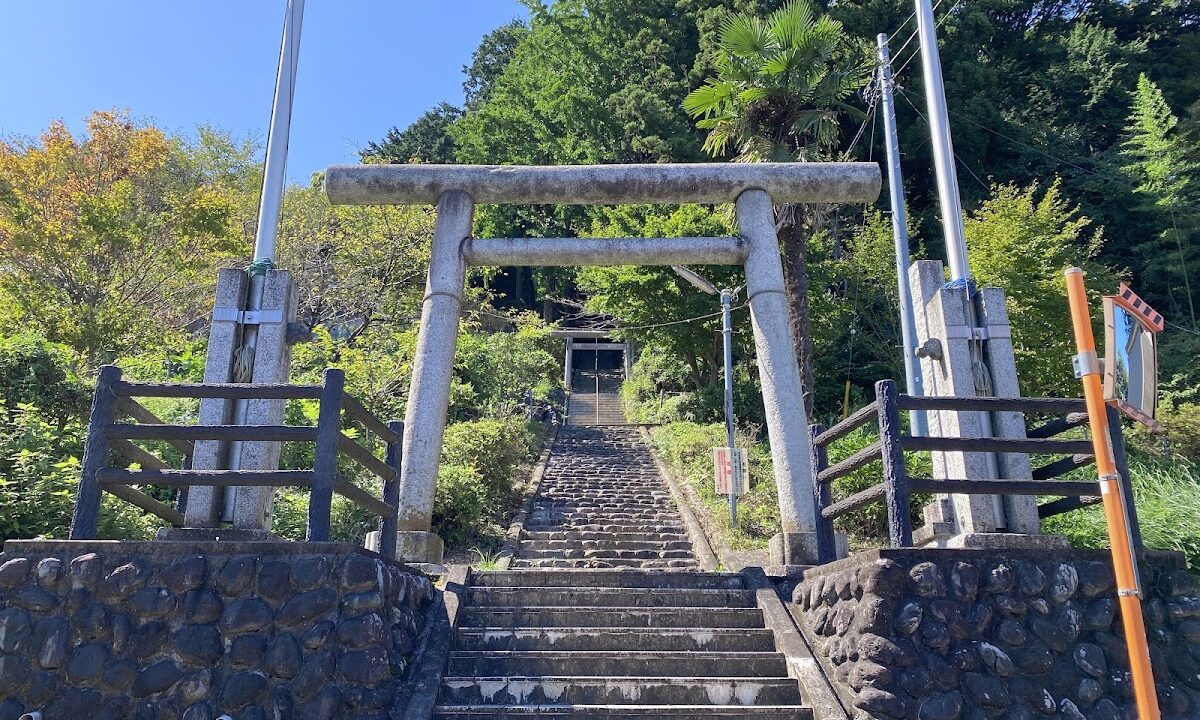
Komakino Shrine (Hachioji City, Tokyo) Complete Guide: History, Benefits, Access, and Highlights Explained in Detail
Located in Ura-Takao-cho, Hachioji City, Tokyo, Komakino Shrine sits at the foot of Mount Takao and is deeply intertwined with the local history. While often overshadowed by the famous tourist destination of Mount Takao, its tranquil atmosphere and abundant natural surroundings offer peace of mind to visitors. This article provides a detailed explanation of Komakino Shrine, including its history, benefits, highlights within the grounds, information on its Goshuin (shrine stamp), and access methods.
Basic Information about Komakino Shrine
Location: 1344 Uratakao-cho, Hachioji City, Tokyo
Main Deity: Amaterasu Omikami
Founding Date: Unknown (Estimated to be before the Edo period)
Shrine Rank: Village Shrine
Annual Festival Date: Mid-October
Parking: None (Use nearby paid parking)
Visiting Hours: Open 24 hours (Shrine office hours are irregular)
Komakino Shrine is located about a 15-minute walk from Takaosanguchi Station, nestled in a quiet village along the old Koshu Kaido road.
History and Origins of Komakino Shrine
Origin of the Place Name Komakino
The place name Komakino is said to originate from the fact that the area has long been associated with horses (koma). Located near Kobotoke-juku, a post town that flourished on the Koshu Kaido road, the shrine reflects the region’s history as a center of horse breeding and trade.
Founding and Development of the Shrine
The exact founding date of Komakino Shrine is unknown, but its existence is confirmed in Edo period records, suggesting a history of at least several hundred years. As the guardian shrine of the region, it has been revered by generations of residents.
It survived the Meiji-era shrine consolidation policy and played a central role in the community as a village shrine. After the war, it was carefully preserved by local residents and continues to this day.
Relationship with Mount Takao
Komakino Shrine is an independent shrine separate from Takao-san Yakuo-in Temple, but it is believed to have had a long history of connection with mountain worship as part of the Takao-san faith sphere. It is said that pilgrims to Mount Takao sometimes stopped by the shrine on their journey.
Benefits and Faith of Komakino Shrine
Main Benefits
Amaterasu Omikami, the principal deity of Komakino Shrine, is the supreme goddess in Japanese mythology and is believed to bestow the following benefits:
- Family Safety: Protecting the health and peaceful life of the family
- Abundant Harvest: Bringing abundant harvests
- Good Fortune and Prosperity: Opening up good fortune and inviting blessings
- Exorcism: Warding off disasters and misfortunes, and purifying the area
- Traffic Safety: As a shrine along an old highway, it protects travelers’ safety
As a Guardian Deity of the Region
Komakino Shrine has long been a guardian deity of the region, attracting faith closely intertwined with the daily lives of its residents. It remains a beloved place for prayer at important life events such as New Year’s visits, Shichi-Go-San (a traditional rite of passage for children), and exorcisms.
Highlights of the Shrine Grounds
Main Hall and Worship Hall
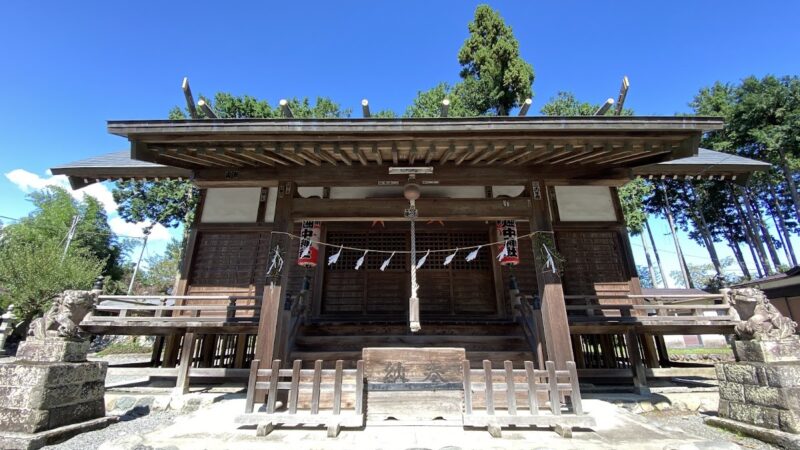
The main hall of Komakino Shrine, though small in scale, maintains the traditional style of shrine architecture. The main hall is a simple wooden structure, conveying a sense of history and the weight of having withstood the elements for many years.
Stone Steps and Approach
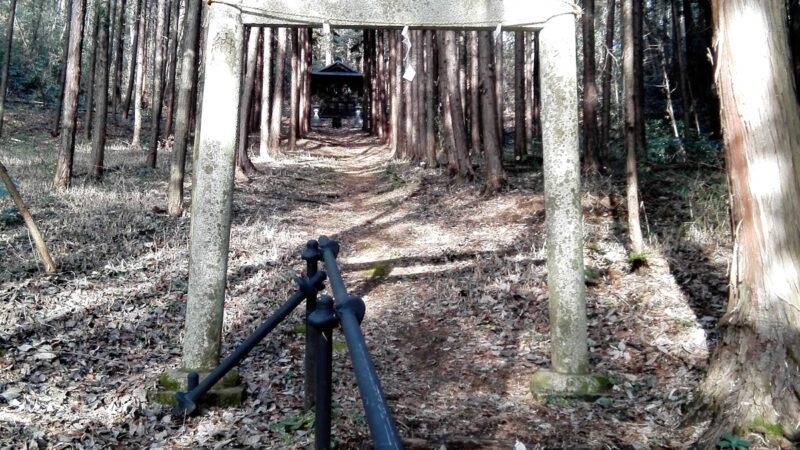
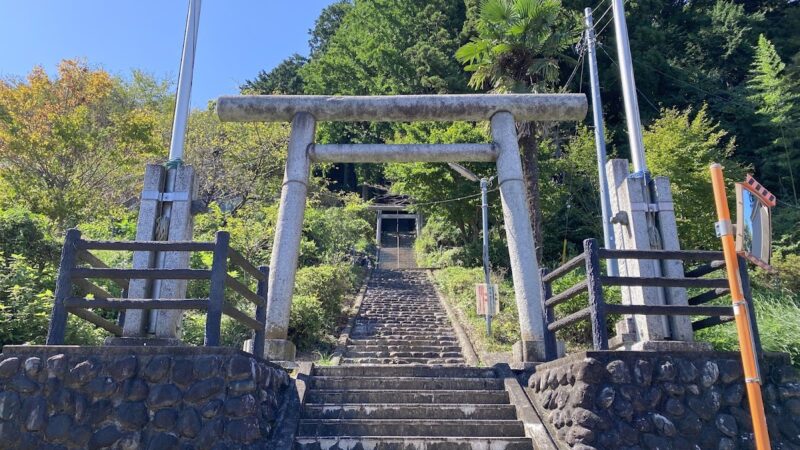
The stone steps leading to the shrine have a moss-covered appearance, creating a tranquil atmosphere. The approach is surrounded by trees, allowing visitors to enjoy the changing seasons.
Natural Environment of the Shrine Grounds
Located at the foot of Mount Takao, the shrine grounds are blessed with abundant nature.
- Spring: A season of beautiful cherry blossoms and fresh greenery
- Summer: Surrounded by deep green, creating a cool atmosphere
- Autumn: Autumn leaves color the grounds
- Winter: A sacred atmosphere enveloped in silence
Komainu and Stone Sculptures
The shrine grounds are dotted with ancient stone sculptures such as komainu (guardian lion-dogs) and stone lanterns, telling the story of the local people’s faith history.
Goshuin (Shrine Seal) Information
Regarding the goshuin at Komakino Shrine, it may not be available regularly as the shrine office is not staffed permanently. Those planning a visit are advised to check with the Hachioji City Shrine Association or local information beforehand.
Those collecting goshuin may also consider visiting nearby Takaosan Yakuoin Temple or other shrines in Hachioji City.
Access to Komakino Shrine
Access by Train
Nearest Station: Keio Takao Line “Takaosanguchi Station”
- Approximately 15 minutes on foot from Takaosanguchi Station
- Exit the station and proceed along National Route 20 (Koshu Kaido) towards Kobotoke
- Located within the village of Ura-Takao-cho
Alternative Route: While it is possible to take a bus from JR Chuo Main Line “Takao Station,” walking from Takaosanguchi Station is the most convenient.
Access by Car
Chuo Expressway:
- Approximately 20 minutes from Hachioji IC
- Via National Route 20 towards Ura-Takao
Parking:
There is no dedicated parking lot for the shrine. We recommend using paid parking lots around Takaosanguchi Station and accessing the shrine on foot. Please absolutely avoid street parking, as it inconveniences local residents.
Access by Bus
From Takao Station North Exit, take a Nishi-Tokyo Bus bound for “Kobotoke” or “Oshita,” get off at the “Komakino” bus stop, and it’s a few minutes’ walk. However, since bus service is limited, we recommend checking the timetable in advance.
Nearby Tourist Attractions
When visiting Komakino Shrine, combining your visit with a tour of nearby tourist attractions will make your trip even more fulfilling.
Mount Takao (Yakuoin Temple)
A representative Tokyo tourist destination within walking distance. A Michelin three-star destination, it attracts many worshippers and hikers from both Japan and abroad.
- Distance: Approximately 10 minutes on foot from Komakino Shrine to the Mt. Takao trailhead
- Estimated Time: The round trip hike takes approximately 2-4 hours
- Points of Interest: Yakuoin Temple, observation deck, nature trail
Kobotoke Barrier Site
An important barrier site on the Koshu Kaido road. You can learn about the transportation history of the Edo period.
- Distance: Approximately 20 minutes on foot from Komakino Shrine
- Historical Value: A historical site that conveys the Edo period barrier system to the present day
Takao Plum Village (Plum Blossom Village)
A famous spot for plum blossoms, with approximately 10,000 plum trees blooming in spring.
- Best Time to Visit: Early to mid-March
- Distance: Approximately 10 minutes by car from Komakino Shrine
Takao 599 Museum
A free museum where you can learn about the nature and history of Mt. Takao.
- Distance: In front of Takaosanguchi Station (approximately 15 minutes on foot from Komakino Shrine)
- Admission Fee: Free
- Opening Hours: 8:00 AM – 5:00 PM (April – November), 8:00 AM – 4:00 PM (December – March)
Manners and Precautions for Visiting the Shrine
Basic Worship Etiquette
- Bow before passing through the torii gate
- Purify your hands and mouth at the water basin (This step can be omitted if there is no water basin)
- Avoid walking in the center of the approach to the shrine (The center is the path for the gods)
- Bow twice, clap twice, and bow once in front of the main hall
Precautions
- Worship quietly: As it is close to a residential area, please refrain from loud conversations.
- Take your trash home: Keeping the shrine grounds clean is also a matter of good manners for visitors.
- Photography: Please refrain from taking photos inside the main shrine building; only photograph the exterior.
- No Trespassing: The area around the shrine is a residential area. Please do not trespass on private property.
Reasons to Visit Komakino Shrine
A Quiet Worship Experience Away from the Hustle and Bustle
While the area around Takaosanguchi Station is bustling with tourists, Komakino Shrine offers a quiet and peaceful atmosphere for worship. Its greatest appeal lies in the opportunity to escape the urban noise and have time to quietly connect with the deities.
Experiencing Local History and Culture
Because it is a simple shrine that hasn’t been commercialized for tourism, you can feel the form of faith rooted in the local community. Experiencing the history and culture that local people have carefully preserved will be a valuable travel experience.
A Fulfilling Plan Combined with Mount Takao Sightseeing
By visiting before or after hiking or sightseeing on Mount Takao, you can have a more fulfilling day. Visiting not only major tourist spots but also small local shrines will deepen your travel experience.
The Beauty of Nature in Every Season
Near the rich natural environment at the foot of Mount Takao, Komakino Shrine displays different expressions in each of the four seasons. From the fresh greenery of spring, the deep green of summer, the vibrant autumn leaves, to the tranquility of winter, you can enjoy different charms depending on the season you visit.
History and Culture of the Komakino Area
The Koshu Kaido Road and Post Town
The Komakino area is located along the Koshu Kaido Road, which was developed during the Edo period, and was a transportation hub near Kobotoke-juku. It has a history of flourishing as a post town, with travelers and merchants coming and going.
Forestry and Mountain Village Culture
As a mountain village at the foot of Mount Takao, mountain industries such as forestry and charcoal making have been practiced. Komakino Shrine was also a place of worship closely intertwined with the lives of these mountain villagers.
Modern Komakino
While the current Komakino area has developed as a gateway to Mount Takao tourism, it also maintains its character as a quiet residential area. This area possesses a unique atmosphere where ancient history and modern life coexist.
Annual Events and Festivals
At Komakino Shrine, traditional festivals are preserved by the local parishioners.
Grand Festival (Mid-October)
This is the most important festival of the year. Local residents gather, and there are sometimes portable shrine processions and dedication ceremonies. The specific date varies each year, so please check local information if you wish to participate.
New Year’s Visit (January 1st-3rd)
Local people visit to offer New Year’s greetings. It is not as crowded as Takao-san Yakuo-in Temple, allowing for peaceful New Year’s prayers.
Monthly Festivals
Small-scale festivals are held regularly, but participation by general worshippers is limited.
Model Course for Visiting Komakino Shrine
Half-Day Course (Approx. 3 Hours)
9:00 Arrive at Takaosanguchi Station
9:15 Visit Komakino Shrine (30 minutes)
9:45 Begin climbing Mt. Takao
11:30 Arrive at the summit of Mt. Takao, lunch
12:30 Begin descending
14:00 Rest and souvenir shopping around Takaosanguchi Station
Full-Day Course (Approx. 6 Hours)
8:30 Arrive at Takaosanguchi Station
8:45 Visit Takao 599 Museum (45 minutes)
9:30 Visit Komakino Shrine (30 minutes)
10:00 Climb Mt. Takao (Exploring multiple routes)
13:00 Lunch at the summit
14:00 Visit Yakuoin Temple
15:30 Descend 16:00 Hot springs and meal near Takaosanguchi Station
Historical Exploration Course (approx. 4 hours)
10:00 Arrive at Takaosanguchi Station
10:15 Visit Komakino Shrine (30 minutes)
10:45 Stroll along the old Koshu Kaido Road
11:30 Visit the Kobotoke Barrier Ruins (30 minutes)
12:00 Hiking to Kobotoke Pass (2 hours round trip)
14:00 Return to Takaosanguchi Station
Komakino Shrine as a Photo Spot
Recommended Photo Spots
- Main Hall from the Stone Steps: The combination of the stone steps surrounded by greenery and the main hall is beautiful.
- Shrine Grounds Through the Torii Gate: Capture the atmosphere of the shrine with a traditional composition.
- Shrine Grounds During Autumn Foliage Season: Autumn colors adorn the shrine grounds.
- Early Morning Silence: A mystical atmosphere amidst the morning mist
Photography Etiquette
- Refrain from taking photos inside the main shrine
- Be considerate of other worshippers
- Use a tripod only after assessing the surrounding environment
- When posting on social media, be mindful of disclosing location information (to protect the peaceful environment)
How to Enjoy Komakino: Tips from Locals
Recommendation for Early Morning Visits
Visiting the shrine early in the morning (around 7:00-8:00 AM), when there are fewer tourists, allows you to fully appreciate the sacred atmosphere enveloped in silence. It’s also ideal as mental preparation before climbing Mount Takao.
Seasonal Enjoyment
- Spring (March-April): Visit during the blooming season of plum and cherry blossoms
- Summer (July-August): Seek the cool shade of the trees
- Autumn (November): Visit in conjunction with viewing the autumn foliage
- Winter (January-February): A quiet visit amidst the snowy landscape
Local Gourmet Information
The area around Takaosanguchi Station boasts a variety of restaurants, including soba noodle shops, cafes, and souvenir shops. A stop after your visit is highly recommended.
- Takaosan’s Famous Tororo Soba
- Dishes Using Local Vegetables
- Takaosan Beer (Local Craft Beer)
Summary: The Charm of Komakino Shrine
Komakino Shrine, though small in scale, is a valuable shrine that conveys the history and faith of the region. Located in a quiet environment slightly removed from the hustle and bustle of Takaosan tourism, it offers a peaceful and calming worship experience.
Who should visit Komakino Shrine?
- Those who want to stop by before or after hiking Mount Takao
- Those who want to worship in a quiet environment
- Those interested in local history and culture
- Those seeking a simple shrine that hasn’t been commercialized for tourism
- Those who enjoy photography (especially natural landscapes)
A visit to Komakino Shrine will be a valuable opportunity to experience a deeply rooted Japanese faith and culture that you can’t find at famous tourist spots. When you visit Mount Takao, be sure to extend your trip and visit Komakino Shrine as well. The time you spend in the tranquil grounds will surely become a memorable experience.