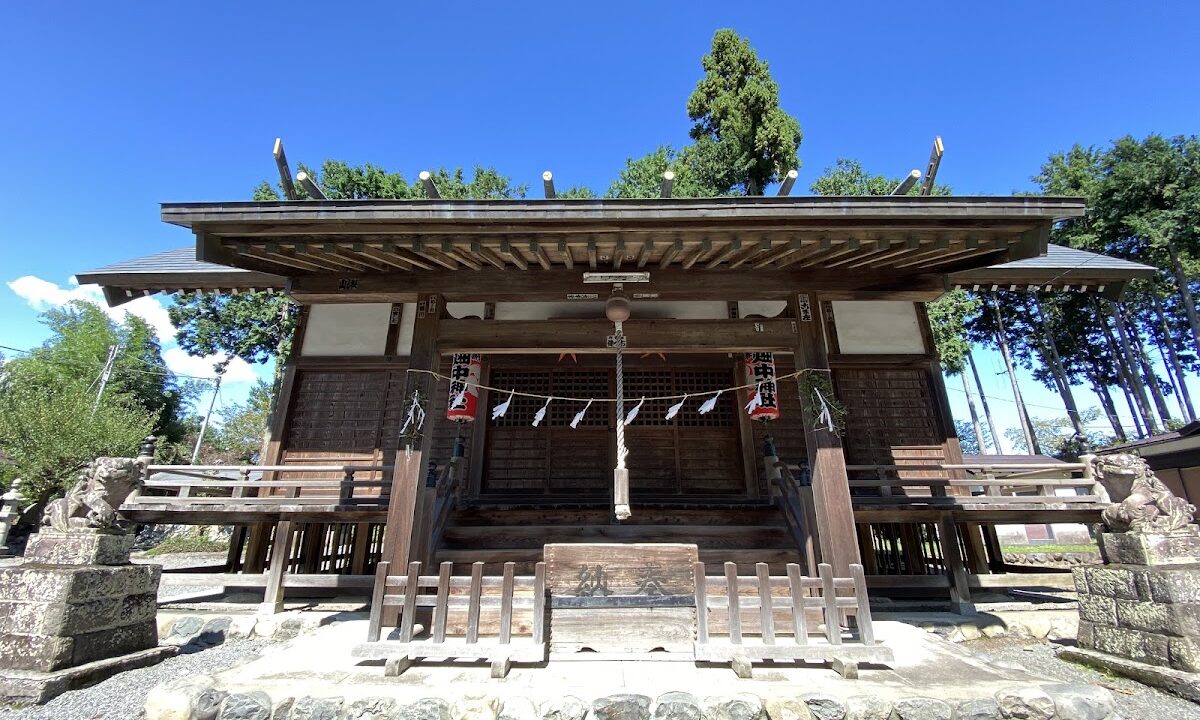
Hatanaka Shrine (Ome City, Tokyo) Complete Guide | History, Deities, Access, and Highlights Explained in Detail
Hatanaka Shrine, located in Hatanaka, Ome City, Tokyo, was formerly known as Izuhakone Gongen and is a historical shrine that has been revered by the local people as the guardian shrine of Hatanaka Village. It was ranked as a village shrine during the Meiji era and remains a beloved center of local faith. This article provides a detailed explanation of Hatanaka Shrine’s history, enshrined deities, highlights within the grounds, and access methods.
Overview of Hatanaka Shrine
Hatanaka Shrine is located at 2-556 Hatanaka, Ome City, Tokyo. Situated in a quiet residential area slightly away from the center of Ome City in the western part of the Tama region, it has long been a familiar part of the lives of the local people as the guardian deity of the Hatanaka area.
The shrine is surrounded by abundant nature, and the Kasumigawa River, a tributary of the Tama River, flows nearby, making it a scenic location. Ome City is a region that has prospered since the Edo period through its textile and forestry industries, and Hatanaka Shrine has played a central role in the local community throughout its history.
Basic Information
- Location: 2-556 Hatanaka, Ome City, Tokyo
- Former Shrine Rank: Village Shrine
- Nearest Station: Approximately 8 minutes on foot from Miyanohira Station on the JR Ome Line
- Parking: Available (several spaces on the shrine grounds)
- Visiting Hours: Open all day (please check the shrine office’s operating hours)
History and Origins of Hatanaka Shrine
Origin of Founding and the Izu-Hakone Gongen Era
The exact founding date of Hatanaka Shrine is not clearly recorded, but records indicate that it has existed as the guardian shrine of Hatanaka Village since ancient times. It was formerly known as “Izu-Hakone Gongen,” and it is believed to have had a form of worship influenced by Shugendo (mountain asceticism).
The shrine’s name, Izuhakone Gongen, is presumed to be related to the mountain worship of Izu Province (present-day Izu region of Shizuoka Prefecture) and Mount Hakone. During the Edo period, it was influenced by Shugendo (mountain asceticism) and the syncretism of Shinto and Buddhism, functioning as a place of worship incorporating elements of mountain worship and nature worship.
Hatanaka Village was located along the Ome Highway, a key transportation hub connecting Edo (Tokyo) and Koshu (Yamanashi Prefecture). Given this geographical location, Izuhakone Gongen likely played a significant role as a center of worship for travelers seeking safety and for the region’s bountiful harvests.
Renaming and Ranking as a Village Shrine in the Meiji Era
After the Meiji Restoration, Hatanaka Shrine underwent a major transformation due to the Meiji government’s decree separating Shinto and Buddhism and the establishment of a shrine ranking system. In 1870 (Meiji 3), the shrine’s name was changed from “Izuhakone Gongen” to “Hatanaka Shrine.” This was a measure to eliminate the remnants of Shinto-Buddhist syncretism and to restart as a purely Shinto shrine.
Furthermore, in 1873 (Meiji 6), it was ranked as a village shrine. A village shrine, in the modern shrine ranking system, was positioned below a regional shrine and above an unranked shrine, signifying official recognition as the guardian shrine of a village. This ranking established Hatanaka Shrine’s position as a central religious institution in the region.
Amidst the Meiji-era shrine reorganization policies that saw many small shrines consolidated or abolished, Hatanaka Shrine’s survival as a village shrine speaks to the depth of faith and importance it held in the region.
Records of Hatanaka Shrine in the Shinpen Musashi Fudoki-ko
The Shinpen Musashi Fudoki-ko is a geographical record of Musashi Province compiled during the Bunsei era (1818-1830) of the late Edo period. It contains records of Hatanaka Village, including a description of the then-existing Izuhakone Gongen (Hatanaka Shrine).
According to the Fudoki-ko, Izuhakone Gongen was enshrined as the guardian shrine of Hatanaka Village and was revered by the villagers. The text also mentions the betto-ji (the temple that managed the shrine), providing insight into the era of syncretism between Shinto and Buddhism.
During the Edo period, Hatanaka Village was a settlement centered on agriculture, with thriving sericulture and weaving industries. Izu Hakone Gongen Shrine was closely intertwined with the villagers’ lives, serving as a place for prayers for bountiful harvests, successful silkworm farming, and protection against disease.
Entry for Hatanaka Shrine in the Tokyo Metropolitan Shrine Directory
The “Tokyo Metropolitan Shrine Directory” is a document that records detailed information about shrines within Tokyo. Within this directory, basic information about Hatanaka Shrine, such as its enshrined deity, history, and annual festival date, is included.
According to the directory, Hatanaka Shrine continued to function as the local tutelary shrine even after the Meiji era, and was maintained and managed by local residents throughout the Showa period. Even during the post-war period of rapid economic growth, when Ome City underwent urbanization, Hatanaka Shrine remained unchanged as a spiritual center for the community.
Records of Hatanaka Shrine According to the “Ome City History”
The “Ome City History” contains detailed records of the history of shrines and temples in the city, including Hatanaka Shrine. According to the Ome City History, Hatanaka Shrine is deeply intertwined with the history of the Hatanaka district and was a central location for local annual events and festivals.
In particular, the autumn grand festival featured a procession of portable shrines and devotional performances, making it an important event that strengthened community bonds. Records also show that various Shinto rituals were performed throughout the year, including New Year’s visits, Setsubun festivals, and summer purification rites.
During the Showa era, the shrine buildings were repaired and the grounds were maintained several times, indicating that the shrine was sustained through the cooperation of local residents and parishioners.
Deities and Divine Virtues of Hatanaka Shrine
Regarding the deities enshrined at Hatanaka Shrine, based on the worship practices of the Izu Hakone Gongen era, it is believed that deities related to Hakone Gongen and Izusan Gongen were worshipped there. Since the separation of Shinto and Buddhism in the Meiji era, it has been organized and worshipped as a Shinto deity.
Divine Virtues
Hatanaka Shrine, as the guardian shrine of the region, is believed to have the following divine virtues:
- Abundant Harvest: Prayers for a bountiful harvest as the guardian deity of agriculture
- Family Safety: Protection of the health and safety of the family
- Business Prosperity: Prayers for the development of local commerce and industry
- Protection from Misfortune and Bringing Good Fortune: Prayers for warding off misfortune and bringing good fortune
- Traffic Safety: Prayers for safe travel and traffic safety
As the local guardian deity, it is also used as a place for various life rituals, such as the first shrine visit for a newborn, Shichi-Go-San (a traditional rite of passage for children), and exorcisms for those in their unlucky years.
Highlights and Facilities on the Shrine Grounds
Shrine Buildings
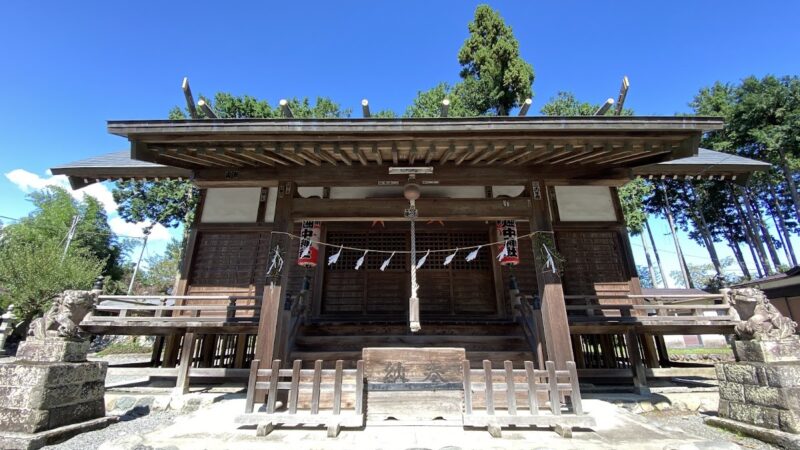
Hatanaka Shrine’s buildings are constructed in the traditional style of Shinto shrine architecture and consist of a main hall and a worship hall. Although small in scale, the shrine is meticulously maintained, reflecting the deep faith of the local people.
A shimenawa (sacred rope) is stretched across the worship hall, welcoming visitors. The main sanctuary is located behind the worship hall, maintaining a sacred space. Trees are arranged around the shrine, creating a tranquil atmosphere.
Atmosphere of the Shrine Grounds
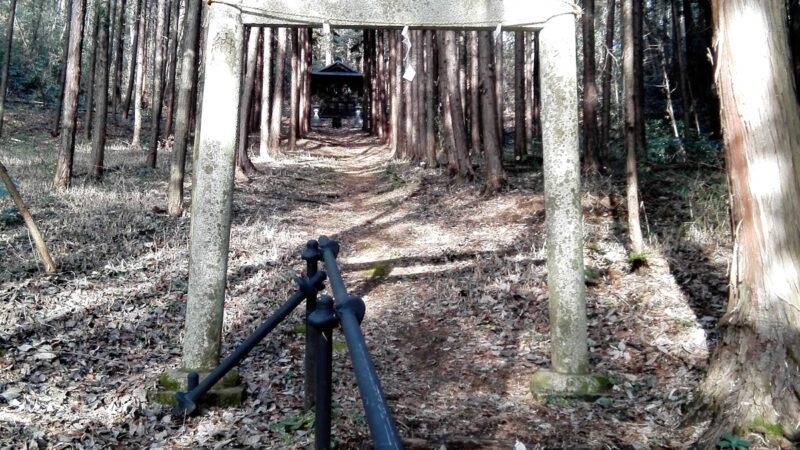
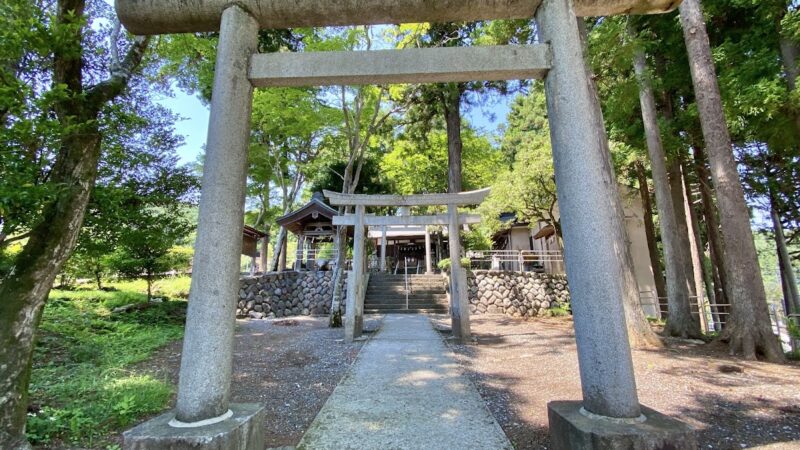
Despite being located in a residential area, Hatanaka Shrine’s grounds are a quiet space surrounded by trees. As you proceed along the path, you will come to a torii gate, beyond which the shrine building comes into view. The grounds are meticulously clean, demonstrating the careful maintenance by the local community.
There is also a purification fountain on the grounds, allowing visitors to purify themselves before worship. A shrine office is also located on the premises, where amulets and goshuin (stamped seals) may be available (it is recommended to check in advance).
Stone Monuments and Memorials
The shrine grounds sometimes contain monuments commemorating events such as the shrine’s designation as a village shrine or the reconstruction of the shrine building, providing clues to the shrine’s history. These stone monuments bear inscriptions of donations from parishioners and local volunteers, illustrating the deep connection between the local community and the shrine.
Annual Events and Festivals
Hatachu Shrine holds various Shinto rituals and festivals throughout the year.
Grand Festival
The Grand Festival, held in autumn, is the most important festival at Hatanaka Shrine. It features a procession of portable shrines and devotional performances, making it a lively event where local people gather. The Grand Festival strengthens community bonds and serves as an important opportunity to pass on traditional culture to future generations.
Other Annual Events
- New Year’s Day Festival: A first shrine visit of the year to pray for happiness in the new year.
- Setsubun Festival: A ritual to ward off evil spirits through bean-throwing.
- Summer Purification Ceremony: A Shinto ritual to cleanse away the impurities accumulated over the past six months.
- Shichi-Go-San Festival: A visit to celebrate the growth of children.
These events are passed down as local traditions and attract many visitors.
Access and Surrounding Information
Access by Train
Approximately 8 minutes on foot from Miyanohira Station on the JR Ome Line
Miyanohira Station is a station on the Ome Line where local trains stop. It can be accessed from central Tokyo by transferring at Tachikawa Station or Haijima Station. The path from the station to the shrine is flat and passes through a residential area, making it easily accessible on foot.
- From Shinjuku Station: Take the JR Chuo Line to Tachikawa Station, then transfer to the Ome Line to Miyanohira Station (approximately 1 hour 30 minutes).
- From Tokyo Station: Take the JR Chuo Line to Tachikawa Station, then transfer to the Ome Line to Miyanohira Station (approximately 1 hour 40 minutes).
Access by Car
Accessible from Ome Kaido (Tokyo Metropolitan Road No. 5). There are a few parking spaces on the shrine grounds, but it may be crowded during events such as the annual festival, so using public transportation is recommended.
- Approximately 30 minutes from the Chuo Expressway “Hachioji IC”
- Approximately 15 minutes from the Ken-O Expressway “Ome IC”
Nearby Attractions
Famous Places and Temples of Ome City
Around Hatanaka Shrine, there are numerous famous places and temples where you can experience the history and culture of Ome City.
- Ome Railway Park: A park exhibiting actual railway vehicles.
- Mount Mitake: A sacred mountain home to Musashi Mitake Shrine.
- Shiofune Kannon-ji Temple: An ancient temple known for its azaleas.
- Ome City Local History Museum: A museum where you can learn about the history and culture of Ome.
Nature of the Tama River
Ome City is located in the upper reaches of the Tama River and is blessed with abundant nature. When visiting Hatanaka Shrine, you can also enjoy a stroll along the Tama River and admire seasonal flowers. You can enjoy the beauty of nature throughout the seasons: cherry blossoms in spring, fresh greenery in early summer, and autumn leaves in fall.
Points to Note When Visiting Hatanaka Shrine
Etiquette for Visiting Shrines
Please observe the basic etiquette for visiting shrines.
- Bow before entering the shrine grounds.
- Cleanse your hands and mouth at the purification fountain.
- Offer your donation in front of the main hall.
- Worship with two bows, two claps, and one bow.
- Bow before leaving the shrine grounds.
About Goshuin (Shrine Seals)
Regarding the issuance of Goshuin at Hatanaka Shrine, it is recommended to check in advance, as the shrine office may not always have a staff member present. In Ome City, some shrine priests may serve multiple shrines.
Photography Etiquette
Photography is generally permitted on the shrine grounds, but please refrain from taking pictures in sacred areas such as inside the main hall. Also, please be considerate of other worshippers and avoid disturbing religious ceremonies.
Hatanaka Shrine and the Local Community
Hatanaka Shrine is not merely a religious facility, but a central presence in the local community. The shrine is protected through the cooperation of local residents, including maintenance by the parishioners’ organization, the operation of festivals such as the annual grand festival, and cleaning activities.
In modern times, urbanization and the declining birthrate and aging population tend to weaken community ties. However, local shrines like Hatanaka Shrine play an important role as places for intergenerational exchange. Through annual festivals and seasonal events, traditional culture is passed down to the next generation.
History of Ome City and the Hatanaka District
Origins of Ome City
Ome City is located in the western part of Tokyo, in the Tama region. During the Edo period, it flourished as a post town on the Ome Kaido road, with thriving textile and forestry industries. In particular, the textile known as Ome-jima gained popularity in Edo (present-day Tokyo) and supported Ome’s economy.
The textile industry continued after the Meiji era and remained a major industry in Ome until the early Showa period. After the war, it developed as a commuter town for Tokyo, and is now known as a residential city rich in nature.
Characteristics of the Hatanaka District
The Hatanaka district is a quiet residential area slightly away from the center of Ome City. The Kasumigawa River, a tributary of the Tama River, flows nearby, and it is blessed with a lush green environment. As old rural settlements become urbanized, historical sites like Hatanaka Shrine play a vital role in preserving the region’s identity.
The area retains old houses and stone Buddha statues, making it a suitable place for historical walks. While the entire city of Ome is known for its plum blossoms, you can also enjoy plum blossoms in the Hatanaka area during spring.
Significance of Visiting Hatanaka Shrine
Hatanaka Shrine is not a large-scale tourist shrine, but it is well worth a visit.
Experiencing Local History
Hatanaka Shrine has undergone historical changes, from being renamed from Izu Hakone Gongen to being ranked as a village shrine, and has continued to attract local faith to this day. Standing on the shrine grounds, you can feel the history of the region that has continued since the Edo period.
A Quiet Worship Experience
Unlike the crowds of famous shrines in the city center, the quiet atmosphere is another appeal. You can escape the hustle and bustle, calm your mind, and have time to reflect on yourself.
Understanding Local Culture
Visiting Hatanaka Shrine provides an opportunity to consider the relationship between the local community and the shrine, and the transmission of traditional culture. Knowing that many such locally rooted places of worship exist even within the metropolis of Tokyo deepens our understanding of Japanese culture.
Shrines in Ome City to Visit Alongside Hatanaka Shrine
Besides Hatanaka Shrine, Ome City has many other historical shrines.
Sumiyoshi Shrine (Sumie-cho, Ome City)
Located in the heart of Ome City, Sumiyoshi Shrine is known as the guardian shrine of Ome. During the Ome Grand Festival, floats parade through the streets, attracting many worshippers.
Mitake Shrine (Mt. Mitake, Ome City)
Musashi Mitake Shrine is an ancient shrine located on the summit of Mt. Mitake and is known as a sacred site of mountain worship. It is accessible by cable car, and sightseeing combining hiking and worship is popular.
Small Shrines in Ome City
Ome City has many small, local shrines similar to Hatanaka Shrine. Visiting these shrines is a great way to gain a deeper understanding of Ome’s history and culture. ## Summary: The Charm of Hatanaka Shrine
Hatanaka Shrine in Ome City, Tokyo, is a historic shrine that was founded as Izu Hakone Gongen and renamed to its current name during the Meiji era. As a village shrine, it serves as the guardian shrine of the region and is still carefully preserved by its parishioners and local residents.
While not a large-scale tourist shrine, it offers a peaceful and tranquil atmosphere for worship, and is a valuable place to experience the history and culture of the region. Its convenient location, just an 8-minute walk from Miyanohira Station on the JR Ome Line, is also a major draw, making it a must-visit shrine when sightseeing in Ome.
Why not experience the traditions of Japanese regional faith through a visit to Hatanaka Shrine, while immersing yourself in the rich nature and history of Ome City? Spending time at this community-based shrine, away from the hustle and bustle of the city, will surely bring peace to your heart.