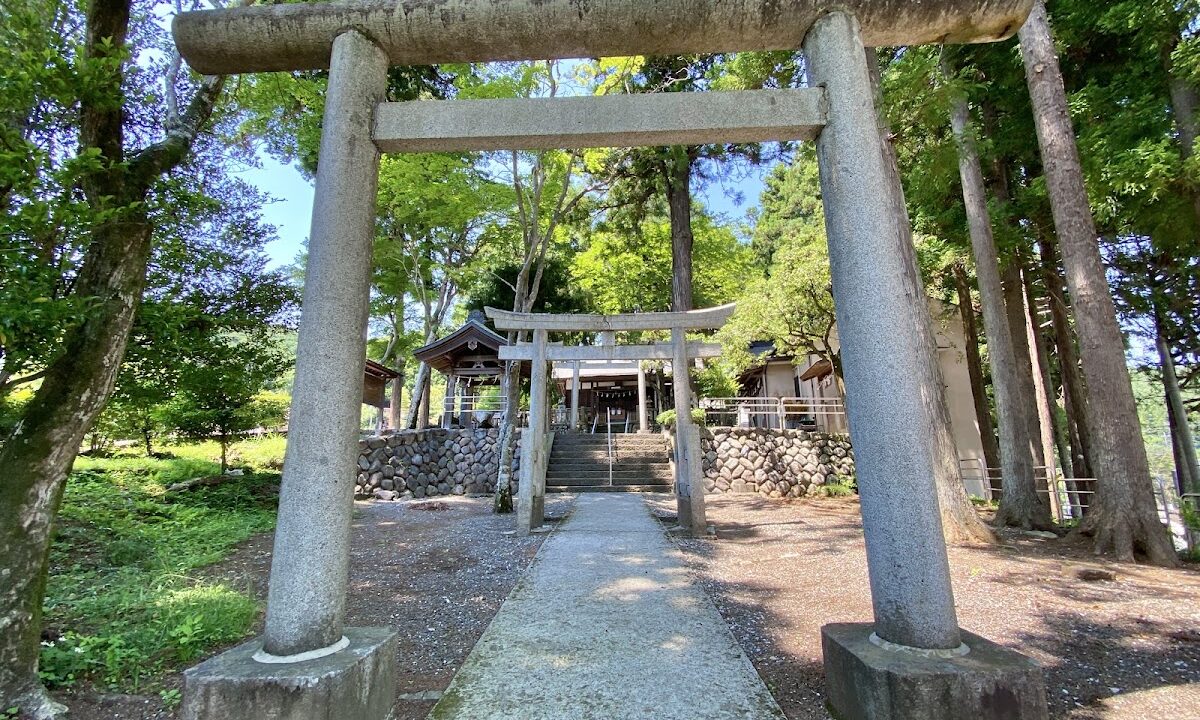
Complete Guide to Wadano Shrine (Ome City, Tokyo) | A Thorough Explanation of its History, Goshuin (Shrine Seals), and the Charm of its Sumo Wrestling Dedication
Wadano Shrine, located in Hinatawada, Ome City, Tokyo, is a shrine with a long history as the guardian shrine of the region. It is also the origin of the name of Miyanohira Station on the JR Ome Line. It boasts many attractions, including a tradition of sumo wrestling dedication dating back to the Edo period and a main hall adorned with intricate carvings. This article provides a detailed explanation of everything you need to know before visiting Wadano Shrine, including its history, enshrined deities, access methods, goshuin information, and details of its annual festival.
Basic Information about Wadano Shrine
Location: 2-317 Hinatawada, Ome City, Tokyo
Nearest Station: Approximately 3-5 minutes on foot from Miyanohira Station on the JR Ome Line
Phone Number: 0428-22-7246
Deities Enshrined:
- Oyamatsumi-no-kami
- Iwanagahime-no-kami
- Kayanuhime-no-kami
Annual Festival Date: First Sunday of September
Wadano Shrine is a shrine that has been cherished by the local people as the guardian shrine of the former Wada Village. Located along the Tama River in Ome City, Tokyo, it sits in a quiet environment surrounded by abundant nature.
History and Origins of Wadano Shrine
Founding and Changes in the Shrine’s Name
The founding date of Wadano Shrine is unknown, but it is said to have been established by inviting the deity from Mishima Taisha Shrine, located in Mishima City, Shizuoka Prefecture. In ancient times, it was called “Wada Myojin” and was revered as the guardian shrine of the former Wada Village.
In 1598 (Keicho 3), when Wada Village was divided into Hinata Wada Village and Hikage Wada Village, the shrine’s name was changed to “Mishima Myojin.” Later, in 1869 (Meiji 2), during the Meiji Restoration, the shrine’s name was restored to its current name, “Wadano Shrine.”
Changes and Maintenance of the Shrine Buildings
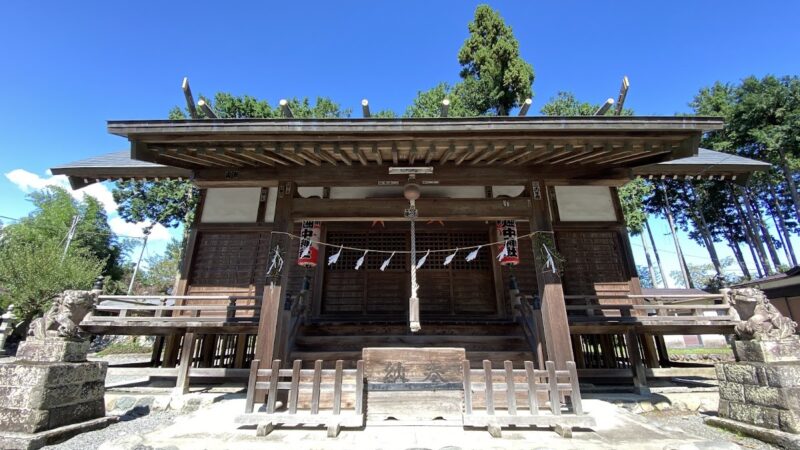
The current main hall was rebuilt in 1793 (Kansei 5) and is a valuable structure that preserves the architectural style of the late Edo period. During this period, sumo wrestling was popular throughout Edo (present-day Tokyo) and across Japan, and it is said that the sumo matches held at our shrine were also very lively.
In August 1907 (Meiji 40), the offering hall and worship hall were newly constructed, completing the current form of the shrine.
Origin of the name of Miyanohira Station
Miyanohira Station on the JR Ome Line was named after this Wadano Shrine. “Miya” refers to the shrine, and “hira” represents the topography, so it means the flat land where the shrine is located. The station is only about a 3-5 minute walk from the shrine, highlighting the deep connection between the station name and the shrine.
Connection to Emperor Taisho (Emperor Showa)
In 1913 (Taisho 2), when Emperor Showa, then Crown Prince, visited the Ome area, he also stopped by Wadano Shrine. The weeping cypress tree planted at that time still remains on the shrine grounds, serving as a valuable memorial tree demonstrating the shrine’s connection to the Imperial Family. ## Deities and Blessings
Wadano Shrine enshrines three deities.
Oyamatsumi-no-kami
Known as the god of mountains, Oyamatsumi-no-kami is believed to bestow blessings such as protection of mountains and forests, national peace and security, lasting military fortune, and maritime safety. He is also the principal deity of Mishima Taisha Shrine and is a nationally revered deity with the Oyamatsumi Shrine in Iyo Province (present-day Ehime Prefecture) as its head shrine.
Iwanagahime-no-kami
The daughter of Oyamatsumi-no-kami, she is believed to bestow blessings of longevity and eternal youth. In Japanese mythology, she and her younger sister Konohanasakuya-hime were to marry Ninigi-no-Mikoto, but were sent back due to her appearance.
Kayanuhime-no-Kami
Considered the consort of Oyamatsumi-no-Kami, she is believed to bestow blessings such as family safety and abundant harvests. She has been revered as a guardian deity of local agriculture.
Through these three deities, Wadano Shrine is believed to offer a wide range of blessings, including protection of the mountains, longevity, family safety, and abundant harvests.
Highlights of the Shrine Grounds
Exquisite Carvings on the Main Hall
The greatest highlight of Wadano Shrine is the main hall, rebuilt in 1793 (Kansei 5). The exquisite carvings covering the entire wall surface showcase the excellent carving techniques of the late Edo period. Animals, plants, and scenes from mythology are depicted three-dimensionally, each carving showcasing the craftsmanship of the artisans.
The carvings on the main hall are well worth taking the time to appreciate. Especially on a sunny morning, the interplay of light beautifully highlights the shadows and highlights of the carvings. ### Irregularly Shaped Torii Gate
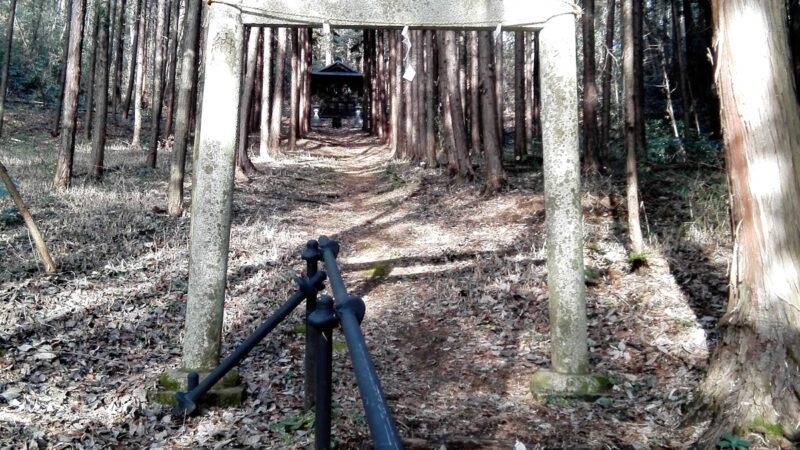
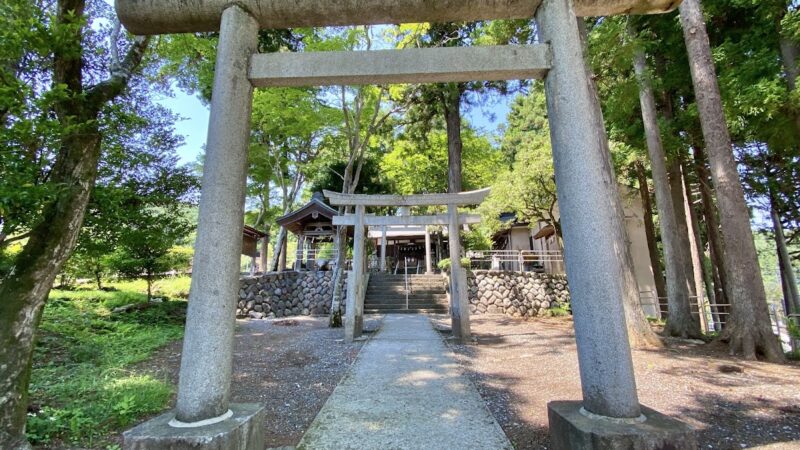
Wadano Shrine features an unusually shaped torii gate, attracting the interest of visitors. Its unique form, different from typical torii gates, is thought to reflect the region’s history and religious characteristics.
Weeping Cypress Tree Planted by Emperor Showa
The weeping cypress tree, planted in 1913 by Emperor Showa (then Crown Prince), is a valuable commemorative tree on the shrine grounds. Its magnificent growth over more than 100 years evokes a sense of historical weight.
Sumo Wrestling Ema (Votive Tablets)
Votive tablets related to sumo wrestling are dedicated on the shrine grounds, preserving the tradition of sumo wrestling dedications that has continued since the Edo period. These are cultural assets of historical value, even being featured as “Sumo Wrestling Ema” by the Tokyo Metropolitan Shrine Association.
Subsidiary Shrines
In addition to the main shrine, several subsidiary shrines are enshrined on the grounds. Each of these shrines has its own unique history and beliefs, and has received diverse wishes from the local people.
Annual Festival and Sumo Wrestling Offering
Overview of the Annual Festival
The annual festival of Wadano Shrine is held every year on the first Sunday of September. It is a community-wide festival, bustling with many worshippers and spectators.
Sumo Wrestling Offering a Tradition Dating Back to the Edo Period
The highlight of the annual festival is the sumo wrestling offering by elementary school students, a tradition said to date back to the Edo period. This traditional event is not merely a children’s sumo tournament, but holds significance as a sacred ritual offered to the gods.
In the days of the former Wada Village, there were various power struggles between the villages across the Tama River. Historically, to resolve these disputes, sumo wrestling was offered to Wadano Shrine, the guardian shrine of the village, to seek the divine will, and the outcome was determined by the result of the matches. Given this background, the sumo wrestling offering was not merely entertainment, but an important sacred ritual with the meaning of divine judgment.
When the current main shrine was rebuilt in 1793 (Kansei 5), sumo wrestling was popular throughout Edo (present-day Tokyo) and across Japan, and it is said that the sumo matches offered at this shrine were also very lively.
Preserving Ancient Traditions
A distinctive feature of the sumo matches offered at Wadano Shrine is that they are conducted according to ancient traditions. Elementary school students participate in the matches while learning proper etiquette, playing a role in passing on the region’s traditional culture to the next generation.
Goshuin (Shrine Seal) and Goshuincho (Shrine Seal Book) Information
About Goshuin
Goshuin are available at Wadano Shrine. Many visitors receive a goshuin as a memento of their visit and as proof of their connection to the shrine.
When receiving a goshuin, it is customary to first pay your respects at the main shrine before requesting one at the shrine office. You can bring your own goshuincho or receive a pre-printed goshuin.
Features of the Goshuin (Shrine Seal)
The goshuin of Wadano Shrine features the shrine’s name, “Wadano Shrine,” written in ink, along with the shrine’s seal. It is characterized by a simple yet powerful calligraphy style and is cherished as a memento of one’s visit.
Issuance Hours
Goshuin are only issued during the shrine office’s opening hours. Except on special days such as festivals, it is recommended to call ahead to confirm.
Access Method
Access by Train
Nearest Station: JR Ome Line, Miyanohira Station
Wadano Shrine is easily accessible from Miyanohira Station, approximately a 3-5 minute walk.
Directions from the Station:
- Exit the ticket gate at Miyanohira Station and take Exit 1.
- Proceed southwest along the road in front of the station.
- After passing through the residential area, you will see the shrine’s torii gate on your right.
- Pass through the torii gate and proceed along the approach to the shrine to reach the main hall.
Access by Car
Route from Major Roads:
From Ome Kaido (National Route 411), head towards Ome city center and follow the signs for the Hinatawada area.
Parking:
There is some parking space within the shrine grounds or nearby, but the number of spaces is limited. On days when crowds are expected, such as during festivals, we recommend using public transportation.
Transportation Information in the Surrounding Area
The JR Ome Line connects central Tokyo to the Ome area, and transfers are possible at Tachikawa Station and Ome Station. Miyanohira Station is a small station where only local trains stop, but it is ideal for accessing the shrine.
Manners and Etiquette for Visiting a Shrine
Basic Visiting Etiquette
- Bow Before Passing Through the Torii Gate: As a sign of respect before entering the sacred area, bow before the torii gate.
- Purify at the Water Basin: If there is a water basin, purify your hands and mouth.
- Walking Along the Path: The center of the path is considered the path of the gods, so walk along the sides.
- Worship at the Main Hall: Worship using the two bows, two claps, and one bow ritual.
Photography
Photography is generally permitted within the shrine grounds, but there are areas and times where photography is restricted, such as inside the main hall or during Shinto rituals. If unsure, please check with the shrine office before taking photos.
Appropriate Attire for Visiting a Shrine
Everyday clothing is acceptable for visiting a shrine, but it is considered polite to avoid overly revealing or flashy clothing that does not suit the atmosphere of the shrine.
Nearby Attractions and Tourist Spots
Sightseeing in Ome City
Ome City, where Wadano Shrine is located, is an area with abundant nature and historical townscapes.
Old Townscape of Ome-juku: Ome-juku, which retains the atmosphere of an Edo-period post town, is popular for its retro feel.
Mount Mitake: Known as a sacred site of mountain worship, Mount Mitake is accessible by cable car, and visitors can enjoy visiting Musashi Mitake Shrine and nature walks.
Nature along the Tama River: The Tama River, which flows near Wadano Shrine, is ideal for walks and cycling.
Nearby Shrines and Temples
In addition to Wadano Shrine, there are many other shrines and temples in Ome City. Those who enjoy visiting shrines may find it interesting to visit several shrines and compare their unique characteristics.
Points to Note When Visiting Wadano Shrine
Visiting Hours
Entry to the shrine grounds is generally free, but the shrine office has limited operating hours. If you wish to receive a Goshuin (temple/shrine stamp) or request prayers, it is recommended to call ahead to confirm.
Differences in Highlights by Season
Spring: The season of fresh greenery, the trees in the shrine grounds are enveloped in beautiful green.
Summer: The lush green deepens, creating a cool and refreshing atmosphere.
Autumn: The annual festival in September is the main highlight. During the autumn foliage season, the trees in the shrine grounds change color.
Winter: You can worship in a solemn atmosphere, enveloped in silence within the shrine grounds.
Crowds During the Annual Festival
On the day of the annual festival, the first Sunday of September, many people visit to watch the sumo wrestling dedication. If you wish to worship at a leisurely pace, it is best to choose a day other than the annual festival.
Cultural Value of Wadano Shrine
A Preservation of Local History
Wadano Shrine, as the guardian shrine of the former Wada Village, is an important presence that preserves the history and culture of the region. The history of the shrine is inextricably linked to the history of the region, encompassing events such as the village’s division in 1598 (Keicho 3) and the change of the shrine’s name during the Meiji Restoration.
Cultural Significance of the Dedicatory Sumo Wrestling
The dedicatory sumo wrestling, a tradition dating back to the Edo period, is not merely a traditional event but holds religious significance and served as a means of resolving local disputes. This historical background makes dedicatory sumo wrestling a valuable example for studying Japanese folk culture.
Artistic Value of the Architecture and Sculpture
The carvings on the main hall, rebuilt in 1793 (Kansei 5), are a valuable cultural asset that conveys the excellent carving techniques of the late Edo period. The intricate carvings covering the entire wall surface demonstrate the high skill and artistry of the craftsmen of that time.
Summary
Wada Shrine, located in Hinatawada, Ome City, Tokyo, is the guardian shrine of the region, boasting a rich history and tradition. Despite its convenient location just a 3-5 minute walk from Miyanohira Station, it offers a peaceful and tranquil atmosphere for worship.
Wadano Shrine boasts numerous attractions, including the intricate carvings on the main hall, rebuilt in 1793 (Kansei 5), the tradition of sumo wrestling offerings dating back to the Edo period, and a weeping cedar tree planted by Emperor Showa. In particular, the annual festival on the first Sunday of September features sumo wrestling performances by elementary school students, allowing visitors to experience the local traditional culture firsthand.
You can also receive a Goshuin (shrine stamp), making it a great choice for those who enjoy visiting shrines. When visiting Ome City, be sure to stop by Wadano Shrine. The time spent immersed in local history and culture, and offering quiet prayers, will be a precious moment to forget the hustle and bustle of everyday life.
Deepening your understanding of the shrine’s history and enshrined deities will make your visit even more meaningful. We hope this article will be helpful for those planning a visit to Wadano Shrine.