Complete Guide to Okuhikawa Shrine (Tokyo) | The Inner Shrine of the Musashi Three Hikawa Shrines: History and Goshuin Information
Okuhikawa Shrine, located in Okutama-cho, Nishitama-gun, Tokyo, is an ancient shrine situated in a naturally rich location at the confluence of the Tama River and the Hihara River. As a center of Hikawa worship in Musashi Province, it forms one of the “Musashi Three Hikawa Shrines” along with Omiya Hikawa Shrine and Tokorozawa Nakahikawa Shrine, boasting a long history as its inner shrine.
This article provides detailed information useful for visitors, including the history of Okuhikawa Shrine, its enshrined deities, access methods, goshuin information, and cultural properties.
History and Origins of Okuhikawa Shrine
Founding Legend by Yamato Takeru
Okuhikawa Shrine is said to have been founded in the 52nd year of Emperor Keiko’s reign (122 AD). The origin of this shrine is said to be when Yamato Takeru no Mikoto enshrined it as a guardian deity during his eastern expedition, reflecting a history of ancient faith.
Yamato Takeru no Mikoto, under orders to pacify the eastern provinces, is said to have traveled throughout the region and founded many shrines along the way; Okuhikawa Shrine is considered one of them. The enshrinement of a deity at the confluence of the Tama River and the Hihara River, a sacred place of water, is thought to be deeply connected to water source worship.
Restoration and Development during the Jōgan Era
After its founding, Okuhikawa Shrine experienced periods of prosperity and decline with the changing times, but records indicate that it was restored during the Jōgan era (859-877). This period corresponds to the mid-Heian period, a time when the imperial court was developing the shrine system.
With its restoration during the Jōgan era, Okuhikawa Shrine established a firm position as a center of local faith. At the time, it was revered as “Okuhikawa Daimyojin” and functioned as an important shrine in western Musashi Province.
Changes since the Meiji Era
With the arrival of the Meiji era, the system of shrines changed significantly due to the separation of Shinto and Buddhism. Okuhikawa Shrine was no exception and was affected by the reforms to the shrine system in the early Meiji period. During this period, its rank was established, and it was officially positioned as a local shrine.
In the Showa era, the opening of Okutama Station (formerly Hikawa Station) improved transportation access, and more worshippers began to visit. Even after the station name was changed from “Hikawa Station” to “Okutama Station,” the shrine remains a beloved symbol of the region.
Positioning as one of the Musashi Three Hikawa Shrines
What are the Musashi Three Hikawa Shrines?
The Musashi Three Hikawa Shrines are a collective term for the three Hikawa shrines located in Musashi Province. Specifically, this refers to the Hikawa Shrine (main shrine) in Omiya Ward, Saitama City, Saitama Prefecture; the Nakahikawa Shrine (middle shrine) in Tokorozawa City, Saitama Prefecture; and the Okuhikawa Shrine (inner shrine) in Okutama Town, Nishitama District, Tokyo.
These three shrines are located in a straight line along the Arakawa River (Iruma River) basin, and are said to have a relationship of main shrine, middle shrine, and inner shrine. This arrangement is thought to be deeply connected to ancient water source worship and mountain worship, and is important evidence of the spread of Hikawa worship in Musashi Province.
Role as an Inner Shrine
The Okuhikawa Shrine, being the most remote of the three Hikawa shrines in Musashi, is considered an “inner shrine” or “inner sanctuary.” Its location deep in the mountains has led to its reverence as a more sacred place.
Its location in the upper reaches of the Tama River further strengthens its character as a sacred site close to the water source. Since ancient times, water has been revered as the source of life, and enshrining deities near its source represents a fundamental form of nature worship.
The Origin of Hikawa Worship
One theory suggests that Okuhikawa Shrine is the origin of all Hikawa shrines nationwide. According to this theory, mountain worship in Okutama spread throughout Musashi Province, leading to the establishment of Hikawa shrines in various locations.
However, this theory is not academically established, and the view that Omiya Hikawa Shrine is the head shrine is generally accepted. Nevertheless, Okuhikawa Shrine was undoubtedly a center of worship from ancient times and is an indispensable presence when discussing the history of Musashi Province.
Deities and Divine Virtues
Main Deities
The main deities of Okuhikawa Shrine are the following three:
Susanoo-no-Mikoto
A heroic deity who defeated the Yamata no Orochi (eight-headed serpent) in Izumo mythology, he is worshipped as a god of protection against evil, good fortune, and matchmaking.
Kushiinadahime-no-Mikoto
She is the wife of Susanoo-no-Mikoto and the goddess who saved him from the Yamata no Orochi (eight-headed serpent). She is revered for her divine power in matchmaking, marital harmony, and family safety.
Onamuchi-no-Mikoto
Another name for Okuninushi-no-Mikoto, he is known as the god of nation-building. He is also worshipped as the god of business prosperity, abundant harvests, and medicine.
Divine Virtues and Faith
Due to these enshrined deities, Okuhikawa Shrine is believed to possess diverse divine virtues, including protection from evil, matchmaking, family safety, and good fortune. In particular, because it is located at the confluence of the Tama River and the Hihara River, a place where water energy gathers, it is said to have strong purifying and cleansing powers.
Locally, it has long been customary to visit the shrine at important life milestones and for important prayers. It is also used as a venue for various life rituals such as the first shrine visit for a newborn, Shichi-Go-San (a traditional rite of passage for children), and exorcism.
Highlights of the Shrine Grounds
Shrine Buildings
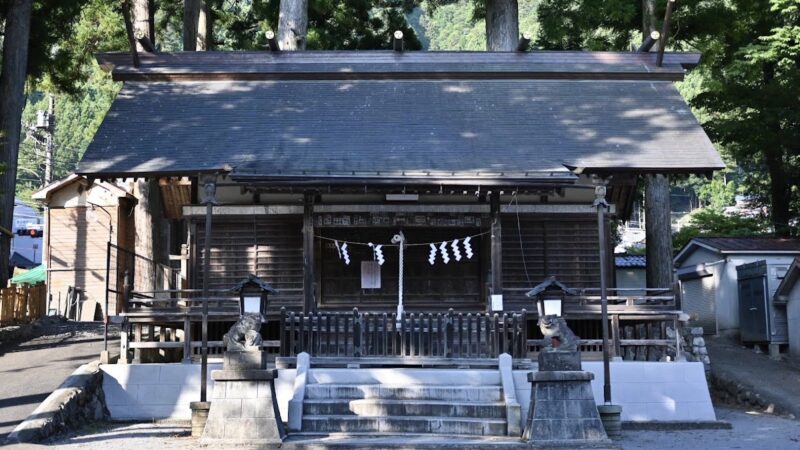
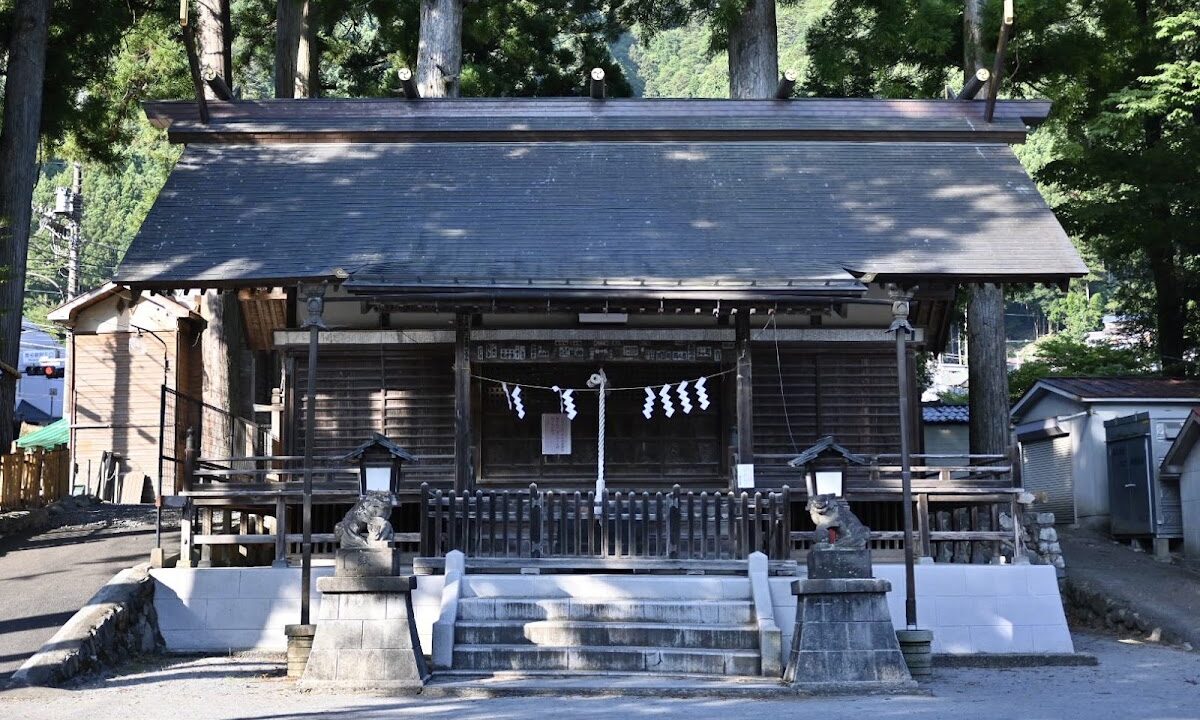
The shrine buildings of Okuhikawa Shrine exhibit a tranquil presence that harmonizes with the natural surroundings of Okutama. Both the main hall and the worship hall maintain the beauty of wooden architecture, creating a peaceful atmosphere befitting a shrine nestled in the mountains.
Around the shrine buildings stand ancient cedar and zelkova trees, conveying a sense of solemnity befitting a sacred place. Especially in the early morning and at dusk, sunlight filtering through the trees illuminates the grounds, creating a mystical scene.
Confluence of the Tama River and Hihara River
The most distinctive feature of the shrine is its location. Situated at the confluence of the Tama River and Hihara River, where two clear streams meet, it symbolizes the ancient worship of water sources.
From the shrine grounds, one can see the flow of both rivers, and the constant sound of water brings a sense of healing and purification to visitors. Especially during the seasons of fresh greenery and autumn leaves, the natural beauty created by the river and forest captivates visitors.
Water Basin and Approach
At the water basin within the shrine grounds, you can purify yourself with the pure water of Okutama. Because it is close to the mountain’s water source, the water quality is excellent, making it ideal for purification before worship.
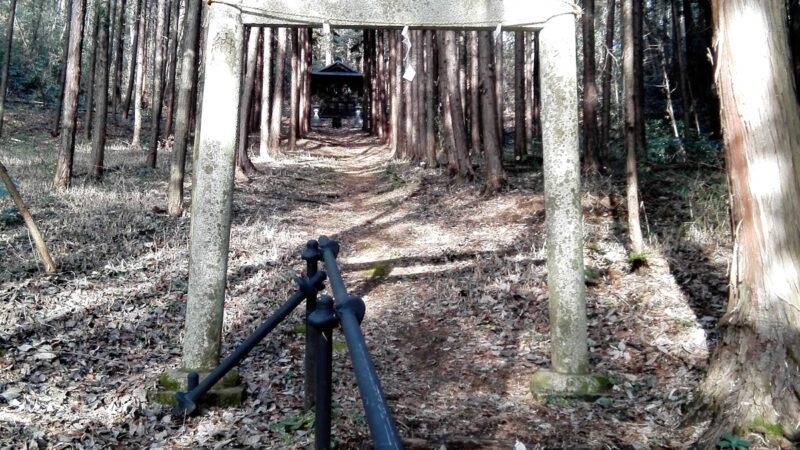
The approach to the shrine is only about a 2-minute walk from Okutama Station, yet stepping inside envelops you in tranquility, far removed from the hustle and bustle of the city. The stone steps of the approach serve as a time for calming the mind.
Cultural Properties
Historical Buildings
Okuhikawa Shrine retains buildings that tell the story of its long history. The main hall preserves the architectural style from the late Edo period to the Meiji period, making it a valuable resource for understanding the architectural history of the region.
The carvings and decorations of the shrine buildings showcase the craftsmanship of the time, and the intricate details of the design captivate viewers. In particular, the carvings on the wooden brackets and transoms are exquisite, allowing visitors to fully appreciate the beauty of the shrine architecture.
Stone Structures
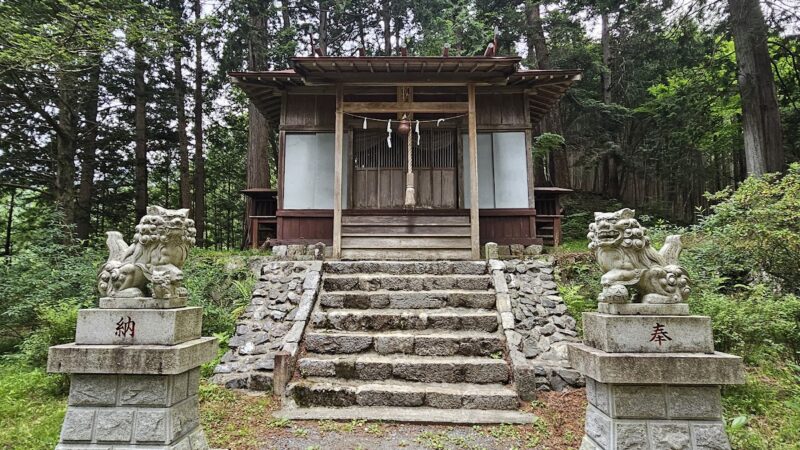
Within the shrine grounds are stone structures such as stone lanterns and guardian lion-dogs donated from the Edo period to the early Showa period. These demonstrate the deep faith of the local residents and are cultural assets that convey the changes in stonemasonry techniques over time.
Of particular note are the stone monuments inscribed with old dates. These inscriptions offer insights into the history of the shrine and its relationship with the local community, making them valuable resources for local history research.
Ancient Documents Held by the Shrine
It is said that Okuhikawa Shrine possesses ancient documents related to its restoration during the Jogan era and the reform of the shrine system during the Meiji period. These documents are important historical materials for understanding the development of Hikawa worship in Musashi Province and the history of the region.
While not open to the public, research is being conducted by scholars, and future research findings are anticipated.
Access Information
Access by Train
Approximately 2 minutes on foot from JR Ome Line “Okutama Station”
Okuhikawa Shrine is located very close to Okutama Station, the terminal station of the JR Ome Line. Upon exiting the station and heading south, you will immediately see the entrance to the shrine.
Access from central Tokyo is also relatively good; transfer to the Ome Line at JR Chuo Line Tachikawa Station, and you will arrive in about an hour. From Shinjuku Station, you can access the shrine without transfers using the Holiday Rapid Okutama train (please check the operating days).
Access by Car
Approximately 60 minutes via National Route 411 from Chuo Expressway “Hachioji IC”
If visiting by car, exit the Chuo Expressway at Hachioji IC and head towards Okutama via National Route 411 (Takiyama Kaido/Ome Kaido). The route involves mountain roads, so caution is required while driving.
While there is no dedicated parking lot near the shrine, you can use the public parking lots around Okutama Station. However, these can get crowded on weekends and during hiking season, so using public transportation is recommended.
Combining with Nearby Sightseeing
Okutama Town is known as a tourist destination rich in nature, and you can combine a visit to Okuhikawa Shrine with exploring the surrounding tourist spots.
There are plenty of attractions, including the Nippara Limestone Cave, Lake Okutama, and Mount Mitake. Hiking trails along the Tama River are also well-maintained, allowing you to enjoy nature in all four seasons.
Goshuin (Shrine Seal) Information
Issuance of Goshuin
Okuhikawa Shrine offers goshuin (shrine seals) to visitors. The goshuin features the calligraphy of “Okuhikawa Shrine” and the shrine’s seal, making it a popular memento of your visit.
Goshuin are generally issued during the shrine office’s opening hours. However, since priests may be absent, it is recommended to contact the shrine in advance if you wish to be sure to receive a goshuin.
Goshuincho (Stamp Book)
Whether or not original goshuincho are available may vary depending on the time of your visit. Bringing a standard goshuincho will allow you to receive stamps without any problems.
Many visitors undertake the “Sansha-mairi” (Three Shrine Pilgrimage), visiting all three Hikawa shrines in Musashi Province. Collecting the stamps from all three shrines allows you to experience the overall picture of Hikawa worship.
Annual Events and Festivals
Grand Festival
The Grand Festival of Okuhikawa Shrine is held every autumn. Local residents participate in the festival, which includes traditional events such as a portable shrine procession and the dedication of kagura (sacred dance).
During the Grand Festival, stalls line the shrine grounds, attracting many visitors. It is a deeply rooted local event and a characteristic autumn scene in Okutama.
New Year’s Visit
Many visitors, mainly local residents, come for their first shrine visit of the New Year. The New Year, celebrated in the crisp air of Okutama, offers a refreshing and ideal environment for praying for a safe and peaceful year.
On New Year’s Day morning, many people visit to witness the first sunrise, creating a quiet yet solemn atmosphere around the shrine.
Other Annual Events
Various Shinto rituals are held throughout the year, including the spring Kinensai (harvest festival), the summer Natsukoshi no Harae (summer purification ritual), and the autumn Niinamesai (harvest festival). These events pray for a bountiful harvest and the peace and prosperity of the region, preserving ancient forms of faith.
Okuhikawa Shrine and the Nature of Okutama
Seasonal Scenery
The charm of Okuhikawa Shrine lies in its natural beauty throughout the seasons.
Spring: Cherry blossoms and fresh greenery adorn the shrine grounds, giving a sense of vibrant life. The cherry tree-lined banks of the Tama River are particularly magnificent.
Summer: The shrine grounds, enveloped in deep greenery, are cool and ideal as a summer retreat. This is a pleasant season for listening to the gentle murmur of the river.
Autumn: The mountains are painted in vibrant autumn colors, and the shrine grounds are enveloped in the beauty of the season’s splendor. The autumn foliage in Okutama is among the most beautiful in Tokyo.
Winter: The snow-covered shrine grounds exude a sense of tranquility and solemnity. Visiting the shrine in the crisp winter air is a purifying experience for both mind and body.
The Charm of a Power Spot
In recent years, Okuhikawa Shrine has gained attention as a power spot. Located at the confluence of the Tama River and the Hihara River, where the energies of two rivers meet, it is believed to possess strong purifying and healing powers.
Many visitors report feeling a sense of purification, especially when visiting in the refreshing morning air. Despite its proximity to the city center, its environment, surrounded by deep nature, offers a precious healing space for modern people.
Manners and Precautions for Visiting a Shrine
Basic Shrine Visiting Etiquette
The basic etiquette for visiting a shrine is as follows:
- Bow before passing through the torii gate
- Cleanse your hands and mouth at the water basin
- Walk on the path, avoiding the center
- Bow twice, clap twice, and bow once in front of the main hall
- Bow again at the torii gate when leaving
By observing these manners, you can show respect to the gods.
Clothing and Belongings
Okuhikawa Shrine is located in a mountainous area, so appropriate clothing for the season is important. Even in summer, mornings and evenings are cool, and winters are very cold, so warm clothing is necessary.
Also, if you plan to walk around the area, we recommend wearing comfortable shoes. While the hiking trail along the Tama River is well-maintained, there are also mountain trails, so sneakers are suitable.
Photography
Photography is generally permitted within the shrine grounds, but it may be advisable to refrain from taking photos inside the shrine buildings or during religious ceremonies. If you have any questions, we recommend checking with the shrine priests or the shrine office.
Also, please be mindful of proper etiquette when taking photos so as not to disturb other visitors.
Nearby Attractions
Okutama Tourist Spots
When visiting Okuhikawa Shrine, exploring the surrounding tourist spots will allow you to experience the charm of Okutama more deeply.
Nippara Limestone Cave: One of the largest limestone caves in the Kanto region, where you can explore a mysterious underground world.
Okutama Lake: An artificial lake formed by a dam, offering a magnificent landscape created by the beautiful lake surface and surrounding mountains.
Mount Mitake: An ancient sacred mountain accessible by cable car. Musashi Mitake Shrine is also located here.
Hiking Courses
Okutama Town has a variety of hiking courses suitable for beginners to advanced hikers. The promenade along the Tama River is a popular course for easily enjoying nature.
With its fresh greenery in spring, the coolness of summer, the vibrant autumn foliage, and the tranquility of winter, each season offers its own unique charm, and you’ll discover something new with every visit.
Summary
Okuhikawa Shrine, as the inner sanctuary of the three Hikawa shrines of Musashi Province, is a precious shrine that preserves ancient beliefs to this day. It boasts a history of being founded by Yamato Takeru, restored during the Jogan era, and protected by the local people up to the present day.
Its naturally rich location at the confluence of the Tama River and the Hihara River, the three enshrined deities—Susanoo-no-Mikoto, Kushinadahime-no-Mikoto, and Oonamuchi-no-Mikoto—and the beautiful scenery of each season deeply impress visitors.
Located in the secluded Okutama area, accessible in about two hours from central Tokyo, this pilgrimage experience, where you can purify your mind and body and feel the energy of nature, will be a precious time for modern people. For a journey to experience the history of Musashi Province and the Hikawa faith, and to be healed by the nature of Okutama, please visit Okuhikawa Shrine.