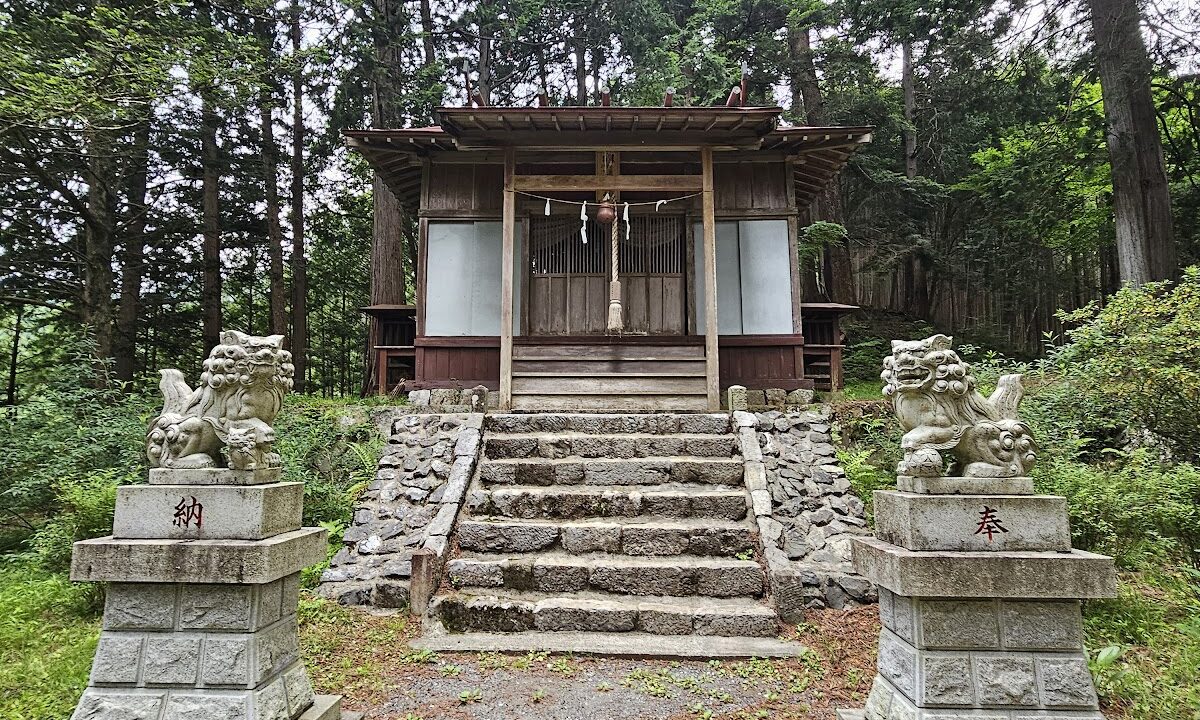
Complete Guide to Haguro Mita Shrine (Tokyo) | History, Goshuin (Shrine Seal), and Access Information
Located in Okutama-cho, Nishitama-gun, Tokyo, Haguro Mita Shrine is a venerable shrine with a history of over 1000 years. Known as a candidate for the Anazawa Tenjin Shrine listed in the Engishiki Jinmyocho (a list of shrines compiled in the Heian period), it is situated in a tranquil location surrounded by the rich nature of Okutama. This article comprehensively introduces the latest information you should know before visiting Haguro Mita Shrine, including its history, enshrined deities, visiting information, and access methods.
Basic Information on Haguro Mita Shrine
Location and Access Overview
Location: 1365 Hikawa, Okutama-cho, Nishitama-gun, Tokyo 198-0212
Haguro Mita Shrine is located approximately 13 minutes on foot from Okutama Station on the JR Ome Line, about 740 meters in a straight line. It sits at an altitude of approximately 480 meters, in a quiet environment surrounded by the mountains of Okutama.
Deities Enshrined
The following deities are enshrined at Haguro Mita Shrine:
- Takamimusubi-no-kami: God of creation and generation
- Sukunahikona-no-kami: God of medicine, hot springs, and exorcisms
- Ame-no-hohi-no-mikoto: Ancestral deity of the Izumo no Kuni no Miyatsuko (Izumo provincial governor)
These deities are believed to possess divine virtues closely related to people’s lives, such as abundant harvests, healing from illness, and bringing good fortune.
Annual Festival Date
The annual festival of Haguro Mita Shrine is held every year on August 10th. Local people gather, and the traditional festival is passed down.
History of Haguro Mita Shrine
Founding and Beginning as Anazawa Tenjin
The history of Haguro Mita Shrine dates back to Jogan 2 (860). According to shrine tradition, the shrine’s origins date back to when Haji no Ason Gyōki (or possibly Haji no Muraji Gyōki), a native of Izumo Province, traveled to the eastern provinces and received a divine revelation upon visiting Mount Ontake. He then enshrined the two deities, Takamimusubi-no-kami and Sukunahikona-no-kami, and named the shrine “Anazawa Tenjin”.
This Anazawa Tenjin is considered one of the candidate shrines for the “Anazawa Tenjin Shrine” listed in the Engishiki Jinmyōchō (a list of shrines compiled in the Heian period) in Tama District, Musashi Province, suggesting that it was an important place of worship in this region since ancient times.
The Enshrinement of Haguro Gongen and the Changes in the Shrine’s Name
A major turning point occurred in the history of Haguro Mita Shrine during the Muromachi period.
In Eikyō 6 (1434), Haguro Ōkami, who had been enshrined in Motosu-no-mori, was welcomed, and the shrine came to be called “Haguro Daigongen”. This is thought to indicate a connection to the Hagurosan faith, one of the three sacred mountains of Dewa in Yamagata Prefecture.
Furthermore, in Eisho 1 (1504), Mita Danjo-no-chu Tsuguhide, said to be the 16th-generation descendant of Taira no Masakado, rebuilt the shrine. The Mita clan was a samurai family that controlled the Okutama Valley and wielded considerable influence in the region.
Later, in Eiroku 9 (1566) June, the Mita clan, who controlled the Okutama Valley, enshrined Haguro-no-kami together with the other deities, establishing the current form of the shrine. It is believed that at this time, the arrangement of Haguro Gongen as the main shrine and Anazawa Tenjin as a combined shrine was established.
Changes after the Meiji Restoration
The Meiji Restoration’s decree separating Shinto and Buddhism brought about significant changes to shrines throughout Japan. Haguro Mita Shrine was no exception, and during the Meiji era, the official name “Haguro Mita Shrine” was established, which it remains to this day.
This shrine’s name, a fusion of the relationship between Haguro Gongen and the Mita clan, and the history of Anazawa Tenjin, tells the story of the shrine’s complex history.
Importance as a Shikinaisha (Shrine Listed in the Engishiki)
The Engishiki Jinmyocho and Anazawa Tenjin Shrine
The Engishiki Jinmyocho is an important historical document compiled in the 5th year of the Engi era (927 AD) during the mid-Heian period, recording major shrines throughout Japan. It lists a Shikinaisha called “Anazawa Tenjin Shrine” in Tama District, Musashi Province, and Haguro Mita Shrine is considered one of the candidate shrines for this one.
A “candidate shrine” refers to a shrine that is a candidate when there are multiple candidates for the location or identification of a Shikinaisha. Other candidate shrines for Anazawa Tenjin Shrine include the Anazawa Tenjin Shrine in Inagi City, but Haguro Mita Shrine is considered one of the strong candidates due to its founding history and the characteristics of its enshrined deities.
Center of Faith in the Ancient Tama Region
Shrines identified as Shikinaisha (shrines listed in the Engishiki) are evidence of particularly important religious sites in the region during ancient times. The fact that Haguro Mita Shrine, despite being located in the mountainous Okutama area, is considered a Shikinaisha indicates that this region was a living area for people from ancient times, and that the worship of the grain god was deeply rooted there.
Shrine Grounds and Cultural Properties
Shrine Grounds
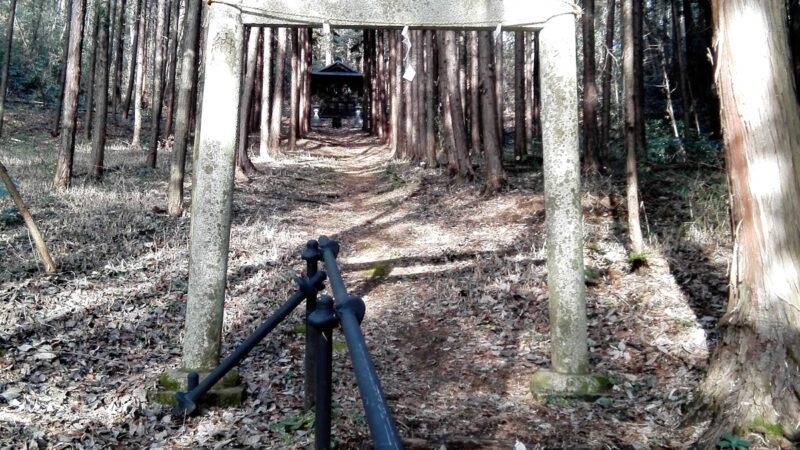
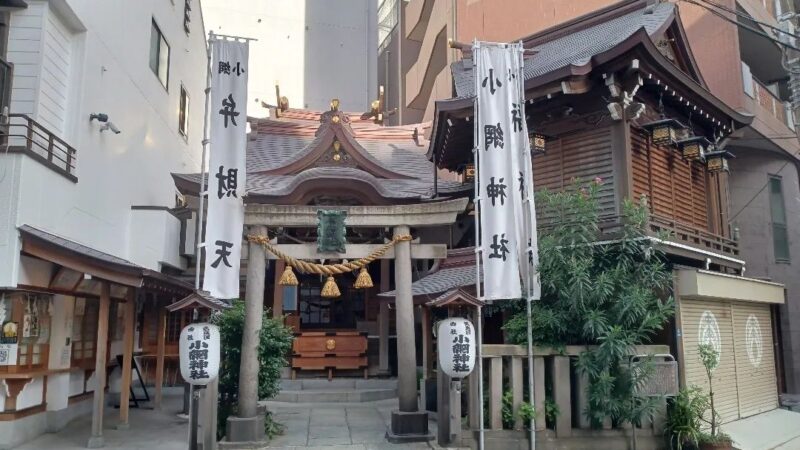
The grounds of Haguro Mita Shrine possess a tranquil atmosphere surrounded by the nature of Okutama. Located at an altitude of approximately 480 meters, the grounds offer views of the Okutama mountains, allowing visitors to experience the changing seasons.
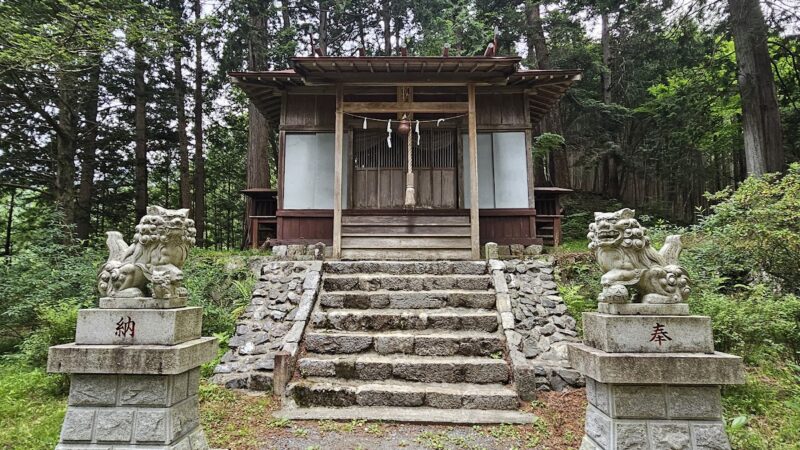
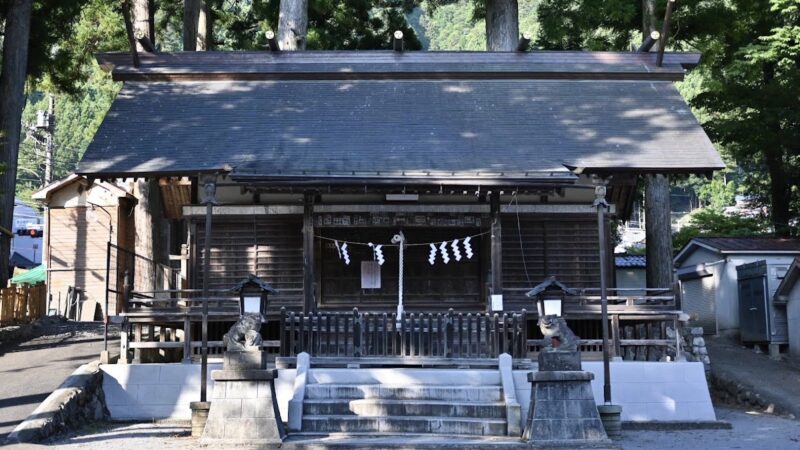
The shrine buildings, though simple, exude a sense of historical weight, conveying that they have been protected by the local people for many years.
Surrounding Natural Environment
One of the charms of Haguro Mita Shrine is its rich natural environment. Okutama Town, while part of Tokyo, is blessed with deep mountains and clear streams, attracting many tourists, especially during the autumn foliage season.
Near the shrine, visitors can experience the natural beauty of the Okutama mountains up close, and many stop by to pay their respects during hikes and climbs.
Goshuin (Shrine Seal) Information
Regarding the Issuance of Goshuin
It is recommended to check the latest information regarding the issuance of goshuin at Haguro Mita Shrine before visiting. Since some shrines in Okutama Town do not have resident priests, those wishing to receive a goshuin should inquire in advance or check local information.
Some visitor records report receiving goshuin, but availability may vary depending on the time of day and day of the week.
Tips for Goshuin Pilgrimage
Besides Haguro Mita Shrine, the Okutama area is dotted with other historical shrines and temples. When planning a goshuin pilgrimage, it is recommended to plan a route that efficiently visits multiple shrines.
Detailed Access Information
Access by Train
Nearest Station: JR Ome Line “Okutama Station”
- From JR Shinjuku Station: Take the JR Chuo Line to Tachikawa Station or Ome Station, then transfer to the Ome Line and get off at Okutama Station (approximately 2 hours).
- From JR Tokyo Station: Take the JR Chuo Line to Tachikawa Station, then transfer to the Ome Line and get off at Okutama Station (approximately 2 hours and 15 minutes).
It’s about a 13-minute walk from Okutama Station to Haguro Mita Shrine. Exit the station and walk through the streets of Okutama.
Detailed Walking Route
The walking route from Okutama Station to Haguro Mita Shrine is as follows:
- Exit Okutama Station and head towards National Route 411 (Ome Kaido).
- Walk through the residential area of Hikawa district, following the signs.
- You will arrive at Haguro Mita Shrine in approximately 13 minutes.
The route is relatively flat, but there are some uphill sections. We recommend wearing comfortable walking shoes.
Access by Bus
Nishi-Tokyo Bus operates from Okutama Station, and you can also take a bus towards Lake Okutama. However, the nearest bus stop to Haguro Mita Shrine is not far from the station, so walking is the more common option.
Access by Car
By Car:
- Approximately 60 minutes from the Hachioji IC on the Chuo Expressway via National Route 411 (Ome Kaido)
- Approximately 50 minutes from the Ome IC on the Ken-O Expressway via National Route 411
Parking Information:
Information regarding the shrine’s dedicated parking is limited, so we recommend using public parking lots around Okutama Station or checking in advance. Alternatively, you can park at tourist facilities or roadside stations in Okutama Town and access the shrine on foot.
Precautions When Accessing
- The Okutama area is mountainous, so there is a possibility of snowfall and icy roads in winter.
- There are few streetlights after sunset, so we recommend visiting during daylight hours.
- Please check the latest traffic and weather information before visiting.
Manners and Hours for Visiting
Visiting Hours
Haguro Mita Shrine is generally open for worship all day, but the shrine office’s operating hours may be limited. If you wish to receive a Goshuin (temple/shrine stamp) or amulet, it is best to visit during daytime hours (around 9:00 AM to 4:00 PM).
Etiquette for Visiting a Shrine
The basic etiquette for visiting a shrine is as follows:
- Bow before passing through the torii gate: As a sign of respect before entering the sacred area.
- Purify yourself at the water basin: Purify your left hand, right hand, and mouth in that order.
- Worship in front of the main hall: Two bows, two claps, and one bow is the basic form.
- Walk around the grounds: Quietly stroll around the grounds and feel the atmosphere of the shrine.
- Bow when leaving the torii gate: Express your gratitude when leaving the sacred area.
Nearby Attractions and Recommended Spots
Around Okutama Station
Okutama Tourist Information Center
The tourist information center adjacent to Okutama Station provides tourist information for the Okutama area. Hiking maps and the latest local information are available, so it is recommended to stop by before visiting the shrine. Restaurants in Okutama
Around Okutama Station, you’ll find numerous restaurants using local ingredients. Enjoy regional cuisine such as Okutama soba noodles, wild vegetable dishes, and river fish dishes.
Natural Spots in Okutama
Lake Okutama
Lake Okutama, located about 15 minutes by bus from Okutama Station, is an important water source for Tokyo and is known for its beautiful scenery. The autumn foliage season (late October to mid-November) offers particularly spectacular views.
Okutama Loop Road
The loop road around the Okutama mountains is perfect for driving and cycling. Enjoy the changing seasons, and from observation points, you can enjoy panoramic views of the Kanto Plain.
Mount Mitake
Mount Mitake, a sacred mountain representative of the Okutama area, has long been an object of mountain worship. It’s accessible by cable car, and you can enjoy visiting Musashi Mitake Shrine and hiking in the rock garden.
Nearby Shrines and Temples
Hikawa Shrine (Okutama Town)
There are several Hikawa Shrines within Okutama Town, making them a central point of local faith. Visiting them together with Haguro Mita Shrine will allow you to gain a deeper understanding of Okutama’s history and culture.
Shrines in Ome City
Ome City, located on the way to Okutama, boasts numerous historical shrines, including Sumiyoshi Shrine, known for the Ome Grand Festival and serving as the lower shrine of Musashi Mitake Shrine.
Pilgrimage Plan Combined with Okutama Sightseeing
Day Trip Model Course
Morning: Visit Haguro Mita Shrine and Explore Okutama
- 9:00 Arrive at Okutama Station
- 9:15 Visit Haguro Mita Shrine (13-minute walk)
- 10:00 Explore the area around Okutama Station, gather information at the tourist information center
- 11:00 Lunch at Okutama Soba
Afternoon: Enjoy the Nature of Okutama
- 12:30 Travel to Lake Okutama by bus
- 13:00 Explore the area around Lake Okutama, enjoy the scenery from Tsukiyomi Daiichi Parking Lot
- 15:00 Return to Okutama Station
- 16:00 Take the train back from Okutama Station
Plan Combined with Hiking
Okutama is also known as a mecca for hiking. It is possible to plan a hiking route that includes a visit to Haguro Mita Shrine.
Beginner Route
- Okutama Station → Haguro Mita Shrine → Hikawa Promenade → Okutama Station (Estimated time: approx. 2 hours)
Intermediate Route
- Okutama Station → Haguro Mita Shrine → Atagoyama Mountain → Okutama Lake → Bus to Okutama Station (Estimated time: approx. 4 hours)
Special Autumn Foliage Season Plan
From late October to mid-November, Okutama is a popular spot for viewing autumn foliage and attracts many tourists. Visiting during this period allows you to combine a visit to Haguro Mita Shrine with autumn leaf viewing.
- Arrive at Okutama Station in the early morning
- Enjoy a quiet morning visit to Haguro Mita Shrine
- Enjoy the autumn foliage along the Okutama Loop Road and at Lake Okutama
- Relax and unwind at a hot spring facility
History and Culture of Okutama Town
Regional History of Okutama
Okutama Town is located at the westernmost tip of Tokyo, a mountain town bordering Yamanashi and Saitama Prefectures. Forestry has flourished there since ancient times, and it prospered as a production area for high-quality timber known as “Okutama timber.”
During the Edo period, it developed as a post town on the Ome Kaido road, playing an important role as a transportation route for timber and lime. The Hikawa district, where Haguro Mita Shrine is located, is one of the central areas of Okutama Town and has long been a center of people’s lives.
The Mita Clan and Okutama
The Mita clan, deeply involved in the history of Haguro Mita Shrine, was a samurai family claiming descent from Taira no Masakado, and ruled the Okutama region during the medieval period. The Mita clan is believed to have controlled key locations in the Okutama Valley, establishing mountain castles and governing the region.
The fact that Mita Danjo-no-Chū Tsuguhide rebuilt the Haguro Mita Shrine in 1504 (Eishō 1) indicates the significant influence the Mita clan held in this region.
Mountain Worship and Haguro Shugendō
The enshrinement of Haguro Gongen at Haguro Mita Shrine is rooted in the flourishing mountain worship tradition from the medieval to early modern periods. The worship of Mount Haguro, one of the three sacred mountains of Dewa, spread throughout Japan in conjunction with Shugendō (mountain asceticism), and was even embraced in mountainous regions like Okutama.
It is also deeply connected to the worship of Mount Ontake, suggesting that the entire Okutama area was an important center of mountain worship.
Visitor Voices and Experience Records
Charms Seen from Visitor Records
Visitors who have come to Haguro Mita Shrine have shared the following comments:
- Tranquil Atmosphere: A simple shrine not commercialized for tourism, allowing for peaceful worship.
- Sense of Oneness with Nature: Surrounded by the rich nature of Okutama, it offers a soul-cleansing experience.
- Weighing History: The presence of a shrine with over 1000 years of history is inspiring.
- Easy Access: Within walking distance of Okutama Station, making it easily accessible.
Photography Tips
When visiting Haguro Mita Shrine, here are some photography tips:
- Front of the Shrine: The historical presence of the shrine building.
- View from the Grounds: The scenery with the Okutama mountains in the background.
- Seasonal Nature: The ever-changing scenery of the four seasons, such as the fresh greenery of spring and the autumn foliage.
- The Approach to the Shrine: A tranquil atmosphere along the approach.
When visiting, please be considerate of other worshippers and be mindful of the sacred nature of the place when taking photographs.
Seasonal Highlights
Spring (March-May)
In spring, Okutama is beautiful with its fresh greenery, and the area around Haguro Mita Shrine is enveloped in a vibrant atmosphere. When the mountain cherry blossoms bloom, you can feel the arrival of spring within the shrine grounds.
Summer (June-August)
Summer is the season for the annual festival. On August 10th, local people gather for the festival, where traditional rituals are performed. Also, Okutama’s cool climate is perfect for escaping the heat of central Tokyo.
Autumn (September-November)
Autumn is the peak season for Okutama tourism. During the autumn foliage season from late October to mid-November, the area around Haguro Mita Shrine is beautifully colored. You can enjoy the autumn foliage along the Okutama Loop Road and around Lake Okutama.
Winter (December-February)
Winter in Okutama is enveloped in silence, and the snowy scenery is beautiful. Haguro Mita Shrine is sometimes covered in snow, creating a magical atmosphere. However, caution is needed regarding icy roads.
Accommodation and Hot Springs in Okutama
Accommodation in Okutama
Okutama town offers a variety of accommodations, including guesthouses, inns, and ryokans. You can enjoy a relaxing stay while fully experiencing Okutama’s nature.
Day Trip Hot Spring Facilities
Okutama Onsen Moegi no Yu
This day trip hot spring facility is located about a 10-minute walk from Okutama Station. It’s perfect for relaxing after visiting Haguro Mita Shrine or hiking. You can spend a leisurely time while enjoying the scenery of Okutama.
Okutama’s Local Products and Souvenirs
Okutama Wasabi
Wasabi grown in the clear streams of Okutama is known for its fragrant aroma and strong spiciness. Various products are sold, including fresh wasabi and pickled wasabi.
Okutama Wood Crafts
Crafts made from high-quality Okutama wood are also popular. A wide variety of warm and inviting products, such as wooden tableware and small items, are available.
Local Sake and Craft Beer
Local sake and craft beer made with Okutama’s pure water are also noteworthy. Famous sakes such as “Sawanai” are classic souvenirs for Okutama tourists.
Summary: The Significance of Visiting Haguro Mita Shrine
Haguro Mita Shrine is a historical shrine that has attracted worshippers in the Okutama region for over 1000 years since its founding in 860 AD. Haguro Mita Shrine boasts a complex and fascinating history, including its status as a Shikinaisha (a shrine listed in the Engishiki, an ancient Japanese legal text), its deep connection to the Mita clan, and its syncretism with Haguro Gongen.
Its convenient location within walking distance of Okutama Station and its surrounding rich natural environment make it a valuable pilgrimage spot easily accessible from central Tokyo. Experiencing the history of this Shikinaisha while being soothed by the nature of Okutama will provide a special escape from everyday life.
Why not plan a visit to Haguro Mita Shrine in conjunction with your Okutama sightseeing? Experience the charm of Okutama, where history and nature harmonize.
When visiting, we recommend checking the latest information and observing proper etiquette, being mindful that it is a sacred place. Enjoy a peaceful time at Haguro Mita Shrine, which displays different expressions throughout the seasons.