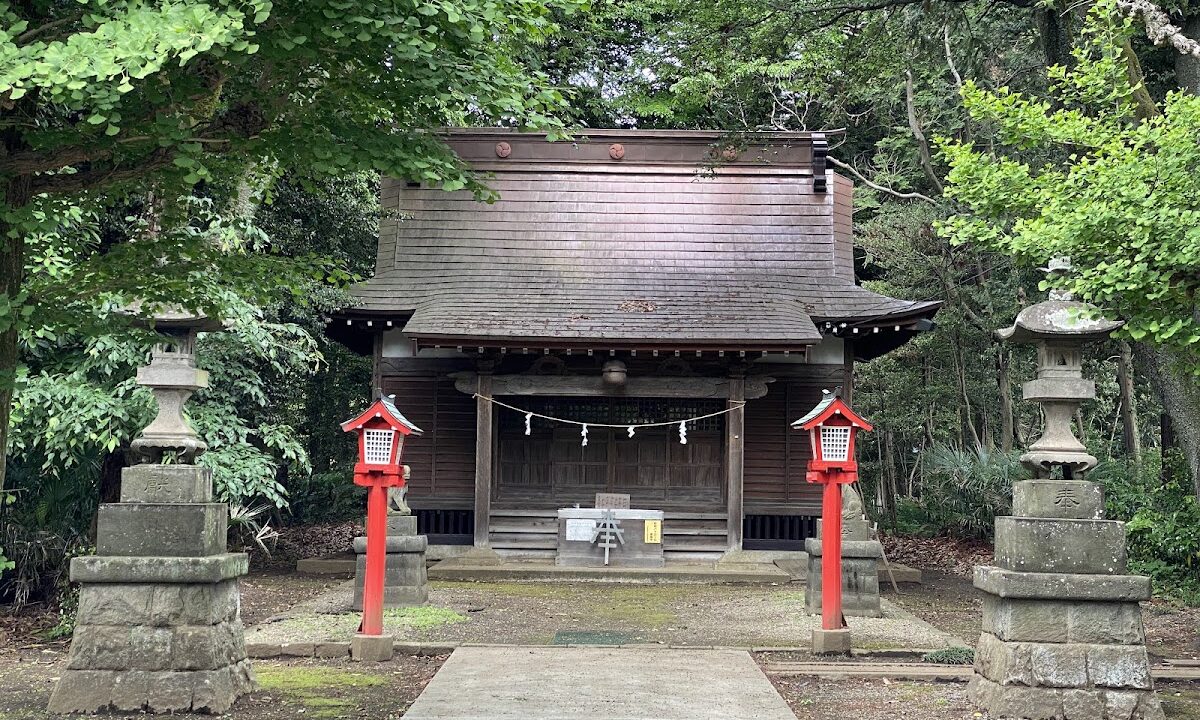
Motosayama Shrine (Tokyo) Complete Guide | Detailed Explanation of History, Deities, Access, and Festival Information
Motosayama Shrine is a shrine located in Komagata Fujiyama, Mizuho-machi, Nishitama-gun, Tokyo. It has a history of being formed during the Taisho era by merging four shrines, and is cherished by many worshippers as the local guardian shrine. This article provides a comprehensive overview of Motosayama Shrine, including its detailed history, enshrined deities, access methods, and festival dates.
Basic Information on Motosayama Shrine
Location and Access
Location: 609 Komagata Fujiyama, Mizuho-machi, Nishitama-gun, Tokyo
Motosayama Shrine is located approximately 2km north-northeast of Hakonegasaki Station on the JR Hachiko Line, in the town of Komagata Fujiyama. The distance from the nearest station is approximately 2,129m in a straight line.
Access by Public Transportation
- Get off at Hakonegasaki Station on the JR Hachiko Line.
- Take the Seibu Bus bound for Iruma City Station.
- Get off at the “Nokyo-mae” bus stop and walk for about 2 minutes.
- The bus ride from the station takes about 20 minutes.
Walking from Hakonegasaki Station takes about 25 minutes, but enjoying the scenery of Mizuho Town while visiting the shrine is also a pleasant experience.
Access by Car
There are parking spaces in the surrounding area, but congestion is expected during events such as the annual festival, so we recommend using public transportation.
Annual Festival and Main Events
Annual Festival: April 15th
In addition to the annual festival, Motosayama Shrine also holds New Year’s Day festivals and other events. These festivals are known for the performance of the “Takane Bayashi,” a traditional music passed down in the region, and play an important role in preserving the region’s traditional culture.
History and Origins of Moto-Sayama Shrine
The Circumstances of the Merger of Four Shrines
The origins of Moto-Sayama Shrine date back to 1918 (Taisho 7). It began with the relocation and merger of four shrines scattered throughout what was then Moto-Sayama Village, Iruma District, Saitama Prefecture (present-day Mizuho Town, Nishitama District, Tokyo), into the center of the village.
The four shrines merged are as follows:
- Komagata Shrine
- Takane Shrine
- Yakumo Shrine
- Koyasu Shrine
Each of these shrines had a long history as a center of local faith, but with the changing times, they were consolidated in the center of the village and became one under the new name “Moto-Sayama Shrine.”
Connection to Local History
The name Moto-Sayama Village originates from the fact that this area once belonged to the Sayama region of Musashi Province. Mizuho Town is currently part of Tokyo, but historically it has deep ties to Saitama Prefecture, and Moto-Sayama Shrine can be considered a witness to that history.
The fact that, amidst the Taisho era’s policy of consolidating shrines, the shrine chose to maintain itself in a new form while preserving local beliefs speaks to the deep faith of the local residents.
About the Enshrined Deities
Due to the circumstances of the shrine’s consolidation, many deities are enshrined at Moto-Sayama Shrine. According to the records of the Tokyo Metropolitan Shrine Association, the following deities are enshrined there:
Main Deities Enshrined
- Komagata-shin
- Kushinada-hime no Mikoto
- Susanoo no Mikoto
- Onamuchi no Mikoto
- Watatsumi Toyotama-hime no Mikoto
- Kagutsuchi no Mikoto
- Kukuri-hime no Mikoto
- Izanagi no Mikoto
- Izanami no Mikoto
- Konohanasakuya-hime no Mikoto
- Ukanomitama no Mikoto
- Amaterasu Omikami
- Ajisukitakahikone-no-Mikoto
- Oyamatsumi-no-Mikoto
- Takeminakata-no-Kami
Deities Inherited from Each Shrine
Some sources list Susanoo-no-Mikoto, Konohanasakuya-hime-no-Mikoto, and Yamato Takeru-no-Mikoto as the principal deities. This is thought to reflect the principal deities of each shrine before their merger.
- From Yakumo Shrine: Susanoo-no-Mikoto (God of protection against misfortune and disease)
- From Koyasu Shrine: Konohanasakuya-hime-no-Mikoto (God of safe childbirth and child-rearing)
- From Komagata Shrine: Komagata-no-Kami (Guardian deity of horses and god of traffic safety)
- From Takane Shrine: Various deities
Because of the diverse deities enshrined here, Motosayama Shrine is a place where people visit seeking a wide range of blessings, including protection from misfortune, family safety, abundant harvests, safe childbirth, and traffic safety.
Shrine Grounds and Highlights
Shrine Building and Grounds
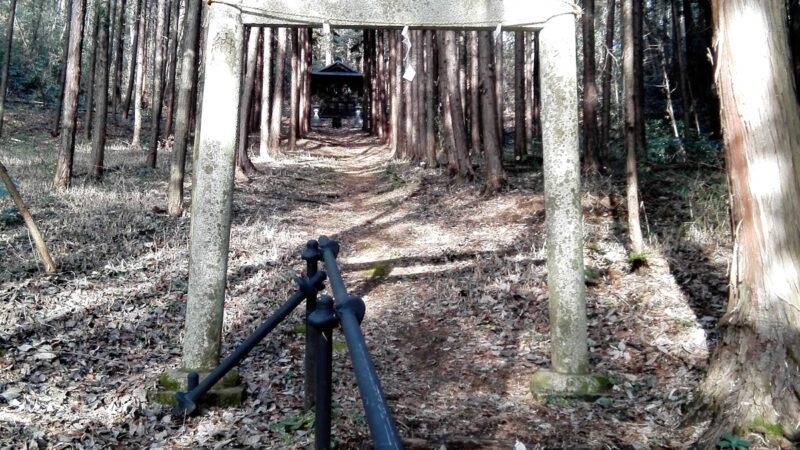
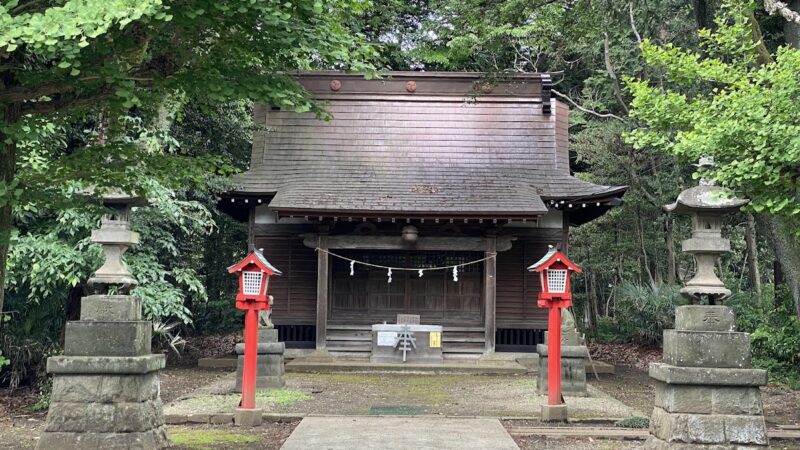
The grounds of Motosayama Shrine are quietly situated within the residential area of Komagata Fuji. The grounds, which were developed when four shrines were merged during the Taisho era, are still carefully preserved as the center of local faith.
The shrine building is a traditional wooden shrine structure, creating a warm and welcoming atmosphere for visitors. The shrine grounds retain elements that convey the history of each shrine before their merger, allowing visitors to experience the region’s history.
Komainu and Stone Sculptures
Komainu (guardian lion-dogs) are placed along the shrine’s approach, watching over worshippers. These stone sculptures are valuable cultural assets that convey the faith of the local people and the history of their dedications to the shrine.
The Tradition of Takane Bayashi
One of the characteristics of Motosayama Shrine is the transmission of the traditional performing art, “Takane Bayashi.” This music is performed during festivals such as the annual festival and the New Year’s Day festival, and is carefully preserved as an intangible cultural asset of the region.
Takane Bayashi is a tradition inherited from the Takane Shrine before its merger, and its lively sounds of flutes and drums enliven the festivals. Activities to pass on this tradition are also being carried out among the younger generation in the region, ensuring the continuation of the culture.
Etiquette and Manners for Visiting a Shrine
Basic Etiquette for Visiting a Shrine
When visiting Motosayama Shrine, follow the general etiquette for visiting a shrine.
- Bow before passing through the torii gate.
- Purify your body and mind at the water basin. (Left hand, right hand, mouth, handle of the ladle in that order)
- In front of the main hall:
- Bow slightly
- Place your offering
- Ring the bell
- Bow twice, clap twice, and bow once
- Bow once when leaving the torii gate.
Mindset During Visiting a Shrine
A shrine is a sacred place. Visit quietly and calmly, and express your gratitude to the gods. Motosayama Shrine, as the guardian deity of the region, watches over the people who live in this area and those connected to it.
Relationship with Surrounding Shrines
Differences from Sayama Shrine
In addition to “Moto-Sayama Shrine,” there is also “Sayama Shrine” in Mizuho Town. Sayama Shrine is located at 1 Hakonegasaki, Mizuho Town, and is a separate shrine with Izanagi-no-Mikoto and Izanami-no-Mikoto as its main deities.
Sayama Shrine is said to be one of the 500 shrines invited by Minamoto no Yoritomo to the Kanto region. It also has a history of Minamoto no Yoshiie encamping there during his conquest of Oshu, experiencing a spiritual dream, and inviting the Hakone deities to the shrine. The exact founding date is unknown, but it is a very old shrine.
Although Moto-Sayama Shrine and Sayama Shrine have similar names, they are completely different shrines. Please check the location before visiting.
Shrine Pilgrimage in Mizuho Town
Mizuho Town has several shrines scattered throughout, including Moto-Sayama Shrine and Sayama Shrine. If you have time, a “shrine pilgrimage” visiting several shrines is highly recommended. Learning about the unique history and characteristics of each shrine deepens our understanding of the culture and history of this region.
History and Culture of Mizuho Town
About Mizuho Town
Mizuho Town is located in the western part of Tokyo, in Nishitama District. Despite being part of Tokyo, it boasts abundant nature and farmland, offering a calm atmosphere distinct from the city center.
Historically, some areas belonged to Iruma District in Saitama Prefecture, and the name “Moto-Sayama” of Moto-Sayama Shrine reflects this history. It was incorporated into Tokyo Prefecture in 1940, and later became Tokyo Metropolis.
Komagata Fujisan District
The Komagata Fujisan district, where Moto-Sayama Shrine is located, is a historically significant area within Mizuho Town. The place name “Komagata” is thought to originate from a horse-related belief (Komagata-shin), and “Fujisan” is presumed to be related to Mount Fuji worship or Fujizuka (miniature Mount Fuji mounds).
This area retains traces of a rural village dating back to the Edo period, and a community centered around the shrine still thrives. ## Planning a Visit to Motosayama Shrine
Best Time to Visit
While Motosayama Shrine is open year-round, here are some particularly recommended times:
- Annual Festival Day (April 15th): The Takane Hayashi music is performed, allowing you to experience the atmosphere of a local festival.
- New Year’s Day: The first shrine visit of the new year and the New Year’s Day Festival are held.
- Spring to Early Summer: The weather is pleasant, making it ideal for visiting while enjoying the nature of Mizuho Town.
- Autumn: The autumn foliage season offers a tranquil atmosphere for visiting.
Nearby Attractions
The following are some of the attractions near Motosayama Shrine:
- Around Hakonegasaki Station: Convenient for resting after visiting the shrine, with shopping streets and restaurants.
- Mizuho Town Local History Museum: A facility where you can learn about the local history (Keyaki-kan).
- Sayama Shrine: Another historical shrine in Mizuho Town.
- Around Yokota Air Base: A unique atmosphere where American and Japanese cultures coexist.
Points to Note When Visiting
- As the shrine is located in a residential area, please be considerate of the nearby residents.
- Parking is limited, so using public transportation is recommended.
- Crowds are expected during events such as festivals.
- The shrine office may have limited opening hours.
Management of the Tokyo Metropolitan Shrine Association and the Shrine
Moto-Sayama Shrine is a shrine belonging to the Tokyo Metropolitan Shrine Association. The Tokyo Metropolitan Shrine Association is a religious corporation that encompasses shrines in Tokyo, and its headquarters are located in Fujimi, Chiyoda-ku.
The Tokyo Metropolitan Shrine Association provides information on shrines in Tokyo, trains Shinto priests, and supports the maintenance and management of shrines. Motosayama Shrine is a member of this network, continuing its traditional shrine operations and service to the community.
The Significance of Shrine Visits
Motosayama Shrine as a Guardian Deity
Motosayama Shrine serves as the guardian deity of the Komagata Fujiyama area and surrounding regions, providing a spiritual anchor for local residents. A guardian deity is a god who protects the people living in a particular area, watching over the safety and prosperity of the community.
The custom of visiting the guardian deity to report and express gratitude at important life events such as a baby’s first shrine visit, Shichi-Go-San (a traditional rite of passage for children), and exorcisms is still practiced today.
The Role of Shrines in Modern Society
In modern society, shrines play a vital role beyond mere religious institutions, serving as centers of local communities, places for cultural transmission, and places of peace and tranquility.
Motosayama Shrine also plays a role in strengthening community bonds by providing a place for intergenerational exchange through its activities to preserve the Takane Hayashi (traditional music) and the holding of its annual festival.
Summary
Motosayama Shrine is a shrine located in Komagata Fujiyama, Mizuho-machi, Nishitama-gun, Tokyo, which was established in 1918 by merging four shrines. It enshrines many deities and is believed to offer a wide range of blessings, including protection from evil, family safety, abundant harvests, and safe childbirth.
A distinctive feature is the preservation of the traditional performing art of Takane Hayashi, and on the day of the annual festival (April 15th), local people gather for a lively celebration.
Accessible by bus and on foot from Hakonegasaki Station on the JR Hachiko Line, the shrine grounds, nestled in a quiet residential area, are an ideal place to escape the hustle and bustle of the city and find peace of mind.
When visiting Mizuho-machi, we highly recommend visiting Motosayama Shrine and experiencing the local history and culture. This shrine, inheriting the history of four other shrines, will surely provide visitors with a quiet sense of awe and peace of mind.
As an officially recognized shrine belonging to the Tokyo Metropolitan Association of Shinto Shrines, Motosayama Shrine continues its activities rooted in the community while preserving tradition. By learning about its history and present, one can rediscover the profoundness of Japanese shrine culture and the importance of shrines in local communities.