Complete Guide to Akikawa Shinmei Shrine (Akiruno City, Tokyo) | History, Deities, Access, and Visiting Information
Akikawa Shinmei Shrine is a historic shrine located in Ushinumacho, Akiruno City, Tokyo. Affectionately known locally as “Sanno-sama,” it is known for its long history dating back to the Eiroku era and its unique history as a shrine where multiple shrines were merged. This article comprehensively introduces all information about Akikawa Shinmei Shrine, from its detailed history and enshrined deities to its cultural properties and visiting information.
Overview of Akikawa Shinmei Shrine
Akikawa Shinmei Shrine is located at 88 Higashiryugasaki, Ushinumacho, Akiruno City, and belongs to the Tokyo Metropolitan Shrine Association. While its official name is “Akikawa Shrine,” its formal name is known as “Akikawa Shinmei Shrine.”
Basic Information
Location: 88 Higashiryugasaki, Ushinumacho, Akiruno City, Tokyo
Former Shrine Rank: Village Shrine
Annual Festival Day: May 5th
Other Names: Sanno-sama, Akikawa Shrine
Jurisdiction: Tokyo Metropolitan Shrine Association, Nishitama Branch
This shrine has a complex history, having been formed during the Meiji era through the merger of a shrine originally called “Hiyoshi Sanno Daigongen” and the Shinmei Shrine in the same village.
History of Akikawa Shinmei Shrine
The history of Akikawa Shinmei Shrine dates back to the Eiroku era of the Sengoku period. Multiple traditions and records remain regarding its history, making it a valuable resource for conveying the history of the region.
Founding Legend
According to legend, a bronze mirror was cast at the end of the Eiroku era (around 1569), and this was made the sacred object of worship. However, according to more detailed records, there is also a theory that the sacred object of the Sanno Gongen of Shinsho-ji Temple (cast in 1558) drifted ashore, and there are multiple traditions regarding how the Sanno faith took root in this area.
The Era of Hiyoshi Sanno Daigongen
Initially, this shrine was enshrined as “Hiyoshi Sanno Daigongen.” Sanno faith is a belief in Hiyoshi Taisha (Sanno Gongen), the guardian deity of Enryaku-ji Temple on Mount Hiei, and it was a form of faith that spread throughout Japan from the medieval to the early modern period. In the Ushinuma area, this Sanno faith also functioned as a spiritual pillar of the community.
Merger with Shinmei Shrine
With the start of the Meiji era, amidst the progress of the Shinto-Buddhist Separation Order and the Shrine Merger Policy, a significant change occurred in 1910. The village shrine Shinmei Shrine, which was enshrined within Tokushige-in Temple in Ushinuma Village, and Sanno Gongen were merged, and the shrine was given the new name “Akikawa Shinmei Shrine.” This merger brought together two distinct religious traditions—Sanno faith (Hiyoshi faith) and Shinmei faith (Amaterasu Omikami faith)—into a single shrine, resulting in the distinctive composition of deities enshrined at Akikawa Shinmei Shrine today.
Enshrined Deities
Akikawa Shinmei Shrine enshrines many deities, reflecting its history of mergers. According to records of the Tokyo Metropolitan Shrine Association, the following deities are enshrined:
Main Deities
- Amenominakanushi-no-Mikoto: The supreme god who appeared first in the creation of heaven and earth
- Kuninosokotachi-no-Mikoto: The primordial god of land formation
- Amaterasu-Omikami: The supreme god of Japanese mythology, the sun goddess
- Takamimusubi-no-Mikoto: One of the creator gods
- Sukunabikona-no-Mikoto: A small god who helped build the country
- Sarutahiko-no-Mikoto: The god of opening paths
- Okuninushi-no-Mikoto: The god of nation-building, the god of matchmaking
- Ukemochihime-no-Mikoto: Goddess of Food
These enshrined deities are the result of the integration of Amaterasu-Omikami, who originated from Shinmei Shrine, deities originating from Sanno Gongen, and various deities worshipped in the region. This shrine possesses a wide range of divine virtues, from creation gods to gods of nation-building and deities closely related to daily life.
History of Akikawa Shinmei Shrine according to the Tokyo Shrine Directory
The “Tokyo Shrine Directory,” compiled by the Tokyo Shrine Association, contains the following description of Akikawa Shinmei Shrine:
It is officially called “Akikawa Shrine,” and it is clearly stated that it was originally called “Hiyoshi Sanno Daigongen,” and that it was renamed “Akikawa Shinmei Shrine” after being merged with the Shinmei Shrine in the same village. A tradition is also recorded that a bronze mirror was cast as the sacred object at the end of the Eiroku era, officially acknowledging that this shrine has a history dating back to the end of the Sengoku period.
The History of Akikawa Shinmei Shrine According to the Shinpen Musashi Fudoki-ko
The Shinpen Musashi Fudoki-ko, a local history compiled in the late Edo period, contains records of the shrine that was the predecessor of Akikawa Shinmei Shrine.
According to the Fudoki-ko, several small shrines existed in Ushinuma Village, suggesting that they functioned as the center of the village’s faith. In particular, the relationship between Sanno Gongen and Shinsho-ji Temple is recorded, making it a valuable record that conveys the state of affairs during the Meiji era of syncretism of Shinto and Buddhism.
Furthermore, Shinmei Shrine is listed as a village shrine and is noted to have been under the management of Tokushige-in Temple. These records are important historical materials for understanding the state of affairs before the Meiji-era merger.
The History of Akikawa Shinmei Shrine According to the Akikawa City History
The Akikawa City History, compiled by the former Akikawa City (present-day Akiruno City), describes Akikawa Shinmei Shrine in a more detailed context of local history.
According to the city history, the Ushinuma area developed as an agricultural region in the Akigawa River basin, with several temples and shrines functioning as spiritual pillars of the community. The establishment of Akigawa Shinmei Shrine is noted as part of an effort to integrate and maintain local faith amidst the Meiji-era policy of consolidating and abolishing shrines.
The legend that the sacred object of Sanno Gongen from Shinsho-ji Temple drifted ashore suggests a possible connection to the Akigawa River’s flooding and is an interesting record illustrating the relationship between the region’s natural environment and faith.
Cultural Properties Held by Akigawa Shinmei Shrine
Akigawa Shinmei Shrine houses cultural properties that tell the story of its long history.
Bronze Mirror
The most important possession is a bronze mirror said to have been cast during the Eiroku era. This mirror has been enshrined as a sacred object and is a valuable cultural property that conveys the metalworking techniques of the late Sengoku period. Believed to have been cast in 1558 (Eiroku 1) or around the end of the Eiroku era (1569), it is a symbolic object of the shrine with a history of over 450 years.
Other Shrine Treasures
Given the shrine’s history of merged deities, it is believed to possess various ritual implements and offerings inherited from the former Sanno Gongen and Shinmei Shrines. These are important materials for understanding the history of local faith.
Shrine Grounds
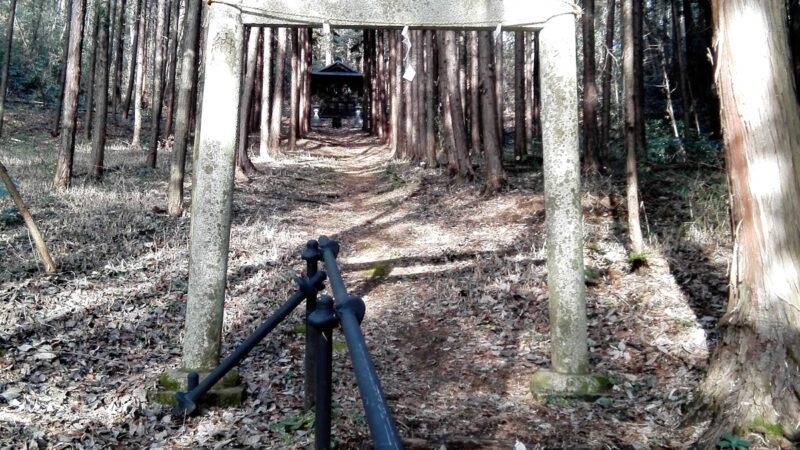
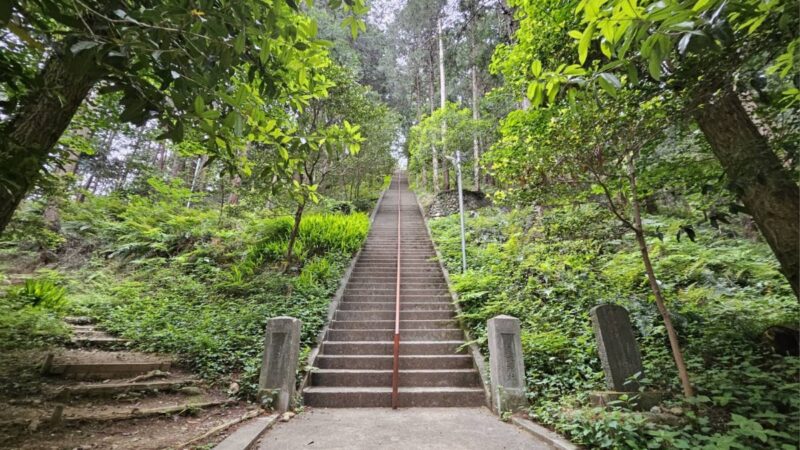
The grounds of Akigawa Shinmei Shrine are located in a quiet residential area of Ushinumacho, Akiruno City. It is close to the Akigawa River basin and surrounded by a tranquil rural landscape.
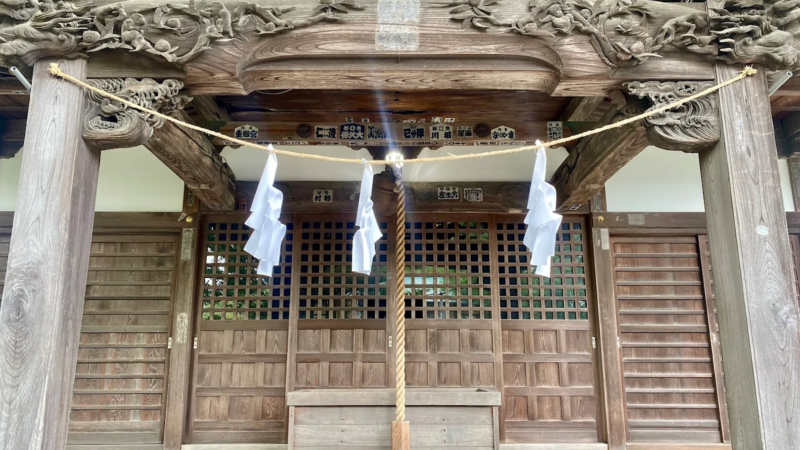
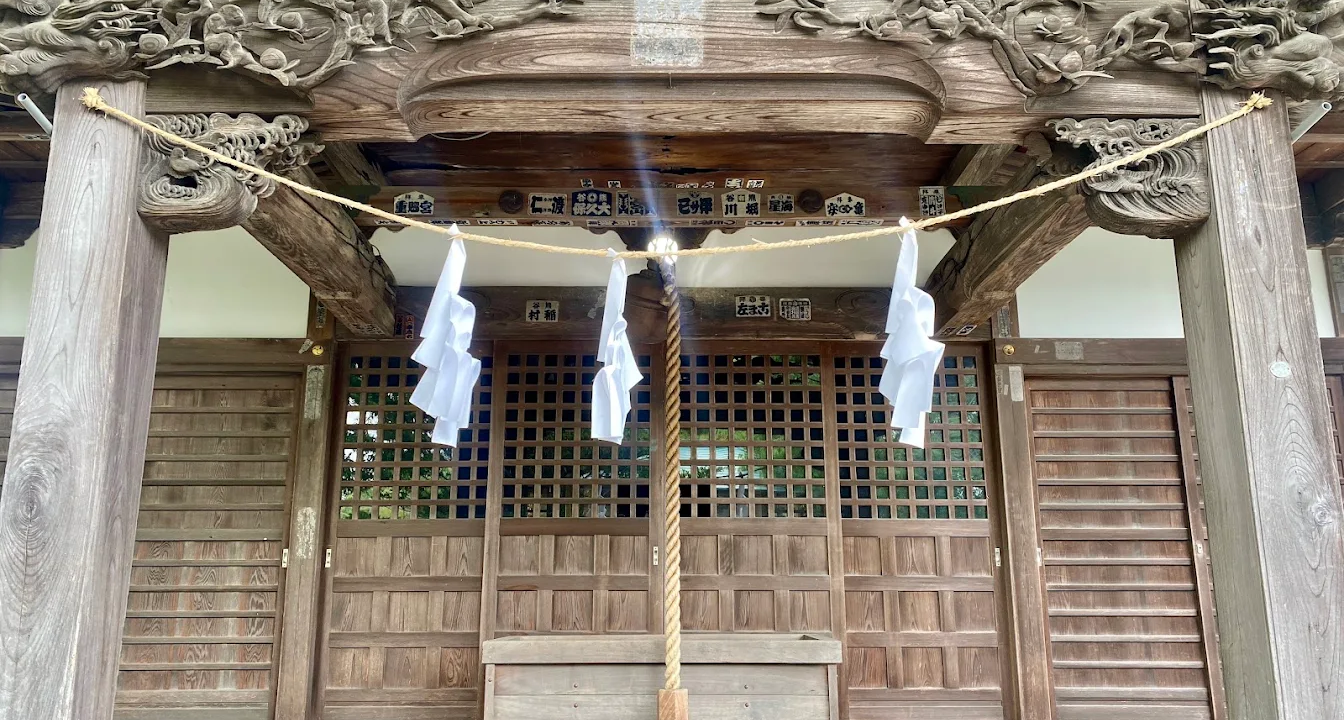
The grounds include the main hall and worship hall, and it is cherished by local people as the guardian deity of the region. The affectionate nickname “Sanno-sama” suggests its function as a place of worship deeply rooted in the community.
On May 5th, the day of the annual festival, local people gather for a traditional festival. The timing coinciding with the Boys’ Festival (Tango no Sekku) is thought to reflect the local community’s wish for the healthy growth of children.
Access and Transportation Information
Here’s how to access Akigawa Shinmei Shrine.
Access by Train
Nearest Station: JR Itsukaichi Line “Akigawa Station”
It’s about a 15-20 minute walk from Akigawa Station. Head northwest from the station, cross the Akigawa River, and enter the Ushinumacho area.
Access by Bus
You can also use the Nishi-Tokyo Bus from JR Akigawa Station. Take a bus bound for Ushinumacho, and it’s a few minutes’ walk from the nearest bus stop.
Access by Car
Major Roads: Accessible from National Route 411 (Takiyama Kaido) or Tokyo Metropolitan Route 7 (Ome Kaido)
From the Akiruno Interchange area, follow the city signs to the Ushinumacho area. While there may be limited parking space around the shrine, using public transportation is recommended for visitors. ### Address
88 Higashiryugasaki, Ushinumacho, Akiruno City, Tokyo 197-0003
Visiting Information
Visiting Hours
Akigawa Shinmei Shrine is generally open for free visits. While the grounds are accessible during the day, it is recommended to avoid early morning and late evening visits and instead visit during daylight hours.
Visiting Etiquette
Follow the basic etiquette for visiting a shrine.
- Bow before passing through the torii gate
- Cleanse your hands and mouth at the water basin
- Offer your donation in front of the main hall
- Pray with two bows, two claps, and one bow
- When leaving the grounds, turn back at the torii gate and bow once.
Goshuin (Shrine Seals) and Souvenirs
The availability of goshuin and souvenirs may vary depending on the size of the shrine and whether staff are permanently stationed there. It is recommended to contact the Tokyo Metropolitan Shrine Association or the shrine directly in advance.
Nearby Attractions
Around Akigawa Shinmei Shrine, there are many attractive spots in Akiruno City.
Akigawa Valley
This valley, surprisingly rich in nature for being within Tokyo, is perfect for hiking and barbecues. It’s especially popular with tourists during the autumn foliage season.
Akiru Shrine
A representative ancient shrine of Akiruno City, known as an Engishiki-listed shrine. Visiting it along with Akigawa Shinmei Shrine is highly recommended.
Itsukaichi Local History Museum
A local history museum where you can learn about the region’s history and culture. It provides useful information for understanding the historical background of Akigawa Shinmei Shrine.
Akigawa Shinmei Shrine’s Connection to the Community
Akigawa Shinmei Shrine is not merely a historical building; it continues to function as a central presence in the local community.
Role as a Guardian Deity
As the guardian deity of the Ushinuma district, it serves as a spiritual pillar for the local residents. It is used as a place for prayer at important life milestones such as a baby’s first shrine visit, Shichi-Go-San (a traditional rite of passage for children), and exorcism.
Annual Events
Starting with the annual festival on May 5th, various events are held throughout the year, including the New Year’s visit and the Setsubun festival, contributing to the preservation of local traditional culture.
A Witness to Local History
Akigawa Shinmei Shrine, with a history dating back to the Sengoku period (Warring States period), has witnessed the changes in the region. Despite undergoing the major transformation of shrine consolidation during the Meiji era, its history of preserving local faith is an important part of Akiruno City’s cultural identity.
Summary
Akigawa Shinmei Shrine is a shrine with a unique history, dating back to the Eiroku era (1558-1570) and having evolved through the transformation of shrine consolidation during the Meiji era. Affectionately known as “Sanno-sama” by the community, it enshrines a diverse array of deities, including Amaterasu Omikami, and continues to function as a spiritual pillar of the region.
Located in Akiruno City, Tokyo, a region blessed with abundant nature despite its proximity to the city center, Akigawa Shinmei Shrine is an attractive spot where you can enjoy historical exploration and nature walks simultaneously. Visiting it along with the Akigawa Valley and surrounding shrines and temples will allow you to delve deeper into the region’s history and culture.
Akigawa Shinmei Shrine maintains a tranquil environment despite its convenient location near Akigawa Station on the JR Itsukaichi Line. When visiting Akiruno City, why not pay a visit? You’ll be able to feel how this shrine, with over 450 years of history, continues to thrive alongside the local community.