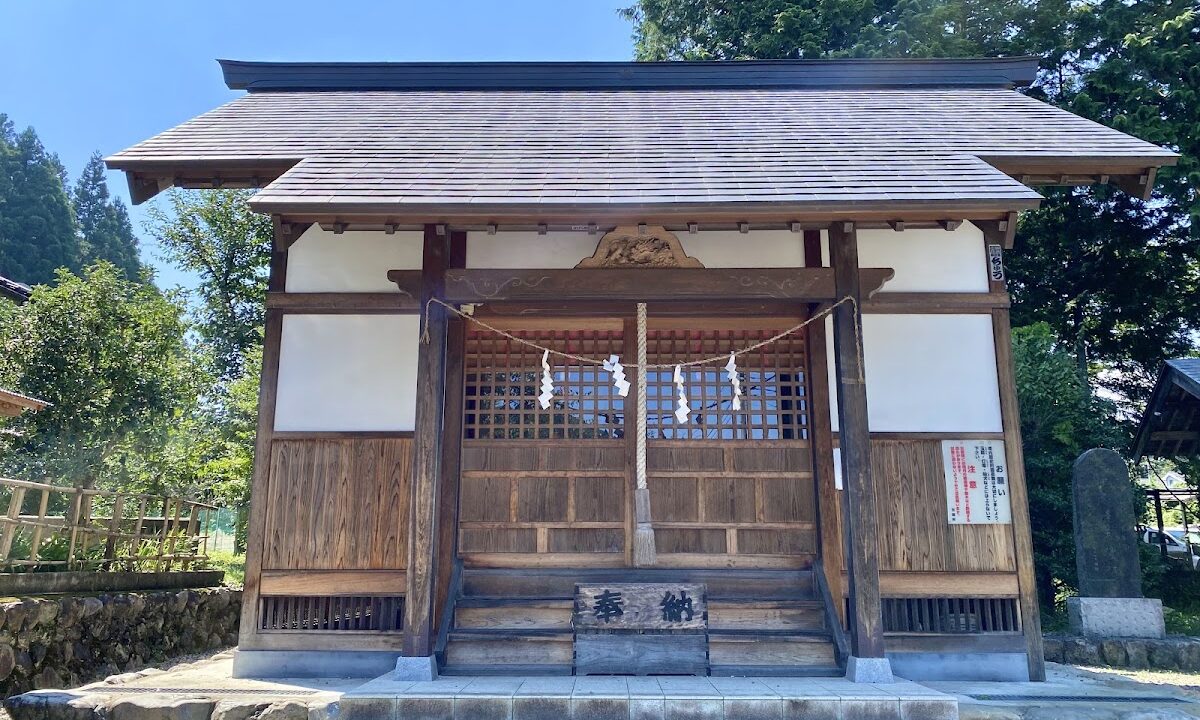
Inazawa Tenjin Shrine (Hinode-machi, Tokyo) Complete Guide | History, Goshuin (Shrine Seals), Festivals, and Access Information
Inazawa Tenjin Shrine, located in the Okuno district of Hinode-machi, Nishitama-gun, Tokyo, is a historic shrine dedicated to Sugawara no Michizane, known as the god of learning. Situated in a quiet mountainous area away from the city center, it has long been cherished by the local people. This article provides detailed information you should know before visiting Inazawa Tenjin Shrine, including its history, enshrined deities, blessings, annual events, and access methods.
Basic Information about Inazawa Tenjin Shrine
Location and Access
Address
1387 Okuno, Hinode-machi, Nishitama-gun, Tokyo 190-0181 (Some sources list it as 1386)
Nearest Station
The nearest station is Musashi-Itsukaichi Station on the JR Itsukaichi Line. The shrine is approximately a 24-minute walk from the station, covering a distance of about 1.8 km.
Transportation Options
- Walking: From Musashi-Itsukaichi Station, head towards the Okuno area via the national highway. Enjoy the scenic beauty of the mountainous region along the way.
- By Car: It is recommended to check parking availability in advance. The surrounding area is a mix of residential areas and forests.
- By Bus: Nishi-Tokyo Bus routes may be available, but the number of services is limited, so checking the timetable is necessary.
Basic Shrine Data
- Shrine Rank: Village Shrine (Former Shrine Rank)
- Deity Enshrined: Sugawara no Michizane
- Head Shrine: Kitano Tenmangu Shrine (Kamigyo-ku, Kyoto City, Kyoto Prefecture), Dazaifu Tenmangu Shrine (Dazaifu City, Fukuoka Prefecture)
- Religious Corporation Registration: Independent shrine not affiliated with the Tokyo Metropolitan Shrine Association
- Annual Festival Day: Sunday closest to the Tenjin-ko festival on January 25th
History and Origins of Inazawa Tenjin Shrine
Circumstances of Founding
While there are no clear records regarding the founding date of Inazawa Tenjin Shrine, local tradition suggests that the worship of Sugawara no Michizane took root with the development of the Okuno area, and the shrine came to be worshipped as a Tenjin shrine.
The Okuno area has long been a region where agriculture, especially sericulture, flourished. From the Meiji era to the early Showa era, many farmers in this region were engaged in sericulture, and a deep-rooted belief in praying for the healthy growth of silkworms, known as “O-kaiko-sama,” and for a bountiful harvest was deeply ingrained.
Deep Connection to Sericulture
The Inazawa Tenjin Shrine’s special significance in the region stems from its close relationship with sericulture. While Sugawara no Michizane is widely known as the god of learning, in this region he was also worshipped as the guardian deity of sericulture.
Sericulture farmers regularly visited the Inazawa Tenjin Shrine to pray for the health of their silkworms and the production of high-quality cocoons. Especially before the spring sericulture season, it is said that many farmers would visit the shrine with their entire families, praying for a good harvest.
As a Center of the Local Community
The Inazawa Tenjin Shrine has functioned not only as a religious place but also as a center of the community in the Okuno district. Festivals and annual events are precious opportunities for local residents to gather together, serving as a place for intergenerational exchange.
Even today, the shrine is maintained and managed by local parishioners, and traditional festivals and events are carefully passed down.
Deities and Blessings
About Sugawara no Michizane
Sugawara no Michizane (845-903), the deity enshrined at Inazawa Tenjin Shrine, was a prominent figure in the Heian period as a nobleman, scholar, and politician. He excelled in academics from a young age and displayed exceptional talent in poetry and calligraphy.
He was highly favored by Emperor Uda and rose to the position of Minister of the Right, but was demoted to Dazaifu due to a conspiracy by the Fujiwara clan and died in despair. Afterward, a series of natural disasters occurred in Kyoto, leading to the construction of Kitano Tenmangu Shrine to appease Michizane’s vengeful spirit. He eventually became revered throughout Japan as “Tenjin-sama.”
Main Benefits
By visiting Inazawa Tenjin Shrine, you can expect the following benefits:
Academic Success and Passing Exams
Because Sugawara no Michizane was an excellent scholar, many visitors come to pray for academic success and passing exams. Especially during exam season, local students and families visit to pray for success.
Improvement in Calligraphy and Artistic Skills
Michizane is also known as a master calligrapher, and the shrine is revered by those who wish to improve their calligraphy skills and artistic talents.
Protection from Misfortune and Disaster
Tenjin worship also has an aspect as a thunder god, and is believed to offer protection from disaster and misfortune.
Prosperity in Sericulture and Industrial Development
Due to the historical background of the region, the shrine is also believed to offer benefits for the development of industries, including sericulture, and for business prosperity.
Inazawa Tenjin Shrine Grounds and Highlights
Main Hall and Worship Hall
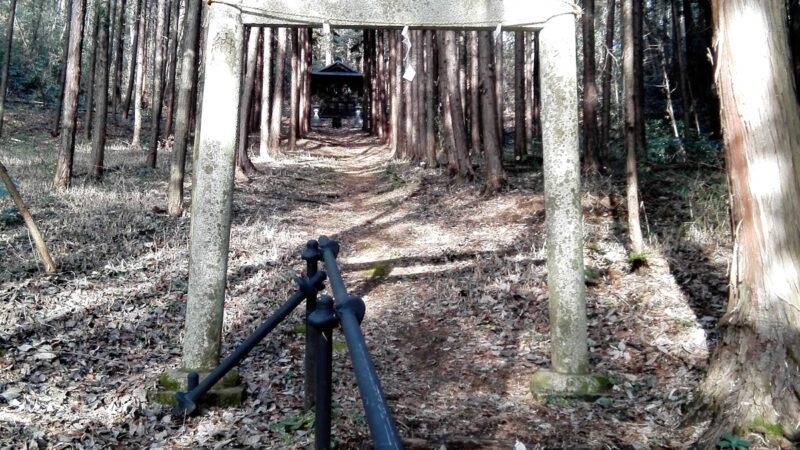
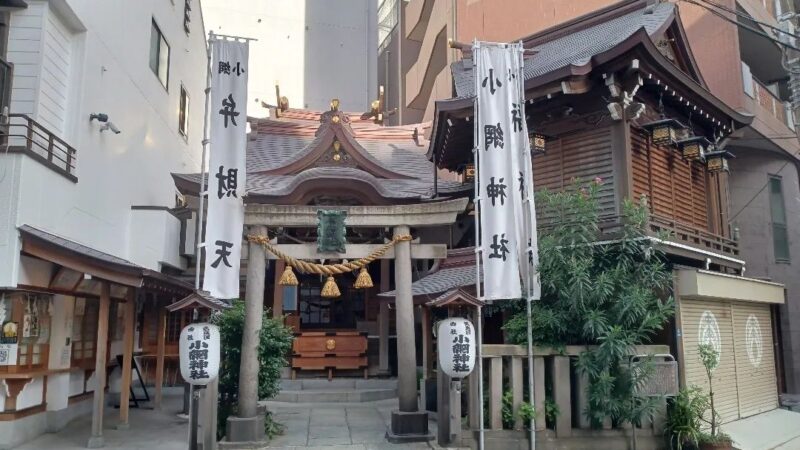
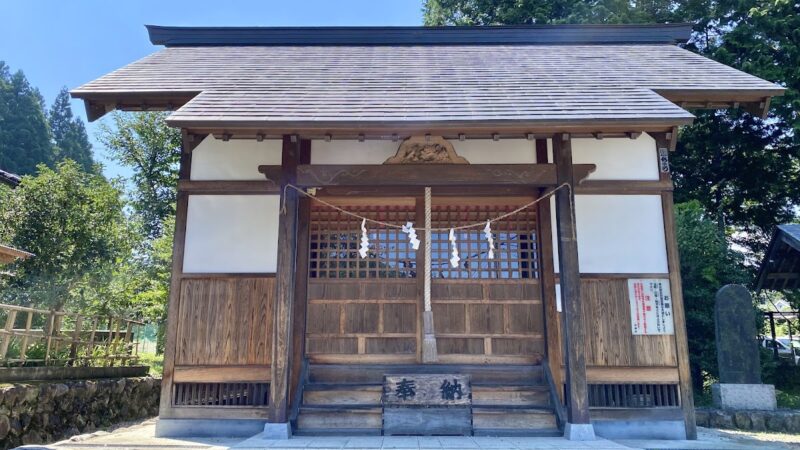
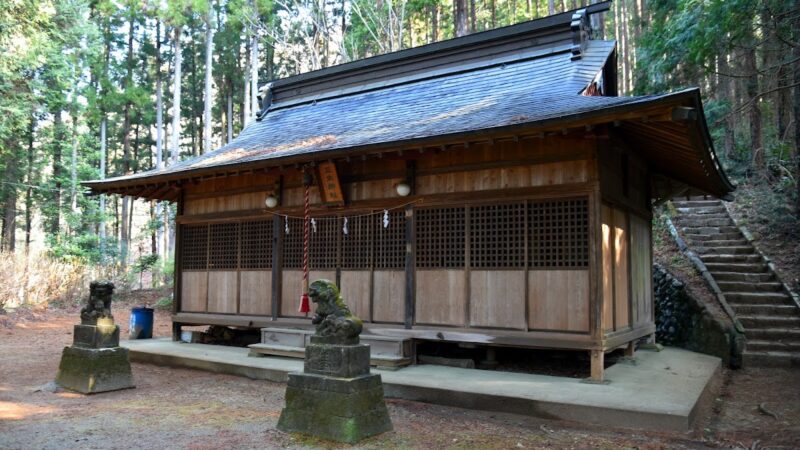
The main hall of Inazawa Tenjin Shrine is built in a quiet environment surrounded by nature in a mountainous area. Although not large in scale, it is carefully maintained by local people, preserving a clean and solemn atmosphere.
In the worship hall, worshippers can offer prayers to Sugawara no Michizane using the ritual of two bows, two claps, and one bow.
Sho-ichii Inari Daimyojin
Inazawa Tenjin Shrine is also known for enshrining “Sho-ichii Inari Daimyojin” within its grounds or nearby. This Inari deity, holding the highest divine rank of “Sho-ichii,” is worshipped as the god of abundant harvests and business prosperity.
The presence of this Inari Daimyojin indicates that Inazawa Tenjin Shrine was not merely a center of Tenjin worship, but a comprehensive center of local faith. The coexistence of Inari and Tenjin worship is an interesting example of the flexibility and diversity of Japanese folk beliefs.
Handmade Red Bean Drum
A distinctive item offered at Inazawa Tenjin Shrine is the handmade red bean drum. This small drum is made as a traditional local craft and is cherished by worshippers as a charm against evil and a symbol of good fortune.
Red has been considered a color that wards off evil since ancient times, and the sound of the drum is believed to drive away evil spirits. It is said that in the era when sericulture was thriving, this red bean drum was hung in silkworm rooms to pray for the health of the silkworms.
Even today, it is sometimes given out during festivals and other events, making it a valuable folk artifact that conveys the local culture to the present day.
Inazawa Tenjin Shrine Festival and Yubana Kagura
Tenjin-ko and Annual Festival
The most important annual event at Inazawa Tenjin Shrine is the annual festival, held on the Sunday closest to the Tenjin-ko festival on January 25th each year. This day is a traditional festival day commemorating the death anniversary of Sugawara no Michizane (February 25th in the old lunar calendar).
Tenjin-ko is a religious gathering of people who worship Tenjin-sama, and it is a form of folk religion that has continued since the Edo period. At Inazawa Tenjin Shrine, local parishioners gather on this day to pray for academic success and family safety throughout the year.
Yubana Kagura
The highlight of the Inazawa Tenjin Shrine festival is the “Yubana Kagura” (Yubana ritual). This ritual is a traditional event that began in the era when sericulture was thriving, in order to pray for the health of silkworms and a bountiful harvest.
Contents of Yubana Kagura
In the Yubana Kagura, Shinto priests prepare a cauldron of boiling water, dip bundles of bamboo leaves into the water, and sprinkle it on the worshippers. It is believed that being splashed with this water brings good health and protection from evil. The splashes of hot water dance like “flowers,” hence the name “Yubana” (hot water flower), and its beauty and mystique attract many spectators. This ritual using boiling water is rare nationwide, making the Yubana Kagura of Inazawa Tenjin Shrine a valuable folk cultural asset.
Relationship with Sericulture
For sericulture farmers, silkworms are extremely delicate creatures, requiring meticulous attention to temperature and humidity control, and disease prevention. The boiling water of the Yubana Kagura was believed to possess spiritual power to protect silkworms from disease and promote healthy growth.
Even in modern times, with the decline of sericulture, this ritual is preserved as an important cultural heritage of the region and is held annually thanks to the efforts of those who protect the tradition.
Festival Atmosphere
On the day of the annual festival, the usually quiet grounds of Inazawa Tenjin Shrine become bustling with local residents and worshippers. After the solemn Shinto rituals, including the recitation of prayers and the offering of sacred branches by the Shinto priests, the Yubana Kagura dance is performed.
Worshippers gather around the cauldron to be bathed in the spray of the Yubana (sacred mineral deposits). The sight of so many people of all ages, from children to the elderly, participating, reflects the strong bonds of the local community.
Goshuin (Shrine Seals) and Gifts
About Goshuin
Since Inazawa Tenjin Shrine is an independent shrine not belonging to the Tokyo Metropolitan Shrine Association, it is necessary to check in advance regarding the issuance of Goshuin. Because there may not always be a resident Shinto priest, those wishing to receive a Goshuin are advised to visit on festival days or other days when Shinto rituals are performed.
Goshuin typically include the shrine name, the date of visit, and the shrine’s seal. Inazawa Tenjin Shrine’s Goshuin is simple yet possesses a historical charm.
Gifts
In addition to the aforementioned red bean drum, other gifts such as amulets and votive plaques may be available. However, since the shrine office is not always open, it is best to visit on festival days or after contacting the shrine in advance if you wish to receive any amulets.
Amulets for academic success and passing exams are especially popular during exam season.
Nearby Tourist Attractions
Highlights of Hinode Town
Hinode Town, where Inazawa Tenjin Shrine is located, is situated in Nishitama District, Tokyo, and is a region dotted with rich nature and historical sites.
Mount Hinode
Mount Hinode, at an altitude of 902 meters, is a popular hiking destination, offering panoramic views of the Kanto Plain from its summit. It is a mountain climbing spot where you can enjoy nature in all four seasons.
Tsurutsuru Onsen
Known as one of Japan’s leading highly alkaline hot springs, it is affectionately known as the “Beauty Hot Spring.” It is an ideal stop after visiting Inazawa Tenjin Shrine.
Kan’yo no Sato
At the Hinode-machi agricultural product direct sales store, you can purchase fresh vegetables and local specialties grown locally.
Around Musashi-Itsukaichi Station
There are several points of interest around Musashi-Itsukaichi Station, the nearest station.
Akigawa Valley
A natural scenic spot where you can enjoy the beauty of a clear stream and lush green valley, popular as a spot for barbecues, camping, and playing in the river.
Daihiganji Temple
An ancient temple known as the temple of white bush clover, where magnificent bush clover flowers adorn the temple grounds in autumn.
Itsukaichi Local History Museum
A museum where you can learn about the history and culture of the region, including exhibits on the history of sericulture.
Manners and Precautions for Visiting
Etiquette for Visiting
When visiting Inazawa Tenjin Shrine, please observe the following basic etiquette.
- Bow before passing through the torii gate: As a sign of respect before entering the sacred area, bow before the torii gate.
- Purify yourself at the water basin: If there is a water basin, purify your left hand, then your right hand, then your mouth.
- Avoid the center of the approach: The center of the approach is considered the path of the gods, so walk along the sides.
- Etiquette at the main hall: The basic ritual is two bows, two claps, and one bow. Place your offering in the offering box, ring the bell, and then bow.
Precautions
- Possibility of priest absence: There may not be a resident priest, so it is recommended to check in advance if you wish to receive a goshuin (temple/shrine stamp) or other items.
- Crowds on festival days: The number of visitors increases on the day of the annual festival, so please visit with plenty of time to spare.
- Mountain climate: Hinode Town is at a high altitude, and temperatures can be lower than in the city center. Please prepare appropriate clothing for the season. – Confirming Transportation: Since public transportation is limited, it’s important to check return times in advance.
Inazawa Tenjin Shrine Reviews and Reputation
Visitor Feedback
The following are comments from people who have visited Inazawa Tenjin Shrine:
Quiet and Peaceful Atmosphere
“Located in a mountainous area far from the city center, this shrine was very quiet and peaceful. Surrounded by nature, I was able to worship at a leisurely pace.”
The Power of Yunohana Kagura
“I visited on a festival day and watched the Yunohana Kagura. The sight of the hot water splashing was powerful, and I truly felt the magnificence of this traditional Shinto ritual.”
Warmth of the Community
“The local people were very kind and patiently explained the history of the shrine and its festivals. It was clear that this shrine is deeply rooted in the community.”
Access Challenge
“It’s a bit of a distance from the station, so walking there takes time. Access by car is more convenient.”
Points of Evaluation
Inazawa Tenjin Shrine is not a large-scale tourist shrine, but it is highly regarded as a valuable place that preserves the rich history and culture of the region. Traditional events, especially the Yunohana Kagura, are of high ethnological value and well worth seeing.
This shrine is especially recommended for those who want to worship at a leisurely pace in a quiet environment, and for those interested in traditional Japanese culture.
Summary: The Charm of Inazawa Tenjin Shrine
Located in Hinode-machi, Nishitama-gun, Tokyo, Inazawa Tenjin Shrine is a historic shrine dedicated to Sugawara no Michizane, the god of learning. It has been revered by the local people since the time when sericulture flourished, and is still carefully preserved today.
The Yubana Kagura, performed at the annual festival held in January, is a rare traditional Shinto ritual nationwide and holds high value as a local cultural heritage. The unique forms of worship, such as the handmade red bean drums and the deity Shoichii Inari Daimyojin, are also interesting features.
While access may take some time, it is a precious place to visit in a quiet environment away from the hustle and bustle of the city, allowing for peaceful worship. It is recommended not only for those praying for academic success or passing exams, but also for those who want to experience traditional Japanese culture and local history.
When visiting Hinode-machi, be sure to visit Inazawa Tenjin Shrine and experience its history, traditions, and the warmth of the local people. Visiting during the annual festival will especially allow you to experience the precious cultural event of Yubana Kagura.