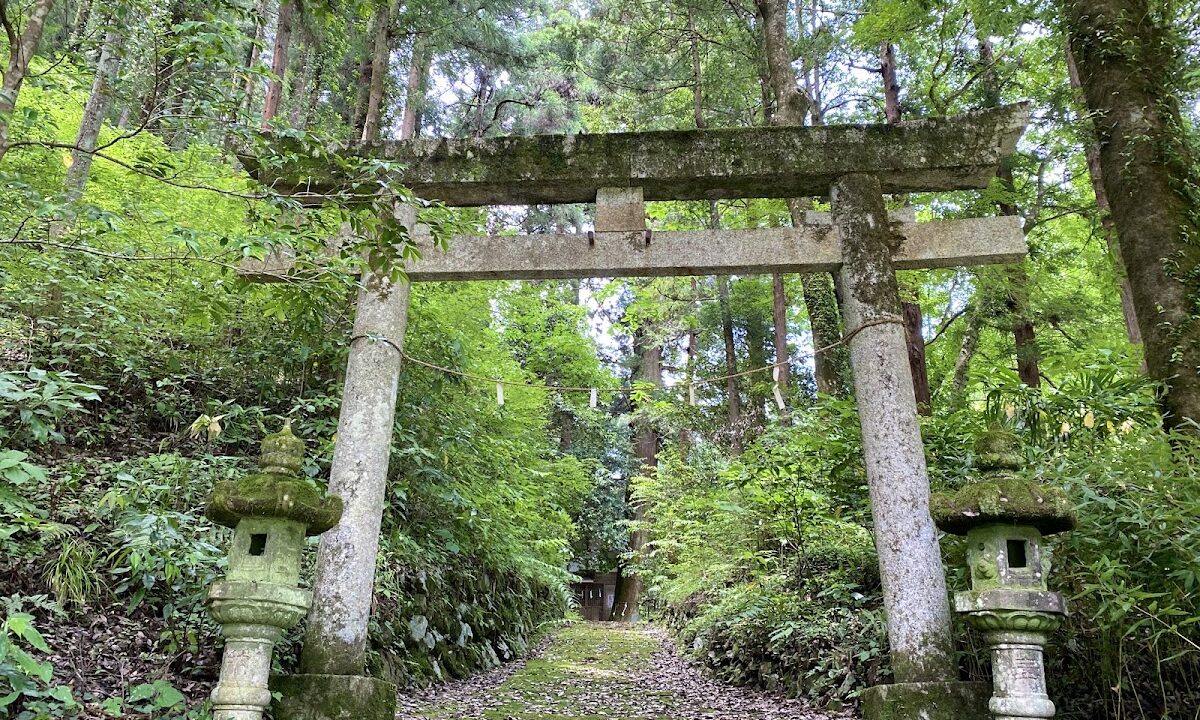
Takahara Shrine (Hinode-machi, Tokyo) Complete Guide | History, Deities, Access, and the Giant Cedar Tree (Natural Monument)
Takahara Shrine, quietly nestled in the Kanyo settlement of the Okuno district in Hinode-machi, Nishitama-gun, Tokyo, is a historic shrine that has been protected by the local people since the mid-Edo period. Also known as “Nitten-sha,” it is a rare shrine that enshrines Amaterasu-Omikami and Tsukuyomi-no-Mikoto, the gods of the sun and moon. This article provides detailed information on Takahara Shrine, including its history, deities, highlights within the grounds, access methods, and the 500-year-old giant cedar tree designated as a town natural monument.
Basic Information on Takahara Shrine
Takahara Shrine is located at 4154 Okuno, Hinode-machi, Nishitama-gun, Tokyo, and its corporate number is registered as 8013105001276. Known affectionately as “Takahara-sha” or “Nitten-sha” in the local area, it remains a cherished center of faith in the Kanyo district.
Location and Basic Data
- Official Name: Takahara-sha
- Pronunciation: Takahara-sha (Alternative name: Nitten-sha)
- Address: 4154 Okuno, Hinode-machi, Nishitama-gun, Tokyo
- Nearest Station: Hinatawada Station, JR Ome Line
- Founded: Kyoho 7 (1722)
- Deities Enshrined: Amaterasu Omikami, Tsukuyomi no Mikoto
History and Origins of Takahara-sha
Takahara-sha is a shrine established in Kyoho 7 (1722) during the mid-Edo period. The Kyoho era was a time when Tokugawa Yoshimune, as the eighth shogun, promoted the “Kyoho Reforms,” and new land development and village improvements were progressing in rural areas.
Background of the Founding in Kyoho 7 (1722)
It is believed that the shrine was built in the key settlement of the Okuno district to pray for the peace and prosperity of the region and for a bountiful harvest. In the rural society of that time, there was a strong belief in the gods who govern the blessings of nature, the sun and the moon, and the Takahara Shrine, which enshrines Amaterasu Omikami and Tsukuyomi no Mikoto, became a spiritual pillar of the local community.
About the Names “Takahara Shrine” and “Nitten Shrine”
The Takahara Shrine is also known as “Nitten Shrine.” This is thought to be because Amaterasu Omikami, the enshrined deity, is the sun goddess. There are several theories about the origin of the name “Takahara,” but it has been suggested that it may be due to its location on high ground, or that it carries the meaning of “noble plain (sacred area).”
Deities Enshrined: Amaterasu-Omikami and Tsukuyomi-no-Mikoto
Takahara Shrine enshrines two deities, a rare form of worship that simultaneously enshrines the gods of the sun and moon.
Amaterasu-Omikami
The supreme deity in Japanese mythology, the goddess who personifies the sun. Known as the principal deity of Ise Grand Shrine, she is revered as the ancestral deity of the Imperial family. The blessings of the sun are indispensable for agriculture, and she is believed to bestow divine virtues such as abundant harvests, national peace and security, and good fortune.
Tsukuyomi-no-Mikoto
The deity who personifies the moon, and is considered the younger brother of Amaterasu-Omikami. The phases of the moon have been deeply intertwined with agricultural calendars since ancient times, and because they influence the tides, he has been worshipped as the god of the calendar and the god of navigation. He is believed to protect the night and bestow divine virtues such as peaceful sleep and inner peace.
The Significance of Worshipping the Sun and Moon
By enshrining Amaterasu-Omikami and Tsukuyomi-no-Mikoto together, the shrine embodies the wish for protection of the region day and night, and for the utmost blessings of nature. This combination is rare nationwide and is a distinctive form of worship at Takahara Shrine.
Highlights of the Shrine Grounds
The grounds of Takahara Shrine are not particularly large, but they offer a deeply atmospheric space imbued with a sense of history.
Moss-Covered Approach
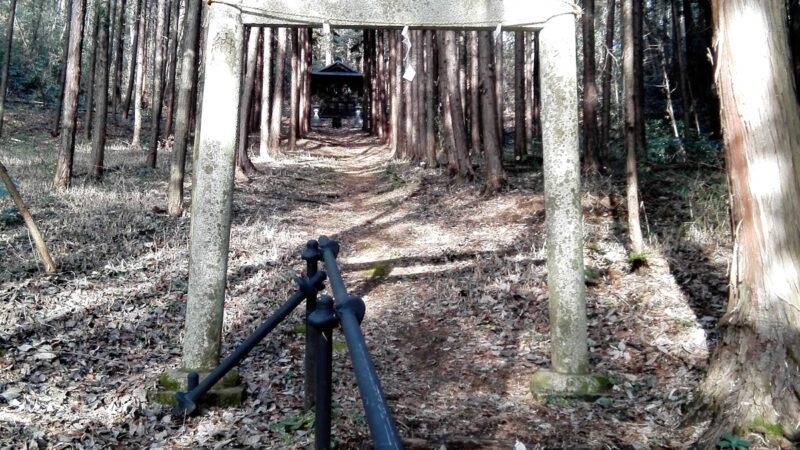
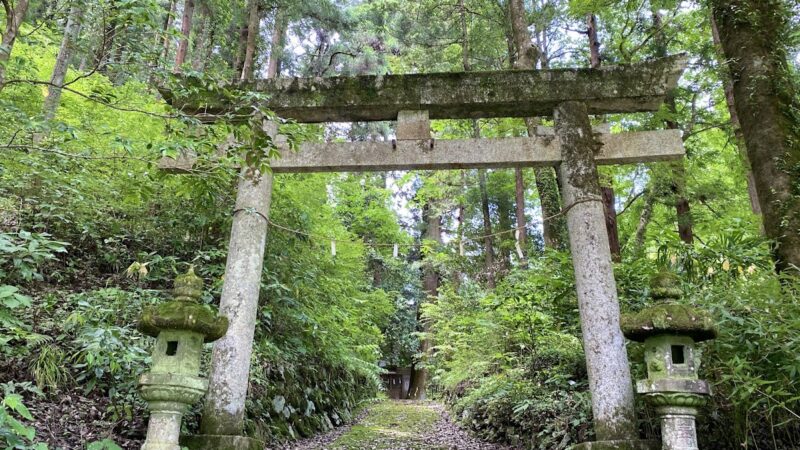
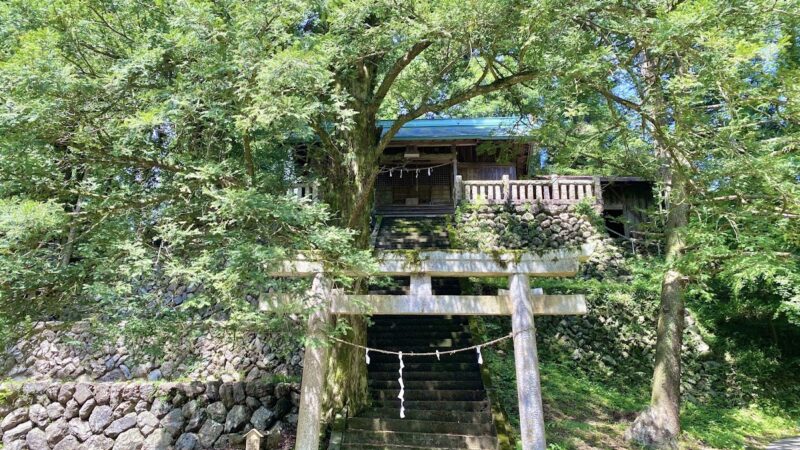
The approach to Takahara Shrine consists of moss-covered stone steps, creating a tranquil atmosphere. Located in a mountainous area away from the hustle and bustle of the city, visitors can experience the changing seasons while offering their prayers. The beauty of the approach is particularly striking during the seasons of fresh greenery and autumn leaves.
Main Shrine
The main shrine, situated at the end of the approach, is a small shrine building that preserves the style of its founding in 1722 (Kyoho 7). As a building with over 300 years of history, it is a valuable cultural asset of the region. The site, though simple, is meticulously maintained, reflecting the deep faith of the local people.
Town-Designated Natural Monument: The Cedar of Takahara Shrine
The greatest highlight of Takahara Shrine is the giant cedar tree standing beside the main hall. This cedar was designated a natural monument of Hinode Town in 1978.
A Giant Cedar Tree with an Estimated Age of 500 Years
Estimated to be approximately 500 years old, it has stood on this site long before the founding of Takahara Shrine (1722). In other words, this cedar has been revered by the local people as a sacred tree protecting the sacred grounds since before Takahara Shrine was built.
Characteristics of the Giant Cedar Tree
Its trunk, stretching straight and high into the sky, exudes an overwhelming presence, quietly watching over visitors. Both its height and circumference are magnificent, and as the slogan “Growing straight and high into the sky for 500 years” suggests, its appearance possesses the dignity befitting a great tree in a sacred area.
Value as a Natural Monument
Since its designation by the town in 1978, this giant cedar tree has been protected as a valuable natural heritage site of Hinode Town. Having watched over the history of the region for over 500 years, this giant cedar is a must-see when visiting Kogensha Shrine.
Access and Visiting Information
Access to Kogensha Shrine is generally via a combination of public transport and walking.
Access by Train
Nearest Station: JR Ome Line, Hinatawada Station
While Kogensha Shrine is within walking distance from Hinatawada Station, it is located in a mountainous area, so it is a bit of a distance. It is approximately 2-3 km from the station.
Access by Bus
Nearest Bus Stop: “Natsujibashi” Bus Stop
Kogensha Shrine is very close to the Natsujibashi bus stop, about a 3-minute walk, making it the most convenient access method when using public transport. Nishi-Tokyo Bus routes are available, but since the number of services is limited, it is recommended to check the timetable in advance.
Access by Car
By private car, it takes about 15 minutes from the Ken-O Expressway “Hinode IC”. However, the area around the shrine is a residential area, and there may not be a dedicated parking lot, so please avoid street parking and be considerate of the neighbors.
Points to Note When Visiting
- As it is a small shrine, there may not be a staff member at the shrine office.
- It is recommended to check in advance regarding the issuance of Goshuin (shrine stamps).
- As it is located in a quiet residential area, please be considerate of noise levels.
- The cedar trees, which are natural monuments, are protected, so please do not touch or damage them.
Attractions Around Takahara Shrine
Besides Takahara Shrine, there are many other spots worth visiting in Hinode Town.
Other Shrines and Temples in Hinode Town
Hinode Town has several historical shrines and temples, making it enjoyable to visit them. The area around Okuno is dotted with small shrines that attract local faith, each with its own unique history and characteristics.
Natural Scenery
The Nishitama region is blessed with abundant nature, making it ideal for hiking and nature walks. The scenery is particularly beautiful during the spring when the new leaves appear and the autumn when the leaves change color.
Local Products of Hinode Town
Hinode Town is a thriving agricultural area, and fresh vegetables and fruits are its local specialties. Visiting a local direct sales store during your visit is highly recommended.
Cultural Value of Takahara Shrine
Center of the Local Community
Takahara Shrine has functioned as a spiritual pillar of the Kanyo settlement for over 300 years. Though small, it is carefully maintained by local residents and symbolizes the bonds of the community.
Conveying Edo Period Beliefs
The shrine building, constructed during the Kyoho era, is a valuable cultural heritage that conveys the way of faith in rural areas during the mid-Edo period. It preserves a simple and approachable form of faith, different from that of large shrines.
Coexistence with Nature
As symbolized by the 500-year-old giant cedar tree, Kogensha Shrine has existed in harmony with nature. Through the protection of natural monuments, it also conveys the importance of preserving the local natural environment.
Manners and Etiquette for Visiting the Shrine
When visiting Kogensha Shrine, please observe the following basic manners for visiting the shrine.
Basic Procedure for Worship
- Bow before the Torii Gate: Bow before entering the sacred area, in front of the torii gate.
- Walk along the edge of the path: The center of the path is considered the path of the gods.
- Purify yourself at the water basin: If there is a water basin, purify your hands and mouth.
- Worship at the main hall: Two bows, two claps, and one bow is the basic procedure.
- Bow upon leaving: Turn around and bow when leaving the torii gate.
Regarding Photography
Photography is generally permitted on the shrine grounds, but please note the following:
- Refrain from taking photos inside the main hall.
- Be considerate of other worshippers.
- When photographing the cedar trees designated as natural monuments, be mindful of their protection.
- When posting on social media, be careful not to identify the location or excessively spread information.
The Four Seasons of Takahara Shrine
Spring (March-May)
A beautiful season of fresh greenery. The moss along the approach to the shrine has regained its vibrant green color, and the breath of spring can be felt around the giant cedar trees. During cherry blossom season, you can enjoy flower viewing in the surrounding area.
Summer (June-August)
The shrine grounds, enveloped in deep green, have a cool, refreshing atmosphere, reminiscent of a summer resort. The sound of cicadas fills the air, announcing the arrival of summer.
Autumn (September-November)
During the autumn foliage season, the trees around the approach to the shrine change color, creating a beautiful landscape. Visiting the shrine in the crisp, clear air is a special experience.
Winter (December-February)
In winter, the Takahara Shrine is enveloped in silence, exuding a dignified atmosphere. Snow sometimes falls, and the shrine grounds, shrouded in a world of white, present a mystical beauty.
About Hinode Town
Hinode Town, where the Takahara Shrine is located, is a town rich in nature, situated in Nishitama District, Tokyo.
Overview of Hinode Town
- Population: Approximately 17,000 (as of 2024)
- Area: 28.07 square kilometers
- Characteristics: While part of Tokyo, it retains a rich natural environment.
- Major Industries: Agriculture, forestry, tourism
History of Hinode Town
This area has been inhabited by people since ancient times, and many historical legacies remain. Small shrines like Takahara Shrine are scattered throughout each settlement, and local beliefs still thrive.
Shrines Similar to Takahara Shrine
Numerous small, community-based shrines similar to Takahara Shrine exist in Tokyo and its suburbs.
Shrines in the Nishitama Region
In the Nishitama region, small shrines dedicated to the local guardian deity are scattered throughout each settlement. Each has its own unique history and beliefs, and serves as the center of the local community.
Shrines with Natural Monuments
Many shrines across Japan possess ancient or giant trees as sacred trees, such as the giant cedar at Takahara Shrine. These giant trees hold significant value as living witnesses to the history of the shrines.
Visiting Records and Social Media Posts
In recent years, more and more people are posting records of their visits to shrines and temples on social media. Shrine and temple information websites like Hotokami allow you to see photos and impressions from people who have actually visited.
Visiting Records of Takahara Shrine
Regarding Takahara Shrine, visitors have posted photos and records of their visits, allowing you to experience the tranquil atmosphere of the grounds and the awe-inspiring presence of the giant cedar. Checking this information before your visit can lead to a more fulfilling experience.
Considerations When Posting
When posting your visit record, please consider the following points:
- Provide accurate information
- Respect the privacy of other visitors and local residents
- Avoid expressions that may cause excessive congestion
- Remember that this is a sacred place
The Significance of Visiting Takahara Shrine
Dialogue with History
The history of Takahara Shrine, which dates back to 1722 (Kyoho 7), tells the story of approximately 300 years of local activity. Standing before the small shrine, we can feel the continuity of faith that has continued from the Edo period to the present day.
A Sense of Oneness with Nature
The giant cedar tree, over 500 years old, has lived for a time far exceeding a human lifetime. Standing before this giant tree, we can feel the greatness of nature and the insignificance of humanity, and be filled with humility.
Understanding Local Culture
By visiting a small shrine like Takahara Shrine, you can understand the nature of faith rooted in the local community, something that cannot be obtained at large, well-known shrines. This is a valuable opportunity to learn about the relationship between local community and faith.
Peace of Mind
The quiet shrine grounds, far from the hustle and bustle of the city, offer time to calm the mind and reflect on oneself. Taking time to visit the shrine slowly, away from the busyness of daily life, leads to spiritual refreshment.
Summary
Located in the Kanyo settlement of Hinode-machi, Nishitama-gun, Tokyo, Takahara Shrine is a historic shrine established in 1722. It has a rare form of worship, enshrining Amaterasu-ōmikami and Tsukuyomi-no-Mikoto, the gods of the sun and moon, and is also known as “Nitten-sha.”
Within the shrine grounds stands a 500-year-old giant cedar tree, designated as a town natural monument, quietly watching over visitors as a guardian of the sacred area. Though small, Takahara Shrine has been carefully preserved by the local people for over 300 years, and is a valuable cultural heritage that conveys the deep connection between local community and faith.
Access is approximately a 3-minute walk from the nearest Natsuchibashi bus stop, or within walking distance of Hinatawada Station on the JR Ome Line. It’s a hidden gem, easily accessible for a day trip from central Tokyo, offering a chance to experience rich nature and history.
Walking along the quiet approach, climbing the moss-covered stone steps, and offering prayers before the giant cedar tree—in this simple pilgrimage experience, you might discover something precious that is often lost in modern society. Despite being in Tokyo, Takahara Shrine offers a special space where time seems to slow down.
If you have the opportunity to visit Hinode-machi, be sure to stop by Takahara Shrine. You’ll be able to spend a peaceful moment in this sacred place where history and nature harmonize.