Ichinogoō Shrine (Hinode-machi, Tokyo) | A Thorough Explanation of its History and Highlights
Ichinogoō Shrine, located in Ōkuno, Hinode-machi, Nishitama-gun, Tokyo, is a historic shrine nestled in the mountains along Tokyo Metropolitan Road 184. This shrine, impressive with its magnificent stone walls and cedar trees protecting the grounds, is explained in detail, from its history and highlights to information for visitors.
Basic Information on Ichinogoō Shrine
Ichinogoō Shrine is located at 4251 Ōkuno, Hinode-machi, Nishitama-gun, Tokyo. Also written as “Ichinogoōsha” and “Ichigoō Gongensha,” it has long been a center of local faith.
Location and Access
Address
4251 Okuno, Hinode-machi, Nishitama-gun, Tokyo 190-0181
Access
- Approximately 15 minutes by car from Musashi-Itsukaichi Station on the JR Itsukaichi Line
- Within walking distance from the nearest bus stop if using Nishi-Tokyo Bus
- Convenient access by car, located along Tokyo Metropolitan Road 184
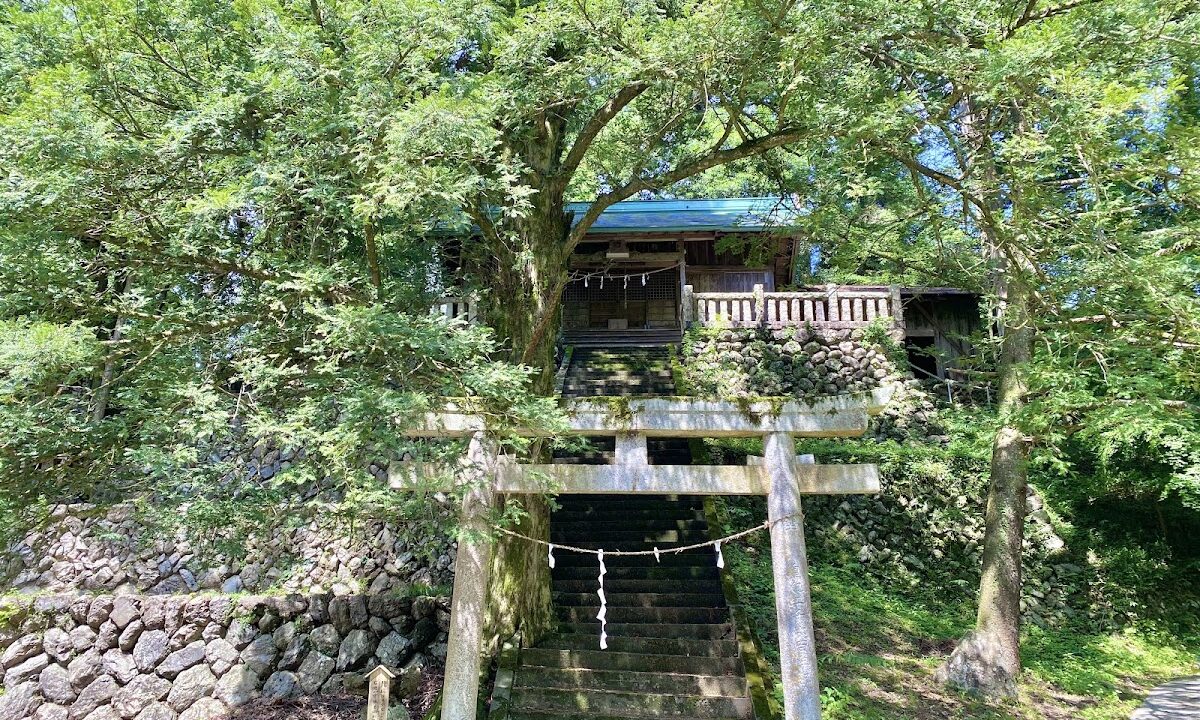
The shrine is situated on a hill in a mountainous area covered with trees, and is reached by climbing stone steps from Tokyo Metropolitan Road 184.
History and Origins of Ichinogo-o Shrine
The history of Ichinogo-o Shrine dates back to the era of syncretism of Shinto and Buddhism. Tracing its changes offers a glimpse into a part of Japanese religious history.
Circumstances of Founding
Originally, there was a shrine on this site dedicated to a Buddhist deity of plague prevention. It is believed to have been a place of folk worship where people prayed for the eradication of disease, and was cherished by the local people.
Later, Shimazaki Iemon, a member of the Hachioji Senjin Doshin (a group of samurai responsible for maintaining public order under the Edo shogunate), enshrined Ōnamuchi-no-Mikoto, and the shrine came to be known as “Ichigo-ō Gongen Shrine.” The Hachioji Senjin Doshin were a group of samurai responsible for maintaining order under the Edo shogunate, and their faith played a significant role in the shrine’s development.
Conversion to Shinto
In 1863 (Bunkyū 3), the shrine received the highest rank of Shinto from the Shirakawa family, the Chief of the Department of Shinto Affairs, and was officially recognized as a Shinto shrine. This was influenced by the late Edo period’s policy of separating Shinto and Buddhism, marking a historical turning point where Buddhist elements were removed and the shrine was converted into a Shinto shrine.
During this period, similar separations of Shinto and Buddhism progressed throughout Japan, and many Gongen shrines were renamed Shinto shrines. Ichigo-ō Shrine also evolved into its current form within this trend.
Former Shrine Rank and Supervising Temple
Under the Meiji era’s shrine ranking system, it was classified as an unranked shrine, but it played an important role as a center of faith in the region. The supervising temple was managed by the Shimazaki family, who were deeply involved in the maintenance and operation of the shrine.
Deities and Divine Virtues
Ichinogo-o Shrine enshrines three deities who play important roles in Japanese mythology.
Amaterasu Omikami
The supreme deity of Japanese mythology, a goddess who personifies the sun. She is considered the ancestral deity of the Imperial family and is also known as the principal deity of Ise Grand Shrine. She is believed to bestow divine virtues such as national peace and security, abundant harvests, and good fortune.
Izanagi-no-Mikoto
A male deity who created the land of Japan and many gods. He is known for performing a purification ritual after returning from the underworld and giving birth to the three noble children, including Amaterasu Omikami. This shrine is believed to bestow blessings such as matchmaking, marital harmony, and longevity.
Izanami-no-Mikoto
She is the goddess who, along with Izanagi-no-Mikoto, created the land of Japan. She gave birth to many gods, but lost her life while giving birth to the god of fire, becoming the ruler of the underworld. She is believed to bestow blessings such as safe childbirth, fertility, and matchmaking.
These three deities are believed to symbolize the source of creation and life, and are thought to bring diverse blessings to worshippers.
Highlights of Ichinogo-o Shrine
Here are some distinctive highlights of Ichinogo-o Shrine that you should definitely pay attention to when you visit.
The Magnificent Three-Tiered Stone Wall
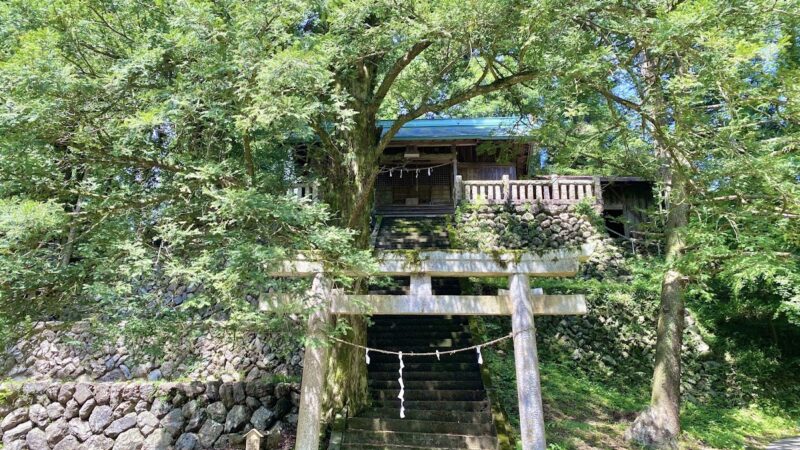
The most striking feature of Ichinogo-o Shrine is its magnificent stone wall, resembling the foundation of a castle keep. This wall is built in three tiers, conveying the dignity of the shrine situated on a hilltop.
The stone wall structure is believed to have been maintained over many years, reflecting the deep faith of the local people. A staircase leads up to the shrine building from the center of the front.
Cedar Trees Encroaching on the Staircase
A magnificent cedar tree stands beside the stone steps, and remarkably, it has grown so as to encroach upon the steps themselves. This is evidence of the integration of nature and man-made structures over many years, a precious sight that visually demonstrates the long history of the shrine.
This combination of cedar tree and stone steps leaves a strong impression on visitors and is a popular spot for photography. It is a landscape truly befitting a sacred place, where the vitality of nature and human activity harmonize.
A Silent Shrine Grounds Surrounded by Trees
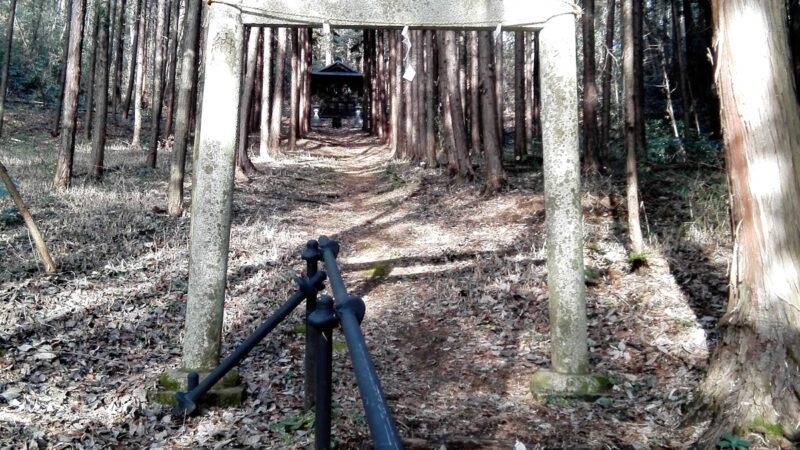
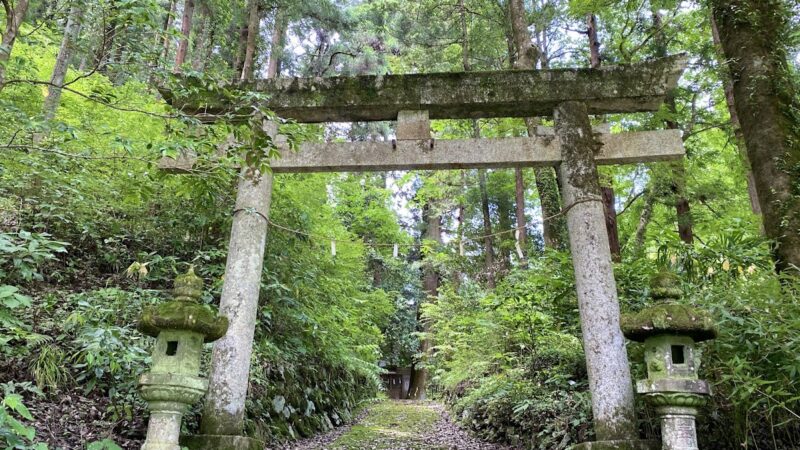
Located in the mountains along Tokyo Metropolitan Road 184, Ichinogo-o Shrine is surrounded by abundant nature. The shrine grounds are lush with trees and enveloped in a tranquil atmosphere, allowing one to escape the hustle and bustle of everyday life and find peace of mind.
Especially during the seasons of fresh greenery and autumn leaves, the surrounding nature is beautiful, allowing visitors to enjoy forest bathing along with their worship.
Annual Festival and Regular Events
At Ichinogo-o Shrine, the annual festival is held every year on September 19th. This is the most important festival for the shrine, and local parishioners and devotees gather to express gratitude to the gods and pray for the prosperity of the community.
In addition to Shinto rituals, the annual festival may include a portable shrine procession and devotional performances depending on the region, making it an important opportunity to deepen the bonds of the local community.
Shrine Culture of Hinode Town
Hinode Town, Nishitama District, Tokyo, where Ichinogo-o Shrine is located, has several other shrines and temples scattered throughout. This area has a long history of being cherished as a place of worship.
Major Shrines and Temples in the Surrounding Area
- Kōjin Shrine: One of the representative shrines of Hinode Town
- Hōkōji Temple (Kano Daibutsu): A temple known for its Great Buddha
- Seifukuji Temple: A temple that attracts the faith of the local community
By visiting these temples and shrines, you can gain a deeper understanding of the religious culture of Hinode Town.
Manners and Precautions for Visiting
When visiting Ichinogoō Shrine, please pay attention to the following points.
Basic Etiquette for Visiting a Shrine
- When passing through the torii gate: Bow before entering the shrine grounds.
- Purification at the water basin: Purify your left hand, right hand, and mouth in that order.
- Worship at the main hall: Two bows, two claps, and one bow are the basic forms of worship.
- Behavior within the shrine grounds: Act quietly and respectfully.
Notes on Access
- As the shrine is located on a hill in the mountains, comfortable walking shoes are recommended.
- The stone steps can be slippery, so extra caution is needed, especially in rainy weather.
- Parking space may be limited, so it is recommended to check in advance.
The Charm of Ichinogo-o Shrine
The charm of Ichinogo-o Shrine lies in the harmony between its historical background and natural environment. A place of worship that has continued since the Edo period, the shrine has been protected by the local people and continues to provide a quiet place of prayer even today.
Value for History Enthusiasts
It possesses a fascinating history where Japanese religious history and local history intersect, including the transition from syncretism of Shinto and Buddhism to the separation of Shinto and Buddhism, its connection to the Hachioji Senjin Doshin (a group of 1,000 samurai), and the bestowal of divine rank from the Shirakawa family.
Appeal for Nature Lovers
The shrine grounds, surrounded by a lush forest, and the cedar trees encroaching on the stone steps, create a landscape where nature and man-made structures have been integrated over a long period, possessing a unique beauty not found elsewhere.
Significance for Local Residents
It continues to play an important role in modern times as a spiritual center for the community and a point of community unity through events such as the annual festival.
Photography Tips
Here are some photography tips for when visiting Ichinogo-o Shrine.
Recommended Photo Spots
- A view looking up at the three-tiered stone wall from below: You can take a powerful photo that conveys the dignity of the shrine.
- A cedar tree growing into the stone steps: An impressive subject that symbolizes the harmony between nature and man-made structures.
- A view while climbing the stone steps: You can capture the atmosphere of the approach to the shrine and the surrounding nature simultaneously.
- The shrine building and surrounding trees: You can express the tranquil atmosphere of the sacred area.
When taking photos, please be considerate of worshippers and remember that this is a sacred place.
Nearby Tourist Attractions
When visiting Ichinogo-o Shrine, we recommend also visiting the tourist attractions in Hinode Town and the surrounding area.
Highlights of Hinode Town
- Hinodeyama: A popular mountain for hiking
- Tsurutsuru Onsen: A day-trip hot spring facility
- Hinode Town Fureai Agricultural Products Direct Sales Store: You can purchase fresh local agricultural products
Easily Accessible Surrounding Areas
- Akiruno City: A tourist destination rich in nature, including the Akigawa Valley
- Ome City: Attractive for Mount Mitake and the townscape of Ome
- Hinohara Village: Tokyo’s only village, with abundant nature remaining
Summary
Ichinogo-o Shrine is a historical shrine located in Hinode Town, Nishitama District, Tokyo. Its history, starting as a Buddhist shrine, attracting the faith of the Hachioji Senjin Doshin (a group of samurai), and undergoing transformations through the separation of Shinto and Buddhism at the end of the Edo period, can be seen as a mirror reflecting the history of Japanese religion.
With its impressive three-tiered stone walls, cedar trees encroaching on the stone steps, and tranquil grounds surrounded by abundant nature, this shrine possesses a unique charm and is well worth visiting as a destination for historical exploration and nature walks.
It enshrines Amaterasu Omikami, Izanagi-no-Mikoto, and Izanami-no-Mikoto, important deities from Japanese mythology, and the annual grand festival on September 19th brings together local people to uphold tradition.
The fact that you can encounter such a shrine, where history and nature harmonize, just a short distance from the city center, demonstrates Tokyo’s diversity. When you visit Hinode-cho, be sure to stop by Ichinogo-o Shrine and feel its serene atmosphere and the weight of history.
Nestled in the mountains along Tokyo Metropolitan Road 184, this shrine is the perfect place to escape the hustle and bustle of modern life and find peace of mind to offer prayer. Climbing the stone steps one by one, following the path of faith that has continued since the Edo period, will provide visitors with a special experience.