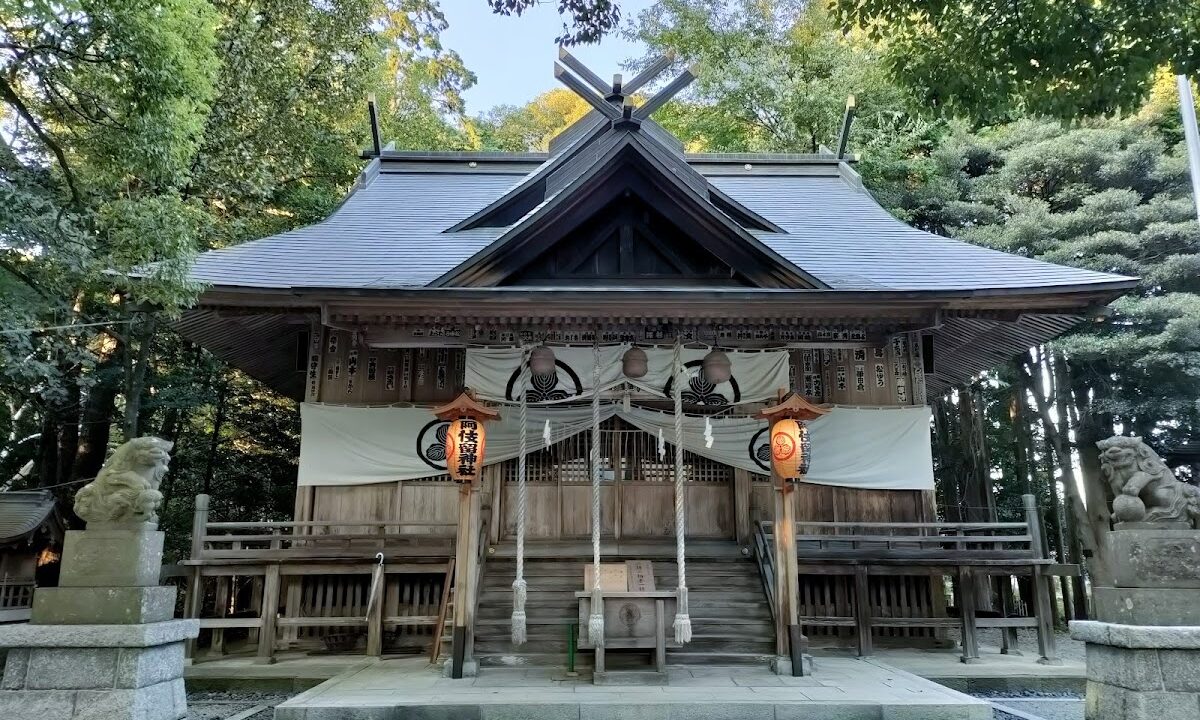
Complete Guide to Akiru Shrine (Akiruno City, Tokyo) | Thorough Explanation of Goshuin, Access, History, and Highlights
Akiru Shrine, located in Itsukaichi, Akiruno City, Tokyo, is a venerable ancient shrine with over 1000 years of history, listed as the foremost of the eight shrines in Tama District, Musashi Province, in the Heian period’s “Engishiki Jinmyocho” (a list of shrines compiled in the Heian period). The shrine grounds, nestled in a deep cedar grove along the Akigawa Valley, are filled with a tranquility and solemnity that belies its proximity to the city center.
This article comprehensively introduces useful information for visiting Akiru Shrine, including its history, goshuin (shrine seal), access methods, highlights within the grounds, and festival information.
What is Akiru Shrine?
Akiru Shrine is a Shikinaisha (shrine listed in the Engishiki) located in Itsukaichi, Akiruno City, Tokyo, and its former shrine rank was Gosha (village shrine). Locally, it is affectionately known as “Matsubara-sama” and “The Guardian Shrine of Itsukaichi,” and is a well-known ancient shrine within Musashi Province.
Main Deity and Other Deities
The following deities are enshrined at Akiru Shrine:
- Ōmononushi-no-kami: Main deity. God of land development, business prosperity, and healing from illness.
- Ajisukitakahikone-no-kami: God of agriculture and thunder.
- Takehinadori-no-kami: God of martial prowess.
- Amenokoyane-no-mikoto: God of rituals and learning.
These deities are believed to bestow divine blessings such as regional development, abundant harvests, and lasting military fortune.
Origin of the Name “Akiru”
There are several theories regarding the origin of the place name “Akiru” in Akiruno City, but it is believed to be deeply connected to the Akigawa River that flows through the area. There is also a theory that the name of Akiru Shrine became the origin of the place name, suggesting that it was a central place of worship in the region since ancient times.
History of Akiru Shrine
Founding and Ancient Records
The founding date of Akiru Shrine is unclear, but the early Heian period historical record, “Nihon Sandai Jitsuroku,” records in the entry for the 8th year of Genkei (884) that Akiru Shrine was granted the rank of Junior Fourth Rank, Lower Grade, and the Sixth Order of Merit. This is one of the few shrines in Musashi Province mentioned in national history, indicating that it was an important shrine recognized by the imperial court even at that time.
Listing in the Engishiki Jinmyocho (Register of Shrines in the Engi Era)
The Engishiki Jinmyocho, compiled starting in 905 AD, lists Akiru Shrine as the first of the eight shrines in Tama District, Musashi Province. Being recognized as an Engishiki shrine is evidence of its national importance in ancient times, and it was positioned as a particularly prestigious ancient shrine within Musashi Province.
Connections with Medieval Warlords
Akiru Shrine continued to be revered by many warlords as the guardian shrine of the Kanto region from the medieval period onward.
- Minamoto no Yoritomo: Yoritomo, who founded the Kamakura Shogunate, protected major shrines in the Kanto region, and Akiru Shrine was among them.
- Ashikaga Takauji: Takauji, who founded the Muromachi Shogunate, is also said to have revered Akiru Shrine as an important shrine in the Kanto region.
- Tokugawa Ieyasu: Ieyasu, who founded the Edo Shogunate, protected major shrines within Musashi Province as guardians of Edo, and Akiru Shrine also received the patronage of the Tokugawa family.
The Legend of Fujiwara Hidesato and Oharano Myojin
A legend remains that Fujiwara Hidesato (Tawara Tota), a military commander of the mid-Heian period, moved soil from Oharano Myojin in Kyoto and enshrined it at Akiru Shrine. This legend suggests that Akiru Shrine had connections with influential shrines in Kyoto and incorporated central culture.
From the Early Modern to the Modern Period
During the Edo period, it was the guardian shrine of Itsukaichi Village, attracting the faith of local residents, and was ranked as a Gosha (village shrine) under the Meiji era’s shrine ranking system. Even today, it remains a spiritual pillar of the region, attracting many worshippers.
Highlights of the Shrine Grounds
Majestic Cedar Grove and Sacred Atmosphere
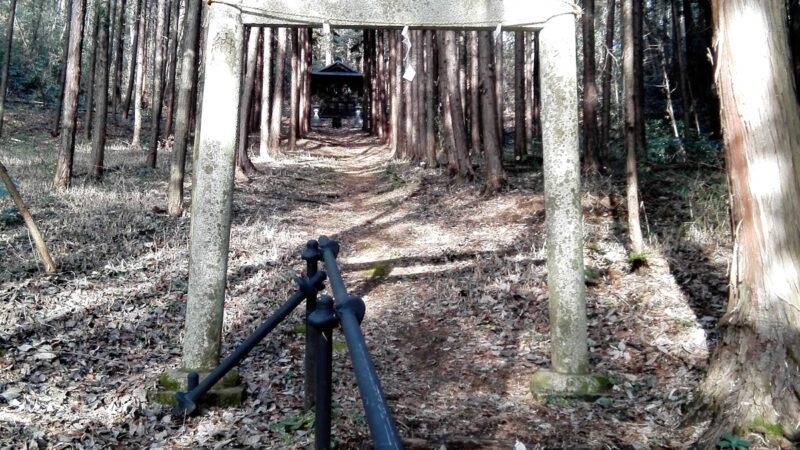
The grounds of Akiru Shrine are surrounded by giant trees such as cedar, pine, and cypress, estimated to be hundreds of years old. The deep forest, which feels dim even during the day, creates a fantastical and mystical atmosphere, giving you the feeling of having wandered into another world despite being close to the city center.
This forest is a sacred grove that has been protected for many years, and you will feel the change in the air as soon as you step onto the grounds.
Shrine Buildings and Architecture
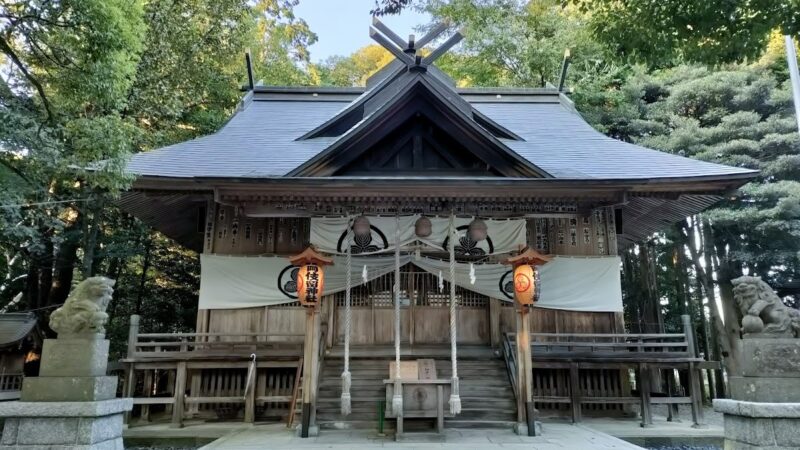
The current shrine buildings were constructed between the Edo and Meiji periods, preserving the traditional style of shrine architecture. Both the worship hall and the main hall have a simple yet dignified appearance, conveying the dignity of an ancient shrine.
Hexagonal Portable Shrines
One of the unique features of Akiru Shrine is that it possesses eight hexagonal portable shrines. These shrines are used during the annual festival and are valuable cultural assets that convey the traditional culture of the region. The hexagonal mikoshi (portable shrine) has a unique shape that differs from the typical square mikoshi, and is noteworthy as a characteristic of the mikoshi culture of Musashi Province.
Subsidiary Shrines and Auxiliary Shrines
In addition to the main shrine, several subsidiary shrines are enshrined within the grounds, each embodying local beliefs. Visiting these smaller shrines as well allows for a deeper understanding of the faith world of Akiru Shrine.
Harmony with the Akigawa Valley
Akiru Shrine is located along the Akigawa Valley, and the clear waters of the Akigawa River can be felt from the shrine grounds. The scenery, where the beauty of nature in each season—the fresh green of spring, the deep green of summer, the autumn leaves, and the tranquility of winter—harmonizes with the solemnity of the shrine, soothes the hearts of visitors.
Annual Festivals and Rituals
Grand Festival
The annual festival of Akiru Shrine is held every year from September 28th to 30th. This festival is known as the largest festival in the Itsukaichi area, and the sight of eight hexagonal portable shrines parading through the town is spectacular.
The annual festival includes the dedication of Kagura (sacred dance and music) and performances of traditional arts, making it an important opportunity to pass on the region’s culture to the next generation. During the festival, many stalls are set up, and the entire area is enveloped in the festive atmosphere.
Other Annual Events
- Saitansai (January 1st): A festival celebrating the New Year
- Setsubunsai (February 3rd): Events such as bean-throwing
- Kinensai (February): A festival praying for a bountiful harvest
- Natsukoshi no Oharae (June 30th): A Shinto ritual to purify oneself of the impurities accumulated over the past six months
- Niinamesai (November 23rd): A festival expressing gratitude for the harvest
- Toshikoshi no Oharae (December 31st): A Shinto ritual to purify oneself of the impurities accumulated over the past year
These Shinto rituals preserve traditional Japanese annual events and are deeply intertwined with the lives of local residents.
Goshuin (Shrine Seals) and Goshuincho (Shrine Seal Books)
About Goshuin
Akiru Shrine offers Goshuin to visitors. The Goshuin (temple/shrine stamp) features the calligraphy of “Akiru Shrine” and the shrine’s seal, making it a popular memento of your visit.
Goshuin are available at the shrine office, and the fee is usually around 300 yen. However, they may not be available during religious ceremonies or festivals, so it’s recommended to check in advance if you definitely want a Goshuin.
Goshuincho (Goshuin Book)
Akiru Shrine may also offer its own original Goshuincho. The designs feature motifs such as the cedar groves and shrine buildings within the grounds, representing the shrine’s unique characteristics. Please check with the shrine office for details during your visit.
Available Items
In addition to Goshuin, other items such as amulets, ema (votive tablets), and omikuji (fortune slips) are available. Amulets for traffic safety, family safety, business prosperity, and academic success are particularly popular.
Access and Basic Information
Access by Train
Nearest Station: JR Itsukaichi Line “Musashi-Itsukaichi Station”
- Approximately 15 minutes on foot from Musashi-Itsukaichi Station (approx. 1.2 km)
- Exit the station and head southwest towards Akigawa.
- The route is relatively easy to follow, and there are signs.
Example of Access from the City Center:
- From Shinjuku Station: Take the JR Chuo Line to Tachikawa Station (approx. 40 minutes) → Transfer to the JR Itsukaichi Line to Musashi-Itsukaichi Station (approx. 30 minutes)
- From Tokyo Station: Take the JR Chuo Line to Tachikawa Station (approx. 55 minutes) → Transfer to the JR Itsukaichi Line to Musashi-Itsukaichi Station (approx. 30 minutes)
Access by Bus
If using the bus from Musashi-Itsukaichi Station:
- Take the Nishi-Tokyo Bus bound for “Itsukaichi Branch Office,” etc.
- Get off at the “Matsubara” bus stop and walk for about 3 minutes.
For those who have difficulty walking, or if you are combining this visit with other spots in the Akigawa Valley, using the bus is convenient.
Access by Car
- Approximately 30 minutes from the Hachioji IC on the Chuo Expressway
- Approximately 15 minutes from the Akiruno IC on the Ken-O Expressway
Parking:
There is a parking lot for visitors on the temple grounds. However, congestion is expected during events such as the annual festival, so we recommend using public transportation.
Basic Information
- Location: 1081 Itsukaichi, Akiruno City, Tokyo
- Phone Number: 042-596-0560 (Shrine Office)
- Visiting Hours: Grounds are freely accessible (Shrine office reception hours are approximately 9:00 AM to 5:00 PM)
- Admission Fee: Free
- Official Website: None (Please check by phone for the latest information)
Estimated Time Required for Visiting
If you plan to visit the shrine grounds at a leisurely pace, allow 30 minutes to 1 hour. Including photography and strolling around the grounds, you may stay for more than an hour.
Nearby Tourist Spots
The Itsukaichi area, where Akiruno Shrine is located, is blessed with the natural beauty of the Akigawa Valley. Here are some nearby spots you might want to visit along with your shrine visit.
Akigawa Valley
A natural spot where you can enjoy the clear stream and valley scenery that you wouldn’t expect to find within Tokyo. Itsukaichi offers charm in every season: the fresh greenery of spring, river activities in summer, the vibrant autumn foliage, and the tranquility of winter.
Itsukaichi Local History Museum
A local history museum where you can learn about the history and culture of Itsukaichi. It also exhibits materials related to the history of Akiru Shrine.
Daihiganji Temple
An ancient Shingon Buddhist temple located in Itsukaichi. It is famous for its white bush clover, a nationally designated Important Cultural Property, which blooms beautifully in autumn.
Hinohara Village/Okutama Area
Further west, you can enjoy the magnificent nature of Hinohara Village and Okutama. There are plenty of outdoor activities such as mountain climbing, hiking, and hot springs.
Manners and Precautions for Visiting a Shrine
Proper Way to Visit a Shrine
- Bow before passing through the torii gate.
- Avoid walking in the center of the path to the shrine. (The center is the path for the gods.)
- Purify your body and mind at the water basin.
- Hold the ladle in your right hand and purify your left hand.
- Switch the ladle to your left hand and purify your right hand.
- Switch the ladle back to your right hand, receive water in your left hand, and rinse your mouth.
- Finally, hold the ladle upright and purify the handle.
- Bow twice, clap twice, and bow once in front of the main hall.
Photography
Photography is generally permitted within the shrine grounds, but may be prohibited inside the shrine or during religious ceremonies. Please be considerate of other visitors.
Attire
There are no specific dress code requirements, but appropriate attire for a sacred place is desirable. Formal attire is recommended when attending special religious ceremonies such as the annual festival.
Precautions within the Shrine Grounds
- Smoking is prohibited within the shrine grounds.
- Please check in advance regarding bringing pets.
- Please refrain from eating and drinking outside of designated areas.
- Please avoid loud conversations and noise.
The Four Seasons of Akiru Shrine
Spring (March-May)
The trees within the shrine grounds bud, and the fresh greenery is beautiful. Cherry blossoms also bloom, giving a real sense of spring’s arrival. Visiting the shrine in the refreshing air is a special experience.
Summer (June-August)
The shrine grounds, enveloped in deep green, offer a refreshing coolness that makes you forget the heat of the city. Many visitors combine their visit with playing in the Akigawa River during this season.
Autumn (September-November)
Late September, when the annual festival is held, is the busiest time of year. From October to November, the autumn leaves are beautiful, and the contrast between the cedar trees within the shrine grounds and the autumn foliage is magnificent.
Winter (December to February)
The shrine grounds, enveloped in silence, take on an even more solemn atmosphere. It’s a season for peaceful worship in the crisp winter air. The shrine is bustling with many visitors during the New Year’s pilgrimage.
The Charm of Akiru Shrine
The greatest charm of Akiru Shrine lies in its long history of over 1000 years, yet it remains deeply intertwined with the lives of the local people and continues to attract their faith.
Its high status, as listed in the Engishiki Jinmyocho (a historical record of shrines), its connections to historical figures such as Minamoto no Yoritomo and Tokugawa Ieyasu, and above all, the mystical atmosphere created by the deep cedar groves surrounding the grounds, offer visitors a special experience.
Located about an hour and a half from central Tokyo, Akiru Shrine offers a tranquil and solemn experience like being in another world. Please visit it, along with the natural beauty of the Akigawa Valley.
Summary
Akiru Shrine, located in Itsukaichi, Akiruno City, Tokyo, is an Engishiki-listed shrine and boasts a history of over 1000 years as the principal shrine of Tama District in Musashi Province. Its main deity is Ōmononushi-no-kami, and it has been revered by warlords such as Minamoto no Yoritomo, Ashikaga Takauji, and Tokugawa Ieyasu.
The shrine grounds, surrounded by deep cedar groves, are filled with a solemn and mystical atmosphere, offering a glimpse into a different world that feels far removed from the city center. During the annual grand festival in late September, eight hexagonal portable shrines parade through the town, preserving the region’s traditional culture.
With easy access—approximately a 15-minute walk from Musashi-Itsukaichi Station on the JR Itsukaichi Line—it’s one of Tokyo’s leading power spots, enjoyable amidst the natural beauty of the Akigawa Valley. Goshuin (shrine stamps) are also available, making it a recommended destination for those who enjoy visiting shrines.
Spend a peaceful time at Akiru Shrine, where history, nature, and local faith harmonize.