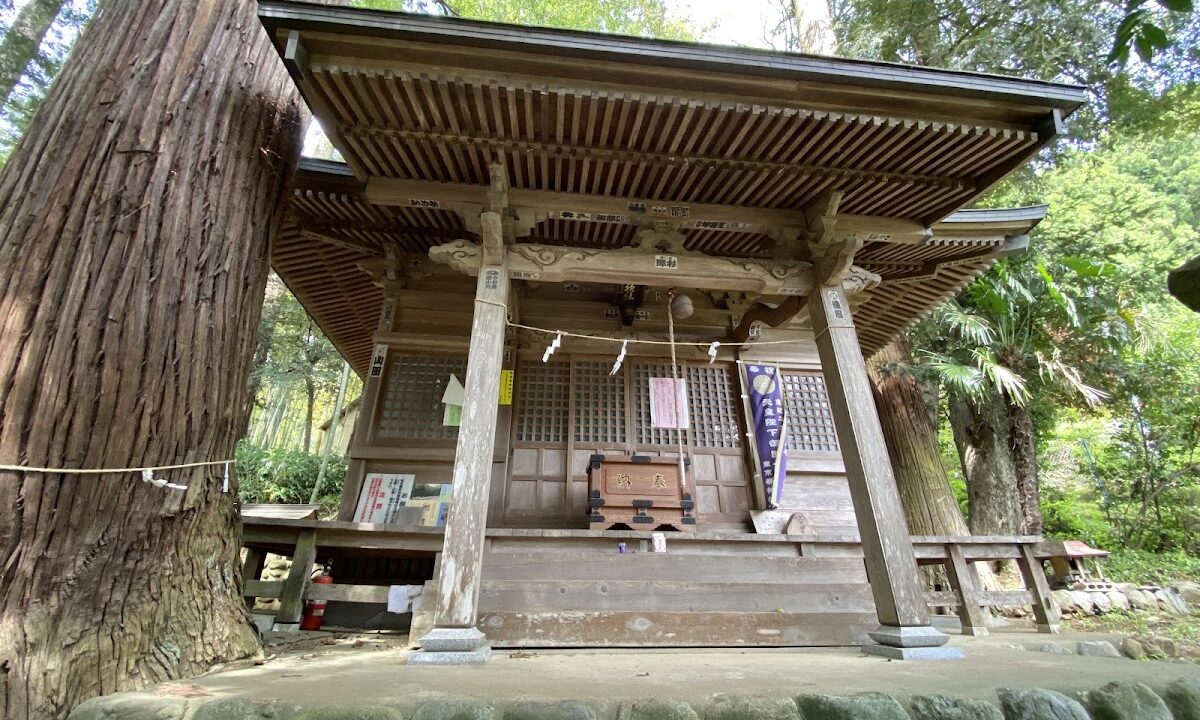
Goryo Hinohara Shrine (Hinohara Village, Tokyo) Complete Guide | Detailed Explanation of History, Access, and Highlights
Goryo Hinohara Shrine, located in the Mitsugo district of Hinohara Village, Nishitama District, Tokyo, is a historically significant shrine dedicated to the lord of Hinohara Castle during the Sengoku period. Situated in the naturally rich mountainous region of Okutama, approximately two hours by car from central Tokyo, it is known as a valuable site that conveys the history and culture of the area. This article provides detailed information useful for visitors, including the history of Goryo Hinohara Shrine, its enshrined deities, access methods, and nearby attractions.
Basic Information on Goryo Hinohara Shrine
Location and Place of Enshrinement
Official Name: Goryo Hinohara Shrine
Address: 2773-1, Mitsugo, Hinohara Village, Nishitama District, Tokyo 190-0211
Postal Code: 190-0211
Hinohara Village is located in the westernmost part of Tokyo, and is a naturally rich area with 93% of its area covered by forest. Goryo Hinohara Shrine is located in the Mitsugo district, slightly southwest of the center of Hinohara Village. Mitsugo is one of the historical settlements within Hinohara Village and has deep ties to the former Hinohara Castle.
Deities and History
The deities enshrined at Goryo Hibara Shrine are Hirayama Ujishige and Hirayama Ujihisa, a father and son. These two were samurai who resided in Hibara Castle during the Sengoku period and ruled the Hibara area as local lords.
About the Hirayama Clan, Lords of Hibara Castle
The Hirayama clan was a samurai group from Musashi Province, a family that held power in the Tama region from the Kamakura period to the Muromachi period. Hirayama Ujishige and his son Ujihisa operated from Hibara Castle during the turbulent Sengoku period.
Hibara Castle was a mountain castle located in the present-day Honjuku district of Hibara Village, built on a mountaintop approximately 530 meters above sea level. It was a strong castle utilizing natural fortifications and is said to have had close ties with the Hojo clan. Hirayama Ujishige and Ujihisa dedicated themselves to the development of this region, flood control, and agricultural promotion, and were deeply respected by the local residents.
History and Changes of the Shrine
The “Kanbun Suicho” (a land register from the Edo period) lists the shrine as “Gongen-men,” indicating that it already existed as a shrine in the early Edo period. Furthermore, the “Shinpen Musashi Fudoki-ko” (a topographical record of Musashi Province) lists it as “Goryo-sha.”
Its former name was Goryo Gongen. “Goryo” refers to the worship of the spirits of those who died tragically or those who made significant contributions to the region, appeasing their vengeful spirits and revering them as guardian deities. It is believed that Hirayama Ujishige and Ujihisa, father and son, lost their lives during the turmoil of the Sengoku period, and the Goryo Hibara Shrine originated from the worship of their spirits to appease them and enshrine them as guardian deities of the region.
Due to the Meiji-era decree separating Shinto and Buddhism, the shrine was renamed “Goryo Hinohara Shrine” in March 1881 (Meiji 14). During this period, many shrines nationwide with the title “Gongen” were forced to change their names, and Goryo Hinohara Shrine was among them.
Shrine Rank and Current Status
Goryo Hinohara Shrine is a local shrine within Hinohara Village, serving as the tutelary deity of the Mitsugo district. Although small in scale, it is carefully preserved by local residents, and various festivals are held throughout the year.
Access and Transportation Information
Nearest Station and Line
The nearest public transportation to Goryo Hinohara Shrine is Musashi-Itsukaichi Station, the terminal station of the JR Itsukaichi Line.
Nearest Station: JR Itsukaichi Line, Musashi-Itsukaichi Station
Distance from Station: Approximately 12km
Travel Time: Approximately 30 minutes by bus from the station + walking
About the JR Itsukaichi Line
The Itsukaichi Line connects Haijima Station on the JR Chuo Line to Musashi-Itsukaichi Station. Access from central Tokyo is as follows:
- From Shinjuku Station: Take the JR Chuo Line Rapid to Tachikawa Station (approximately 40 minutes) → Take the Ome Line to Haijima Station (approximately 15 minutes) → Take the Itsukaichi Line to Musashi-Itsukaichi Station (approximately 25 minutes), total approximately 80 minutes
- From Tokyo Station: Take the JR Chuo Line Rapid to Tachikawa Station (approximately 55 minutes) → Continue as above, total approximately 95 minutes
Nearest Bus Stop and Route
To reach Goryo-Hinohara Shrine from Musashi-Itsukaichi Station, use the Nishi-Tokyo Bus route.
Bus Company: Nishi-Tokyo Bus
Boarding Bus Stop: Musashi-Itsukaichi Station (North Exit)
Alighting Bus Stop: Mitsugo Bus Stop
Route: Bound for Hinohara Village (e.g., Kazuma, Fujiwara)
Travel Time: Approximately 30 minutes
Fare: Approximately 600 yen one way (as of 2024, subject to change)
It’s about a 5-minute walk from the Mitsugo bus stop to Goryo Hinohara Shrine. After getting off the bus, follow the signs in the village to reach the shrine.
Bus Operation Notes
Buses to Hinohara Village are limited, and service may be reduced, especially on holidays and during winter. It is highly recommended to check the latest timetable on the Nishi-Tokyo Bus official website before your visit. Also, be sure to check the return bus schedule in advance to avoid missing your bus.
Access by Car
Access by car is the most convenient.
Route from the Tokyo Metropolitan Area:
- Approximately 50 minutes (approx. 35 km) from Hachioji IC on the Chuo Expressway
- Approximately 40 minutes (approx. 25 km) from Akiruno IC on the Ken-O Expressway
Major Roads: Proceed towards Hinohara Village on Tokyo Metropolitan Road 33 (Hinohara Kaido), and follow the signs in the Mitsugo area.
Parking
There is no large-scale parking lot dedicated to the shrine, but there are several parking spaces around the shrine. However, it may get crowded during festivals, so it is recommended to visit with plenty of time to spare.
Map and Directions
The exact location of Goryo Hinohara Shrine can be found by searching for “Goryo Hinohara Shrine” or “2773 Mitsugo, Hinohara Village, Nishitama District, Tokyo” in your smartphone’s map app. Similarly, you can search by location or name when using a car navigation system.
Because Hinohara Village is located in a mountainous area, some map functions may not display detailed information clearly. It’s advisable to prepare a paper map in advance. Also, since there are areas with weak cell phone signals, preparing an offline map app is recommended.
Highlights and Features of Goryo Hinohara Shrine
Shrine Buildings and Grounds
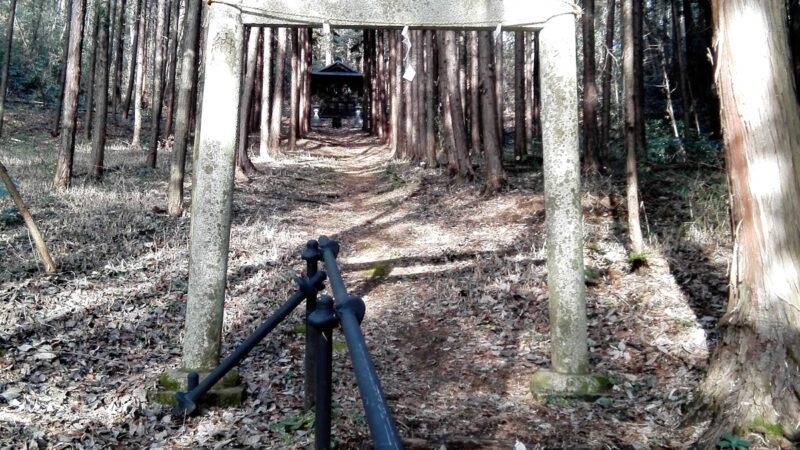
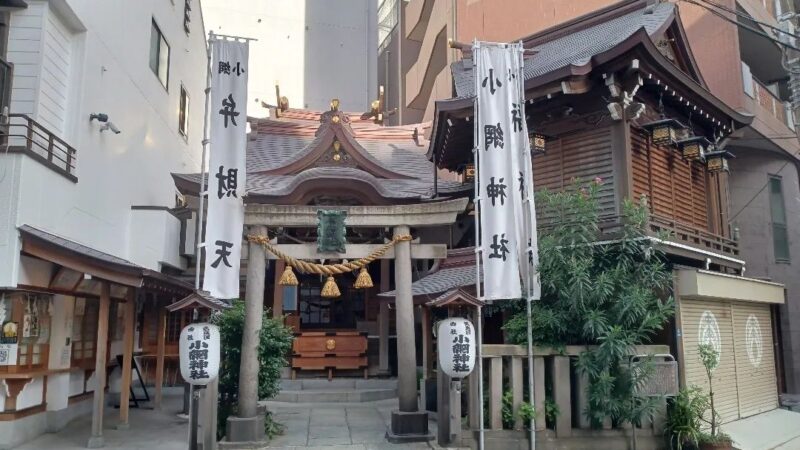
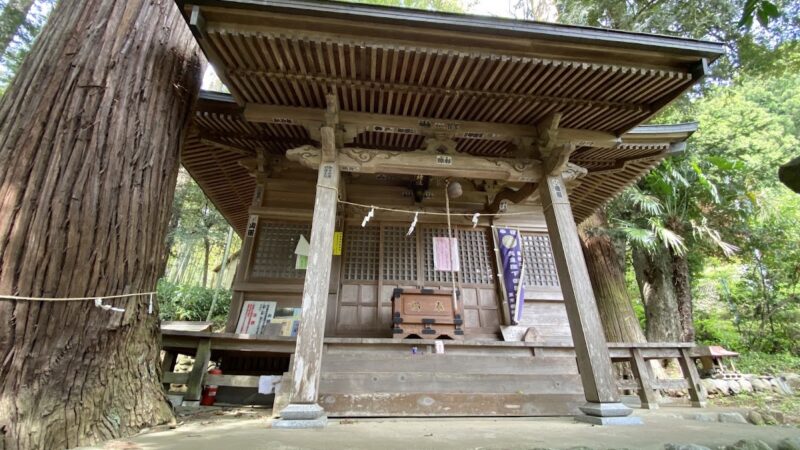
The grounds of Goryo Hinohara Shrine are situated in a quiet environment surrounded by the nature of Hinohara Village. The shrine building is a simple yet dignified wooden structure, exuding a sense of local history.
Main Hall
The main hall is a simple structure typical of shrines in mountainous areas, but it is carefully maintained. The roof is covered with copper plates or tiles, creating a calm appearance that harmonizes with the surrounding natural environment.
Worship Hall
The worship hall is where worshippers offer their prayers and is located in front of the main hall. Although small, it functions as the center of local faith.
Natural Environment of the Shrine Grounds
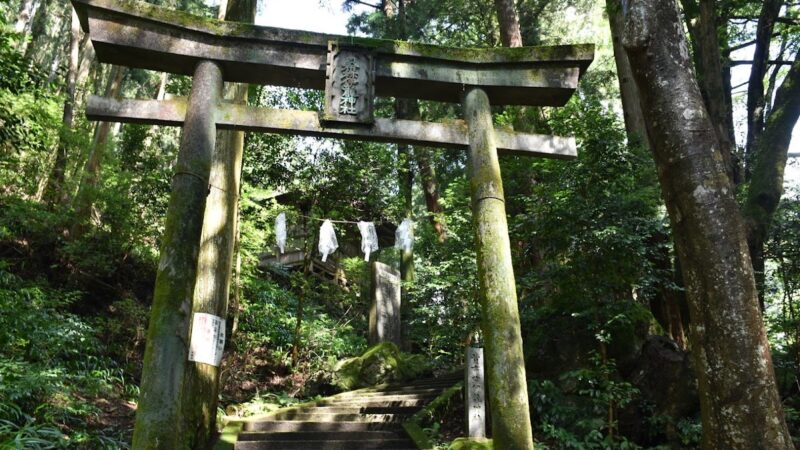
One of the greatest attractions of Goryo Hibara Shrine is its rich natural environment. The grounds are lush with coniferous trees such as cedar and cypress, and broad-leaved trees such as maple, allowing visitors to enjoy beautiful scenery throughout the seasons.
Spring: Beautiful fresh greenery and wildflowers adorn the grounds.
Summer: Surrounded by deep greenery, the air is cool and refreshing.
Autumn: The autumn foliage is magnificent, especially from late October to early November.
Winter: The snowy landscape is fantastical, creating a sacred atmosphere enveloped in silence.
Festivals and Annual Events
Goryo Hibara Shrine holds festivals based on local traditions. The main annual events include the following:
- Annual Grand Festival: The most important festival held every autumn.
- New Year’s Day Festival: Prayers for safety and a bountiful harvest in the new year.
- Spring Festival: A prayer festival coinciding with the start of agricultural work.
At these festivals, local residents gather and traditional Shinto rituals are performed. Although small in scale, they are important opportunities to deepen the bonds of the local community.
History of Hinohara Village and the Belief in Spirits
The Origins of Hinohara Village
Hinohara Village is the only municipality in Tokyo that still exists as a “village.” Forestry has flourished there since ancient times, and during the Edo period, it was an important region supplying building materials for Edo Castle.
Most of the village area is included in the Chichibu-Tama-Kai National Park, characterized by its rich nature and clear streams. The population is small, at approximately 2,000 (as of 2024), but this has resulted in a close-knit community.
Significance of the Goryo Faith
The Goryo faith is a form of belief found throughout Japan since the Heian period, involving the worship of the spirits of those who died tragically or those who contributed to the community. It has a dual meaning: appeasing these spirits prevents curses, and simultaneously, they act as guardian deities protecting the region.
In the case of Goryo Hibara Shrine, the shrine enshrines Hirayama Ujishige and Ujihisa, father and son who lost their lives in the turmoil of the Sengoku period, praising their bravery and contributions to the community, while simultaneously praying for the peace and security of the region.
Relationship with Hibara Castle
Understanding Goryo Hibara Shrine requires understanding the existence of Hibara Castle. Hibara Castle was a mountain castle located on the summit of a mountain in the present-day Honjuku district of Hibara Village, and was the residence of the Hirayama clan.
The castle is thought to have been built around the Tenbun era (1532-1555) and functioned as an important military base under the control of the Hojo clan. It is believed that the Hinohara Castle was destroyed along with the Hojo clan during Toyotomi Hideyoshi’s siege of Odawara in 1590.
Currently, the ruins of Hinohara Castle remain, and it is possible to see the baileys and moats. Visiting the Hinohara Castle ruins along with the Goryo Hinohara Shrine will allow you to gain a deeper understanding of the Sengoku period history of this region.
Manners and Precautions for Visiting the Shrine
Basic Worship Etiquette
When visiting Goryo Hibara Shrine, follow the general etiquette of a shrine:
- Bow before passing through the torii gate: Show respect when entering the sacred area.
- Purify your hands and mouth at the water basin: Purify your left hand, then your right hand, then your mouth.
- Worship in front of the main hall: Two bows, two claps, and one bow is the basic procedure.
- Bow upon leaving: Turn around and bow before leaving the torii gate.
Attire and Items to Bring
Since Goryo Hibara Shrine is located in a mountainous area, please note the following:
- Attire: Wear comfortable clothing appropriate for the season. Especially in winter, cold weather gear is essential.
- Footwear: Comfortable walking shoes (sneakers or hiking boots recommended)
- Items to bring: Drinking water, rain gear, insect repellent (in summer), map
Regarding Photography
Photography is generally permitted on the shrine grounds, but please observe the following manners:
- Refrain from taking photos inside the main hall
- Obtain permission before taking photos during festivals
- Be considerate of other worshippers
- Be careful about disclosing location information when posting on social media
Time of Day and Season
Goryo Hinohara Shrine is open for worship at all times, but please consider the following:
- Recommended Time of Day: From 9:00 AM to around 4:00 PM (finish your visit before sunset)
- Time to Avoid: Typhoon season (September), snowy season (December-February)
- Best Season: May (fresh greenery), November (autumn foliage)
Nearby Tourist Attractions and Points of Interest
When visiting Goryo Hinohara Shrine, exploring other tourist spots within Hinohara Village will make your trip even more fulfilling.
Hossawa Falls
Location: Honjuku, Hinohara Village, Nishitama District, Tokyo
Distance from Goryo Hinohara Shrine: Approximately 5km
Features: A famous waterfall, the only one in Tokyo selected as one of “Japan’s Top 100 Waterfalls”
Hossawa Falls is a beautiful waterfall with a drop of approximately 60 meters (total of 4 tiers), and is especially popular with tourists seeking respite from the heat in summer. In winter, the waterfall freezes into an “icefall,” offering a fantastical landscape. A walking path is available, and it is accessible in about 15 minutes on foot from the parking lot.
Hinohara Tokyo Citizens’ Forest
Location: Kazuma, Hinohara Village, Nishitama District, Tokyo
Distance from Goryo Hinohara Shrine: Approximately 15km
Features: A nature park located at an altitude of over 1,000 meters
The vast 197-hectare site includes a forest hall, a woodcraft center, and walking trails. There are hiking courses where you can enjoy the changing seasons, making it ideal for birdwatching and forest bathing.
Hinohara Village Local History Museum
Location: Hinohara Village, Nishitama District, Tokyo
Features: A facility where you can learn about the history and culture of Hinohara Village
The museum features exhibits on the history, folklore, and nature of Hinohara Village, and also houses materials related to Goryo Hinohara Shrine and Hinohara Castle. You can deepen your understanding of the village’s origins and the history of the Hirayama clan.
Kazuma no Yu (Kazuma Hot Spring)
Location: Kazuma, Hinohara Village, Nishitama District, Tokyo
Features: Hinohara Village’s only day-trip hot spring facility
This hot spring facility is perfect for concluding your Hinohara Village sightseeing. It features a cypress wood bath and an open-air bath, allowing you to soothe your fatigue from mountain hiking. You can also enjoy dishes made with local ingredients at the restaurant.
Hinohara Castle Ruins
Location: Honjuku, Hinohara Village, Nishitama District, Tokyo
Distance from Goryo Hinohara Shrine: Approximately 3km
Features: Ruins of the Hirayama clan’s castle
This is the site of Hinohara Castle, where Hirayama Ujishige and his son Ujihisa, enshrined at Goryo Hinohara Shrine, served as lords. Although now a forest, remnants such as baileys and moats remain, making it a must-see spot for history buffs. A hiking trail is maintained, and you can enjoy a panoramic view of Hinohara Village from the summit.
Local Cuisine and Specialties of Hinohara Village
Local Cuisine of Hinohara Village
When visiting Hinohara Village, you should definitely try the local cuisine.
Chitoseya
One of the most famous soba restaurants in Hinohara Village, their handmade soba noodles made with locally produced buckwheat flour are exquisite. The combination with tempura made from wild vegetables grown in the village’s clear streams is very popular.
Hinohara Tofu Chitoseya
Tofu made with the pure water of Hinohara Village is exceptional. “Hinohara Tofu” in particular is known as a village specialty, characterized by its rich soybean flavor.
Local Products
- Hinohara Wasabi: A strong-flavored wasabi grown in the clear streams of Hinohara Village.
- Hinohara Potatoes: Potatoes whose sweetness is enhanced by the temperature difference.
- Woodcrafts: Crafts made from wood from Hinohara Village.
- Honey: Pure honey harvested within the village.
Accommodation and Stay Information
When considering accommodation in Hinohara Village, the following options are available:
Guesthouses and Pensions
There are several guesthouses and pensions in Hinohara Village, offering a homey atmosphere and local cuisine. Reservations are recommended in advance by phone or online.
Campsites
For those who want to enjoy nature, campsites within the village are recommended. Several campsites are located along the Akigawa Valley, where you can enjoy river activities and barbecues.
Nearby Accommodations
If accommodations within Hinohara Village are fully booked, or if you require more options, you can consider accommodations in the neighboring cities of Akiruno and Ome. There are also business hotels near Musashi-Itsukaichi Station.
Model Itinerary for Visiting Goryo Hinohara Shrine
Day Trip (Using Public Transportation)
9:00 Board a bus from Musashi-Itsukaichi Station
9:30 Arrive at Mitsugo bus stop, visit Goryo Hinohara Shrine (30 minutes)
10:30 Travel to Haraizawa Falls (bus or taxi)
11:00 Stroll around Haraizawa Falls (1 hour)
12:00 Lunch in Hinohara Village (soba noodles, etc.)
13:30 Visit Hinohara Village Local History Museum (1 hour)
15:00 Travel by bus towards Musashi-Itsukaichi Station
15:30 Arrive at Musashi-Itsukaichi Station
2-Day/1-Night Trip (Using Car)
Day 1
10:00 Visit Goryo Hinohara Shrine 11:00 Hike to Hinohara Castle Ruins (2 hours)
13:00 Lunch
14:30 Stroll around Haraizawa Falls
16:00 Check-in at accommodation
18:00 Dinner (Local cuisine)
Day 2
9:00 Travel to Hinohara Tokyo Citizens’ Forest
10:00 Hiking (3 hours)
13:00 Lunch
14:30 Hot spring bath at Kazuma no Yu
16:00 Departure
Summary: The Charm of Goryo Hinohara Shrine
Goryo Hinohara Shrine is a valuable shrine located within Tokyo, offering a rich natural environment and a deep sense of history. This shrine, dedicated to Hirayama Ujishige and his son Hirayama Ujihisa, lords of Hinohara Castle during the Sengoku period, is cherished by locals as an important presence that conveys the region’s history and culture to the present day.
While it takes some time to get there from central Tokyo, the reward is a peaceful environment far removed from the hustle and bustle of the city, allowing you to spend your time at a leisurely pace. You can fully enjoy the unique charm of Hinohara Village, including the beauty of nature in each season, the local history, and delicious local cuisine.
By visiting the Goryo Hinohara Shrine, why not experience a lesser-known side of Tokyo and feel the depth of Japan’s regional culture? It’s a place worth visiting for history buffs, nature lovers, and anyone seeking tranquility.
When visiting, please gather information and prepare thoroughly beforehand, and observe local customs to ensure you have a meaningful experience.