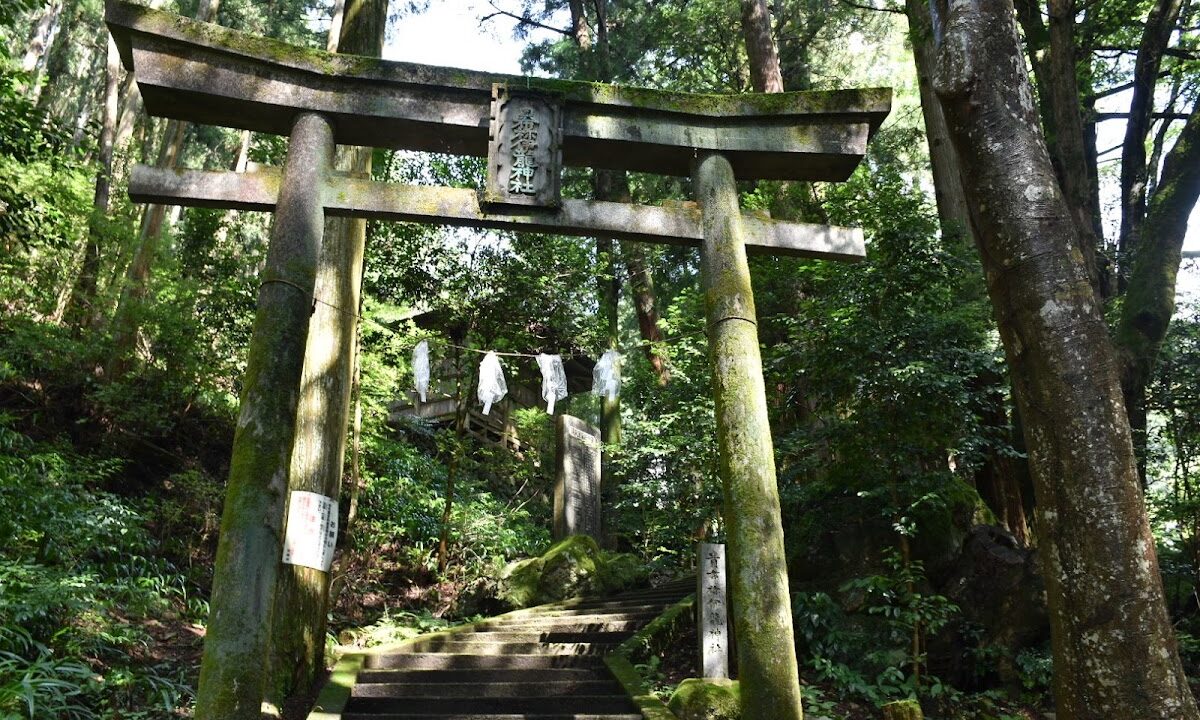
Complete Guide to Kifune Iryu Shrine (Hinohara Village, Tokyo) | Thorough Explanation of Deities, Goshuin (Shrine Seals), Access, and Highlights
Kifune Iryu Shrine, located in Hinohara Village, Nishitama District, Tokyo, is a historic shrine nestled in the deep nature of Okutama. Blessed with mystical rock formations (iwakura) and pure water, this shrine is a special place for visitors from central Tokyo to cleanse their souls. This article comprehensively introduces everything you need to know before visiting Kifune Iryu Shrine, including its history, enshrined deities, access methods, goshuin information, and highlights.
What is Kifune Iryu Shrine?
Kifune Iryu Shrine is located at 266 Shimomotogo, Hinohara Village, Nishitama District, Tokyo. Originally worshipped as Kifune Shrine, it adopted its current name due to the shrine consolidation policy of the Meiji era. Located amidst the rich natural environment of Hinohara Village, it offers visitors a sense of tranquility and a sacred atmosphere.
Origin and Pronunciation of the Name
The shrine’s name is pronounced “Kifune Iryu Jinja.” “Kifune” originates from the Kifune Shrine in Kyoto and is associated with the worship of the water god. “Iryu” originates from the Iryu Shrine, which was later merged with the Kifune Shrine (described later). This complex name is an important element that tells the story of the shrine’s historical changes.
History and Origins of Kifune Iryu Shrine
The founding date of Kifune Iryu Shrine is unclear, but it has long been a center of local faith. The “Fudoki” (local gazetteer) of Hinohara Village mentions it as a Fudō-dō (Fudo Hall), and the “Mizuchō” (water register) of Kanbun 7 (1667) records it as a Fudō-men (Fudo exemption), confirming its existence at least as early as the Edo period.
Records from the Kanbun Era
Records show that the shrine buildings were renovated in Kanbun 1670 (1670), indicating that it was already functioning as an important center of worship in the region at that time. Throughout the Edo period, it developed as a shrine closely intertwined with the lives of the people of Hinohara Village.
Shrine Consolidation in the Meiji Era
With the arrival of the Meiji era, the shrine was affected by the government’s policy of shrine consolidation. On November 6, 1909 (Meiji 42), the Hie Shrine in Izumisawa was merged, followed by the Iryu Shrine in Honjuku (near the entrance to Haraizawa Falls) on February 7, 1911 (Meiji 44). This merger with the Iryu Shrine resulted in the current name, “Kifune Iryu Shrine,” which it remains to this day.
This consolidation was not simply a merger or abolition, but a historical event aimed at unifying multiple local faiths and building a stronger foundation of belief.
About the Deities Enshrined
Three deities are enshrined at Kibune Iryu Shrine. Each possesses different divine virtues and responds to the various wishes of worshippers.
Kunitokotachi-no-Mikoto
A fundamental deity in Japanese mythology, the god who governs the foundation of the land. Considered one of the Kotoamatsukami (separate heavenly gods) who appeared at the creation of heaven and earth, he is revered as a god who brings stability and prosperity to the land. He is believed to bestow divine virtues such as national security, strengthening the foundation of businesses, and longevity.
Sarutahiko-no-Mikoto
Known as the god of opening paths and guidance, Sarutahiko-no-Mikoto is famous for guiding the descent of the heavenly grandchild. He bestows divine virtues such as guidance when starting new things, traffic safety, protection from misfortune, and business prosperity, leading those at crossroads in life to the right path.
Ame-no-Tajikarao-no-Mikoto
In the myth of Ama-no-Iwato, he is the god of strength who opened the rock cave where Amaterasu Omikami hid. He is believed to bestow the power to overcome difficulties, improve in sports and martial arts, bring good fortune in competitions, and enhance overall luck. He is worshipped as a god who grants strong will and the ability to act.
About the Sacred Objects
The sacred objects of Kibune Iryu Shrine are distinctive. A standing statue of Fudo Myoo, approximately 30 cm tall, and a standing statue of Eleven-faced Kannon, approximately 42 cm tall, are preserved as sacred objects. These are valuable cultural artifacts that convey the remnants of the era of syncretism between Shinto and Buddhism.
Details of Location and Shrine Precinct
Location: 266 Shimomotogo, Hinohara Village, Nishitama District, Tokyo
Kifune Iryu Shrine is located in the Shimomotogo area, slightly away from the center of Hinohara Village. Surrounded by mountains and rich in nature, and close to the clear waters of the Akigawa River, it offers beautiful scenery throughout the seasons.
Hinohara Village is the only village in Tokyo, and 93% of its area is covered in forest, making it a naturally rich region. Kibune Iryu Shrine, nestled in this blessed natural environment, is an ideal place to escape the hustle and bustle of the city and find peace of mind.
Access Methods (Directions)
Kifune Iryu Shrine can be accessed by both public transport and private car, each with its own characteristics.
Access by Train and Bus
There are no train stations near the shrine. You will need to take a bus from the nearest station.
Nearest Station:
- JR Itsukaichi Line “Musashi-Itsukaichi Station” (Nearest Station)
Bus Route:
Take a Nishi-Tokyo Bus from Musashi-Itsukaichi Station.
Nearest Bus Stop:
- Kifune Iryu Shrine Bus Stop – Approximately 1 minute walk (approx. 69m) to the shrine
- Wadamukai Bus Stop – Approximately 12 minute walk to the shrine
Take a Nishi-Tokyo Bus bound for “Kazuma” or “Fujikura” from Musashi-Itsukaichi Station. It takes approximately 40 minutes to reach the Kibune Iryu Shrine bus stop. Since the number of buses is limited, we strongly recommend checking the Nishi-Tokyo Bus timetable in advance. It may be particularly crowded on holidays and during tourist seasons.
Access by Private Car
Main Route:
- Approximately 40 minutes from Uenohara IC on the Chuo Expressway
- Approximately 35 minutes from Akiruno IC on the Ken-O Expressway
Take the Hinohara Road (Tokyo Metropolitan Road No. 33) towards Hinohara Village. For car navigation, searching for “266 Shimomotogo, Hinohara Village, Nishitama District, Tokyo” or “Kifune Iryu Shrine” is recommended.
Parking Information:
There is no dedicated parking lot for the shrine. Visitors are advised to use the Hinohara Village Shimomotogo Parking Lot. The shrine is approximately 1km from this parking lot, a 10-15 minute walk. The path is a gentle uphill slope, so comfortable walking shoes are recommended.
The village parking lot is free, but spaces are limited, so early arrival is advisable, especially during the autumn foliage season and on holidays.
Important Notes Regarding Access
- Hinohara Village is located in a mountainous area, so there is a possibility of icy roads and snow in winter. Sufficient equipment and caution are necessary when visiting during winter.
- There are areas with weak cell phone reception, so please check maps and access information in advance.
- Bus service is infrequent, so it is important to plan your trip carefully, including your return time.
About Goshuin (Shrine Seals)
Many visitors to Kibune Iryu Shrine are interested in the goshuin (shrine seal). However, Kibune Iryu Shrine does not always issue goshuin at the shrine office.
Where to Obtain Goshuin
Goshuin from Kibune Iryu Shrine are issued at the following locations:
Hinohara Village Tourism Association or designated locations
For specific locations, we recommend contacting the Hinohara Village Tourism Association (Tel: 042-598-0069) before your visit. They may be available at certain shops and tourist facilities within the village.
Notes on Receiving Goshuin (Shrine/Temple Seals)
- Goshuin are proof of your visit, so be sure to visit the shrine before going to the office where they are given out.
- Bringing your goshuincho (seal book) is recommended.
- Issuance hours are subject to the shop’s business hours, so prior confirmation is necessary.
- Prepare the offering fee (usually around 300-500 yen).
Highlights of the Shrine Grounds
The grounds of Kibune Iryu Shrine have many points of interest that will captivate visitors.
Mysterious Iwakura (Sacred Rock)
To the right of the main hall is a massive Iwakura. Iwakura are large rocks believed to be places where gods descend, and have been objects of worship since ancient times. The Iwakura at Kibune Iryu Shrine is particularly impressive, conveying the power and sacredness of nature.
This sacred rock formation is not merely a rock, but a holy place that has been revered as a dwelling place of the gods since ancient times. Standing before this rock formation, one can feel the history of faith that transcends time. Many worshippers quietly offer prayers before this rock formation.
Shrine Structure
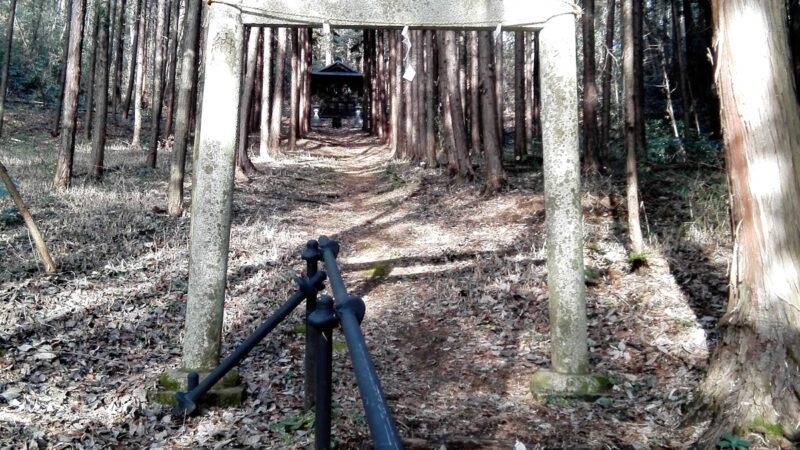
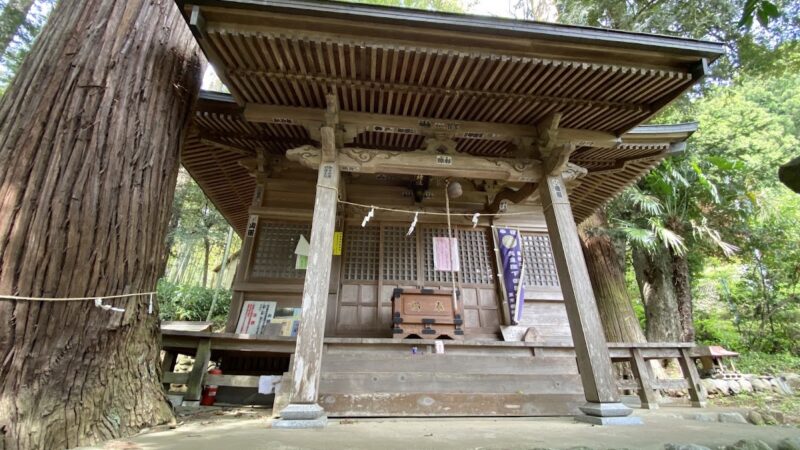
The current shrine building is a tasteful structure that has stood the test of time. Its placement harmonizes with the mountainous terrain, emphasizing a sense of unity with nature. From the worship hall, one can see the surrounding mountains, and the scenery of the four seasons soothes the hearts of worshippers.
Pure Water
As is typical of the Kibune Shrine lineage, pure water flows through the shrine grounds and surrounding area. Hinohara Village is a water-rich region sometimes called “Tokyo’s hidden gem,” and beautiful streams and springs can be seen around the shrine. The sound of the water cleanses the soul and further enhances the sacred atmosphere.
Natural Environment
The forest surrounding the shrine displays different expressions throughout the four seasons. You can enjoy different kinds of beauty depending on the time of year you visit: fresh greenery in spring, deep green in summer, vibrant autumn leaves, and snowscapes in winter. The autumn foliage season, in particular, is a popular time to visit, attracting many worshippers.
Nearby Tourist Attractions
When visiting Kibune Iryu Shrine, we recommend also visiting other tourist attractions in Hinohara Village.
Hossawa Falls
Located relatively close to the shrine, Hossawa Falls is a beautiful waterfall selected as one of Japan’s Top 100 Waterfalls. This four-tiered waterfall, with a drop of approximately 60 meters, is especially popular with tourists seeking respite from the heat in summer. It is also known for becoming an “icefall” in winter.
Hinohara Village Local History Museum
This facility allows you to learn about the history, culture, and nature of Hinohara Village. It is worth visiting to gain a deeper understanding of the historical background of Kibune Iryu Shrine.
Akigawa Valley
The Akigawa Valley, flowing through Hinohara Village, offers beautiful natural scenery that’s hard to believe is within Tokyo. Outdoor activities such as barbecues, camping, and fishing are also popular.
Manners and Etiquette for Visiting a Shrine
When visiting Kibune Iryu Shrine, please observe basic shrine visiting manners.
Etiquette for Visiting a Shrine
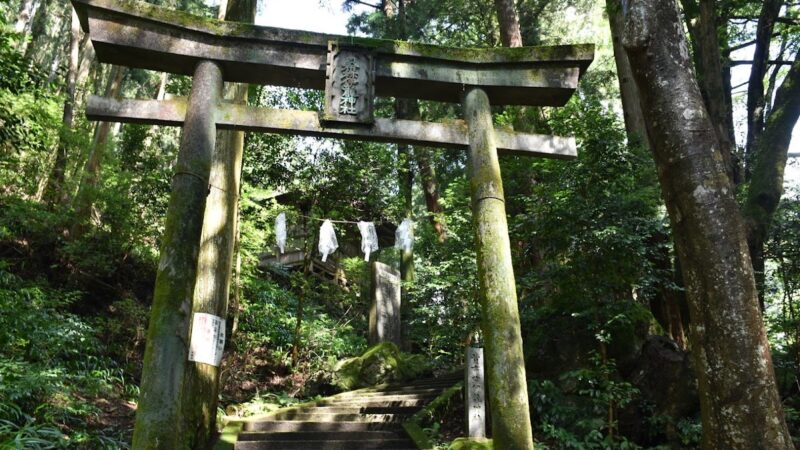
- Bow before passing through the torii gate – This is a courtesy before entering the sacred area.
- Walk along the edge of the path – The center is considered the path of the gods.
- Purify yourself at the water basin – Purify your left hand, right hand, and mouth in that order.
- Worship at the main hall – Two bows, two claps, and one bow is the basic procedure.
Clothing and Items to Bring
- As the shrine is located in a mountainous area, comfortable walking shoes are essential.
- Please dress appropriately for the season (insect repellent in summer, warm clothing in winter).
- Bringing drinking water is recommended.
- Cameras are permitted, but please be considerate when taking photos in sacred places.
Suitable Time and Season for Visiting
Recommended Season
Spring (April-May): Beautiful fresh greenery and mild weather make it ideal for visiting.
Summer (June-August): A cool mountainous area, offering an escape from the heat of the city. However, insect repellent is essential.
Autumn (October-November): The autumn foliage is magnificent, making this the most popular time. Early to mid-November is especially beautiful.
Winter (December-March): Experience a mystical atmosphere enveloped in silence, but be aware of snow and icy roads.
Visiting Hours
While shrines are generally open 24 hours, daytime visits are recommended for safety reasons. Especially for first-time visitors, it’s best to visit during daylight hours (around 9 AM to 4 PM).
About Hinohara Village
Hinohara Village, where the Kibune Iryu Shrine is located, is the only village in Tokyo. Despite being about two hours from the city center, it’s known as a “hidden gem of Tokyo” with abundant nature.
Characteristics of Hinohara Village
- Area: 105.41 km² (approximately 5% of Tokyo)
- Population: Approximately 2,000 people
- Forest Coverage: 93%
- Elevation: 200m to 1,500m
The majority of the village is designated as part of the Chichibu-Tama-Kai National Park, protecting its rich natural environment. Forestry is a traditional industry, and the village name “Hinohara” originates from its history as a cypress-producing area.
The Charms of Hinohara Village
Blessed with abundant natural resources such as clear streams, waterfalls, forests, and mountains, Hinohara Village offers a variety of outdoor activities including hiking, camping, fishing, and birdwatching. Local cuisine using mountain vegetables and river fish harvested locally is also a major attraction.
The Significance of Visiting Kibune Iryu Shrine
It’s rare to find such a tranquil and sacred space just a short distance from the city center. Kibune Iryu Shrine is not merely a tourist spot; it’s a special place where you can purify your soul and feel a connection to nature and the gods.
Standing before the sacred rock formation, listening to the sound of pure water, and feeling the scent of the forest, taking time to reflect on yourself away from the hustle and bustle of everyday life—that may be the true meaning of visiting Kibune Iryu Shrine.
Summary
Kibune Iryu Shrine is a historical shrine located in Hinohara Village, Nishitama District, Tokyo. This shrine enshrines three deities: Kunitokotachi-no-Mikoto, Sarutahiko-no-Mikoto, and Ame-no-Tajikarao-no-Mikoto, offering a sacred space blessed with mystical rock formations and pure water.
Access is convenient by taking a Nishi-Tokyo Bus from Musashi-Itsukaichi Station or by private car using the Hinohara Village Shimomotogo Parking Lot. Goshuin (shrine stamps) can be obtained at designated reception areas, so it is recommended to check in advance.
Surrounded by the beautiful nature of the four seasons, Kibune Iryu Shrine is the perfect place to escape the hustle and bustle of the city and cleanse your soul. Visiting it in conjunction with other tourist spots in Hinohara Village will make for a more fulfilling day.
Why not visit Kibune Iryu Shrine, nestled in the hidden gem of Hinohara Village, Tokyo, on your next day off and experience the sacred atmosphere and blessings of nature? It will surely be a special and memorable experience.