Complete Guide to Ubuchiyo Inari Shrine (Hachioji City, Tokyo) | History and Goshuin Information at the Site of Okubo Nagayasu’s Residence
Ubuchiyo Inari Shrine, located in Komoncho, Hachioji City, Tokyo, is a historic shrine founded in the early Edo period on the site of the residence of Okubo Iwami-no-kami Nagayasu, a renowned retainer of Tokugawa Ieyasu. Quietly nestled in a residential area, this shrine remains beloved by the local community and still retains traces of its past.
This article comprehensively covers everything you need to know before visiting Ubuchiyo Inari Shrine, including its detailed history, enshrined deities, access information, goshuin information, and highlights within the shrine grounds.
Basic Information about Sanchiyo Inari Shrine
Shrine Overview
Location: 82 Komoncho, Hachioji City, Tokyo 192-0054
Deity Enshrined: Uganomitama-no-Mikoto
Shrine Rank: Former Unranked Shrine
Founded: Keicho Era (1596-1615)
Telephone Number: 042-622-3452 (Priest’s Residence)
Sanchiyo Inari Shrine is located midway between Nishi-Hachioji Station and Hachioji Station on the JR Chuo Line, nestled in a quiet residential area. While the grounds are not particularly large, the shrine exudes a refreshing atmosphere due to its meticulous maintenance.
About the Enshrined Deity
The main enshrined deity, Uganomitama-no-Mikoto, is a god widely worshipped as Inari-sama. Known as the god of grain and business prosperity, this shrine is believed to bring blessings of abundant harvests, business success, and family safety.
It enshrines the same deity as Fushimi Inari Taisha in Kyoto, the head shrine of all Inari shrines, and is affectionately known as “Sanchiyo-san” by the local people. It is particularly known as a shrine visited by many people praying for safe childbirth, child-rearing, and good fortune.
History and Origins of Sanchiyo Inari Shrine
Founding of the Jinya (fortified residence) by Okubo Iwami-no-kami Nagayasu
The history of Sanchiyo Inari Shrine dates back to the Keicho era (1596-1615). This shrine was founded by Okubo Iwami-no-kami Nagayasu, who served as a close confidant of Tokugawa Ieyasu, as a guardian deity to ward off evil spirits from his Jinya (office and residence).
Okubo Nagayasu served Tokugawa Ieyasu after the fall of the Kai Takeda clan, and was particularly skilled in mining development and finance. In 1601, he was appointed chief magistrate, overseeing mines throughout Japan, including the Iwami Silver Mine, and laying the foundation for the shogunate’s finances.
Nagayasu established his headquarters in Hachioji, from which he governed a vast area stretching from Kanto to Koshinetsu. Within the grounds of his headquarters, in the northeast (the “demon’s gate”), he founded the Sanchiyo Inari Shrine, praying for peace and prosperity in his territory.
Role as a Protection Against Evil Spirits
In Onmyodo (Japanese esoteric cosmology), the northeast direction is called the “demon’s gate” and has been considered an inauspicious direction where evil spirits easily enter. Therefore, it was customary to place shrines and temples in the demon’s gate direction in samurai residences and castles to ward off evil spirits.
The Sanchiyo Inari Shrine was founded specifically as a guardian deity to ward off evil spirits, playing a crucial role in protecting Nagayasu’s encampment and territory. Inari deities have been worshipped as guardian deities of land since ancient times, and Nagayasu’s choice of shrine was logical given the prevailing religious practices of the time.
From the Edo Period to the Present
Okubo Nagayasu died in 1613 (Keicho 18), but afterwards, he and his family were punished for allegedly accumulating wealth through illicit means. His encampment was also demolished, but the Sanchiyo Inari Shrine was preserved by the faith of the local people and has survived to the present day.
Throughout the Edo period, it was revered as the guardian shrine of the region and as a deity of safe childbirth and child-rearing. The shrine’s name, “Sanchiyo,” is said to embody the wish for the prosperity of descendants and successive generations.
Although it was classified as an unranked shrine under the Meiji era’s shrine system, it continued to play an important role as a central presence in the local community. The shrine is still carefully preserved by parishioners and local residents, and regular festivals and cleaning activities are held.
Access and Surrounding Information
Access by Train
The most convenient way to reach Sanchiyo Inari Shrine is by using the JR Chuo Line.
From Nishi-Hachioji Station:
- Approximately 14 minutes on foot from the North Exit (approx. 1.1 km)
- This is the closest station, and you will walk through a residential area.
From Hachioji Station:
- Approximately 20 minutes on foot from the North Exit (approx. 1.6 km)
- Convenient if you want to enjoy shopping or dining around Hachioji Station before visiting the shrine.
Detailed Walking Route (From Nishi-Hachioji Station)
- Exit the North Exit of Nishi-Hachioji Station and head east along the railway tracks.
- Turn left at the first traffic light and head north.
- Continue straight through the residential area until you reach the vicinity of the Komoncho intersection.
- Follow the signs and turn right to arrive at Sanchiyo Inari Shrine.
Since it is located in a residential area, we recommend using a map app if you are visiting for the first time. The road is relatively flat and easy to walk, and there are local shops scattered along the way.
Access by Car and Parking
If you are visiting by car, it is approximately 15 minutes from the Hachioji Interchange on the Chuo Expressway. However, there is no dedicated parking lot for the shrine, so we recommend using nearby coin-operated parking lots or public transportation.
Due to the narrow roads in the residential area, it is best to avoid visiting in large vehicles.
Nearby Attractions
Around Sanchiyo Inari Shrine, there are several spots where you can experience the history of Hachioji.
Hachioji Castle Ruins: A nationally designated historical site located about 20 minutes away by car. It is the site of the castle of Hojo Ujiteru, and you can feel the atmosphere of a mountain castle from the Sengoku period.
Mount Takao: One of Tokyo’s top tourist spots. A sacred mountain rich in nature, featured in the Michelin Guide, many people visit it in conjunction with a visit to Yakuoin Temple.
Hachioji City Local History Museum: A facility where you can learn about the history and culture of Hachioji. There are also exhibits related to Okubo Nagayasu, allowing you to gain a deeper understanding of the historical background of Sanchiyo Inari Shrine.
Information on Goshuin (Shrine Seals) and Goshuincho (Shrine Seal Books)
About Goshuin
Regarding the goshuin at Sanchiyo Inari Shrine, according to visitor reports, there is no permanent shrine office, and it seems that it is often impossible to obtain a goshuin due to the absence of staff.
Due to the small size of the shrine and the lack of a permanent priest, it is possible that goshuin are not issued at all, or that they are only available on specific dates and times.
If you wish to receive a Goshuin (temple/shrine stamp)
If you absolutely want a Goshuin, we recommend trying the following methods:
- Prior Contact: Contact the listed phone number (042-622-3452) in advance to confirm whether Goshuin are available and the available dates and times.
- Visiting on Festival Days: During festivals held several times a year, the chief priest and parishioners’ representatives are more likely to be present.
- Nearby Shrines: There are many shrines in Hachioji City, so those who want to enjoy collecting Goshuin should plan their visits to nearby shrines as well.
Mindset for Visiting
A Goshuin is proof of your visit, not a stamp rally. Even if you cannot receive a Goshuin, there is value in appreciating the history and atmosphere of the shrine and visiting quietly. Sanchiyo Inari Shrine is a suitable shrine for those who want to enjoy historical walks and quiet worship, rather than those seeking Goshuin.
Highlights and Cultural Assets of the Shrine Grounds
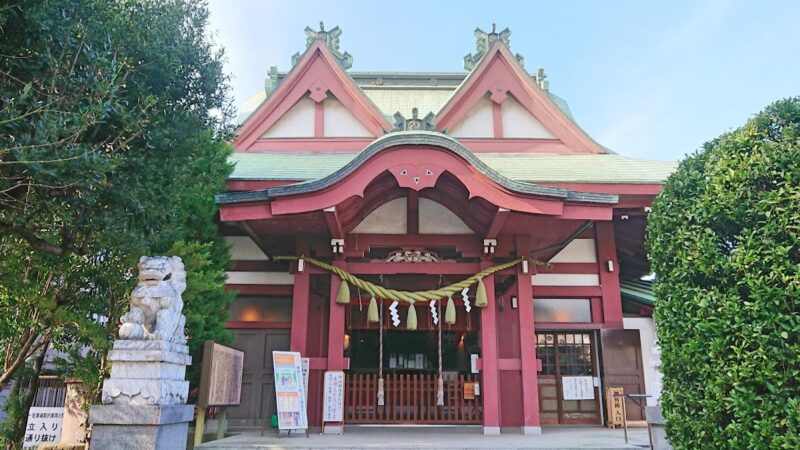
Main Hall and Worship Hall
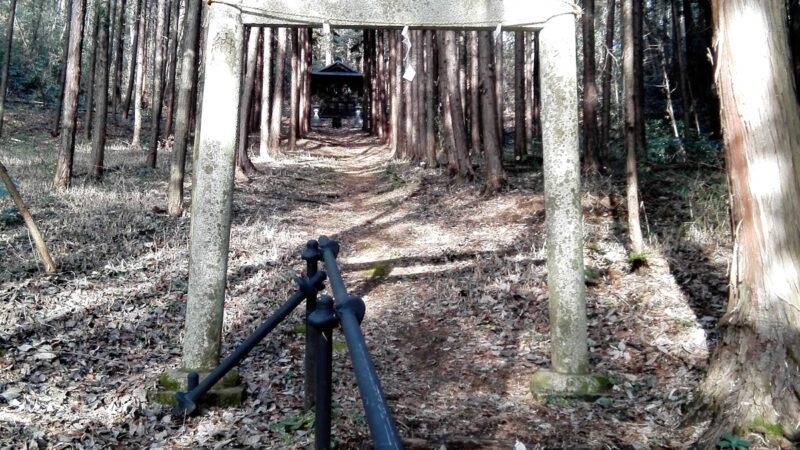
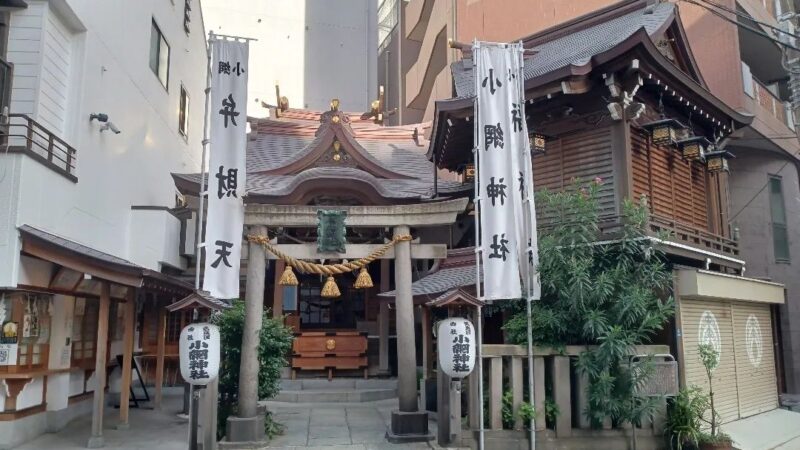
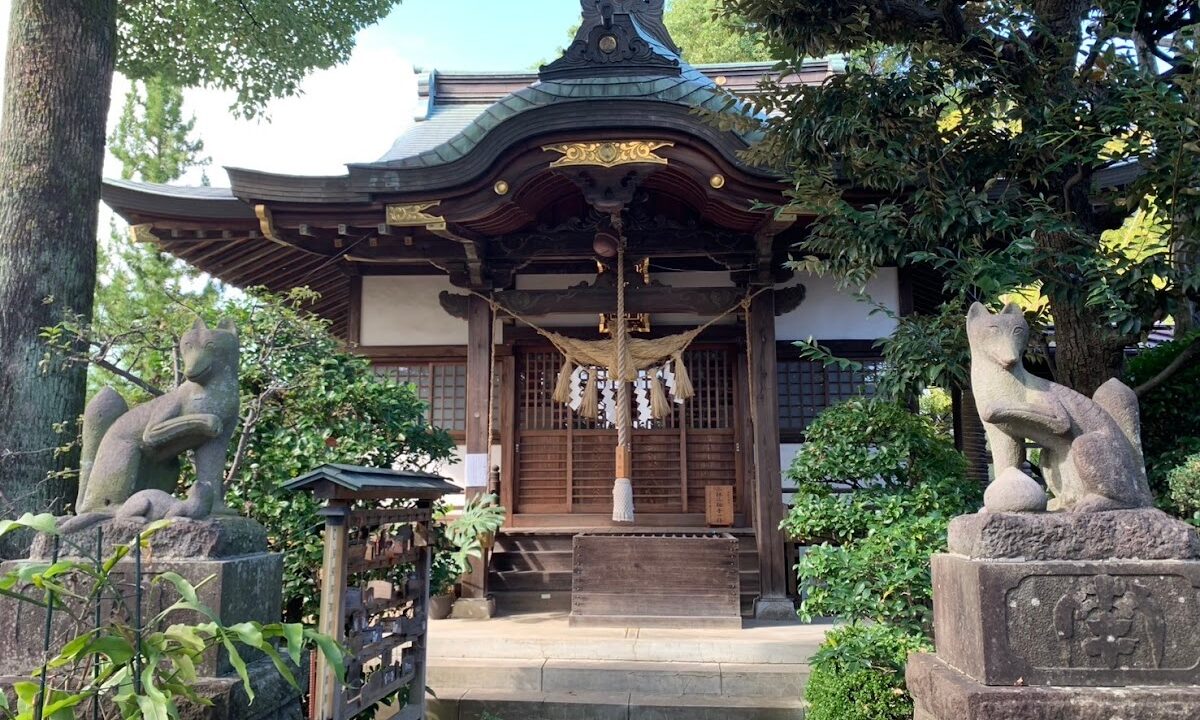
The grounds of Sanchiyo Inari Shrine maintain a tranquil atmosphere despite being located in a residential area. Upon passing through the torii gate, the worship hall comes into view.
The worship hall is a simple wooden structure, and the red torii gate, typical of Inari shrines, is striking. Although small in scale, it is meticulously maintained, reflecting the deep faith of the local people.
The main hall is located behind the worship hall and preserves the traditional style of shrine architecture. While the building itself is thought to have been rebuilt in later times, it is believed to follow the original layout from the time of its founding.
Fox Statues and Inari Faith
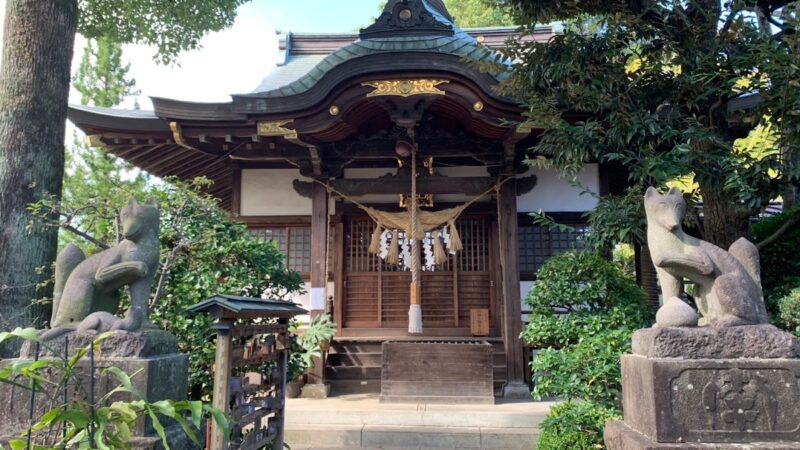
Stone statues of foxes, symbols of Inari shrines, are enshrined on the grounds. Considered messengers of the Inari god, the foxes welcome visitors as guardians of the shrine.
The stone statues have weathered with age, but this only adds to their historical significance. When visiting, be sure to pay attention to these fox statues.
Atmosphere and Seasonal Changes of the Shrine Grounds
The shrine grounds are planted with trees, allowing visitors to enjoy the changing seasons. Especially during the fresh greenery of spring and the vibrant autumn foliage, the grounds are enveloped in beautiful colors.
Despite being located in a residential area, stepping onto the shrine grounds reveals a tranquil space far removed from the hustle and bustle of the city. While there are no benches, it offers a peaceful setting for worship and a time to find peace of mind.
Value as the Site of Okubo Nagayasu’s Residence
The most important historical value of Sanchiyo Inari Shrine lies in its location on the site of Okubo Iwami-no-kami Nagayasu’s residence. Although the residence buildings no longer exist, this shrine is the only remaining trace of it.
Okubo Nagayasu’s presence is extremely important in the history of Hachioji. His rule led to Hachioji’s development, laying the foundation for the city as it is today. Sanchiyo Inari Shrine is a valuable cultural heritage site that conveys this history to the present day.
For history buffs, this is an interesting spot where you can imagine the state of local governance in the early Edo period while visiting the shrine.
Manners and Etiquette for Visiting Shrines
Basic Etiquette for Visiting Shrines
When visiting Sanchiyo Inari Shrine, please observe the following basic etiquette.
- Bow before the Torii Gate: Before entering the shrine grounds, bow before the torii gate.
- Purification at the Water Basin: If there is a water basin, purify your left hand, then your right hand, then your mouth.
- Walking the Path: The center of the path is considered the path of the gods, so walk along the sides.
- Worship at the Main Hall:
- Quietly place your offering in the offering box.
- Ring the bell if there is one.
- Worship using the two bows, two claps, one bow (two bows, two claps, one bow) method.
- Bow upon Exit: When leaving the shrine grounds, turn around and bow after passing through the torii gate.
Regarding Photography
Photography is generally permitted on the shrine grounds, but please note the following:
- Follow instructions if photography is prohibited in certain areas, such as inside the main hall.
- Be considerate of other worshippers.
- When posting on social media, remember to show respect to the shrine and other worshippers.
- Please refrain from using flash photography.
Appropriate Attire and Items for Visiting the Shrine
No special attire is required, but please dress in clean clothing that is respectful to the gods.
- Comfortable walking shoes (as you will be walking through a residential area)
- Hat, parasol, and water in summer
- Warm clothing in winter
- Camera (if you want to record the atmosphere of the shrine grounds)
- Map app (if it is your first visit)
Festivals and Annual Events
Main Festivals
Several festivals are held throughout the year at Sanchiyo Inari Shrine. Although small in scale, local people gather to preserve traditions.
Hatsuumasai (First Horse Day in February):
One of the most important festivals for the Inari Shrine. Prayers are offered for a bountiful harvest and business prosperity.
Reitaisai (Autumn):
The most important festival of the year for the shrine. Parishioners and local residents gather, and portable shrines and offerings may be carried out.
New Year’s Visit (January 1st-3rd):
The shrine is bustling with New Year’s worshippers. Local people pray for safety and prosperity in the new year.
Visiting During Festivals
Visiting on festival days brings a vibrant atmosphere to the usually quiet shrine, allowing you to feel the warmth of the local community. There’s a high possibility that the chief priest and parishioners’ representatives will be present, offering an opportunity to hear directly about the shrine’s history.
Festival dates may vary from year to year, so it’s recommended to check in advance.
Benefits of Sanchiyo Inari Shrine
Main Benefits
Sanchiyo Inari Shrine, which enshrines Ukanomitama-no-Mikoto, is said to offer the following benefits:
Abundant Harvest:
The original benefit of the Inari deity. Prayers for agricultural prosperity and abundant harvests
Business Prosperity: Prayers for business development and success
Family Safety: Prayers for the health and peaceful lives of family members
Safe Childbirth and Child-Rearing: As the name “Ubuchiyo” suggests, prayers for safe childbirth and the healthy growth of children
Fullness and Good Fortune: Prayers for financial luck and general happiness
Protection from Evil Spirits and Misfortune: Based on the origin of its founding, prayers for warding off evil spirits and protection from disasters
History of Faith
Since the Edo period, local people have visited this shrine with various wishes. In particular, due to the name “Ubuchiyo,” there was a strong belief in safe childbirth and child-rearing, and it is said that many pregnant women and families with young children visited the shrine.
Also, because Okubo Nagayasu was a financially skilled individual, many visitors come to pray for business prosperity and improved financial luck.
Nearby Shrines and Temples
When visiting Sanchiyo Inari Shrine, why not also visit other shrines and temples in Hachioji City?
Hachiman Yakumo Shrine
A shrine known as the guardian shrine of Hachioji. It boasts a magnificent shrine building and grounds, allowing visitors to experience Hachioji’s history. It is within walking distance of Sanchiyo Inari Shrine.
Koyasu Shrine
A shrine worshipped as the god of safe childbirth and child-rearing. Similar to Sanchiyo Inari Shrine, many visitors come to pray for the healthy growth of their children.
Daizenji Temple
An ancient temple in Hachioji City. Its historical temple architecture and gardens are magnificent.
Takaosan Yakuoin Temple
A Shingon Buddhist temple located on the slopes of Mount Takao, one of Tokyo’s most sacred mountains. A popular spot bustling with many visitors.
Including Sanchiyo Inari Shrine in a “Hachioji Historical Tour” route visiting these shrines and temples is highly recommended.
Visitor Reviews and Reputation
Visitor Feedback
The following are comments from people who have actually visited Sanchiyo Inari Shrine:
“It’s a small shrine quietly nestled in a residential area, but it’s a place where you can feel the weight of history. Learning that it’s the site of Okubo Nagayasu’s encampment sparked my interest in the history of Hachioji.”
“Although I couldn’t get a Goshuin (shrine stamp), it’s a shrine with a nice atmosphere where you can pray in peace. You can feel that it’s cherished by the local people.”
“I walked there from Nishi-Hachioji Station. The route is through a residential area, but once you enter the shrine grounds, it’s like entering another world of tranquility. It calms the mind.”
“Although small, it’s well-maintained, and I could feel the love of the local people. It has the charm of a simple shrine that hasn’t been commercialized for tourism.”
Evaluation from History Enthusiasts
History enthusiasts, in particular, highly appreciate its historical value as the site of Okubo Nagayasu’s encampment.
“This is a precious place where you can visit while imagining what local governance was like in the early Edo period. Reflecting on Nagayasu’s turbulent life evokes a deep sense of emotion.”
“Okubo Nagayasu made a significant contribution to the development of Hachioji. The fact that his remains still exist evokes a sense of historical romance.”
History of Hachioji City and Sanchiyo Inari Shrine
The Origins of Hachioji
Hachioji City was under the control of the Hojo clan during the Sengoku period and developed around Hachioji Castle. After the Hojo clan was destroyed in Toyotomi Hideyoshi’s Odawara campaign in 1590, Hachioji became an important base for the Tokugawa clan following Tokugawa Ieyasu’s entry into the Kanto region.
Okubo Nagayasu’s Governance of Hachioji
Tokugawa Ieyasu placed Okubo Nagayasu in Hachioji, a strategic point in the Kanto region, and entrusted him with governing a vast area. Nagayasu established a jinya (fortified residence) in Hachioji and promoted the duties of a magistrate from Kanto to Koshinetsu, particularly mining development and road construction. Under the rule of Chang’an, Hachioji developed as a post town and a center for the collection and distribution of goods. Sanchiyo Inari Shrine is a historically significant shrine located on the site of the encampment of the person who laid the foundation for Hachioji’s development.
Modern Hachioji and Shrines
Present-day Hachioji City is a core city located in the western part of Tokyo, with a population of approximately 580,000. While the area around Sanchiyo Inari Shrine is a quiet residential area, knowing that this was once the center of Hachioji’s governance changes one’s perspective on the town.
Local residents continue their efforts to pass on the history of the region to future generations through this shrine. Though a small shrine, it will undoubtedly continue to be carefully preserved as an indispensable part of Hachioji’s history.
How to Enjoy Your Visit and Recommended Plans
Historical Walking Tour (Half-Day Plan)
Morning:
- Arrive at Nishi-Hachioji Station
- Visit Sanchiyo Inari Shrine (30 minutes)
- Stroll through the surrounding historical streets (30 minutes)
Afternoon:
- Lunch near Hachioji Station
- Visit Hachioji City Local History Museum (1 hour)
- Visit Hachiman Yakumo Shrine (30 minutes)
This course allows you to gain a deep understanding of the history of Okubo Nagayasu and Hachioji.
Nature and History Enjoyment Course (Full-Day Plan)
Morning:
- Climb Mount Takao and visit Yakuoin Temple (3 hours)
Afternoon:
- Lunch near Hachioji Station
- Visit Sanchiyo Inari Shrine (30 minutes)
- Visit Hachioji Castle Ruins (1.5 hours)
This is a fulfilling plan where you can enjoy both nature and history.
Recommended Times for a Quiet Visit
Because Sanchiyo Inari Shrine is located in a residential area, weekday mornings are the quietest time to visit. While there are local visitors on weekends, it’s not as crowded as a tourist spot.
Early mornings and evenings also offer a pleasant atmosphere for a peaceful visit.
Summary: The Charm of Sanchiyo Inari Shrine
Although small in scale, Sanchiyo Inari Shrine boasts a deep history dating back to the early Edo period and possesses valuable historical significance as the site of the former encampment of Okubo Iwami-no-kami Nagayasu.
While obtaining a Goshuin (shrine stamp) is often difficult, it’s an ideal spot for those who want to enjoy a historical stroll or a quiet visit. Despite being in a residential area, stepping onto the shrine grounds reveals a timeless and tranquil space.
For those interested in the history of Hachioji, the figure of Okubo Nagayasu, or simply those seeking a peaceful visit away from the hustle and bustle, Sanchiyo Inari Shrine is well worth a visit.
One of its attractions is its convenient location, within walking distance of Nishi-Hachioji Station. When you visit Hachioji, be sure to stop by this historic little shrine. You’ll feel the warmth of a shrine cherished by the local community and the weight of its history.
Frequently Asked Questions (FAQ)
Q1: Can I get a Goshuin (shrine stamp) at Sanchiyo Inari Shrine?
A1: Sanchiyo Inari Shrine does not have a resident priest, so it is not usually possible to obtain a Goshuin. If you absolutely need one, we recommend calling in advance (042-622-3452) to check available dates and times. The chief priest may be present on festival days.
Q2: How do I get to Sanchiyo Inari Shrine?
A2: It’s about a 14-minute walk from the north exit of Nishi-Hachioji Station on the JR Chuo Line, or about a 20-minute walk from the north exit of Hachioji Station. Access from Nishi-Hachioji Station is the most convenient. Because it’s located in a residential area, first-time visitors can easily find it using a smartphone map app.
Q3: Is there parking?
A3: There is no dedicated parking lot for the shrine. If you are visiting by car, we recommend using a nearby coin-operated parking lot or public transportation. Since you will be navigating narrow residential streets, walking is the best option.
Q4: What are the enshrined deities and blessings of Uchiyo Inari Shrine?
A4: The enshrined deity is Uganomitama-no-Mikoto, and the shrine is believed to offer blessings for abundant harvests, business prosperity, family safety, safe childbirth and child-rearing, good fortune, and protection from evil. In particular, due to the shrine’s name “Uchiyo,” many visitors come to pray for safe childbirth and the healthy growth of their children.
Q5: When was Uchiyo Inari Shrine founded?
A5: During the Keicho era (1596-1615), Okubo Iwami-no-kami Nagayasu, a retainer of Tokugawa Ieyasu, founded this shrine as a guardian deity to ward off evil spirits from his encampment. With a history spanning over 400 years, this shrine is a historically valuable site located on the former site of Okubo Nagayasu’s encampment.
Q6: What are the highlights of the shrine grounds?
A6: The main hall and worship hall are simple yet well-maintained, the stone fox statues are a symbol of Inari shrines, and above all, the historical value of being the site of Okubo Nagayasu’s encampment is the greatest highlight. Although small in scale, you can pray while reflecting on history in a tranquil atmosphere.
Q7: Are there any suitable times or seasons for visiting?
A7: You can visit year-round, but visiting during festivals such as the Hatsuumasai (February) or the Reitaisai (autumn) will allow you to experience the vibrancy of the community. If you want to pray in peace, weekday mornings are recommended. The shrine grounds are beautifully colored during the fresh greenery of spring and the vibrant autumn foliage.
Q8: Are there any other tourist spots nearby?
A8: In Hachioji City, there are shrines and temples such as Hachiman Yakumo Shrine and Koyasu Shrine, as well as historical sites such as the Hachioji City Local History Museum and the Hachioji Castle Ruins. Mount Takao is also nearby, allowing you to create a one-day sightseeing plan that combines nature and history.
Q9: Is photography allowed?
A9: Photography is generally permitted on the shrine grounds. However, please be considerate of other visitors and remember to show respect to the shrine when taking photos. If there are areas where photography is prohibited, such as inside the main hall, please follow the instructions.
Q10: Who was Okubo Iwamori Nagayasu?
A10: Okubo Nagayasu was a chief magistrate in the early Edo period who served as a close confidant of Tokugawa Ieyasu. He demonstrated his skills in mining development and finance, laying the foundation for the shogunate’s finances. He established his headquarters in Hachioji, governed a vast area stretching from Kanto to Koshinetsu, and made a significant contribution to the development of Hachioji.