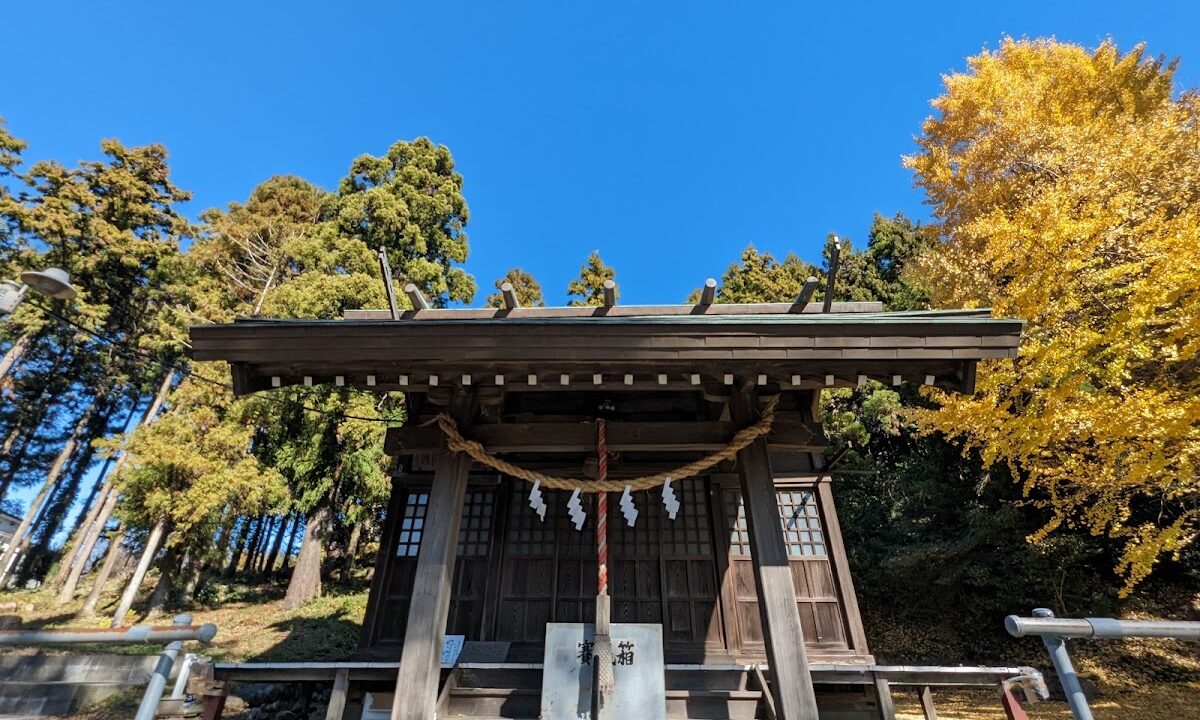
Iimori Shrine (Machida City, Tokyo) Complete Guide | History, Goshuin (Shrine Seal), and Access Information
Iimori Shrine, located in Shinkoji-cho, Machida City, Tokyo, is a historic shrine founded in 1650 during the early Edo period. It has a history of offering sacred food (offerings to the gods) to the Kurayami Festival, the annual festival of Okunitama Shrine (Fuchu City), the principal shrine of Musashi Province. Due to this role, it was known as “Iimori Myojin” or “Iimori Myojin.” This article comprehensively introduces information useful for visiting Iimori Shrine, including its detailed history, enshrined deities, highlights within the grounds, goshuin information, and access methods.
Basic Information about Iimori Shrine
Location (Shrine Address)
189, Shinkoji-cho, Machida City, Tokyo 195-0051
Deities Enshrined
- Okitsuhiko-no-Mikoto (Main Deity)
- Ukemochi-no-Kami (Enshrined in the Side Shrine)
Okitsuhiko-no-Mikoto is considered the god of food, and Ukemochi-no-Kami is also known as the god of abundant harvests and food. Since both deities are associated with food, this is deeply connected to the historical background of Iimori Shrine’s role in offering sacred food to Okunitama Shrine.
Former Shrine Rank
Village Shrine
Annual Festival Date
September 18th
Main Festivals and Events
- August 28th: Wind Festival
- September 18th: Annual Festival
History and Origins of Iimori Shrine
Founding Circumstances (Keian 3, 1650)
Iimori Shrine was founded in March of Keian 3 (1650) by Iida Jiroemon Takaie, the then-lord of the area, and Hoin Shunyo, the head priest of Kansenji Temple, the shrine’s affiliated temple. Initially, it was called “Iimori Myojin” or “Iimori Myojin.”
The names “Iimori” and “Iimori” originate from the fact that this region offered sacred food (goken) to the “Kurayami Festival,” the annual festival of Musashi Province’s Grand Shrine, Rokushogu (present-day Okunitama Shrine). In particular, there is a tradition that Shinkoji Village was responsible for the rice, while Shirumori Shrine in the neighboring Kurokawa Village was responsible for the soup. These two shrines, as a pair, have long been revered by the local community.
Relocation and Reconstruction in Bunka 7 (1810)
In November of Bunka 7 (1810), the shrine was relocated and rebuilt by the 13th abbot of Kansenji Temple, Eiei, at the request of Lord Okabe Kuronosuke and co-lord Urushido Hyosaburo. At this time, a donation of 2 to 4 go of tax-exempt land was received. Tax-exempt land was land provided by the lord for the maintenance and management of the shrine.
Name Change During the Meiji Era
In 1871 (Meiji 4), influenced by the Shinto-Buddhist Separation Order, the shrine’s name was changed from “Iimori Myojin” to its current name, “Iimori Shrine.” This period saw a nationwide reorganization of shrine names, resulting in many shrines changing their names.
Modern Shrine Building (Showa 41, 1966)
The current shrine building was constructed on September 18, 1966 (Showa 41). Rebuilt during the post-war period of rapid economic growth, it has been revered as the local guardian deity to this day.
Highlights of the Shrine Grounds
Shrine Building and Torii Gate
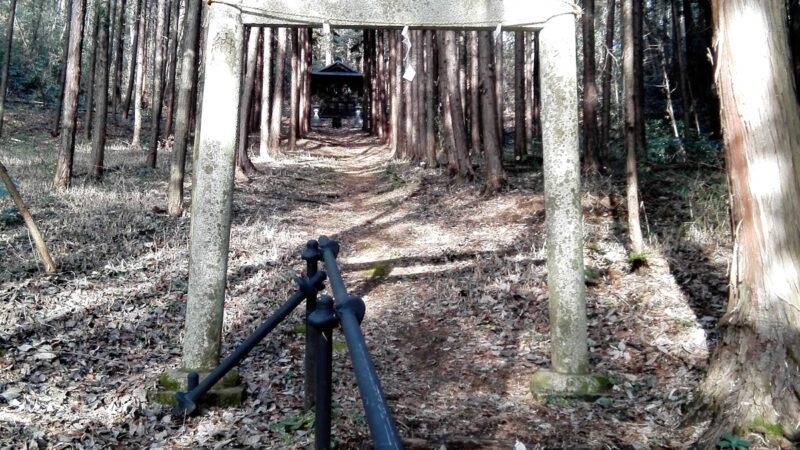
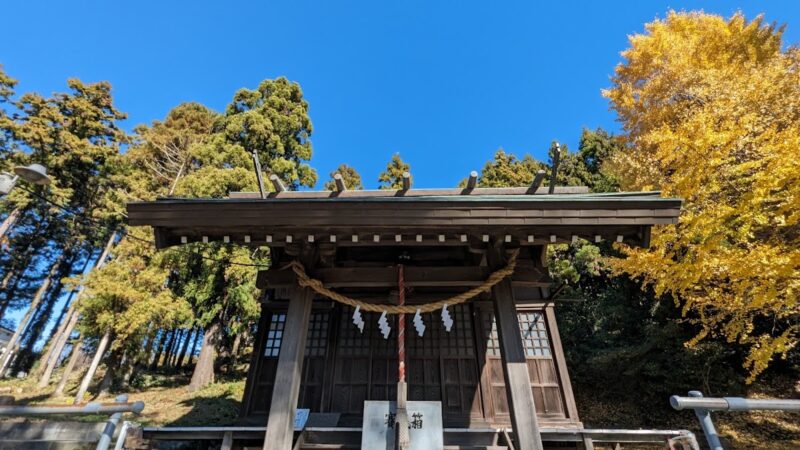
A wooden Ryobu-style torii gate stands at the entrance to Iimori Shrine. The Ryobu-style torii is a style that reflects the era of Shinto-Buddhist syncretism, characterized by the presence of supporting pillars (chigo-bashira) in front of and behind the main pillars. Passing through the torii gate, one finds the shrine building nestled within a small, unassuming precinct.
The shrine building was constructed in 1966, but it is meticulously maintained, reflecting the deep faith of the local people. While the surrounding area is being developed as a residential area, the shrine grounds maintain a quiet and peaceful atmosphere.
Shrine within the grounds: Musashi Mitake Shrine
Within the shrine grounds is the Musashi Mitake Shrine. Mitake worship is a form of mountain worship, and it is believed that the Musashi Mitake Shrine is a branch shrine of an ancient shrine located on Mount Mitake in Ome City, Tokyo.
Former Shrines within the Precincts (Until the Taisho Period)
Until the Taisho period, the following numerous shrines were enshrined within the precincts:
- Emperor Jimmu Shinmei Shrine
- Suwa Shrine
- Konpira Shrine
- Akiba Daigongen
- Doryo Daigongen
- Yakumo Shrine
- Yasaka Shrine
- Hiyoshi Shrine
- Toshogu Shrine
These were later merged or consolidated, but they illustrate the diverse religious beliefs that once existed in this region.
Goshuin (Shrine Seal) Information
Where to Obtain Goshuin
The goshuin of Iimori Shrine is obtained at its main shrine, Sugawara Shrine (Honmachida, Machida City). Since there are no resident priests at Iimori Shrine itself, you will need to visit Sugawara Shrine after your visit.
Location of Sugawara Shrine
802 Honmachida, Machida City, Tokyo
Offering Fee
Offering Fee: 300 yen
Features of the Goshuin (Shrine Seal)
The goshuin at Iimori Shrine features the shrine’s name and date of visit written in ink, along with the Sugawara Shrine seal. Simple yet carefully written, this goshuin is a popular memento for many visitors.
About Goshuincho (Shrine Seal Books)
Currently, no goshuincho specific to Iimori Shrine has been confirmed. Those wishing to receive a goshuin are advised to bring their own goshuincho.
Access and Transportation Information
Nearest Station and Line
Odakyu Tama Line “Kurokawa Station”
Approximately 30 minutes on foot (approximately 2.3 km)
From Kurokawa Station, proceed southeast along Tsurukawa Kaido towards Shinkoji Temple. There are some slopes, but it’s a suitable distance for a leisurely stroll during your visit.
Odakyu Odawara Line “Tsurukawa Station”
Bus access is convenient.
Access by Bus
When using the bus from Tsurukawa Station:
Kanagawa Chuo Kotsu Bus
- Take a bus bound for “Shinkoji” or “Shinkoji Park” from the north exit of Tsurukawa Station.
- Get off at the “Shinkoji” bus stop and walk for about 5 minutes.
Buses run approximately 2-3 times per hour during the day. Please check the latest timetable on the Kanagawa Chuo Kotsu official website.
Access by Car
Via Tsurukawa Kaido
Turn onto Tsurukawa Kaido from Machida Kaido and head towards Shinkoji-cho. Enter “189 Shinkoji-cho, Machida City, Tokyo” into your car navigation system.
Parking
Please check in advance whether there is a dedicated parking lot. Since the surrounding area is residential, please avoid street parking and use public transportation.
The Relationship Between Iimori Shrine and Shirumori Shrine
When discussing Iimori Shrine, it’s essential to understand its relationship with Shirumori Shrine, located in Kurokawa, Asao Ward, Kawasaki City.
Offering of Food to Okunitama Shrine
There is a tradition that at the annual festival “Kurayami Matsuri” (Offering Ceremony) of Okunitama Shrine (Fuchu City), the principal shrine of Musashi Province, Shinkoji Village (present-day Shinkoji-cho, Machida City) offered rice, and Kurokawa Village (present-day Kurokawa, Asao Ward, Kawasaki City) offered soup.
It is believed that this division of roles led to the Shinkoji shrine being called “Iimori” or “Iimori,” and the Kurokawa shrine being called “Shirumori.” The two shrines are located relatively close to each other, separated only by the Tsurukawa Road, and are etched in the region’s history as a pair.
Current Status of the Two Shrines
Currently, both shrines are located in quiet residential areas and are carefully preserved as the local guardian deities. Many history enthusiasts and those who enjoy visiting shrines visit both shrines together.
Nearby Attractions and Tourist Spots
Shinkoji Park
Shinkoji Park, within walking distance of Iimori Shrine, is a lush urban park. It offers beautiful scenery throughout the seasons and is an ideal spot for walks and picnics.
Other Shrines in Machida City
Sugawara Shrine (Main Shrine)
Sugawara Shrine, which issues the Goshuin (seal) of Iimori Shrine, is dedicated to Sugawara no Michizane, the god of learning. Visiting both shrines is recommended.
Machida Tenmangu Shrine
Located near Machida Station, this Tenmangu shrine also enshrines Sugawara no Michizane.
Manners and Precautions for Visiting a Shrine
Basic Worship Etiquette
- Bow before passing through the torii gate.
- Purify yourself at the water basin (omit if there is no water basin).
- Bow twice, clap twice, and bow once in front of the main shrine building.
- Follow the same etiquette when visiting subsidiary shrines within the grounds.
- When leaving, turn around and bow after exiting the torii gate.
Photography
Photography is generally permitted on the shrine grounds, but please be considerate of other worshippers. Avoid using tripods and making loud noises.
Visiting Hours
Iimori Shrine is open for worship at all times, but it is advisable to avoid visiting early in the morning or late at night out of consideration for local residents. Visiting during daylight hours is recommended.
Annual Events at Iimori Shrine
Wind Festival (August 28th)
The Wind Festival, held on August 28th, is a festival to protect crops from wind damage such as typhoons. It is a tradition that continues to this day, conveying the history of the Shinkoji area, which was once a thriving agricultural region.
Annual Festival (September 18th)
The Annual Festival on September 18th is the most important festival of the year at Iimori Shrine. The current shrine building was constructed on September 18th, 1966, indicating that this day is special to the shrine.
Shrine Culture in Machida City and Iimori Shrine
Machida City is home to numerous shrines, each conveying the history and culture of the region. Among them, Iimori Shrine stands out for its unique history, particularly its connection to the Musashi Province Grand Shrine.
Historical Background of Machida City
The Machida City area was formerly part of Tama District in Musashi Province and developed as an agricultural area. During the Edo period, a system of shared rule by multiple lords (a form of governance where several lords divided and ruled a single village) was in place. The record of the reconstruction of Iimori Shrine in 1800 (Bunka 7), listing “Lord Okabe Kuranosuke, Co-Lord Urushido Hyōzaburō,” reflects this form of governance.
Remnants of Shinto-Buddhist Syncretism
The involvement of Kansenji Temple’s priest, Shun’yo, in the founding of Iimori Shrine, and the fact that Kansenji Temple managed it as its affiliated temple, demonstrates the reality of Shinto-Buddhist syncretism during the Edo period. Although shrines and temples were separated by the Meiji-era Shinto-Buddhist Separation Order, their historical connection remains in the local memory.
Recommended Plans for Visiting Iimori Shrine
Half-Day Course: Visiting Iimori Shrine and Shirumori Shrine
- Start from Tsurukawa Station on the Odakyu Line
- Travel to Shinkoji Temple by bus
- Visit Iimori Shrine (30 minutes)
- Travel towards Kurokawa on foot or by bus
- Visit Shirumori Shrine (30 minutes)
- Travel to Kurokawa Station on the Odakyu Tama Line
Duration: Approximately 3-4 hours
Full-Day Course: Visiting Shrines in Machida
- Visit Machida Tenmangu Shrine from Machida Station
- Travel to Honmachida by bus
- Visit Sugawara Shrine and receive a Goshuin (shrine stamp)
- Travel to Shinkoji Temple by bus or on foot
- Visit Iimori Shrine
- Take a break and have lunch at Shinkoji Park
- Visit Shirumori Shrine (optional)
Duration: Approximately 6-7 hours
Summary: The Charm of Iimori Shrine
Although not large in scale, Iimori Shrine is a fascinating place due to its unique historical role in offering sacred food to the Musashi Province Grand Shrine. Since its founding in 1650, it has attracted the faith of the local community for over 370 years, serving as the tutelary shrine of Shinkoji-cho.
The shrine enshrines Okitsuhiko-no-Mikoto and Uke-mochi-no-Kami, deities of food, and its history of being responsible for “rice” reflects the deep connection between Japanese food culture and Shinto beliefs. Including its relationship with its counterpart, Shirumori Shrine, it is a valuable shrine for understanding the history and culture of the region.
When visiting Machida City, we highly recommend visiting Iimori Shrine and reflecting on its history in its tranquil grounds. Goshuin (shrine stamps) are available at the main shrine, Sugawara Shrine, so we suggest visiting both.
Summary of Visiting Information
- Location: 189 Shinkoji-cho, Machida City, Tokyo
- Deities Enshrined: Okitsuhiko-no-Mikoto (Main Deity), Ukemochi-no-Kami (Enshrined Together)
- Annual Festival Date: September 18th
- Nearest Station: Kurokawa Station on the Odakyu Tama Line (approx. 30-minute walk), Tsurukawa Station on the Odakyu Odawara Line (by bus)
- Goshuin (Shrine Seal): Available at Sugawara Shrine (Donation: 300 yen)
- Visiting Hours: Open at all times (Daytime recommended)
- Parking: Please check
May your visit to Iimori Shrine be a time of enrichment for everyone.