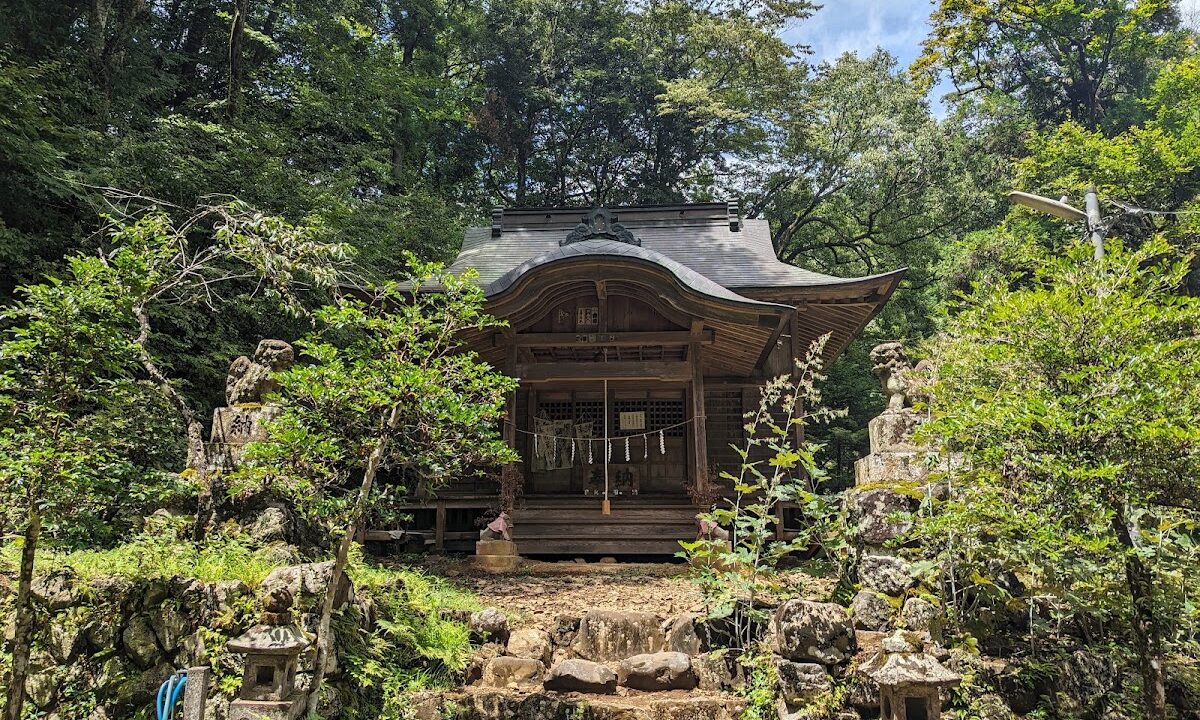
Complete Guide to Ryuzo Shrine & Sumiyoshi Shrine (Tokyo) | Detailed Explanation of Deities, Goshuin (Shrine Seals), Access, and Benefits
While there are many shrines in Tokyo, Ryuzo Shrine & Sumiyoshi Shrine stands out with its unique history and form of worship. This shrine, where two shrines are enshrined together, is deeply intertwined with the local history and remains popular with many worshippers today. This article provides a detailed explanation of Ryuzo Shrine & Sumiyoshi Shrine’s history, enshrined deities, benefits, goshuin (shrine seals), access methods, and other information you should know before visiting.
What is Ryuzo Shrine & Sumiyoshi Shrine?
As its name suggests, Ryuzo Shrine & Sumiyoshi Shrine is a shrine where two shrines, Ryuzo Shrine and Sumiyoshi Shrine, are enshrined together. A “combined shrine” refers to a form where multiple shrines are enshrined together in a single shrine building. In Tokyo, due to urbanization, population changes, and a decline in parishioners, it is common to see cases where multiple shrines are merged. The Ryuzo Shrine and Sumiyoshi Shrine Merged Shrine is one such example.
Significance and Characteristics of Merged Shrines
The significance of a merged shrine lies not simply in integrating multiple shrines, but in preserving the faith and history of each shrine and maintaining their role as a spiritual pillar of the local community. At the Ryuzo Shrine and Sumiyoshi Shrine Merged Shrine, the deities of both shrines are enshrined together, making it a precious place where one can receive the divine blessings of both.
History and Origins of Ryuzo Shrine
The name “Ryuzo” in Ryuzo Shrine has Buddhist elements, reflecting the era of syncretism between Shinto and Buddhism. Before the Edo period, a form of faith that fused Shinto and Buddhism was common in Japan, and many shrines had a betto-ji (a temple that managed the shrine).
Deities enshrined at Ryuzo Shrine
The deities enshrined at Ryuzo Shrine may vary depending on the region and historical documents, but generally, the following deities are believed to be worshipped:
- Water deities/Dragon deities: The character for “dragon” suggests a connection to water-related deities and dragon deity worship.
- Local guardian deities: Characterized as tutelary deities protecting the region.
- Deities of abundant harvests: Deities protecting the region’s industries, primarily agriculture.
Background of Ryuzo Shrine’s Establishment
While the exact founding date and detailed history of Ryuzo Shrine are unclear due to the loss of ancient documents and war damage, it is believed to have already existed as a center of local faith during the Edo period. In the village communities of that time, shrines served as both spiritual anchors and important social functions as places for festivals and gatherings.
History and Origins of Sumiyoshi Shrine
Sumiyoshi Shrine is a shrine based on the Sumiyoshi faith, with over 2,000 shrines existing throughout Japan. The head shrine is Sumiyoshi Taisha in Osaka, and it has long been revered as the guardian deity of safe voyages and maritime traffic.
Deities enshrined at Sumiyoshi Shrines
The deities enshrined at Sumiyoshi Shrines are generally the following:
- Sokotsutsu-no-Mikoto
- Nakatsutsu-no-Mikoto
- Uwatsutsu-no-Mikoto
- Empress Jingu: Enshrined at many Sumiyoshi Shrines
These deities are known as the “Three Sumiyoshi Gods” and are revered as gods of the sea and navigation. They also have aspects as gods of waka poetry and agriculture, and are believed to offer a wide range of blessings.
Sumiyoshi Faith in Tokyo
Several Sumiyoshi Shrines exist within Tokyo. During the Edo period, in areas where river transportation such as the Sumida River and Arakawa River was thriving, Sumiyoshi faith spread among people involved in water transport. Furthermore, it has also been worshipped as the guardian deity of those engaged in fishing and shipping.
The Sumiyoshi Shrine, which is part of the combined Ryuzo Shrine and Sumiyoshi Shrine complex, is also thought to have a history of faith deeply connected to the region’s water transport and industries.
History and Background of the Merger
The background to the merger of Ryuzo Shrine and Sumiyoshi Shrine is presumed to be the shrine consolidation policies implemented after the Meiji era and the changes in local communities due to urbanization during the Showa period.
Meiji Era Shrine Consolidation Policies
As the Meiji government promoted the nationalization of Shinto, it promoted the consolidation of shrines. In particular, the “Shrine Consolidation Order,” which began in 1906, led to the merger of many small shrines throughout the country. The degree of implementation of this policy varied by region, but many shrines in the Tokyo area were affected.
Showa Era Urbanization and Shrine Consolidation
In the Showa period, the rapid urbanization of Tokyo transformed rural areas into residential areas. In some cases, it became difficult to maintain multiple shrines due to a decrease in parishioners and changes in local communities. Under these circumstances, the consolidation of shrines sometimes took place.
The Ryuzo Shrine and Sumiyoshi Shrine merger is also thought to have been a choice made to preserve and pass on the faith of both shrines amidst these societal changes.
Deities and Benefits
At the Ryuzo Shrine and Sumiyoshi Shrine merger, the deities of both shrines are enshrined, allowing visitors to receive the divine blessings of each.
Main Benefits
Safe Navigation and Traffic Safety
The three Sumiyoshi deities are known as gods of navigation, and in modern times, they are believed to offer blessings for general traffic safety. It is suitable for car blessings and visits before travel.
Business Prosperity and Success
Deities associated with water transport and traffic are also linked to the development of logistics and commerce, and are believed to offer blessings for business prosperity.
Abundant Harvest and Bountiful Fishing
They also have aspects as guardian deities of agriculture and fishing, allowing visitors to pray for bountiful harvests and abundant catches.
Protection from Evil and Good Fortune
As a guardian deity of the region, you can expect blessings of protection from evil and good fortune.
Improvement in Waka Poetry and Performing Arts
The deity of Sumiyoshi is also known as the god of waka poetry, and is worshipped by people who wish to improve their skills in literature and performing arts.
Blessings of the Dragon God
If the “dragon” in Ryuzo Shrine is associated with dragon god worship, blessings such as increased wealth, career advancement, and purification can also be expected.
Highlights of the Shrine Grounds
There are several points of interest for visitors to the grounds of the combined Ryuzo Shrine and Sumiyoshi Shrine.
Shrine Building
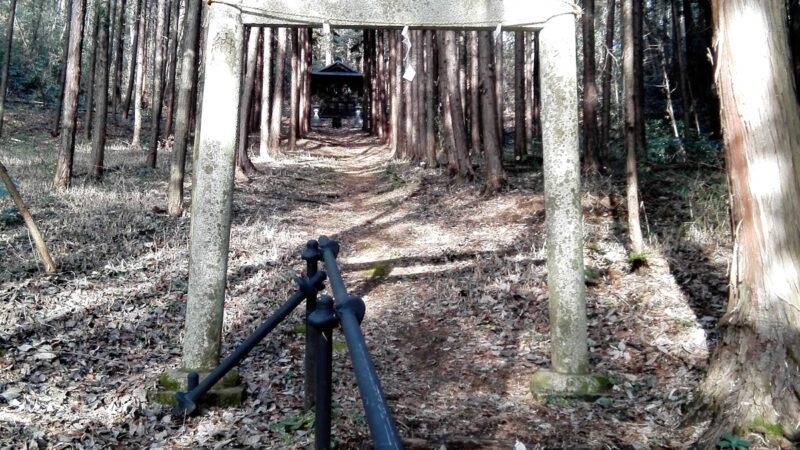
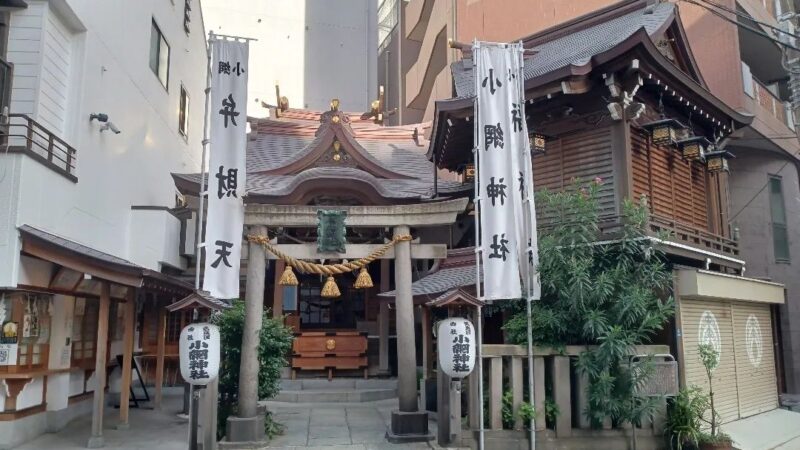
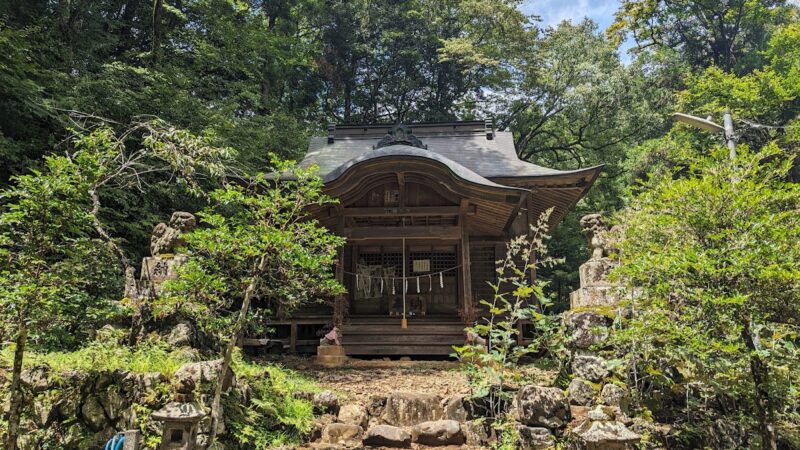
The shrine building of the combined shrine is a sacred space where the deities of both shrines are enshrined together. The architectural style and decorations may reflect the characteristics of each shrine. When visiting, show respect to the deities of both shrines and pray respectfully.
Komainu and Stone Monuments
Shrines sometimes have old komainu (guardian lion-dogs) and stone monuments remaining. These are valuable cultural artifacts that tell the history of the shrine, and their construction dates and the names of the donors provide clues to the local history.
Sacred Trees
Shrines with long histories sometimes have sacred trees that are hundreds of years old. These sacred trees are considered to be inhabited by gods, and it is believed that praying before them bestows special powers.
Subsidiary Shrines
Within the grounds of the Ryuzo Shrine and Sumiyoshi Shrine, there may be other small shrines or subsidiary shrines. These reflect local beliefs and history, and enshrine deities different from the main deity.
Goshuin (Shrine Seal) Information
In recent years, collecting goshuin has become a popular hobby and is one of the pleasures of visiting shrines.
Regarding the Issuance of Goshuin
Whether or not goshuin are issued at the Ryuzo Shrine and Sumiyoshi Shrine depends on the size of the shrine and whether or not there are resident priests. Smaller shrines may not always issue goshuin.
If you wish to receive a Goshuin (temple/shrine stamp), please note the following:
- Prior Confirmation: Before visiting, please confirm by phone or on the website whether Goshuin are available.
- Granting Hours: Please check the available hours (generally from 9:00 AM to 4:00 PM).
- Offering Fee: Generally around 300-500 yen (varies depending on the shrine).
- Bring Your Goshuincho (Stamp Book): Goshuin are typically written directly in your Goshuincho.
Goshuin Etiquette
Goshuin are proof of your visit, not a stamp rally. Please observe the following manners:
- Always pray first: Always pray at the main shrine before receiving a Goshuin (shrine stamp).
- Use polite language: Request politely by saying, “May I have a Goshuin?”
- Waiting posture: Wait quietly while the Shinto priest writes the stamp.
- Express gratitude: Say “Thank you” after receiving the stamp.
How to worship and proper etiquette
There are basic manners for visiting a shrine. By worshipping with the correct etiquette, you can show respect to the gods.
How to Pass Through a Torii Gate
- Bow before the torii gate.
- Walk along the edge of the path, as the center is considered the path of the gods.
- Maintain a reverent attitude even when entering the shrine grounds.
How to Purify Yourself at the Water Basin
- Take the ladle in your right hand and purify your left hand.
- Switch the ladle to your left hand and purify your right hand.
- Take the ladle back in your right hand, receive water in your left hand, and rinse your mouth.
- Purify your left hand once more.
- Hold the ladle upright, let the water flow down the handle, and return it to its original place.
How to Worship at the Main Hall
- Stand in front of the offering box and bow slightly.
- Gently place your offering (do not throw it in).
- If there is a bell, ring it.
- Worship using the “two bows, two claps, one bow” method.
- Bow deeply twice.
- Clap your hands twice at chest height.
- Pray with all your heart
- Bow deeply once
- Turn around and bow before leaving the torii gate
Access Information
Access to Ryuzo Shrine & Sumiyoshi Shrine (joint shrine) varies depending on the shrine’s location. For shrines within Tokyo, using public transportation is convenient.
Access by Public Transportation
If using the train
- Check the walking route from the nearest station in advance
- Walking is common if the distance from the station is within 15 minutes
- If there is a bus route, also check the distance from the bus stop
If using the bus
- Check the name of the nearest bus stop and the route number
- Check the bus schedule and frequency in advance
- Note that the schedule may differ on weekends and holidays
Access by car
Regarding parking
Small shrines may not have dedicated parking. In that case, you have the following options:
- Use a nearby coin-operated parking lot
- Consider using public transportation
- Temporary parking may be provided on special days such as annual festivals
Notes
- If the shrine is located in a residential area, be considerate of the neighbors.
- Absolutely avoid street parking.
- Visit during reasonable hours (around 8 AM to 5 PM).
Annual Events and Annual Festivals
Shrines hold various festivals throughout the year. It is believed that Ryuzo Shrine and Sumiyoshi Shrine, as a combined shrine, also hold festivals based on local traditions.
Main Annual Events
New Year’s Day Festival (January 1st)
A festival to celebrate the New Year and pray for peace throughout the year. It is crowded with many first-time visitors.
Setsubun Festival (around February 3rd)
Bean-throwing and exorcism rituals may be held.
Spring Annual Festival
The grand annual festival held in spring. A portable shrine procession and dedication ceremonies may be held. Summer Purification Ceremony (June 30th)
A Shinto ritual to purify oneself of the impurities accumulated over the past six months and pray for good health and protection from illness for the remaining half of the year. A ritual of passing through a ring of reeds may also be performed.
Autumn Festival
A festival to give thanks for the autumn harvest. In some regions, this is the most elaborate festival.
Niiname-sai Festival (November 23rd)
A festival to offer new grain to the gods and give thanks for the harvest.
Great Purification Ceremony (December 31st)
A Shinto ritual to purify oneself of the impurities accumulated over the year.
Participating in the Festival
The festival is an important event for the local community, and participation and observation are often open to non-parishioners. It is a valuable opportunity to experience the local traditional culture, so please consider participating if you have the chance.
Nearby Attractions and Tourist Spots
There may be other places worth visiting around the Ryuzo Shrine and Sumiyoshi Shrine Joint Shrine.
Nearby Shrines and Temples
Many shrines and temples are scattered throughout Tokyo. When visiting Ryuzo Shrine & Sumiyoshi Shrine, we recommend enjoying a “shrine pilgrimage” by visiting nearby shrines as well.
Historical Buildings and Sites
Visiting old buildings and historical sites is also worthwhile for learning about the region’s history. If there is a local history museum or historical building nearby, it’s a good idea to stop by.
Local Shopping Streets and Restaurants
After visiting the shrine, we recommend strolling through the local shopping streets or enjoying a meal at a local restaurant. This contributes to the local economy and provides an opportunity to interact with local people.
Points to Note and Manners When Visiting Shrines
Shrines are sacred places. Please pay attention to the following points when visiting.
Regarding Attire
- Avoid overly revealing clothing.
- Proper footwear is preferable to sandals or flip-flops.
- Remove hats and sunglasses before passing through the torii gate.
Regarding Photography
- Do not take photos in areas where photography is prohibited.
- Photography inside the main shrine is generally prohibited.
- Be considerate of other worshippers when taking photos.
- When posting on social media, ensure the content does not tarnish the dignity of the shrine.
Other Manners
- Do not speak loudly.
- Eating and drinking are permitted only in designated areas on the shrine grounds.
- Pet policies vary by shrine; please check beforehand.
- Always take your trash with you.
- Smoking is permitted only in designated areas (many shrines prohibit smoking throughout the entire grounds).
The Charm of the Ryuzo Shrine and Sumiyoshi Shrine Combined Shrine
The greatest charm of the Ryuzo Shrine and Sumiyoshi Shrine Combined Shrine lies in the fact that the history and faith of two shrines are inherited in one place.
Multifaceted Blessings
The opportunity to receive blessings from both Ryuzo Shrine and Sumiyoshi Shrine at once is a major attraction for visitors. You can seek a wide range of blessings, from safe voyages and business prosperity to abundant harvests.
Witness to Local History
The very form of a combined shrine tells the story of the region’s historical changes. It is a shrine imbued with the feelings of the local people who have continued to uphold their faith amidst changing times.
A Place of Quiet Prayer
Unlike large-scale tourist shrines, it possesses a tranquil atmosphere unique to a shrine rooted in the community. It is a precious space where you can leave the hustle and bustle and offer prayers in peace.
Center of the Community
Even in modern times, it plays a role as a spiritual pillar of the local community. Through annual festivals and events, it serves as a place to deepen the bonds among local people.
The Significance of Shrine Visits
Shrine visits are not merely acts of sightseeing or seeking blessings.
Cultivating a Heart of Gratitude
The essence of visiting a shrine lies in expressing gratitude to the gods for daily life. It provides an opportunity to renew our appreciation for things we often take for granted, such as health, family, and work.
Purification of the Mind
By joining our hands in prayer in the pure air of the shrine grounds, we can detach ourselves from the distractions of daily life and purify our minds. In today’s stressful society, shrines play an important role as a place for mental reset.
Understanding Japanese Culture
Through visiting a shrine, we can experience traditional Japanese culture and spirituality. We can deepen our understanding of Japanese culture from various aspects, such as etiquette, rituals, and architectural styles.
Connection with the Community
By visiting a local shrine, we can experience the history, culture, and lives of the people of that area. It provides an opportunity to deepen our understanding of and attachment to the community.
Summary
Ryuzo Shrine and Sumiyoshi Shrine are a unique shrine with a combined form, where two shrines are enshrined together. The history and faith of each shrine have been passed down in one place and protected by the local people.
This shrine, which combines the blessings of the Sumiyoshi Three Gods for safe voyages and business prosperity with the blessings of Ryuzo Shrine for regional protection and abundant harvests, welcomes worshippers with a variety of wishes.
When visiting a shrine, it is important to observe proper etiquette and manners and to worship with a grateful heart. It is recommended to check information about Goshuin (shrine stamps) and annual festivals in advance and plan your visit accordingly.
While there are many shrines in Tokyo, each one has its own unique history and charm. By visiting the Ryuzo Shrine/Sumiyoshi Shrine Combined Shrine, you can connect with local history, deepen your understanding of traditional Japanese culture, and find peace of mind.
In urbanizing Tokyo, such community-based shrines are precious. Why not visit and spend some time in quiet prayer?