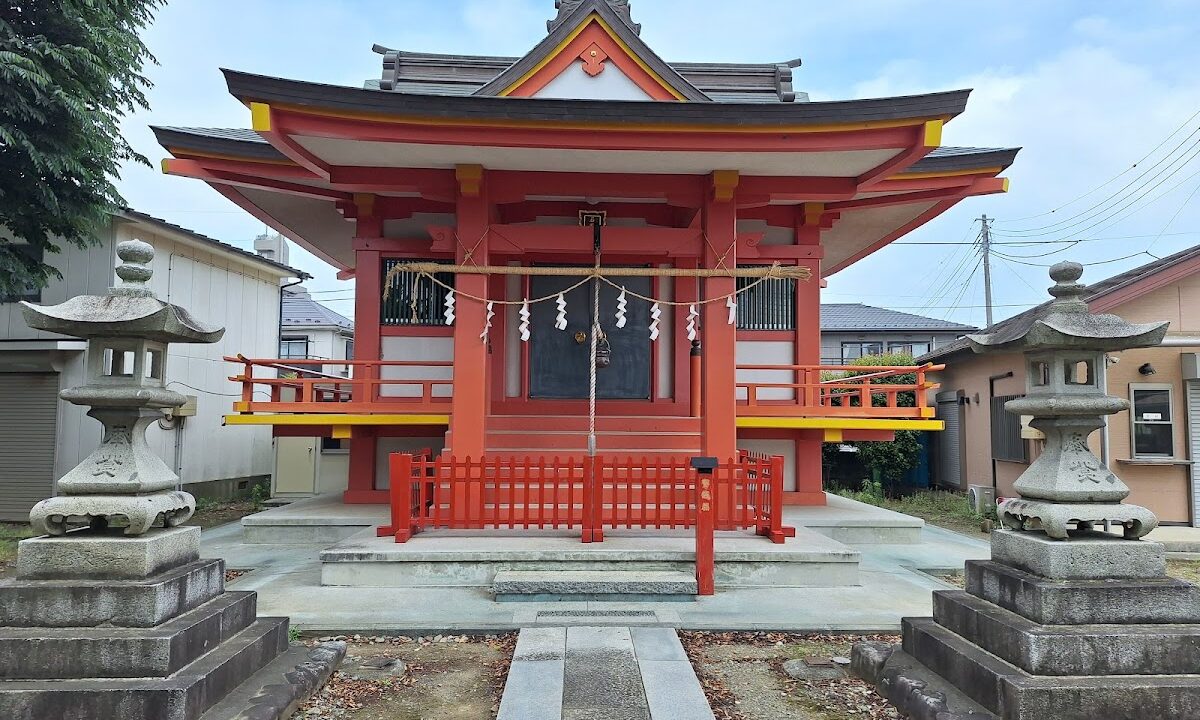
Complete Guide to Sekimyo Shrine (Hino City, Tokyo): History, Deities, Access, and its Connection to Hijikata Toshizo
Sekimyo Shrine (also known as Sekimei Shrine), quietly nestled in Ishida, Hino City, Tokyo, is a historic shrine situated in a residential area along the Asakawa River. It has been cherished by the local community as the tutelary deity of the Ishida Village area, where the birthplace of Hijikata Toshizo, known as the vice-commander of the Shinsengumi, was located. This article provides a thorough introduction to Sekimyo Shrine, from detailed information and history to points to consider when visiting.
Basic Information on Sekimyo Shrine
Sekimyo Shrine is located at 2-11-13 Ishida, Hino City, Tokyo. It is approximately a 6-minute walk from Manganji Station on the Tama Monorail, or accessible from Takahatafudo Station on the Keio Line and Tama Monorail.
Location and Contact Information
- Address: 2-11-13 Ishida, Hino City, Tokyo 191-0021
- Nearest Station: Tama Monorail Manganji Station (approx. 6-minute walk from Exit 2)
- Secondary Station: Tama Monorail/Keio Line Takahatafudo Station (approx. 10-minute walk)
- Parking: Small parking space available for visitors on the shrine grounds
Visiting Hours and Admission Fee
Ishimyojin Shrine is an open shrine accessible 24 hours a day. There is no admission fee, and anyone can visit freely. However, as it is located in a residential area, consideration for neighbors is necessary when visiting early in the morning or late at night.
History and Origins of Ishimyojin Shrine
The founding date of Ishimyojin Shrine is unknown, but it is said to have been established during the Nanboku-cho period (1336-1392). While the exact founding date is unclear, the oldest existing ridge beam inscription dates back to 1597 (Keicho 2), when the shrine building was renovated, confirming a history of at least 400 years.
From “Seki no Myojin” to “Ishi Myojin Shrine”
In the early Edo period, it was known as “Seki (Ishi) no Myojin.” This name is believed to originate from the weir (seki) involved in water management of the Asakawa River, indicating that it was revered as a water deity in the local community at the time, where securing agricultural water was crucial. Over time, the name “Ishi Myojin Shrine” became established and remains so to this day.
As the Guardian Shrine of the Former Arai Village and Ishida Village
Ishi Myojin Shrine served as the guardian shrine of the former Arai Village, later Ishida Village, and was the center of faith for the local residents. A guardian shrine is a shrine that enshrines the guardian deity of the land, and it has functioned as a place to pray for a bountiful harvest, the safety of the village, and the health of the residents. Having weathered the wave of the Meiji-era shrine consolidation policy, it remains cherished as the local guardian deity.
Relationship with Hijikata Toshizo
The Ishida district, where Ishimyojin Shrine is located, is the birthplace of Hijikata Toshizo, known as the vice-commander of the Shinsengumi. Hijikata Toshizo was born here in 1835 and spent his childhood and youth in this area. Ishimyojin Shrine is also the tutelary shrine of the Hijikata family, and it is believed that Toshizo visited it from a young age. Even today, it remains an important spot visited by Shinsengumi fans and history enthusiasts, along with the Hijikata Toshizo Museum.
Deity and Divine Virtues
The deity enshrined at Ishimyojin Shrine is Sarutahiko-no-Okami.
About Sarutahiko-no-Okami
Sarutahiko-no-Okami is a Kunitsukami (earthly deity) appearing in Japanese mythology. He guided Ninigi-no-Mikoto during the descent of the heavenly grandchild, and is therefore worshipped as the god of opening paths and the god of guidance. His divine virtues are wide-ranging, and he is believed to bring the following benefits:
- Traffic Safety: As the god of roads, he ensures safe travels and traffic safety.
- Protection from Unfavorable Directions: He wards off misfortune from unfavorable directions.
- Good Fortune and Prosperity: He opens new paths and invites good fortune.
- Business Prosperity: He helps with new businesses and business success.
- Successful Relationships: He guides people to good relationships.
- Family Safety: He ensures the health and safety of the family.
Worship as a Water God
As mentioned above, Ishimyojin Shrine has also attracted worship related to water management as the “Seki no Myojin” (weir god). In the rural areas that benefit from the Asakawa River, water management was fundamental to daily life. Therefore, in addition to the divine virtues of Sarutahiko-no-Okami, it is believed that the shrine also embodied a belief in gratitude for the blessings of water and prayers for a bountiful harvest.
Highlights of the Shrine Grounds
Ishimyojin Shrine, though small, boasts a charming shrine grounds.
Shrine Buildings
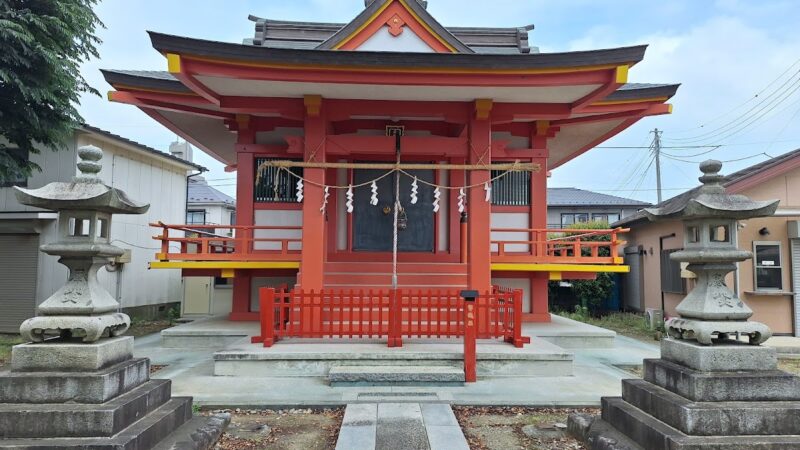
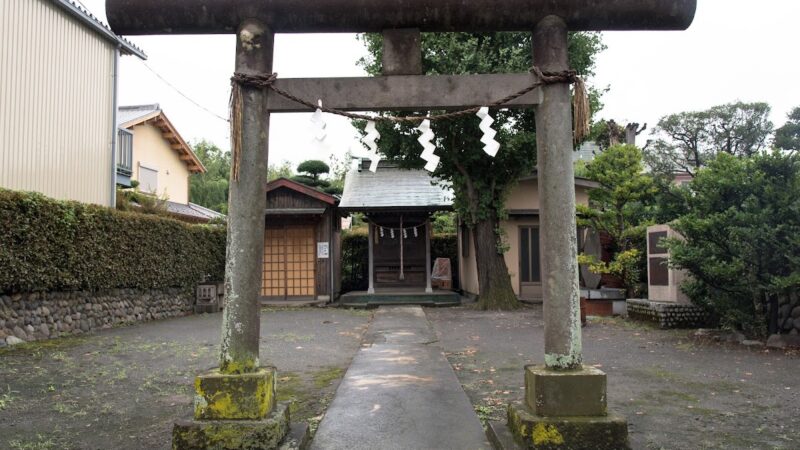
The current shrine buildings are relatively new, but they retain traditional shrine architectural styles. The main hall is protected by a protective structure, and the worship hall, though simple, is carefully maintained. Since its reconstruction in 1597 (Keicho 2), it has undergone several repairs to reach its current form, reflecting the deep faith of the local people.
Atmosphere of the Shrine Grounds
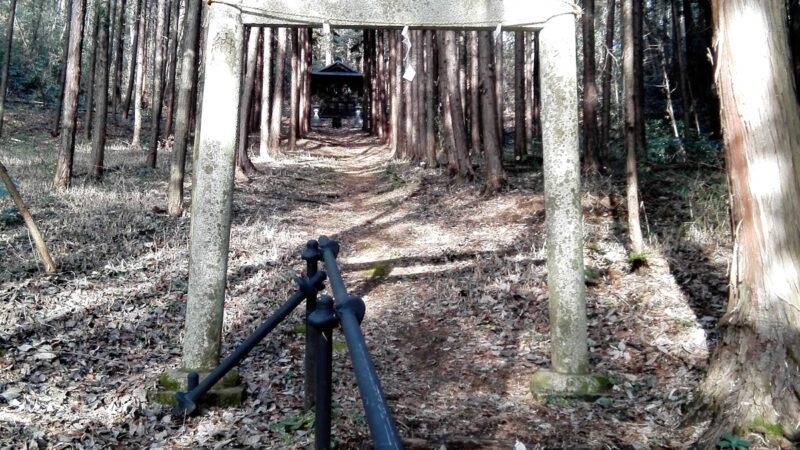
Despite being located in a residential area, the shrine grounds exude a tranquil atmosphere. Surrounded by large trees, the grounds provide a valuable green space in the increasingly urbanized city of Hino. Especially in summer, the shade of the trees is pleasant, and local residents can be seen stopping by during their walks.
Stone Monuments and Votive Offerings
Several stone monuments and lanterns are placed within the shrine grounds, including offerings from the Edo and Meiji periods. These are valuable historical materials that convey the history of the region and reflect the state of faith at that time.
Goshuin (Shrine Seal) Information
Goshuin are available at Ishimyojin Shrine. However, since there is no resident priest, prior confirmation is necessary if you wish to receive a goshuin.
Characteristics of the Goshuin
The goshuin at Ishimyojin Shrine is characterized by its simple yet powerful calligraphy. It includes the shrine name “Ishimayojin Shrine” and the date of visit. While direct inscription into the goshuin book is the norm, pre-printed goshuin may be available depending on the situation.
Points to Note When Receiving a Goshuin
- It is recommended to contact and confirm in advance.
- If a priest is absent, a nearby managing shrine may be able to assist you.
- Remember that a goshuin is a symbol of faith, not a stamp rally, and receive it respectfully.
- The offering fee is generally 300 to 500 yen.
Access Method
Public transportation is the most convenient way to access Ishimyojin Shrine.
Access by Train
From Tama Monorail Mangaji Station
- Approximately 6 minutes on foot from Exit 2 of Mangaji Station
- Head south from the station towards Asakawa
- It is located beyond a residential area.
From Keio Line/Tama Monorail Takahatafudo Station
- Approximately 10-12 minutes on foot from Takahatafudo Station
- Head east from the station towards the Ishida area
- It is located near the Hino Tax Office.
Access by Bus
Keio Bus and Hino City Minibus are also available. The nearest bus stop is “Ishida”.
Access by Car
- Approximately 15 minutes from the Kunitachi-Fuchu Interchange on the Chuo Expressway
- There is a small parking space on the shrine grounds, but the number of spaces is limited, so we recommend using public transportation.
- As the surrounding area is a residential neighborhood, street parking is strictly prohibited.
Access by Foot or Bicycle
It is close to the cycling path along the Asakawa River, making it suitable for a stop during cycling or walking. It is also recommended to include it as part of a tour of other historical sites, shrines, and temples in Hino City.
Nearby Tourist Attractions
When visiting Ishimyojin Shrine, you can also visit nearby tourist attractions.
Hijikata Toshizo Museum
The Hijikata Toshizo Museum, located about a 5-minute walk from Ishimyojin Shrine, is a must-see spot for Shinsengumi fans. It displays valuable materials passed down through the Hijikata family, allowing you to learn about Toshizo’s life in detail. Since the opening days are limited, we recommend checking in advance before visiting.
Takahata Fudo Kongo-ji Temple
Located a short walk from Takahata Fudo Station, this is one of the three major Fudo temples in the Kanto region. The vast grounds feature the Niomon Gate and Fudo Hall, both designated as Important Cultural Properties, and offer opportunities to enjoy the changing seasons. There is also a memorial tower for Shinsengumi members, making it a popular historical walking route.
Asakawa River Promenade
A well-maintained promenade runs along the Asakawa River near Ishimyojin Shrine, perfect for walks and jogging. You can experience the changing seasons with cherry blossoms in spring, fresh greenery in summer, and autumn leaves in fall.
Hino City Local History Museum
This facility allows you to learn about the history and culture of Hino City. Exhibits also cover the history of the Ishida district where Ishimyojin Shrine is located, providing a deeper understanding when visited before or after visiting the shrine.
Manners and Etiquette for Shrine Visits
There are basic manners to observe when visiting a shrine. Please observe the following manners when visiting Ishimyojin Shrine.
How to Pass Through the Torii Gate
The torii gate is the entrance to the sacred area. Before passing through, bow once, and since the center of the path (the main path) is considered the path of the gods, walk along the sides.
How to Wash Your Hands at the Water Basin
If there is a water basin at Ishimyojin Shrine, wash your hands in the following order:
- Hold the ladle in your right hand and wash your left hand.
- Switch the ladle to your left hand and wash your right hand.
- Switch the ladle back to your right hand, receive water in your left hand, and rinse your mouth.
- Wash your left hand once more.
- Hold the ladle upright, wash the handle, and return it to its original position.
Worship at the Main Hall
Worship using the basic “two bows, two claps, one bow” method.
- Place your offering in the offering box (do not throw it in, place it gently).
- If there is a bell, ring it.
- Bow deeply twice.
- Clap your hands twice.
- Pray with your hands clasped together.
- Finally, bow deeply once.
Manners upon leaving
When leaving the shrine grounds after your visit, turn back after passing through the torii gate, bow once, and then depart.
Annual Events and Festivals
Ishimyojin Shrine, as the guardian shrine of the region, holds various festivals throughout the year.
Annual Grand Festival
The annual grand festival is held every autumn, and local residents gather to celebrate the shrine’s festival. While not large in scale, it is an important event that reaffirms community bonds.
First Shrine Visit of the New Year
During the first three days of the New Year, local parishioners and neighboring residents visit for their first shrine visit of the year. Although a small shrine, it offers a warm, community-rooted atmosphere for welcoming the New Year.
The Charm and Significance of Visiting Ishimyojin Shrine
Ishimyojin Shrine, while located within Tokyo, offers a peaceful place for worship away from the hustle and bustle. Unlike large-scale tourist shrines, its charm lies in its simple, community-oriented atmosphere.
A Space Where History Can Be Felt
With a long history dating back to the Nanboku-cho period and connections to the historical figure Hijikata Toshizo, Ishimyojin Shrine is a valuable place where you can feel the history of Hino City firsthand. Standing on the shrine grounds, you can imagine the rural life of the Edo period and the turbulent times of the late Edo period.
A Place of Local Worship
Ishimyojin Shrine, which continues to attract the faith of local residents, is a symbol of community that has not been lost even amidst increasing urbanization. The sight of local people praying during their daily walks shows that the shrine is not merely a tourist spot, but a place of worship deeply rooted in their lives.
A Holy Site for Shinsengumi Fans
Ishimyojin Shrine, the tutelary shrine of Hijikata Toshizo, holds special significance for Shinsengumi fans. Visiting this shrine in conjunction with the Hijikata Toshizo Museum will allow you to experience the environment in which Toshizo spent his childhood and youth.
Precautions When Visiting
Please note the following points when visiting Ishimyojin Shrine:
Consideration for the Residential Area
Since the shrine is located in a residential area, please refrain from loud conversations and noise. Particular consideration for neighbors is necessary when visiting early in the morning or late at night.
Photography Etiquette
Photography is generally permitted on the shrine grounds, but please be considerate of the privacy of other visitors and nearby residents. Also, please follow instructions if there are areas where photography is prohibited, such as inside the main hall.
Take Your Trash Home
There are usually no trash cans on the shrine grounds. Please take your trash home with you to help maintain the cleanliness of the grounds.
Pets
Bringing pets to the shrine is generally discouraged. If unavoidable, please carry them or put them in a carrier and take sufficient care not to soil the grounds.
The Future and Preservation Activities of Ishimyojin Shrine
Small local shrines face challenges in maintenance due to the effects of declining birth rates, an aging population, and urbanization. Ishimyojin Shrine is no exception, and is protected through the cooperation of local residents and parishioners.
Collaboration with the Local Community
Ishimyojin Shrine collaborates with local community associations and neighborhood associations to conduct cleaning activities and manage festivals. The beauty of the shrine grounds is maintained through the volunteer activities of local residents.
Value as a Cultural Asset
Ishimyojin Shrine is an important cultural resource that conveys the history of Hino City. Efforts are underway to preserve culturally valuable items such as old building plaques and stone monuments, and to document the historical background.
Utilization as a Tourism Resource
As a site associated with the Shinsengumi, it occupies an important position in promoting tourism in Hino City. Many history enthusiasts visit it as part of a tourist route that includes the Hijikata Toshizo Museum and Takahata Fudoson Temple.
Summary: The Value of Visiting Ishimyojin Shrine
Ishimyojin Shrine is a small, historic shrine located in Hino City, Tokyo. It boasts a long history dating back to the Nanboku-cho period, is significant for its connection to Hijikata Toshizo, and continues to fulfill its role as a local guardian shrine.
Dedicated to Sarutahiko-no-Okami, Ishimyojin Shrine is believed to bestow blessings such as opening paths, traffic safety, and good fortune, making it suitable for visits at life’s milestones or when starting something new. Furthermore, its quiet environment along the Asakawa River provides an ideal place to escape the hustle and bustle of everyday life and find peace of mind.
Its convenient access, approximately a 6-minute walk from Manganji Station on the Tama Monorail, and its ease of combining with nearby tourist attractions such as the Hijikata Toshizo Museum and Takahata Fudoson Temple, are also attractive features. For Shinsengumi fans, those interested in Hino City’s history, and those who appreciate quiet shrines, Ishimyojin Shrine is a place well worth visiting.
Next time you have the opportunity to visit Hino City, be sure to stop by Ishimyojin Shrine. You’ll be able to feel a warmth rooted in the local community and a sense of historical weight that you won’t find in large-scale tourist shrines.