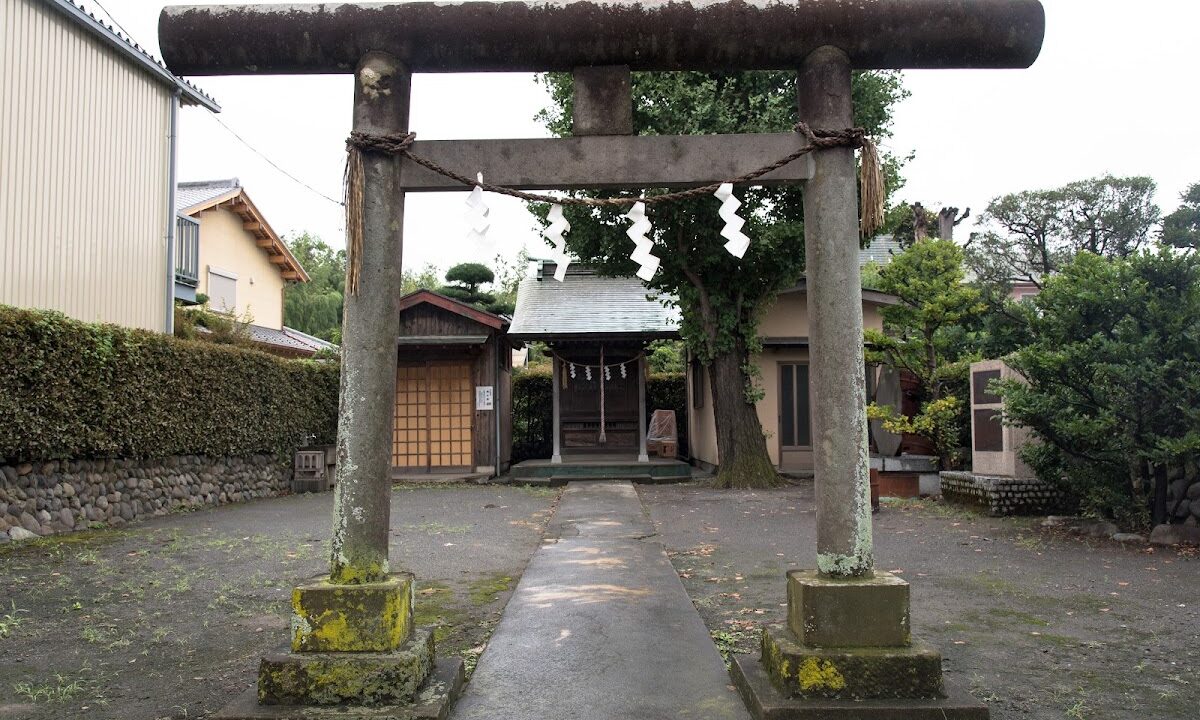
Complete Guide to Uenoshima Shrine (Fuchu City, Tokyo) | Deities, History, and Access Information
Uenoshima Shrine, located in Yotsuya, Fuchu City, Tokyo, is a historical shrine founded in 1615 during the early Edo period. Having overcome the ordeal of floods from the Tama River and protected by the local community, this shrine provides detailed information on its enshrined deities, history, and access methods.
Overview of Uenoshima Shrine
Uenoshima Shrine is a community-based shrine located in the Yotsuya district of Fuchu City. It enshrines Amaterasu Omikami and Ukanomitama no Mikoto as its deities and is revered by local residents.
Basic Information
- Official Name: Uenoshima Shrine (also written as 上之島神社)
- Pronunciation: Uenoshima Jinja
- Location: 6-33-3 Yotsuya, Fuchu City, Tokyo 183-0035
- Annual Festival Dates: September 15th, First Horse Day of February
- Deities Enshrined: Amaterasu Omikami (Main Deity), Ukanomitama no Mikoto (Enshrined alongside)
About the Enshrined Deities
Amaterasu Omikami
Amaterasu Omikami, the main deity of Uenoshima Shrine, is the supreme deity in Japanese mythology and is revered as the ancestral deity of the Imperial Family. She is a deity personifying the sun and has also been worshipped as the guardian deity of agriculture. She is the same deity as the deity enshrined in the Inner Shrine of Ise Grand Shrine, and is believed to bestow divine blessings such as national peace, abundant harvests, and good fortune. ### Ukanomitama-no-Mikoto
Ukanomitama-no-Mikoto, enshrined alongside the other deities, is a god of grain and food, widely known as Inari-sama. “Kura” means a warehouse for storing grain, “Ina” means rice ears, and “Tama” means spiritual power. This deity, possessing the divine virtues of abundant harvests and business prosperity, has attracted the faith of people involved in agriculture and commerce. The special rituals performed on the first day of the horse in the lunar calendar also originate from this Inari faith.
History of Kaminoshima Shrine
From Founding to the Present
The history of Kaminoshima Shrine dates back to the first year of the Genna era (1615), shortly after the establishment of the Edo shogunate. This year also marked the end of the Summer Siege of Osaka and the completion of the Tokugawa shogunate’s unification of Japan, making it a shrine founded at the very beginning of the Edo period.
The original location of the shrine was different from its current location. However, repeated floods of the Tama River caused disaster, washing away the shrine buildings and grounds. The Tama River is known as a turbulent river that erodes the Musashino Plateau, causing significant damage to the surrounding areas from the Edo period to the Meiji era.
In 1910 (Meiji 43), thanks to the efforts of local residents, it was decided to rebuild the shrine at its current location in Yotsuya 6-chome. This occurred during the late Meiji period, amidst the progress of modernization, and speaks to the deep faith the local people had in the shrine.
The History of Kaminoshima Shrine According to the Shinpen Musashi Fudoki-ko
The Shinpen Musashi Fudoki-ko, a geographical record compiled in the late Edo period, may contain records of a shrine that preceded Kaminoshima Shrine. This document is a valuable historical source that details the conditions of various villages in Musashi Province (present-day Tokyo, Saitama, and parts of Kanagawa prefectures), and provides clues to understanding the shrine’s state and its relationship with the community at that time.
In settlements along the Tama River, the struggle against floods was a daily challenge, and shrines played a vital role as a spiritual anchor for the local residents.
History of Kaminoshima Shrine according to the Tokyo Shrine Directory
According to the “Tokyo Shrine Directory,” compiled by the Tokyo Shrine Association, Kaminoshima Shrine has been revered by local residents as the tutelary deity of the Yotsuya area since its founding in 1615 (Genna 1). Even after its reconstruction in 1910 (Meiji 43), it continued to function as the center of local festivals and events, and annual events such as the September Grand Festival and the February Hatsuumasai Festival have continued to this day.
History of the Area According to Stone Monuments on the Shrine Grounds
Stone monuments commemorating the reconstruction and the history of the area may be erected on the shrine grounds. Such monuments are important historical materials that pass on the memory of the region to future generations, conveying the efforts of the local residents who recovered from the Tama River floods and the depth of their faith in the shrine.
Location and Surrounding Environment
The Yotsuya district of Fuchu City, where Kaminoshima Shrine is located, is a residential area on the south bank of the Tama River. While it was once a low-lying area near the Tama River’s flood plain, river improvements and embankment construction have transformed it into a safe residential area.
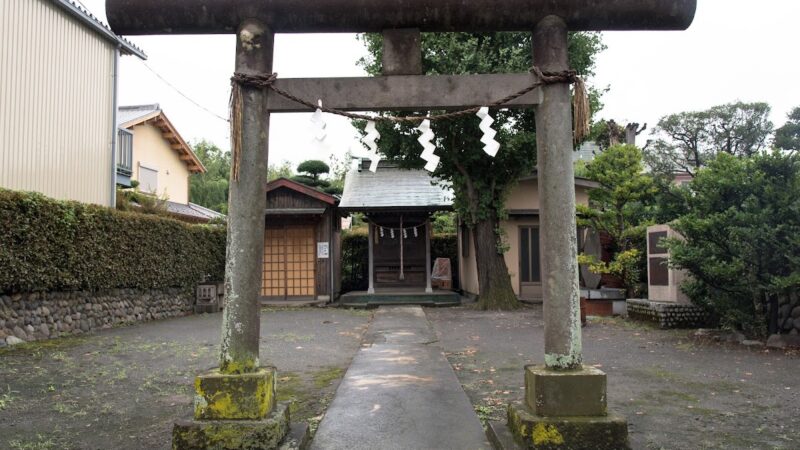
The name Yotsuya has a long history, dating back to the Edo period, and the surrounding area retains a tranquil atmosphere with some farmland still remaining. Around the shrine, old houses that evoke the area’s history coexist with newer residences.
Access Information
Nearest Station and Line
The Keio Line is the most convenient way to access Kaminoshima Shrine.
Access by Train
- Walk or bus from Keio Line “Nakagawara Station”
- Nakagawara Station is a station where Keio Line semi-express and rapid trains stop, and is accessible from Shinjuku Station in about 30 minutes.
- Walking from the station to the shrine takes about 20-25 minutes.
Nakagawara Station is located in the southern part of Fuchu City and is close to the Tama River. There is a shopping street around the station, making it the center of local life.
Nearest Bus Stop and Route
If using the bus, the following bus stop is the nearest.
Access by Bus
- Approximately 1 minute walk from “Yotsuya 6-chome” bus stop
- Take the Yotsuya Loop Bus from Keio Line Nakagawara Station
- The bus stop is very close to the shrine, making access convenient.
The Yotsuya Loop Bus is a community bus that plays an important role as transportation for local residents. Although the number of buses is limited, it is the most convenient means of transportation to the shrine.
Access by Car
If you are visiting by car, the nearest interchanges are the Fuchu Smart IC or Inagi IC on the Chuo Expressway. However, since the area around the shrine is a residential area, parking space may be limited. We recommend using public transportation when visiting.
Annual Festivals and Events
Grand Festival on September 15th
The most important festival at Kaminoshima Shrine is the Grand Festival held annually on September 15th. This day is considered a sacred day to commemorate the founding of the shrine and to offer gratitude to the enshrined deity.
During the Grand Festival, Shinto priests perform rituals, and local residents participate. In some areas, traditional events such as a portable shrine procession and lion dances may be held, making it an important opportunity to deepen the bonds of the local community.
Festival on the First Horse Day of February
On the first Horse Day of February, a festival is held for Ukanomitama-no-Mikoto (Inari-sama), who is enshrined in the same sanctuary. Hatsuumai is the day when Inari-sama (the Inari deity) is said to have descended upon Mount Inari, and it is an important festival day at Inari shrines throughout Japan.
At the Hatsuumai Festival, prayers are offered for a bountiful harvest and business prosperity, and for the flourishing of local agriculture and commerce. Worshippers may also receive amulets and talismans to bestow good fortune.
Fuchu City’s Shrine Culture and Kaminoshima Shrine
Fuchu City is a historic city where the ancient Musashi Province’s capital was located, and it boasts a rich shrine culture centered around Okunitama Shrine. Kaminoshima Shrine, as the local tutelary deity, plays a vital role in Fuchu’s shrine culture and has long been revered by local residents.
Numerous shrines of all sizes are scattered throughout Fuchu City, each deeply connected to the region’s history. Kaminoshima Shrine, too, continues to play its role as a spiritual pillar of the community, while facing the historical challenge of the Tama River floods.
Manners and Etiquette for Visiting a Shrine
When visiting a shrine, please observe the following basic manners.
Basic Worship Etiquette
- Bow Before Passing Through the Torii Gate: As a sign of respect before entering the sacred area, bow before the torii gate.
- Walking Along the Path: The center of the path is considered the path of the gods, so it is considered best to walk along the sides.
- Purification at the Water Basin: If there is a water basin, purify your left hand, then your right hand, then your mouth.
- Worship at the Main Hall: The basic etiquette is two bows, two claps, and one bow.
- First, bow deeply twice.
- Clap your hands twice.
- Finally, bow deeply once.
- Bow Upon Exit: When leaving the torii gate after finishing your worship, it is polite to turn around and bow once.
Nearby Attractions
When visiting Kaminoshima Shrine, why not also explore the surrounding sights?
Nature of the Tama River
The Tama River riverbed, close to the shrine, is a relaxing place where you can enjoy nature throughout the seasons. In spring, the cherry blossom trees are beautiful; in summer, you can enjoy leisure activities on the riverbank; in autumn, the leaves change color; and in winter, you can enjoy views of Mt. Fuji.
Fuchu City Local History Museum
This museum allows you to learn about the history and nature of Fuchu City and also has a planetarium. Buildings from the Edo period to the early Showa period have been relocated and restored, allowing you to experience life in those times.
Okunitama Shrine
This is a representative shrine of Fuchu City and has been revered since ancient times as the principal shrine of Musashi Province. The Kurayami Festival, held every May, is an important festival designated as a Tokyo Metropolitan Government Intangible Folk Cultural Property.
The Charm of Kaminoshima Shrine
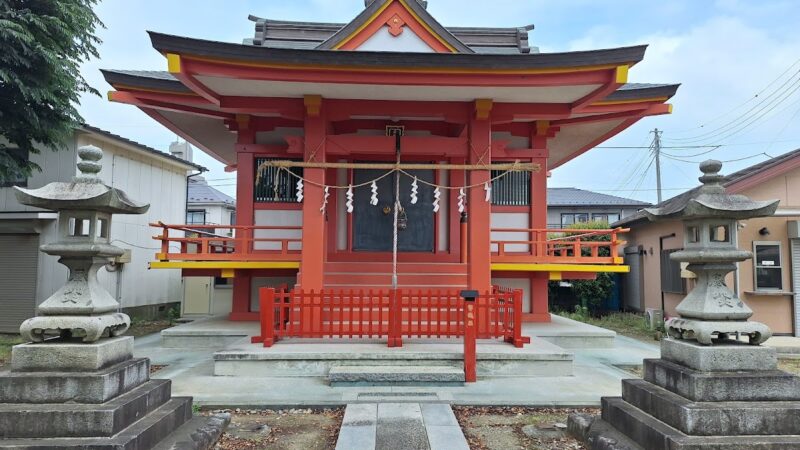
The greatest charm of Kaminoshima Shrine lies in its history spanning over 400 years and the deep-rooted faith of the community that has endured and been preserved through the Tama River floods. While not a large shrine, it is characterized by its warm, community-oriented atmosphere.
Its location, just 30 minutes by train from central Tokyo, offers a quiet and peaceful environment for worship, which is another of its attractions. Visitors can spend a leisurely time while experiencing the local history and culture.
Summary
Kaminoshima Shrine is a historical shrine located in Yotsuya, Fuchu City, Tokyo. Since its founding in 1615, it has withstood the trials of Tama River floods and was rebuilt in its current location in 1910. It enshrines Amaterasu Omikami and Ukanomitama no Mikoto as its deities, and attracts local devotion, primarily through its annual festival on September 15th and the Hatsuumai festival in February.
Access is convenient: take a bus from Nakagawara Station on the Keio Line and get off at the “Yotsuya Rokuchome” bus stop, then it’s a 1-minute walk. As part of Fuchu City’s rich shrine culture, we highly recommend visiting Kaminoshima Shrine, which is deeply intertwined with the local history.
Although it is a small shrine nestled in a quiet residential area, it is imbued with over 400 years of history and the deep faith of the local people. Away from the hustle and bustle of the city, spending time quietly praying at this historic shrine will surely be a memorable experience.